
Simple Ways to Lower Heating Bills for Large Family Homes in West Portal
Heating a large family home in West Portal can feel like watching money disappear through drafty windows and poorly insulated walls. The combination of San Francisco’s damp marine climate, aging Victorian architecture, and high PG&E rates creates a perfect storm for expensive winter heating bills. But you don’t have to choose between comfort and your budget. With the right strategies, you can cut heating costs by 20-40% while keeping your family warm and cozy. Who to Call for 24 Hour Emergency Heating Repair in San Francisco.
The key is understanding how West Portal’s unique environment affects your heating system. The neighborhood’s elevation means it experiences more fog and wind than downtown areas, while many homes built before 1940 have minimal insulation. Add in the typical West Portal family with kids coming in and out, and you’ve got a heating system working overtime. Let’s break down exactly what you can do to take control of your heating costs.
Quick Wins That Cut Heating Costs Immediately
Before investing in major HVAC upgrades, several no-cost and low-cost changes can make an immediate impact on your heating bills. These strategies work especially well in West Portal’s older homes where small improvements add up quickly.
Smart Thermostat Optimization for West Portal Weather
Setting your thermostat properly can save 10-15% on heating costs. In West Portal’s micro-climate, you need to account for the afternoon fog that rolls in from the Pacific. Program your thermostat to lower temperatures by 8-10 degrees when everyone is asleep or away at work and school. The cool-down period is less noticeable in West Portal’s naturally cooler evenings.. Read more about The Secret to Lower Electric Bills in San Francisco with Inverter Technology.
Install a smart thermostat that learns your family’s schedule. These devices typically pay for themselves within one heating season through optimized run times. For West Portal homes, look for models with remote sensors you can place in different rooms, since the living room might be 5 degrees warmer than a back bedroom during foggy evenings. The Best Way to Install Heat Pumps in Historic San Francisco Victorians.
Sealing Drafts in Historic Window Frames
West Portal’s Victorian and Edwardian homes often have beautiful but drafty original windows. Weatherstripping these windows can reduce heat loss by 25-30%. Use V-channel weatherstripping for sliding windows and adhesive-backed foam for fixed windows. Pay special attention to the window frames where they meet the wall, as these gaps often let in cold air and moisture.
Don’t forget about the basement and attic access points. These often-overlooked areas can account for 15% of your home’s heat loss. Install insulated covers over attic stairs and seal basement windows with removable caulking during winter months.
Addressing the Marine Layer’s Impact on Heat Loss
West Portal sits in a unique position where the marine layer affects heating efficiency. The constant moisture in the air conducts heat away from your home faster than dry air would. This means your heating system runs longer to maintain the same temperature. Combat this by adding humidity control to your HVAC system. A whole-house humidifier can make your home feel warmer at lower temperatures, reducing heating run times by 5-10%.
Also, consider thermal curtains for west-facing windows. These block both the afternoon heat in summer and the evening chill in winter. The thick fabric creates an insulating air pocket that reduces heat transfer through the glass.
Professional Maintenance That Pays for Itself
Regular HVAC maintenance might seem like an expense, but it typically returns 3-4 times its cost in energy savings. For West Portal homes, maintenance is even more critical due to the salt air and moisture that can accelerate wear on heating equipment.
The Impact of Salt Air on Outdoor Units
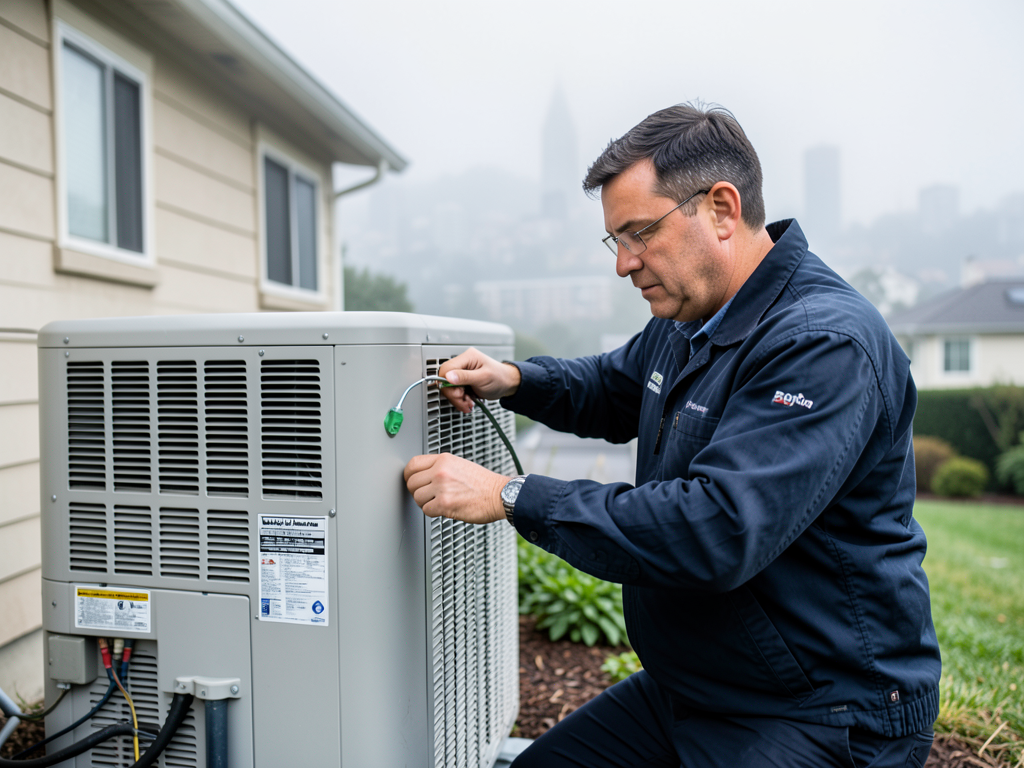
West Portal’s proximity to the Pacific means your outdoor HVAC components face constant salt exposure. This corrosion can reduce efficiency by 15-20% within just a few years. Schedule professional cleaning of outdoor coils at least twice yearly. A technician will use specialized coil cleaners that remove salt buildup without damaging the aluminum fins. Professional Commercial HVAC Maintenance for SOMA Office Buildings.
Also, check that your outdoor unit is properly elevated. West Portal’s occasional flooding during atmospheric river events can damage low-mounted equipment. The San Francisco Building Code requires HVAC equipment in flood-prone areas to be installed at least 12 inches above the highest recorded flood level.. Read more about Do Smart Vents Actually Work for Balancing Heat in Older San Francisco Homes?.
Furnace Tuning and Filter Changes
A dirty furnace filter can increase energy consumption by 15% and reduce equipment life by years. In West Portal homes with pets or kids, check filters monthly and replace them every 60-90 days. During maintenance visits, technicians should check for proper gas pressure, clean the burner assembly, and test the heat exchanger for cracks.
According to the California Energy Commission, a well-maintained furnace operates at 95-98% of its rated efficiency, while a neglected unit might only achieve 80-85%. That 10-15% difference can mean hundreds of dollars in wasted energy each winter. California Energy Commission.
Duct Sealing for Older Homes
Many West Portal homes have ductwork in unconditioned spaces like crawl spaces or attics. These ducts often leak 20-30% of the heated air before it reaches your living spaces. Professional duct sealing using mastic or metal tape can recover much of this lost heat. The process involves pressurizing the duct system and using smoke or infrared cameras to find leaks.
After sealing, have your ducts tested for proper airflow. Many older systems have been modified over the years, resulting in imbalanced heating where some rooms are too hot while others stay cold.
Upgrading to Modern, Efficient Systems
When your current system is over 15 years old or constantly needs repairs, upgrading to a high-efficiency system can cut heating costs by 30-50%. For West Portal homes, the mild climate makes heat pumps an excellent choice. Fast and Affordable AC Repair Services in Daly City and South San Francisco.
Heat Pump Technology for California’s Climate
Heat pumps work by moving heat rather than creating it, making them 2-3 times more efficient than traditional furnaces. In West Portal’s mild winters, where temperatures rarely drop below freezing, heat pumps provide comfortable heating while using significantly less energy. Modern cold-climate heat pumps can operate efficiently even when outdoor temperatures approach 20°F. Quiet and Efficient Furnace Replacement Options for Pacific Heights Residents.
The federal government offers a 30% tax credit (up to $2,000) for qualified heat pump installations under the Energy Efficient Home Improvement Credit. Additionally, BayREN offers rebates up to $1,000 for replacing gas furnaces with heat pumps in San Francisco. BayREN.
Comparing Gas Furnaces vs. Electric Heat Pumps
Gas furnaces typically operate at 80-95% efficiency, meaning 5-20% of the energy is lost through the flue. Electric heat pumps can achieve efficiencies of 200-300% because they move heat rather than generate it. In West Portal, where electricity rates are high but winters are mild, heat pumps often provide the lowest total cost of ownership.
However, if your home has an older electrical panel, you might need an upgrade to support a heat pump. Many West Portal homes built before 1980 have 100-amp service that’s insufficient for modern HVAC systems. A panel upgrade costs $1,500-3,000 but may be necessary for electrification.
Radiant Heating vs. Forced Air Systems
West Portal’s older homes often have the infrastructure for radiant heating, which can be more efficient than forced air in some situations. Radiant systems heat objects and people directly rather than heating air that can escape through leaks. They’re particularly effective in homes with high ceilings or lots of windows.
The downside is that radiant systems can’t provide cooling, and they typically cost 20-30% more to install than forced air systems. For whole-home solutions, many homeowners choose a hybrid approach with radiant heating in living areas and mini-split heat pumps in bedrooms.
Local Rebates and Financial Incentives
San Francisco and California offer several programs to help offset the cost of energy-efficient heating upgrades. These rebates can reduce your upfront costs by thousands of dollars.
BayREN Home+ Rebates
The Bay Area Regional Energy Network (BayREN) offers rebates for energy-efficient home improvements. For heating systems, you can receive up to $1,000 for replacing a gas furnace with a qualified heat pump. They also offer $200 for professional duct sealing and $50 for smart thermostat installation.
To qualify, you must work with a BayREN participating contractor and have your home’s energy efficiency assessed before and after the improvements. The program is funded by utility ratepayers through the California Public Utilities Commission.
TECH Clean California Incentives
TECH Clean California provides additional rebates for heat pump installations, particularly in areas transitioning from fossil fuel heating. For single-family homes in San Francisco, you can receive up to $3,000 in combined rebates from TECH and BayREN when installing qualifying heat pump systems.
The program specifically targets homes in disadvantaged communities but is expanding to cover more San Francisco neighborhoods. Check the TECH Clean California website for current eligibility requirements and rebate amounts.
Federal Tax Credits and Local Programs
The federal Energy Efficient Home Improvement Credit allows you to claim 30% of the cost (up to $2,000) for qualified heat pump installations. This credit is available through 2032 and can be claimed on your tax return for the year the work is completed. federal Energy Efficient Home Improvement Credit.
San Francisco also offers the Home Energy Savings Program, which provides free energy efficiency upgrades to income-qualified homeowners. This can include insulation, air sealing, and HVAC improvements at no cost to the homeowner.
Addressing West Portal’s Unique Heating Challenges
West Portal presents specific challenges that require tailored solutions. Understanding these issues helps you make informed decisions about heating system upgrades and improvements.
Insulating Victorian Homes Effectively
Many West Portal homes were built with little to no wall insulation. Adding insulation to these older homes requires careful planning to avoid moisture problems and maintain the home’s historic character. Blown-in cellulose insulation can be added to wall cavities through small holes, minimizing damage to historic plaster.
For homes with crawl spaces, installing a vapor barrier and insulating the floor joists can reduce heat loss by 15-20%. This is particularly important in West Portal, where the high water table can create damp conditions under homes.
Dealing with Drafty Single-Pane Windows
Replacing all the windows in a historic home can cost $15,000-30,000, but there are more affordable options. Window inserts cost $300-500 per window and can reduce heat loss by 50% while preserving the original glass. These clear acrylic panels install inside your existing window frames and can be removed seasonally.
For severe drafts, consider temporary window film during winter months. This shrink-wrap plastic creates an insulating air pocket and can reduce heat loss through windows by 40% for just $20-30 per window.
Heat Loss Through Aging Building Materials
West Portal’s older homes often have lath-and-plaster walls that settle over time, creating gaps where walls meet floors and ceilings. These small gaps can let in significant cold air. Use spray foam or caulk to seal these gaps, paying special attention to areas around electrical outlets and light fixtures.
Also, check your home’s foundation for cracks. Even small foundation cracks can let in cold air and moisture. Sealing these with hydraulic cement can improve both comfort and energy efficiency.
Cost vs. Savings Analysis
Understanding the return on investment for different heating improvements helps you prioritize projects. Here’s how various upgrades compare in terms of cost and potential savings for a typical West Portal home.
| Improvement | Typical Cost | Annual Savings | Payback Period |
|---|---|---|---|
| Smart Thermostat Installation | $200-400 | $150-250 | 1-2 years |
| Professional Duct Sealing | $500-1,500 | $200-400 | 2-4 years |
| Attic Insulation Upgrade | $1,500-3,000 | $300-600 | 3-5 years |
| Heat Pump Replacement | $8,000-15,000 | $600-1,200 | 5-10 years |
| Window Inserts | $3,000-6,000 | $400-800 | 5-7 years |
These payback periods assume current PG&E rates and typical West Portal weather patterns. Your actual savings may vary based on your home’s specific characteristics and how you use your heating system.
Emergency Heating Issues and When to Call a Professional
While many heating improvements are DIY-friendly, some situations require immediate professional attention. Knowing when to call for help can prevent costly damage and ensure your family’s safety.
Signs of Furnace Trouble
If your furnace is making unusual noises like banging, whistling, or grinding, it’s time to call a professional. These sounds often indicate failing components that could lead to complete system failure. Also, if you notice yellow flames instead of blue in a gas furnace, this could indicate incomplete combustion and potential carbon monoxide production.
According to the California Building Code, all gas furnaces must have proper venting and carbon monoxide detectors. If you don’t have these safety features, schedule an inspection immediately.
Uneven Heating and Airflow Problems
If some rooms are consistently colder than others, you might have ductwork issues or an improperly sized system. A professional HVAC technician can perform a Manual J load calculation to determine if your system is correctly sized for your home. Many West Portal homes have had additions over the years without updating their HVAC systems, leading to these problems.
Also, if your heating system is short-cycling (turning on and off frequently), this indicates a problem that reduces efficiency and can damage components. Common causes include dirty filters, thermostat issues, or refrigerant problems in heat pumps.
Frequently Asked Questions
How much can I really save by upgrading my heating system?
Most homeowners save 20-40% on heating costs by upgrading from an old, inefficient system to a modern high-efficiency unit. In West Portal, where heating is used frequently due to the cool, damp climate, these savings can amount to $500-1,000 per year.
Are heat pumps effective in San Francisco’s climate?
Yes, heat pumps are excellent for San Francisco’s mild climate. They work efficiently even when temperatures drop into the 40s, which is the typical winter low in West Portal. Modern cold-climate heat pumps can operate effectively down to about 20°F.
How often should I replace my furnace filter?
Check your filter monthly and replace it every 60-90 days minimum. In West Portal homes with pets or during high-use periods, you might need to replace it every 30-45 days. A clean filter can reduce energy consumption by 5-15%.
What’s the best way to heat a drafty old house?
Start with air sealing and insulation improvements, then consider a zoned heating system that allows you to heat only the rooms you’re using. Heat pumps with ductless mini-splits work well in older homes because they don’t require extensive ductwork modifications.
Do I need permits for heating system upgrades in San Francisco?
Yes, most heating system replacements require permits from the San Francisco Department of Building Inspection. This ensures the work meets current building codes and safety standards. A licensed HVAC contractor should handle the permitting process as part of your project.
Take Control of Your Heating Costs Today
Lowering your heating bills doesn’t require sacrificing comfort or making huge investments all at once. Start with the quick wins like thermostat optimization and draft sealing, then gradually tackle bigger projects as your budget allows. The key is taking action now before winter’s coldest months arrive.
Every improvement you make not only saves you money but also increases your home’s comfort and value. With San Francisco’s high energy costs and West Portal’s unique climate challenges, these heating efficiency measures are some of the best investments you can make in your home.
Ready to start saving? Call (628) 201-6600 today to schedule your heating system inspection. Our local experts understand West Portal’s specific challenges and can recommend the most cost-effective solutions for your home. Don’t wait until your heating system fails on a cold foggy night – take control of your heating costs now.
Pick up the phone and call (628) 201-6600 before the next cold snap hits. We’ll help you create a customized plan to lower your heating bills while keeping your family comfortable all winter long.
{
“@context”: “https://schema.org”,
“@type”: “BlogPosting”,
“headline”: “Simple Ways to Lower Heating Bills for Large Family Homes in West Portal”,
“description”: “Discover proven strategies to cut heating costs by 20-40% in West Portal’s unique climate. Learn about smart thermostats, insulation, and local rebates for large family homes.”,
“wordCount”: 2634,
“datePublished”: “2026-03-22T11:27:00.000Z”,
“dateModified”: “2026-03-22T11:27:00.000Z”,
“inLanguage”: “en-US”,
“mainEntityOfPage”: {
“@type”: “WebPage”,
“@id”: “https://atlashvacsanfrancisco.com”
},
“publisher”: {
“@type”: “LocalBusiness”,
“name”: “Atlas HVAC San Francisco”,
“url”: “https://atlashvacsanfrancisco.com”
},
“author”: {
“@type”: “Organization”,
“name”: “Atlas HVAC San Francisco”,
“url”: “https://atlashvacsanfrancisco.com”
},
“image”: {
“@type”: “ImageObject”,
“url”: “https://atlashvacsanfrancisco.com/wp-content/uploads/2026/03/simple-ways-to-lower-heating-bills-for-large-famil-1.png”
}
}
{
“@context”: “https://schema.org”,
“@type”: “HVACBusiness”,
“name”: “Atlas HVAC San Francisco”,
“url”: “https://atlashvacsanfrancisco.com”,
“address”: {
“@type”: “PostalAddress”,
“addressLocality”: “San Francisco”
},
“areaServed”: {
“@type”: “City”,
“name”: “San Francisco”
}
}
{
“@context”: “https://schema.org”,
“@type”: “FAQPage”,
“mainEntity”: [
{
“@type”: “Question”,
“name”: “How much can I really save by upgrading my heating system?”,
“acceptedAnswer”: {
“@type”: “Answer”,
“text”: “Most homeowners save 20-40% on heating costs by upgrading from an old, inefficient system to a modern high-efficiency unit. In West Portal, where heating is used frequently due to the cool, damp climate, these savings can amount to $500-1,000 per year.”
}
},
{
“@type”: “Question”,
“name”: “Are heat pumps effective in San Francisco’s climate?”,
“acceptedAnswer”: {
“@type”: “Answer”,
“text”: “Yes, heat pumps are excellent for San Francisco’s mild climate. They work efficiently even when temperatures drop into the 40s, which is the typical winter low in West Portal. Modern cold-climate heat pumps can operate effectively down to about 20°F.”
}
},
{
“@type”: “Question”,
“name”: “How often should I replace my furnace filter?”,
“acceptedAnswer”: {
“@type”: “Answer”,
“text”: “Check your filter monthly and replace it every 60-90 days minimum. In West Portal homes with pets or during high-use periods, you might need to replace it every 30-45 days. A clean filter can reduce energy consumption by 5-15%.”
}
},
{
“@type”: “Question”,
“name”: “What’s the best way to heat a drafty old house?”,
“acceptedAnswer”: {
“@type”: “Answer”,
“text”: “Start with air sealing and insulation improvements, then consider a zoned heating system that allows you to heat only the rooms you’re using. Heat pumps with ductless mini-splits work well in older homes because they don’t require extensive ductwork modifications.”
}
},
{
“@type”: “Question”,
“name”: “Do I need permits for heating system upgrades in San Francisco?”,
“acceptedAnswer”: {
“@type”: “Answer”,
“text”: “Yes, most heating system replacements require permits from the San Francisco Department of Building Inspection. This ensures the work meets current building codes and safety standards. A licensed HVAC contractor should handle the permitting process as part of your project.”
}
}
]
}
{
“@context”: “https://schema.org”,
“@type”: “BreadcrumbList”,
“itemListElement”: [
{
“@type”: “ListItem”,
“position”: 1,
“name”: “Home”,
“item”: “https://atlashvacsanfrancisco.com”
},
{
“@type”: “ListItem”,
“position”: 2,
“name”: “Blog”,
“item”: “https://atlashvacsanfrancisco.com/blog”
},
{
“@type”: “ListItem”,
“position”: 3,
“name”: “Simple Ways to Lower Heating Bills for Large Family Homes in West Portal”
}
]
}
{
“@context”: “https://schema.org”,
“@type”: “Service”,
“serviceType”: “HVAC”,
“provider”: {
“@type”: “LocalBusiness”,
“name”: “Atlas HVAC San Francisco”,
“url”: “https://atlashvacsanfrancisco.com”
},
“areaServed”: {
“@type”: “City”,
“name”: “San Francisco”
},
“description”: “Discover proven strategies to cut heating costs by 20-40% in West Portal’s unique climate. Learn about smart thermostats, insulation, and local rebates for large family homes.”
}