





menu

Ductless Mini-Split Systems in San Francisco – Zone Control Heating and Cooling for Homes Without Ductwork

Atlas HVAC San Francisco installs and services ductless mini-split systems engineered for Victorian homes, in-law units, and multi-zone climate control across the city's microclimates.

Slider Image 1
Slider Image 2
Slider Image 3
Slider Image 4
Slider Image 5
Slider Image 7
Slider Image 8
Slider Image 9
Slider Image 10
Slider Image 11

Why San Francisco Homes Need Ductless Mini-Split Systems

San Francisco's architecture was built before central air became standard. Most Victorian and Edwardian homes lack ductwork. Adding traditional HVAC ducts means tearing into walls, ripping through lathe and plaster, and destroying historical details. The city's microclimates compound the problem. The Sunset District sits cold and foggy while Noe Valley bakes. A single thermostat cannot manage temperature swings across different exposures.

Ductless air conditioners solve this. Mini split heat pumps mount directly on walls or ceilings. They connect to an outdoor condenser through a three-inch line set drilled through exterior walls. No ductwork. No demolition. Each indoor head operates independently, giving you zone control. You heat the bedroom at night and cool the kitchen during the day without wasting energy on empty rooms.

Older homes also face spatial constraints. In-law units, garage conversions, and attic buildouts rarely have room for ducts or traditional furnaces. Ductless AC units fit these tight spaces. The indoor air handlers are compact and mount high on walls, leaving floor space intact. San Francisco's Residential Rent Ordinance and Planning Code push landlords toward legal in-law units, and ductless mini-split systems are the fastest path to code-compliant climate control.

The city's marine layer creates humidity swings that traditional heaters cannot manage well. Ductless heat pumps include dehumidification modes that strip moisture without overcooling. You stay comfortable at 68 degrees instead of cranking the heat to 75 just to feel dry.

Why San Francisco Homes Need Ductless Mini-Split Systems
How Atlas HVAC San Francisco Installs Ductless Mini-Split Systems

How Atlas HVAC San Francisco Installs Ductless Mini-Split Systems

We do not use cookie-cutter installations. Every San Francisco home has different electrical service, wall construction, and spatial limitations. Our technicians start with a heat load calculation using Manual J protocols. This determines the BTU capacity each zone requires based on square footage, insulation, window area, and sun exposure. Oversized units short-cycle and fail to dehumidify. Undersized units run continuously and spike your electric bill.

Wall penetrations matter. We locate studs and avoid cutting through structural members. For homes with historical designations, we coordinate line set routing to minimize visual impact. The refrigerant lines, electrical wiring, and condensate drain all run through a single three-inch hole. We seal penetrations with fire-rated caulk and install proper flashing to prevent water intrusion.

Condenser placement follows San Francisco Building Code setback requirements. We account for noise ordinances in dense neighborhoods like the Mission and Hayes Valley. Condensers sit on vibration-dampening pads to reduce noise transmission. We install units away from bedroom windows and property lines where possible.

Electrical work is done to code. Most mini split air conditioners require 240-volt circuits with dedicated breakers. Older San Francisco homes often have 100-amp panels that need upgrades to support new loads. We pull permits and coordinate with city inspectors when panel upgrades are necessary. Line set runs are secured with proper hangers and UV-resistant insulation to prevent refrigerant loss.

After installation, we vacuum the line sets to remove moisture and air. We pressure-test connections before charging the system with refrigerant. Each indoor head is calibrated to maintain setpoint temperatures within two degrees. You get immediate zone control with no learning curve.

What Happens During Your Mini-Split Installation

Ductless Mini-Split Systems in San Francisco – Zone Control Heating and Cooling for Homes Without Ductwork
01

On-Site Load Assessment

Our technician measures room dimensions, window areas, and insulation levels. We evaluate electrical panel capacity and identify wall construction type. You tell us which rooms need heating and cooling priority. We calculate the BTU load for each zone using Manual J software and recommend the correct multi-zone system configuration. This takes about 90 minutes.
02

Installation and Connection

We mount the indoor air handlers and outdoor condenser. Line sets are routed through exterior walls using core drills. Refrigerant lines are flared, brazed, and pressure-tested. Electrical circuits are wired to code and connected to your breaker panel. Condensate drains are routed to exterior discharge points. We vacuum the system, charge it with refrigerant, and test airflow at each head.
03

System Calibration and Training

Each zone is tested under heating and cooling modes. We calibrate temperature sensors and verify that setpoints hold steady. You receive hands-on training with the remote controls and any smartphone app features. We explain defrost cycles, filter cleaning schedules, and when to call for service. You get printed documentation with warranty details and our direct service line.

Why San Francisco Property Owners Choose Atlas HVAC

San Francisco's building stock is unique. We understand the difference between balloon-frame Victorians and post-1906 Edwardian construction. We know where to find studs in lathe-and-plaster walls. We have installed ductless heat pumps in Painted Ladies on Alamo Square and mid-century flats in the Outer Richmond. This experience prevents costly mistakes.

The city's permit process is strict. Any work requiring electrical upgrades or structural penetrations needs Department of Building Inspection approval. We pull permits, schedule inspections, and ensure code compliance. This protects you from fines and keeps your homeowner's insurance valid. Unlicensed contractors skip permits to save time, which creates liability when you sell or refinance.

We stock parts locally. San Francisco's marine air corrodes outdoor condensers faster than inland climates. Salt fog eats through coil fins and degrades refrigerant connections. When a component fails, we have replacement parts in our Castro Valley warehouse. You do not wait three weeks for a special order from the manufacturer.

Our technicians are factory-trained on Mitsubishi, Daikin, and Fujitsu systems. These brands dominate the ductless market because they handle San Francisco's humidity and temperature swings better than cheaper alternatives. We recommend models with inverter-driven compressors that ramp up and down smoothly instead of cycling on and off. This saves energy and extends equipment life.

We service what we install. Your system includes a one-year labor warranty. After that, we offer annual maintenance contracts that include filter cleaning, refrigerant checks, and condensate line flushing. Regular maintenance prevents mold growth in the air handlers and keeps efficiency high.

What to Expect When You Install a Ductless Mini-Split System

Installation Timeline

Single-zone installations take four to six hours. Multi-zone systems require a full day, longer if electrical panel upgrades are necessary. We schedule installations within two weeks of your approved quote. Permit approvals add seven to ten business days for projects requiring electrical work. Emergency replacements for failed systems can be prioritized, often within 48 hours if equipment is in stock. We protect your floors and furniture with drop cloths and clean up all debris before leaving.

Initial Consultation Process

You call or submit a request online. We schedule an on-site assessment at your convenience. Our technician evaluates your home's layout, electrical capacity, and heating and cooling needs. We discuss brand options, energy efficiency ratings, and noise levels. You receive a detailed written quote that includes equipment model numbers, labor costs, and permit fees. We explain rebate opportunities through PG&E and Bay Area Air Quality Management District programs that reduce upfront expense.

Performance and Efficiency

Ductless systems deliver heating and cooling directly to each room without the 20 to 30 percent energy loss that occurs in leaky ductwork. Inverter-driven compressors adjust output continuously, maintaining precise temperatures while using less electricity. You control each zone independently, so you only condition the spaces you occupy. Most systems achieve SEER ratings above 20 and HSPF ratings above 10, qualifying for utility rebates. You see lower PG&E bills within the first month of operation.

Maintenance and Longevity

Indoor air handlers require filter cleaning every month during heavy use. You pop off the front cover and rinse the mesh filter under warm water. Outdoor condensers need annual coil cleaning to remove salt and dirt buildup. Refrigerant levels should be checked every two years to detect slow leaks. Properly maintained ductless heat pumps last 15 to 20 years. We offer annual service contracts that include two visits per year with priority scheduling and discounted repair rates.

Frequently Asked Questions

You Have Questions,
We Have Answers

What are the disadvantages of a mini split system? +

Mini splits require visible wall-mounted indoor units in each room, which some homeowners find unappealing in traditional San Francisco Victorian or Edwardian interiors. Upfront costs run higher than central air, though you save long-term on energy bills. If installation is poor, refrigerant line leaks can occur, reducing efficiency. Wall units collect dust and need regular filter cleaning. In multi-story San Francisco homes, you will need multiple indoor units to cover all floors, increasing complexity. Condensate drainage can also pose challenges in older buildings without proper planning. Despite these drawbacks, efficiency gains often outweigh concerns for foggy, mild Bay Area climates.

How much does a mini split system cost for a 2000 square foot house? +

For a 2000 square foot home in San Francisco, expect equipment and installation costs to vary based on the number of zones, brand efficiency, and your home's layout. Multi-zone systems covering three to four rooms typically fall in the mid-range pricing tier. Victorian and Edwardian homes with high ceilings or multiple stories may require additional indoor units, increasing total project scope. San Francisco's mild climate means you can often size systems smaller than in extreme climates, potentially reducing costs. Factors like existing electrical capacity, refrigerant line length, and wall penetration complexity affect final pricing. Always get multiple quotes from licensed contractors familiar with San Francisco building codes.

What is the difference between a mini split and a ductless mini split? +

The terms are interchangeable. Both describe heat pump systems with an outdoor compressor and indoor air-handling units connected by refrigerant lines. The phrase ductless mini split simply emphasizes the lack of ductwork, distinguishing these systems from traditional forced-air HVAC. Some installers use mini split as shorthand, while manufacturers market products as ductless systems. In San Francisco, where many older homes lack existing ductwork and space for ducts is limited, ductless technology offers a practical retrofit solution. Whether you call it a mini split or ductless mini split, you are referring to the same zone-based heating and cooling technology that works exceptionally well in moderate Bay Area climates.

Why is my electric bill so high with mini split? +

High electric bills with mini splits often stem from incorrect sizing, poor installation, or user error. If your system is oversized for San Francisco's mild climate, it will short-cycle and waste energy. Refrigerant line leaks from sloppy installation reduce efficiency dramatically. Running units in heating mode during rare cold snaps uses more power than cooling. Leaving multiple zones on when unoccupied drives up costs. Dirty filters force the system to work harder. In San Francisco's foggy microclimates, condensation issues can affect performance if drainage is blocked. Check your thermostat settings, clean filters monthly, and verify your installer used proper refrigerant charge and line insulation during setup.

Do mini splits work in 100 degree weather? +

Yes, quality mini splits handle 100-degree weather effectively, though San Francisco rarely reaches those temperatures. Most systems operate efficiently up to 115 degrees ambient outdoor temperature. During heat waves in inland Bay Area neighborhoods or microclimates like the Mission District, mini splits maintain cooling capacity better than older window units. The key is proper sizing and refrigerant charge. Undersized systems struggle in extreme heat, cycling constantly without reaching setpoint. In San Francisco's typically mild summers, mini splits often run at partial capacity, maximizing efficiency. If you live in a western neighborhood near the ocean, 100-degree days are uncommon, but your system will handle occasional heat spikes without issue.

What is the $5000 rule? +

The 5000 dollar rule refers to IRS guidelines for expensing versus depreciating HVAC improvements on rental properties. If your mini split installation costs less than the threshold and does not add new square footage or functionality, you may expense it in one tax year. For San Francisco landlords upgrading older heating systems in rent-controlled buildings, this distinction matters for tax planning. Capital improvements that extend property life or add value must be depreciated over multiple years. Routine replacements or repairs fall under different treatment. Consult a California CPA familiar with San Francisco rental property rules, as local rent control ordinances add complexity to allowable pass-through costs and improvement classifications.

What's the lifespan of a mini split? +

Quality mini splits last 15 to 20 years with proper maintenance in San Francisco's mild, salt-air climate. Coastal fog and proximity to the Pacific can accelerate corrosion on outdoor units if not properly coated or positioned. Regular filter cleaning, annual professional inspections, and keeping outdoor coils free of debris extend lifespan. San Francisco's moderate temperatures mean your system works less hard than in extreme climates, reducing wear. However, neglecting maintenance shortens life significantly. Refrigerant leaks, electrical issues, or compressor failure typically occur after year 12 without service. Schedule annual tune-ups with a licensed contractor familiar with coastal installation challenges to maximize your investment and maintain warranty coverage.

What is better, 13 seer or 16 seer? +

Higher SEER ratings mean better efficiency and lower operating costs. A 16 SEER system uses less electricity than a 13 SEER unit for the same cooling output. In San Francisco's mild climate, the payback period for higher SEER equipment stretches longer than in hot climates because you run cooling fewer hours per year. However, if you use heating mode during foggy summer evenings or chilly winters, higher efficiency still saves money year-round. For Richmond District or Sunset homes with persistent fog, 16 SEER may not justify the upfront premium. In warmer microclimates like Noe Valley or Potrero Hill, 16 SEER pays off faster through reduced summer electricity bills.

How much does Home Depot charge to install a mini split? +

Big-box retailers subcontract installations to third-party vendors with varying quality and local expertise. Pricing structures differ from independent HVAC contractors who handle San Francisco's unique building challenges daily. Box store installers may lack familiarity with Victorian-era construction, complex multi-story layouts, or San Francisco permit requirements. Hidden costs often emerge for electrical upgrades, wall reinforcement, or code compliance issues that standard quotes exclude. For accurate pricing and quality assurance in San Francisco, work directly with licensed local contractors experienced in coastal installations and historic home retrofits. They understand fog-belt moisture management, seismic bracing requirements, and neighborhood-specific architectural constraints that chain store subcontractors may overlook.

How do Amish cool their homes without air conditioning? +

This question falls outside practical HVAC guidance for San Francisco homeowners. Amish communities use passive cooling strategies like cross-ventilation, whole-house fans, basements, and strategic shading. They avoid modern refrigerant-based air conditioning for religious reasons, not efficiency. These methods work in rural settings with specific home designs and lifestyle adaptations. In dense San Francisco neighborhoods with limited lot sizes, attached construction, and urban heat island effects, passive cooling alone proves insufficient during heat waves. Modern ductless systems provide efficient, zone-controlled comfort while respecting your home's architecture. For San Francisco's climate, a properly sized mini split delivers year-round comfort without the lifestyle compromises required by pre-industrial cooling methods.

How San Francisco's Microclimates and Victorian Architecture Make Ductless Mini-Splits Essential

San Francisco's fog belt keeps the Sunset and Richmond districts 15 degrees cooler than the Mission. Homes built before 1920 lack central heating infrastructure. Installing ducts in these properties means cutting through original redwood framing and hand-laid lathe. Ductless air conditioners preserve historical integrity while delivering zone-specific climate control. You heat the north-facing bedroom without overheating the south-facing living room. The city's Proposition 13 assessment rules favor energy upgrades that do not trigger reassessment, and ductless installations qualify.

Atlas HVAC San Francisco works directly with property owners, landlords, and tenant improvement contractors across the city. We understand San Francisco Planning Code requirements for in-law units and Accessory Dwelling Units. We coordinate with the Department of Building Inspection on permit approvals and inspection scheduling. Our technicians carry liability insurance that meets the city's contractor requirements. Choosing local means faster response times, familiarity with neighborhood-specific building codes, and technicians who understand how marine air affects equipment longevity.
HVAC Services in The San Francisco Area

While we provide mobile service across the entire San Francisco area, you can locate our main office and service dispatch hub on the map below. We are proud to serve all neighborhoods, from the Financial District to the Sunset and Richmond areas, ensuring swift response times for all your heating and cooling needs. Feel free to stop by our location or easily invite our professional team to your residential or commercial property for a consultation.

Address:
Atlas HVAC San Francisco, 1390 Market St, San Francisco, CA, 94102

Additional Services We Offer

Our news updates

Latest Articles & News from The Blogs

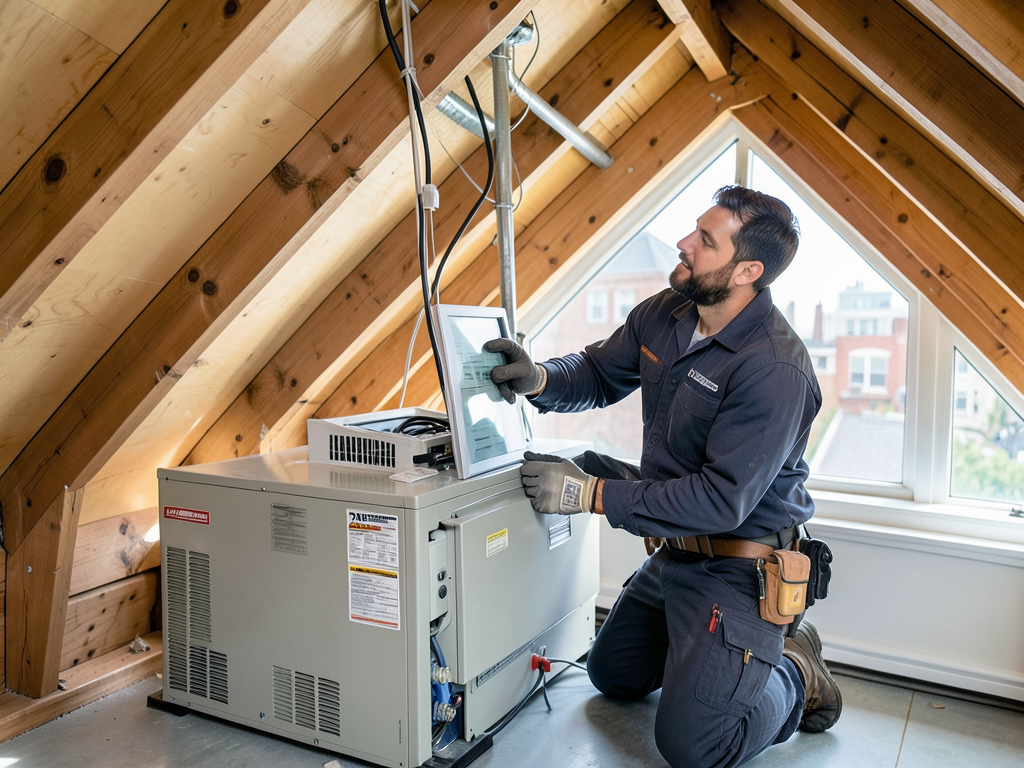
Heating and Cooling Solutions for Sunnyside Attic and Basement Conversions Converting your Sunnyside attic or basement into livable space requires…

Heating and Cooling Solutions for Sunnyside Attic and Basement Conversions

Heating and Cooling Solutions for Sunnyside Attic and Basement Conversions Converting your Sunnyside attic or basement into livable space requires…

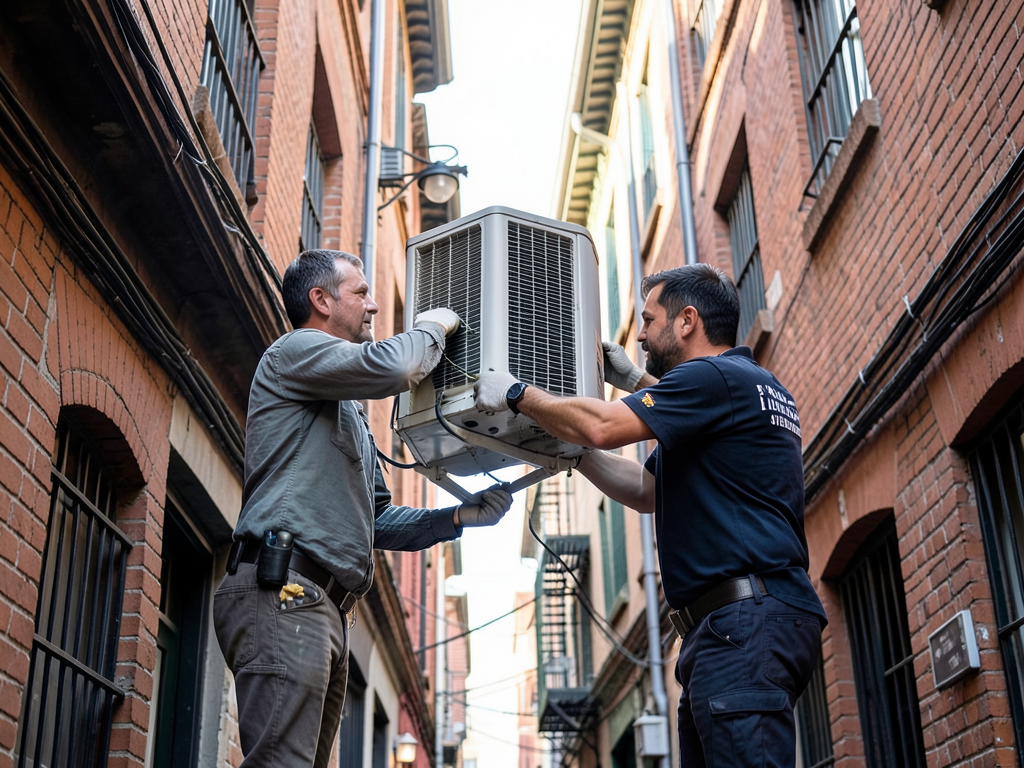
Pairing Your San Francisco Solar Panels with a High Efficiency Heat Pump

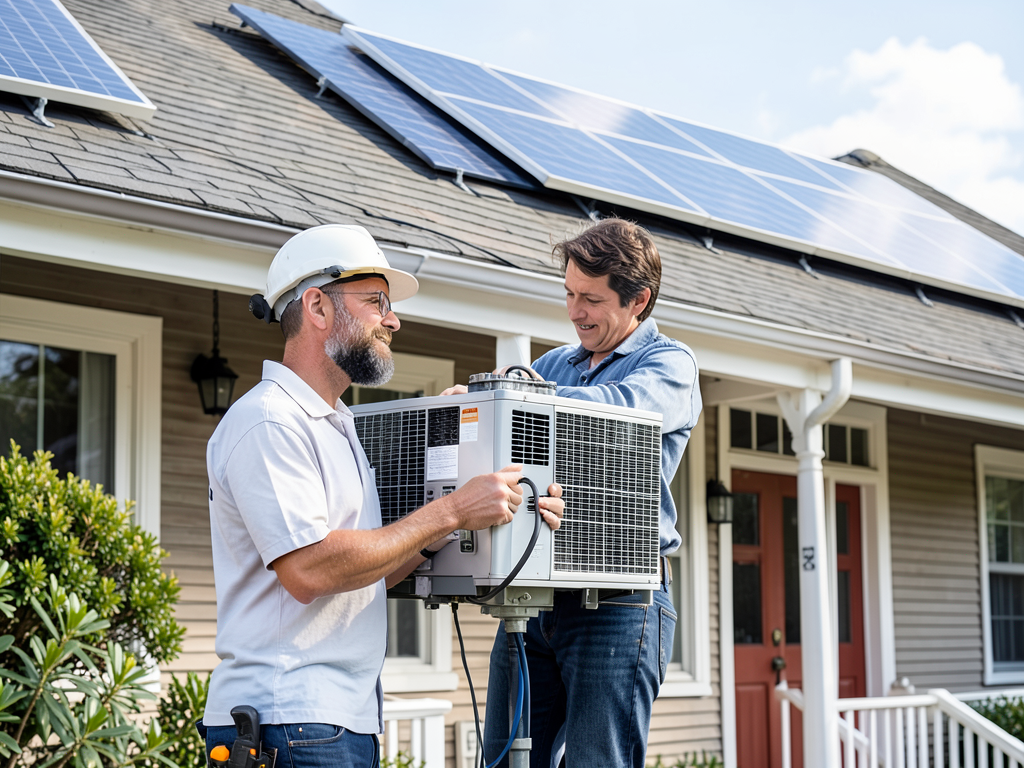
Pairing Your San Francisco Solar Panels with a High Efficiency Heat Pump If you have solar panels on your San…

Energy Efficient HVAC Upgrades for Small Businesses in Chinatown

Energy Efficient HVAC Upgrades for Small Businesses in Chinatown Small businesses in San Francisco's Chinatown face unique challenges when it…

Contact Us

Call Atlas HVAC San Francisco at (628) 201-6600 to schedule an on-site evaluation. We provide written quotes with equipment options, energy efficiency projections, and rebate information. Installation scheduling starts immediately after approval.