





Palo Alto sits in a unique microclimate where coastal fog meets inland heat. Summer temperatures spike to 85 degrees while mornings start at 55. Your AC runs hard from June through October, cycling on and off as fog burns away and heat builds. This constant cycling wears compressors, strains capacitors, and clogs condensate drains faster than systems in stable climates.
Winter brings its own challenge. Palo Alto rarely freezes, but damp 40-degree nights make homes feel colder than the thermostat reads. Furnaces that sit idle for eight months develop ignition problems, cracked heat exchangers, and blower motor issues right when you need heat most.
The local building stock adds complexity. Older Professorville and Crescent Park homes have original ductwork from the 1920s, undersized returns, and asbestos concerns. Newer developments near Stanford Research Park have high-efficiency systems that require specialized diagnostics. Green Street and University Avenue commercial buildings face constant tenant improvement work that disrupts airflow and throws systems out of balance. Every neighborhood presents different HVAC demands, and not every contractor knows how to handle them.
Atlas HVAC San Francisco has served the Peninsula for over a decade, building a reputation on fast response and honest diagnostics. We stock parts for every major brand on our trucks because waiting three days for a capacitor is unacceptable when your house hits 82 degrees. Our technicians receive ongoing factory training on Carrier, Trane, Lennox, and Rheem systems, so they troubleshoot problems other companies misdiagnose.
We answer our phone. When you call (628) 201-6600, you reach our dispatch team directly, not a call center in another state. We quote flat-rate pricing before we start work, so you know exactly what the repair costs before we touch a single bolt. No trip charges, no diagnostic fees that magically disappear into the final bill, no pressure to replace a system that just needs a $200 part.
Our approach is simple. Fix what's broken, explain why it broke, and show you how to prevent it next time. If your compressor failed because your outdoor coil hasn't been cleaned in five years, we tell you. If your furnace is short-cycling because someone installed the wrong size filter rack, we fix it and explain what happened. We treat your home like our own because half our business comes from referrals, and we plan to be here when your neighbor needs help next summer.
Palo Alto homeowners value expertise and straight talk. We deliver both, every call, every time.

Your AC fails when you need it most. We dispatch technicians to Palo Alto within two hours for emergency calls, arriving with diagnostic tools and common parts already on the truck. Most repairs finish the same day, restoring comfort before bedtime without the overnight misery.

We quote the complete repair cost before starting work. No hourly rates that climb while you watch, no surprise fees for weekend calls, no markup games on parts. You approve the price, we complete the repair, and the final bill matches the quote you received.
Our team completes manufacturer certification programs for every major brand. When your Trane condenser throws a fault code, we know what it means without guessing. This expertise cuts diagnostic time in half and prevents the parts-replacement gamble that costs you hundreds in unnecessary components.
We know the difference between a 1930s Professorville bungalow and a 2015 Green Street condo. Your home's age, construction type, and ductwork design change how we approach every repair. This local expertise means faster diagnosis and solutions that actually work in your specific home.
Atlas HVAC San Francisco handles everything from emergency AC repairs to complete system replacements across Palo Alto. We service residential systems in single-family homes, multi-unit properties, and light commercial buildings. Our technicians carry advanced diagnostic equipment that identifies problems other companies miss, from refrigerant leaks smaller than a pinhole to intermittent electrical faults that only appear under load.
We separate our services into three categories based on urgency and scope. Emergency repairs get you back online fast when something quits working. Maintenance and tune-ups prevent breakdowns before they happen, extending equipment life and cutting energy bills. System replacement becomes necessary when repair costs approach half the value of a new installation, and we walk you through that decision with transparent cost analysis and efficiency comparisons. Each service category requires different expertise, different parts inventory, and different time commitments. Understanding which service you need helps us dispatch the right technician with the right tools the first time.
When your system quits, we respond immediately. Our emergency repair service covers failed compressors, broken blower motors, refrigerant leaks, ignition failures, and electrical problems that stop your HVAC system completely. We stock common parts on every truck and maintain relationships with local suppliers for same-day access to specialty components. Most emergency calls resolve within three hours from first contact to restored comfort. We work nights, weekends, and holidays because HVAC emergencies don't wait for business hours.
Regular maintenance prevents most emergency repairs. Our tune-up service includes coil cleaning, refrigerant charge verification, electrical connection testing, condensate drain flushing, and blower wheel inspection. We catch small problems like failing capacitors or worn contactors before they destroy expensive compressors. Spring AC tune-ups prepare your system for summer heat, while fall furnace inspections ensure safe, efficient heating all winter. Maintained systems last five years longer than neglected equipment and use 15% less energy.
Old systems eventually cost more to repair than replace. Our replacement service includes load calculation to properly size your new system, ductwork modification when needed, and installation of high-efficiency equipment that cuts energy bills by 30%. We install Carrier, Trane, Lennox, and Rheem systems with manufacturer warranties up to 10 years. Every installation includes startup, airflow verification, and refrigerant charge testing. We pull permits, coordinate inspections, and ensure your new system meets California Title 24 energy codes.
Palo Alto's climate and housing create specific HVAC challenges. The temperature swing between foggy mornings and hot afternoons forces constant system cycling. Older homes have undersized ductwork and inadequate insulation. Newer homes have complex zoning systems and high-efficiency equipment that requires specialized knowledge to repair. Trees common to the area like redwoods and oaks drop debris that clogs outdoor units. Clay soil shifts foundations, which disconnects ductwork and creates air leaks that waste energy.
These problems show up as high energy bills, uneven heating or cooling, strange noises, and complete system failures at the worst possible time. Understanding what causes these issues helps you recognize problems early, before a small repair becomes an expensive replacement. We see the same patterns across Palo Alto neighborhoods, and most are preventable with proper maintenance and timely repairs.
Coastal humidity accelerates corrosion on aluminum coils, especially in outdoor condensers. Small leaks develop where coil tubes bend or connect to headers. Your system runs constantly but never reaches temperature. We locate leaks with electronic detectors, repair them properly with brazing, and recharge the system to factory specifications.
AC systems in humid climates produce gallons of condensation daily. Algae grows in drain lines and creates clogs that cause water damage to ceilings and walls. You notice water dripping from vents or pooling around your indoor unit. We clear drains with specialized tools and treat them with tablets that prevent future algae growth.
Many older Palo Alto homes have single return grilles that starve the system for air. Your AC freezes up, your furnace overheats, and rooms far from the thermostat never reach comfortable temperature. We measure airflow, identify restrictions, and add return ducts where needed to balance your system properly.
Temperature swings force your system to start and stop repeatedly. Each startup stresses the capacitor that powers your compressor and blower motor. Eventually it fails, and your system won't start at all. We test capacitors on every service call and replace weak ones before they fail completely, saving you from emergency calls.
We built our service process around what frustrated us most about other HVAC companies. You call, we answer. You get a clear time window for arrival, not an all-day wait. Our technician shows up in that window, diagnoses the problem completely, and explains what failed and why. You receive a flat-rate quote before any work starts. You approve it or decline it with zero pressure. If you approve, we fix it right then using parts already on the truck or sourced same-day from local suppliers.
We respect your home. Our technicians wear shoe covers, use drop cloths, and clean up completely when finished. We show you the failed part and explain how to prevent the same failure. You receive a detailed invoice that breaks down parts and labor separately. We guarantee our work for a full year, and we return immediately if something isn't right. This is how service should work, and it's how we've operated since day one.
When you call (628) 201-6600, you reach our dispatch team who schedules your appointment immediately. You receive a text when your technician is 30 minutes away. The technician calls from your driveway to confirm arrival. During diagnosis, they explain what they're checking and why. Before starting repairs, they walk you through the problem using the actual failed component, not vague descriptions. You know exactly what broke and what it costs to fix.
We quote complete repair cost after diagnosis, before we touch a single bolt. The quote includes parts, labor, disposal fees, and tax. No hourly rates, no trip charges, no diagnostic fees that disappear into the final bill. The price we quote is the price you pay, even if the repair takes longer than expected. You approve or decline with complete information and zero pressure tactics.
Every repair includes a one-year labor warranty and manufacturer parts warranty. We test the system completely before leaving to verify the repair solved the problem. You receive a follow-up call within 48 hours to confirm everything still works properly. If something isn't right, we return immediately at no additional charge. We stand behind our work because our reputation depends on your complete satisfaction.
HVAC repair shouldn't be complicated. We simplified our process to three clear steps that get your system running fast without confusion or surprise costs.
Call (628) 201-6600 or submit a request online. Our dispatch team gathers basic information about your problem and schedules a technician within your preferred time window. For emergencies, we dispatch immediately and arrive within two hours. You receive confirmation by text with your technician's name and estimated arrival time. No all-day waiting windows or vague scheduling.
Your technician arrives with diagnostic equipment and common parts already on the truck. They test your system completely, identify the failed component, and explain what happened in plain language. You receive a flat-rate quote that covers the complete repair. The technician answers all your questions and provides options when multiple solutions exist. You approve the work or decline with zero pressure.
Once you approve the quote, we complete the repair using quality parts and proper techniques. We test the system under full load to verify it works correctly. You receive the old part and a detailed explanation of what we did. We clean our work area completely and provide a written invoice. Your system is back online, usually within a few hours of our arrival.
Proper HVAC service requires knowledge of California Title 24 energy codes, EPA Section 608 refrigerant regulations, and manufacturer specifications that most homeowners never see. Atlas HVAC San Francisco maintains certifications and follows protocols that separate professional service from handyman guesswork.
Every AC system in California must comply with SEER efficiency minimums set by the California Energy Commission. As of 2023, new central air conditioners must meet 15 SEER for split systems and 14 SEER for packaged units. Heat pumps face similar requirements. When we replace systems, we pull permits through the City of Palo Alto and coordinate inspections to ensure legal compliance. Unpermitted work voids manufacturer warranties and creates liability issues when you sell your home.
Refrigerant handling follows strict EPA guidelines. Our technicians hold Universal 608 certification required by federal law to purchase, handle, and dispose of refrigerants. We recover old refrigerant instead of venting it to atmosphere, add precise amounts based on system specifications, and document all refrigerant work. California bans R-22 refrigerant in new equipment and limits its use in repairs. We help customers transition to R-410A systems when R-22 repairs become cost-prohibitive.
Duct sealing and insulation follow California mechanical code requirements. We test duct leakage using calibrated equipment and seal connections with mastic, not cloth tape that fails within months. Properly sealed ductwork improves efficiency by 20% and prevents the negative pressure that pulls attic air into your home. We insulate ducts in unconditioned spaces to R-6 minimum, preventing condensation and energy loss. These details matter because they directly impact comfort, energy bills, and system longevity.
All HVAC installations in California must meet Title 24 energy efficiency standards. We perform load calculations using Manual J methodology, size equipment properly, test duct leakage, verify refrigerant charge, and document everything for permit approval. Compliance protects your warranty and ensures legal installation that passes city inspection.
Repair costs depend on which component failed and how difficult it is to access. Compressor replacement costs more than capacitor replacement because compressors are expensive and require refrigerant recovery, brazing, evacuation, and recharging. Labor time varies based on equipment location and age. We quote flat-rate prices that account for these variables.
Most repairs complete within three hours from arrival to testing. Simple fixes like capacitor replacement take 30 minutes. Complex repairs like evaporator coil replacement take four to six hours. System replacements require one to two days depending on ductwork modifications and permit requirements. We provide accurate time estimates during the quoting process.
EPA regulations require certified technicians to handle all refrigerant work. We recover old refrigerant using approved equipment, evacuate systems to remove moisture and air, and charge systems by weight according to manufacturer specifications. Improper refrigerant charge reduces efficiency by 20% and destroys compressors. We do it right every time.
Expert guide to HVAC repair in Palo Alto covering common problems like refrigerant leaks, condensate drain clogs, and failed capacitors caused by local climate conditions. Learn about Title 24 compliance, refrigerant regulations, and proper duct sealing standards. Understand why Palo Alto's microclimate and diverse housing stock create unique air conditioning and heating challenges requiring specialized knowledge and immediate response.
Atlas HVAC San Francisco serves the entire Palo Alto community from Old Palo Alto to Charleston Meadows and everywhere between. We know the unique characteristics of each neighborhood because we've worked in these homes for years. Professorville's historic craftsman bungalows present different challenges than the modern developments near Stanford Research Park. Crescent Park homes built in the 1950s have original ductwork that needs updating, while Barron Park properties often feature additions that created zoning nightmares.
Our service area extends throughout the greater Palo Alto region. We regularly work in College Terrace near Stanford University, where student housing and faculty residences require fast response during academic breaks. South Palo Alto neighborhoods along East Meadow Drive and Embarcadero Road call us for both residential and small commercial HVAC needs. We serve homes in Midtown between Oregon Expressway and Embarcadero, an area with mixed housing stock from 1940s ranches to modern rebuilds.
North of Oregon Expressway, we maintain systems in Evergreen Park and University South, where lot sizes shrink and homes sit closer together. These neighborhoods often have shared property lines that make outdoor unit placement tricky. We solve access problems other contractors walk away from. Ventura and Green Acres developments near Foothill Expressway have larger lots with complex zoning systems that require expertise most techs don't have.
We also serve adjacent communities including Menlo Park, Los Altos, and Mountain View. Our response time stays under two hours even during peak demand because we station technicians strategically across the Peninsula. Whether you're near the Baylands Nature Preserve dealing with humidity issues or up against the foothills in Los Altos Hills fighting temperature extremes, we understand the microclimates that affect your HVAC performance. Geography matters in HVAC service, and we know this region better than anyone.
The $5000 rule helps you decide between repair or replacement. If your HVAC system repair cost multiplied by the age of your unit exceeds $5000, replacement makes more financial sense. For example, a $400 repair on a 15-year-old system equals $6000, signaling replacement time. In Palo Alto, where mild coastal temperatures put less strain on systems, units often last longer than the national average. However, older systems waste energy and drive up utility costs. Consider replacement if your unit struggles to maintain comfortable temperatures or your energy bills keep climbing despite regular maintenance.
New HVAC system costs vary based on home size, efficiency rating, and installation complexity. Most Palo Alto homeowners invest between several thousand and mid-range dollars for complete system replacement. Your specific cost depends on factors like ductwork condition, unit type (split system versus packaged unit), and SEER rating. Palo Alto's moderate climate lets you choose moderately efficient systems without extreme heating or cooling demands. Older homes near University Avenue or downtown often need ductwork modifications, which increases installation costs. Get multiple detailed estimates that break down equipment, labor, and permit fees.
HVAC installers in Palo Alto typically charge hourly rates that reflect the Bay Area's higher cost of living and skilled labor shortage. Rates vary based on job complexity, certification level, and whether you need emergency service. Standard installation work costs less per hour than emergency repairs at 2 AM. Many contractors quote flat rates for installations rather than hourly pricing, which protects you from unexpected overages. Always verify the quote includes permits, disposal of old equipment, and startup testing. Expect higher rates near Stanford University and downtown Palo Alto where parking and access create logistical challenges.
The $5000 rule helps you decide between repair or replacement. If your HVAC system repair cost multiplied by the age of your unit exceeds $5000, replacement makes more financial sense. For example, a $400 repair on a 15-year-old system equals $6000, signaling replacement time. In Palo Alto, where mild coastal temperatures put less strain on systems, units often last longer than the national average. However, older systems waste energy and drive up utility costs. Consider replacement if your unit struggles to maintain comfortable temperatures or your energy bills keep climbing despite regular maintenance.
New HVAC system costs vary based on home size, efficiency rating, and installation complexity. Most Palo Alto homeowners invest between several thousand and mid-range dollars for complete system replacement. Your specific cost depends on factors like ductwork condition, unit type (split system versus packaged unit), and SEER rating. Palo Alto's moderate climate lets you choose moderately efficient systems without extreme heating or cooling demands. Older homes near University Avenue or downtown often need ductwork modifications, which increases installation costs. Get multiple detailed estimates that break down equipment, labor, and permit fees.
HVAC installers in Palo Alto typically charge hourly rates that reflect the Bay Area's higher cost of living and skilled labor shortage. Rates vary based on job complexity, certification level, and whether you need emergency service. Standard installation work costs less per hour than emergency repairs at 2 AM. Many contractors quote flat rates for installations rather than hourly pricing, which protects you from unexpected overages. Always verify the quote includes permits, disposal of old equipment, and startup testing. Expect higher rates near Stanford University and downtown Palo Alto where parking and access create logistical challenges.
HVAC design engineers and commercial project managers earn the highest salaries in the field. These roles require advanced certifications, engineering degrees, and years of field experience. Design engineers create systems for large commercial buildings and industrial facilities. In Palo Alto's tech corridor, commercial HVAC specialists working on data centers and cleanroom environments command premium rates due to precision requirements. Service managers overseeing multiple technicians also earn top compensation. Field technicians increase earnings through specialized certifications in areas like refrigeration, controls programming, or energy auditing. Master HVAC technicians with business ownership potential maximize income.
A 4000 square foot home needs a substantial HVAC system, often requiring multiple zones for efficient temperature control. Costs depend on your home's insulation quality, ceiling height, window efficiency, and layout. Many larger Palo Alto homes in neighborhoods like Old Palo Alto or Professorville feature multi-story designs that need zoned systems. You might need two separate units or one large system with zone dampers. Ductwork design becomes critical in larger homes to ensure even airflow. Factor in installation complexity, especially if your home has vaulted ceilings or requires duct modifications.
The 2 foot rule requires maintaining two feet of clearance around outdoor HVAC condenser units. This space ensures proper airflow, prevents debris accumulation, and allows technician access for maintenance. In Palo Alto's compact yards, especially near downtown or College Terrace, property owners sometimes crowd condensers with landscaping or storage items. Blocked airflow forces your system to work harder, reducing efficiency and shortening equipment life. Keep plants, fences, and outdoor furniture away from all sides of the unit. Clear fallen leaves and trim back vegetation regularly. Adequate clearance prevents overheating and maintains warranty coverage.
For a 2000 square foot home in 2025, expect system costs to vary based on efficiency ratings and installation requirements. Palo Alto's mild Mediterranean climate means you can select moderately efficient systems without the extreme cooling capacity needed in hotter regions. Your home's age affects total costs. Newer homes in developments near Mitchell Park often have existing ductwork in good condition. Older Craftsman homes near University Avenue may need duct sealing or replacement, adding to overall investment. Get detailed estimates covering equipment, installation labor, permits, thermostat upgrades, and old equipment removal.
HVAC systems last 15 to 20 years with proper maintenance. In Palo Alto's moderate climate, systems often reach the higher end of this range because they face less extreme temperature stress than units in scorching or freezing climates. Your system's lifespan depends on installation quality, maintenance frequency, and usage patterns. Homes with programmable thermostats and regular filter changes extend equipment life. Coastal moisture near Baylands can accelerate component corrosion if units lack proper protection. Schedule annual maintenance to catch minor issues before they become major failures. Replace aging systems before they fail completely.
Fall and spring offer the best timing for HVAC purchases. Contractors face lower demand between peak cooling and heating seasons, creating room for negotiation. In Palo Alto, October through early November works well because you avoid summer's AC emergency rush and winter's furnace panic. Manufacturers often release new models in spring, making prior-year inventory available at reduced prices. You also get faster installation scheduling during shoulder seasons. Avoid buying during heat waves or cold snaps when demand spikes and contractors prioritize emergency repairs over new installations. Plan ahead before your current system fails completely.
The 3 minute rule prevents compressor damage by requiring at least three minutes between AC shutdown and restart. When your system cycles off, refrigerant pressure needs time to equalize throughout the system. Restarting too quickly forces the compressor to work against high pressure, causing mechanical stress and potential failure. Modern thermostats include built-in delay timers to protect equipment. Never manually override this safety feature. In Palo Alto's mild climate, your AC should not short-cycle frequently. If your system starts and stops every few minutes, you have an underlying problem requiring professional diagnosis.
HVAC design engineers and commercial project managers earn the highest salaries in the field. These roles require advanced certifications, engineering degrees, and years of field experience. Design engineers create systems for large commercial buildings and industrial facilities. In Palo Alto's tech corridor, commercial HVAC specialists working on data centers and cleanroom environments command premium rates due to precision requirements. Service managers overseeing multiple technicians also earn top compensation. Field technicians increase earnings through specialized certifications in areas like refrigeration, controls programming, or energy auditing. Master HVAC technicians with business ownership potential maximize income.
A 4000 square foot home needs a substantial HVAC system, often requiring multiple zones for efficient temperature control. Costs depend on your home's insulation quality, ceiling height, window efficiency, and layout. Many larger Palo Alto homes in neighborhoods like Old Palo Alto or Professorville feature multi-story designs that need zoned systems. You might need two separate units or one large system with zone dampers. Ductwork design becomes critical in larger homes to ensure even airflow. Factor in installation complexity, especially if your home has vaulted ceilings or requires duct modifications.
The 2 foot rule requires maintaining two feet of clearance around outdoor HVAC condenser units. This space ensures proper airflow, prevents debris accumulation, and allows technician access for maintenance. In Palo Alto's compact yards, especially near downtown or College Terrace, property owners sometimes crowd condensers with landscaping or storage items. Blocked airflow forces your system to work harder, reducing efficiency and shortening equipment life. Keep plants, fences, and outdoor furniture away from all sides of the unit. Clear fallen leaves and trim back vegetation regularly. Adequate clearance prevents overheating and maintains warranty coverage.
For a 2000 square foot home in 2025, expect system costs to vary based on efficiency ratings and installation requirements. Palo Alto's mild Mediterranean climate means you can select moderately efficient systems without the extreme cooling capacity needed in hotter regions. Your home's age affects total costs. Newer homes in developments near Mitchell Park often have existing ductwork in good condition. Older Craftsman homes near University Avenue may need duct sealing or replacement, adding to overall investment. Get detailed estimates covering equipment, installation labor, permits, thermostat upgrades, and old equipment removal.
HVAC systems last 15 to 20 years with proper maintenance. In Palo Alto's moderate climate, systems often reach the higher end of this range because they face less extreme temperature stress than units in scorching or freezing climates. Your system's lifespan depends on installation quality, maintenance frequency, and usage patterns. Homes with programmable thermostats and regular filter changes extend equipment life. Coastal moisture near Baylands can accelerate component corrosion if units lack proper protection. Schedule annual maintenance to catch minor issues before they become major failures. Replace aging systems before they fail completely.
Fall and spring offer the best timing for HVAC purchases. Contractors face lower demand between peak cooling and heating seasons, creating room for negotiation. In Palo Alto, October through early November works well because you avoid summer's AC emergency rush and winter's furnace panic. Manufacturers often release new models in spring, making prior-year inventory available at reduced prices. You also get faster installation scheduling during shoulder seasons. Avoid buying during heat waves or cold snaps when demand spikes and contractors prioritize emergency repairs over new installations. Plan ahead before your current system fails completely.
The 3 minute rule prevents compressor damage by requiring at least three minutes between AC shutdown and restart. When your system cycles off, refrigerant pressure needs time to equalize throughout the system. Restarting too quickly forces the compressor to work against high pressure, causing mechanical stress and potential failure. Modern thermostats include built-in delay timers to protect equipment. Never manually override this safety feature. In Palo Alto's mild climate, your AC should not short-cycle frequently. If your system starts and stops every few minutes, you have an underlying problem requiring professional diagnosis.
While we provide mobile service across the entire San Francisco area, you can locate our main office and service dispatch hub on the map below. We are proud to serve all neighborhoods, from the Financial District to the Sunset and Richmond areas, ensuring swift response times for all your heating and cooling needs. Feel free to stop by our location or easily invite our professional team to your residential or commercial property for a consultation.
Address:
Palo Alto, CA, 94306
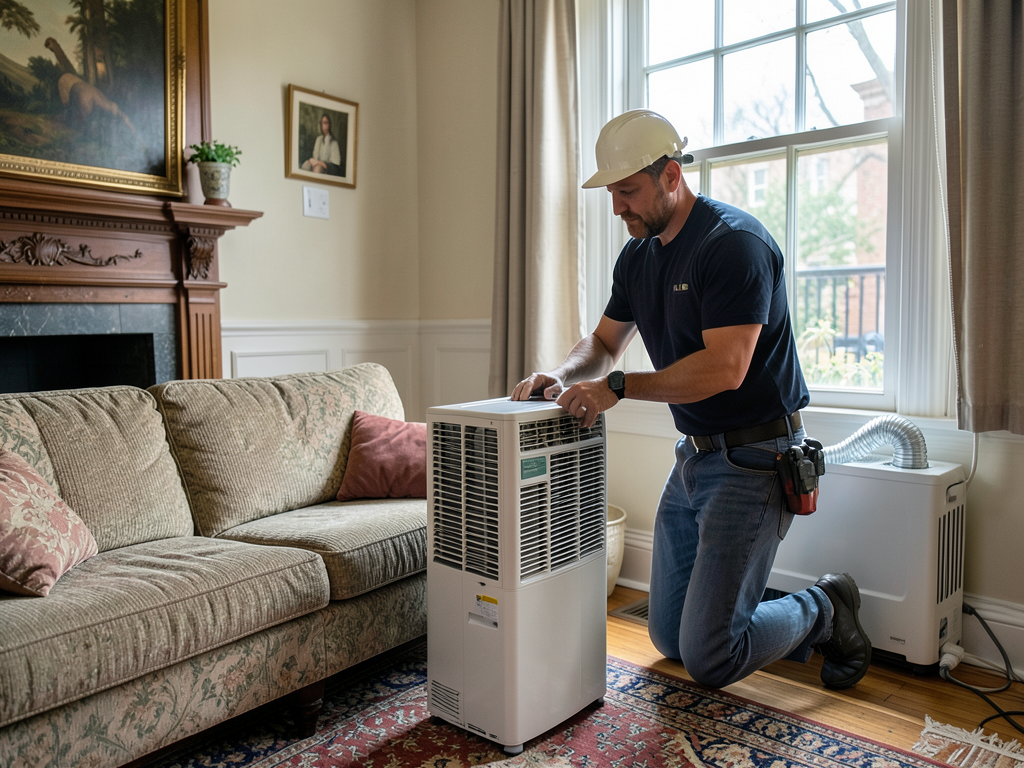
Non-Permanent Cooling Solutions for Renters in the Lower Haight Living in a classic Lower Haight Victorian or Edwardian apartment means dealing with beautiful architecture but often outdated cooling systems. Most renters face the same dilemma:…
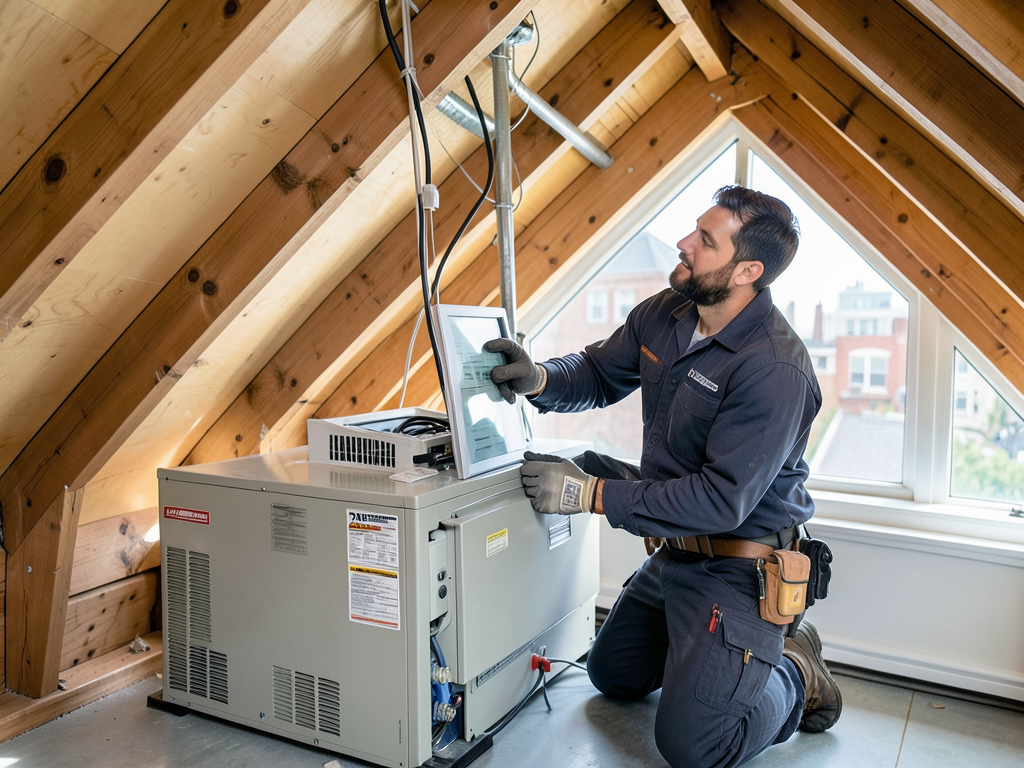
Heating and Cooling Solutions for Sunnyside Attic and Basement Conversions Converting your Sunnyside attic or…
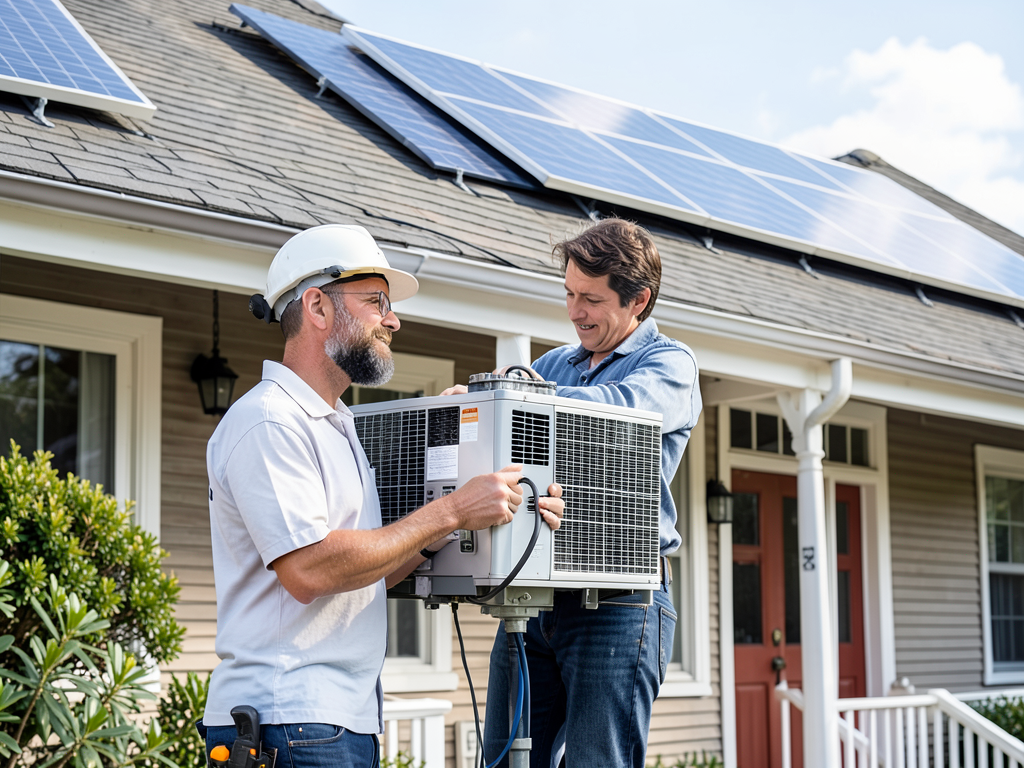
Pairing Your San Francisco Solar Panels with a High Efficiency Heat Pump If you have…
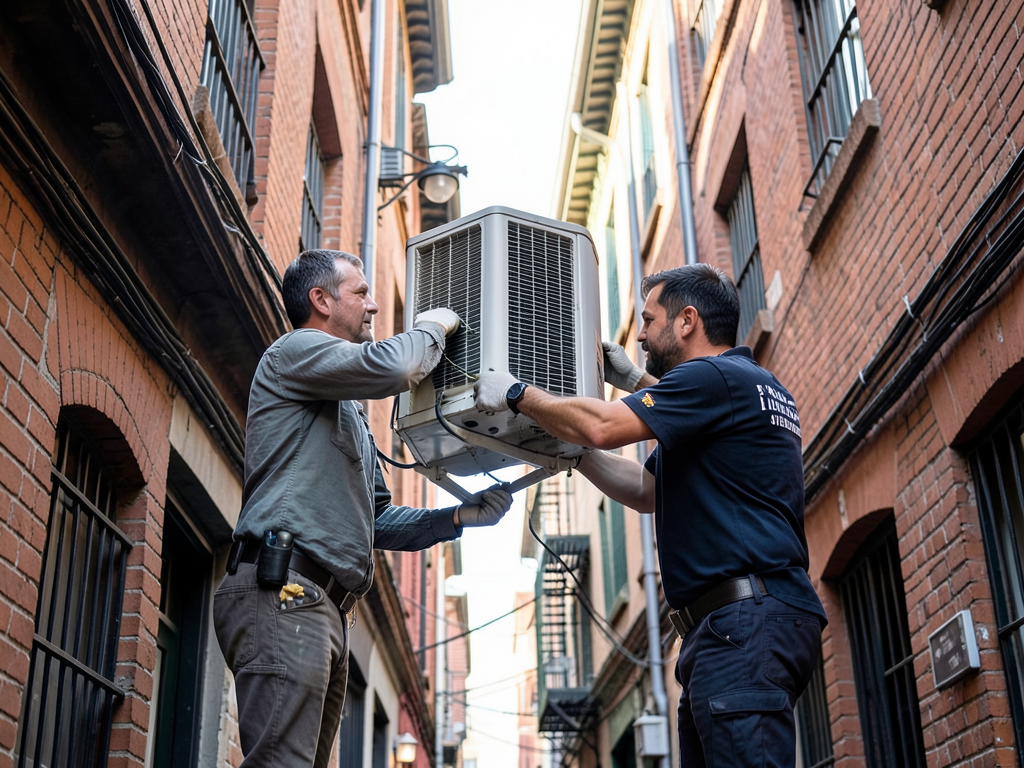
Energy Efficient HVAC Upgrades for Small Businesses in Chinatown Small businesses in San Francisco's Chinatown…
Your comfort can't wait. Call Atlas HVAC San Francisco now at (628) 201-6600 for same-day service in Palo Alto. Our technicians are ready to diagnose your problem and fix it right the first time with transparent pricing and expert service.