




menu

Server Room Cooling Solutions in San Francisco – Zero-Downtime Climate Control for Mission-Critical IT Infrastructure

Advanced precision cooling systems and computer room air conditioning engineered to eliminate thermal failures, protect uptime, and maintain optimal server performance across Bay Area data centers and IT facilities.

Slider Image 1
Slider Image 2
Slider Image 3
Slider Image 4
Slider Image 5
Slider Image 7
Slider Image 8
Slider Image 9
Slider Image 10
Slider Image 11

Why San Francisco Server Rooms Face Unique Thermal Management Challenges

San Francisco's microclimates create unpredictable cooling demands that standard HVAC cannot handle. Your server room in the Financial District faces different thermal loads than a facility in the Sunset District. Coastal fog creates humidity swings that condense on cold surfaces. Marine air corrodes equipment faster. Buildings constructed before 2010 lack the electrical infrastructure for modern rack densities.

Your servers generate consistent heat regardless of outdoor conditions. A single rack can produce 10,000 BTUs per hour. When your building HVAC cycles off at night, server room temperatures climb. When exterior temperatures drop suddenly during fog events, humidity spikes. Standard comfort cooling systems cannot respond fast enough to protect sensitive IT equipment.

Power-dense virtualization has changed the game. What once required five racks now fits in one. Heat concentrations create hotspots that general air conditioning cannot address. A failed compressor on a standard rooftop unit means your server room loses cooling capacity completely. Your business cannot afford the risk.

Precision cooling systems deliver what server rooms need: 24/7 operation, humidity control between 40 and 55 percent, temperature stability within two degrees, and redundancy that prevents single points of failure. Computer room air conditioning units monitor and adjust conditions continuously. Data center cooling units provide backup capacity when primary systems need service. Server rack cooling systems address hotspots directly at the source.

San Francisco's seismic requirements add complexity. Equipment must meet Title 24 and California Building Code anchoring standards. Not every HVAC contractor understands the difference between comfort cooling and mission-critical infrastructure.

Why San Francisco Server Rooms Face Unique Thermal Management Challenges
How Professional Server Room Cooling Design Prevents Thermal Failures

How Professional Server Room Cooling Design Prevents Thermal Failures

Effective server room air conditioning starts with load calculation, not equipment selection. We measure actual heat output from your IT equipment using thermal imaging and power monitoring. A nameplate rating tells you what a server could consume. Real-world monitoring shows you what it actually draws. The difference affects sizing decisions and prevents over-cooling that wastes energy and creates humidity problems.

Airflow management comes next. Hot aisle/cold aisle configuration ensures conditioned air reaches intake vents without mixing with exhaust. Blanking panels prevent recirculation. Containment systems create pressure differentials that force air through equipment rather than around it. These mechanical interventions reduce cooling requirements by 20 to 30 percent compared to unmanaged environments.

Precision cooling systems use different refrigeration cycles than comfort HVAC. Standard air conditioning prioritizes humidity removal. Computer room air conditioning prioritizes sensible cooling with minimal dehumidification. The evaporator coil operates at higher temperatures to prevent moisture extraction. Reheat is eliminated. Energy efficiency improves while maintaining the narrow humidity band IT equipment requires.

Redundancy architecture determines uptime capability. N+1 configuration provides one backup unit for every primary system. 2N doubles all infrastructure components. We design based on your business continuity requirements, not arbitrary rules. A law firm backing up to cloud storage has different needs than a financial services company running high-frequency trading systems.

Monitoring integration connects precision cooling to your building management system. Temperature sensors at rack level trigger alarms before problems escalate. Humidity monitors detect moisture intrusion from plumbing leaks or envelope failures. Remote access lets you verify conditions from anywhere. Data logging proves environmental compliance for audits and insurance requirements.

What Happens During Server Room Cooling Installation

Server Room Cooling Solutions in San Francisco – Zero-Downtime Climate Control for Mission-Critical IT Infrastructure
01

Thermal Assessment and Load Analysis

We document existing conditions using thermal cameras, power meters, and airflow measurement tools. Every piece of IT equipment gets inventoried. We calculate actual heat loads, identify hotspots, and map airflow patterns. This data determines whether you need supplemental cooling, complete replacement, or airflow optimization. The assessment typically takes two to four hours depending on facility size and equipment density.
02

System Design and Infrastructure Planning

Engineers create mechanical drawings showing equipment placement, ductwork routing, condensate drainage, and electrical requirements. We verify structural capacity for equipment weight and seismic bracing. Refrigerant piping gets sized for efficiency and future expansion. Control sequences get programmed for your specific redundancy requirements. You receive detailed specifications before any equipment gets ordered. Most designs require one to two weeks for completion and approval.
03

Installation and Commissioning Verification

Certified technicians install equipment during scheduled maintenance windows to avoid business disruption. We pressure-test refrigerant lines, verify electrical connections, calibrate sensors, and program control sequences. Commissioning includes 72-hour runtime monitoring to confirm temperature stability, humidity control, and alarm functionality. You receive complete documentation including operating manuals, maintenance schedules, and emergency contact procedures. System monitoring continues remotely for the first 30 days.

Why San Francisco Businesses Choose Atlas HVAC for Mission-Critical Cooling

Server room failures happen at the worst possible times. You need a contractor who responds immediately, not one that schedules you for next week. Atlas HVAC maintains emergency inventory specifically for precision cooling repairs. When a compressor fails or a control board shorts, we have the parts on hand. Your competitors using residential HVAC contractors wait days for special orders.

San Francisco's Title 24 energy code requires specific efficiency standards for data center cooling. Non-compliance creates permit problems during tenant improvements or building sales. We design systems that meet current code and anticipate future requirements. Our engineers hold California certification and understand the difference between prescriptive and performance compliance paths. You avoid costly redesigns during plan check.

Seismic bracing requirements catch unprepared contractors off guard. Equipment must withstand lateral forces specified in ASCE 7. Vibration isolation cannot compromise seismic restraint. We engineer and install bracing systems that pass inspection the first time. No delays, no resubmittals, no arguments with building officials.

Financial District buildings have limited roof access and tight mechanical spaces. We specialize in retrofit installations where conventional equipment will not fit. Modular systems, split configurations, and vertical orientations solve space constraints other contractors cannot address. Twenty years working in San Francisco's commercial building stock means we have seen every configuration and solved every access challenge.

Your IT infrastructure deserves the same attention you give to cybersecurity and data backup. Precision cooling is not an area to save money through competitive bidding. The lowest quote typically comes from a contractor who does not understand the application. We provide transparent pricing based on actual requirements, not inflated margins or cut-rate shortcuts. You get systems engineered for reliability, not just installed to minimum bid specifications.

What to Expect When You Work With Us

Rapid Response for Critical Failures

Server room emergencies get priority dispatch within two hours. We maintain on-call technicians specifically trained in precision cooling systems and data center cooling units. Most cooling failures stem from predictable causes: clogged filters, refrigerant leaks, failed capacitors, or control board failures. Our trucks stock these components. We arrive prepared to diagnose and repair, not just assess and quote. For catastrophic failures requiring equipment replacement, we provide temporary cooling solutions while permanent systems get installed. Your servers stay protected.

Comprehensive Site Evaluation

Initial assessments include thermal imaging, power analysis, and airflow testing. We identify problems your current contractor missed: undersized return air, blocked vents, leaking containment, or incorrect sensor placement. You receive a written report with thermal images, data logs, and specific recommendations. No vague suggestions or sales pressure. Every recommendation includes technical justification and ROI calculation. The evaluation typically requires two to four hours of on-site work plus engineering analysis. You get actionable intelligence, not generic proposals.

Documented Performance Verification

Every installation includes commissioning reports with temperature maps, humidity logs, and airflow measurements. We document baseline performance so you can verify continued operation over time. Thermal imaging shows temperature distribution across racks before and after optimization. You receive digital copies of all documentation for insurance requirements, compliance audits, or future expansion planning. Systems get tested under full load conditions, not just startup scenarios. If performance does not meet specifications, we correct deficiencies before final payment.

Proactive Maintenance Programs

Precision cooling systems require different maintenance than comfort HVAC. Filters need monthly inspection under high-density conditions. Refrigerant levels require annual verification. Control calibration prevents drift that degrades performance. Our maintenance agreements include quarterly inspections, priority emergency response, and discounted repair rates. We track equipment runtime, cycle counts, and performance trends to predict failures before they occur. You receive maintenance reports after every visit documenting conditions and recommendations. Scheduled service happens during your preferred maintenance windows to avoid business disruption.

Frequently Asked Questions

You Have Questions,
We Have Answers

How San Francisco's Coastal Climate and Building Stock Create Server Room Risks

Fog carries salt that accelerates corrosion on condenser coils and electrical connections. Coastal humidity fluctuates 30 percent or more between morning fog and afternoon sun. Buildings in the Financial District, South of Market, and Mission Bay face particularly aggressive conditions. Older buildings lack vapor barriers and sealed envelopes. Moisture infiltrates through single-pane windows and uninsulated walls. Standard comfort cooling cannot maintain the stable conditions precision equipment requires. Server rack cooling systems must compensate for environmental factors that inland facilities never encounter.

San Francisco's construction timeline matters. Buildings erected before seismic retrofitting requirements lack the structural provisions modern precision cooling demands. Electrical systems designed for 1990s office loads cannot support current server densities. We work extensively with historic buildings downtown where adding capacity requires creative engineering and careful permitting. Local expertise means understanding which approaches building officials will approve and which create permit delays. Twenty years installing server room air conditioning across San Francisco gives us relationships and knowledge that outside contractors cannot replicate.
HVAC Services in The San Francisco Area

While we provide mobile service across the entire San Francisco area, you can locate our main office and service dispatch hub on the map below. We are proud to serve all neighborhoods, from the Financial District to the Sunset and Richmond areas, ensuring swift response times for all your heating and cooling needs. Feel free to stop by our location or easily invite our professional team to your residential or commercial property for a consultation.

Address:
Atlas HVAC San Francisco, 1390 Market St, San Francisco, CA, 94102

Additional Services We Offer

Our news updates

Latest Articles & News from The Blogs

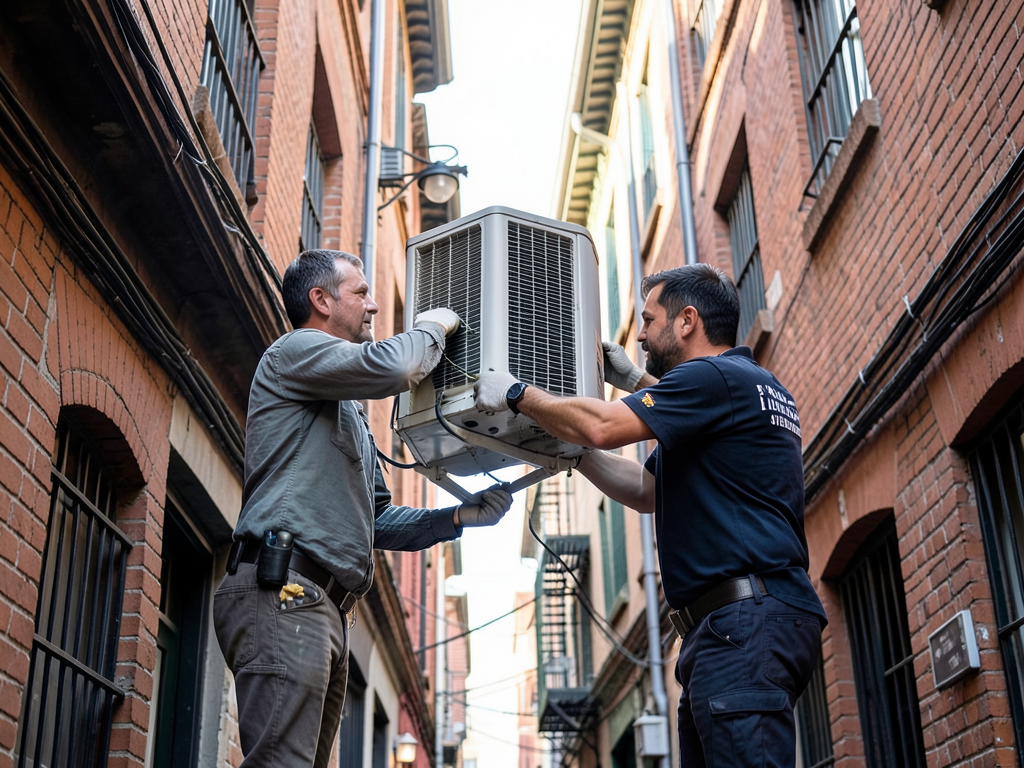
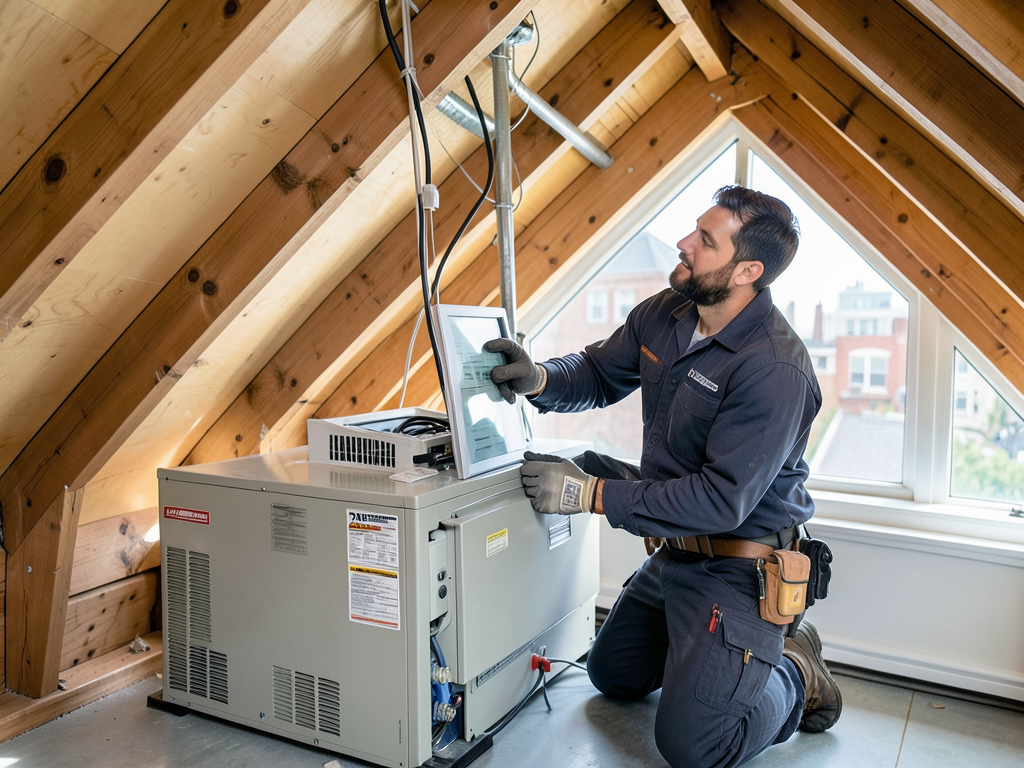
Heating and Cooling Solutions for Sunnyside Attic and Basement Conversions Converting your Sunnyside attic or basement into livable space requires…

Heating and Cooling Solutions for Sunnyside Attic and Basement Conversions

Heating and Cooling Solutions for Sunnyside Attic and Basement Conversions Converting your Sunnyside attic or basement into livable space requires…

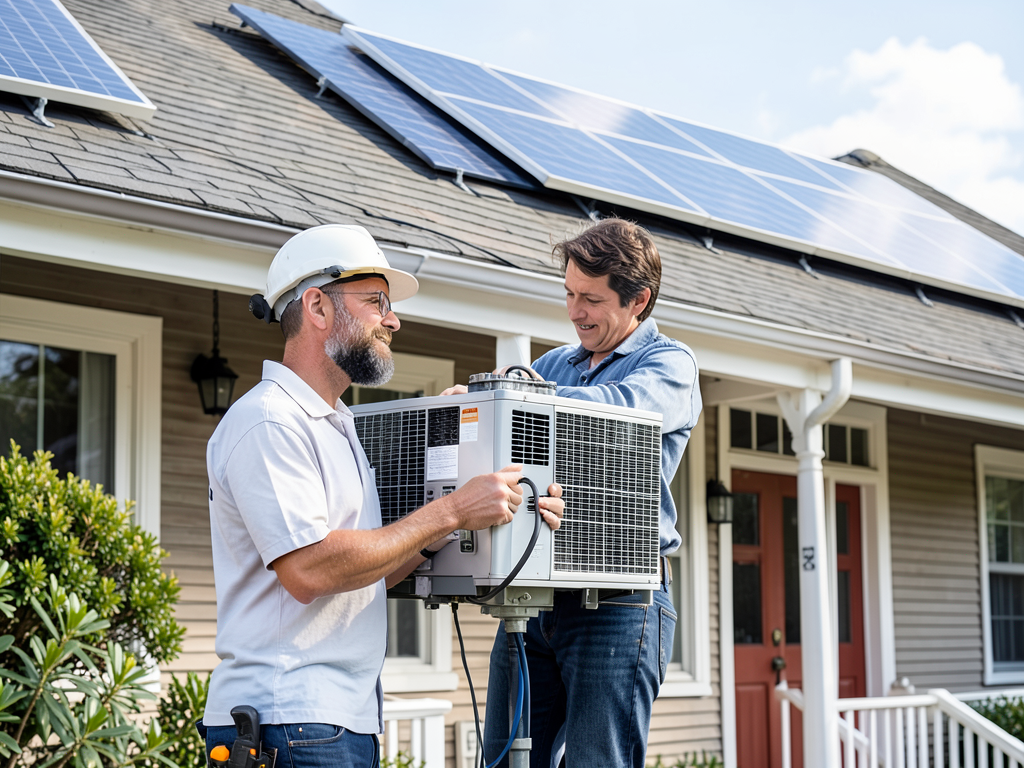
Pairing Your San Francisco Solar Panels with a High Efficiency Heat Pump

Pairing Your San Francisco Solar Panels with a High Efficiency Heat Pump If you have solar panels on your San…

Energy Efficient HVAC Upgrades for Small Businesses in Chinatown

Energy Efficient HVAC Upgrades for Small Businesses in Chinatown Small businesses in San Francisco's Chinatown face unique challenges when it…

Contact Us

Thermal failures destroy data and halt operations. Get an expert assessment before problems escalate. Call Atlas HVAC at (628) 201-6600 for same-day evaluation of your server room cooling needs. We provide transparent recommendations based on your actual requirements, not sales quotas.