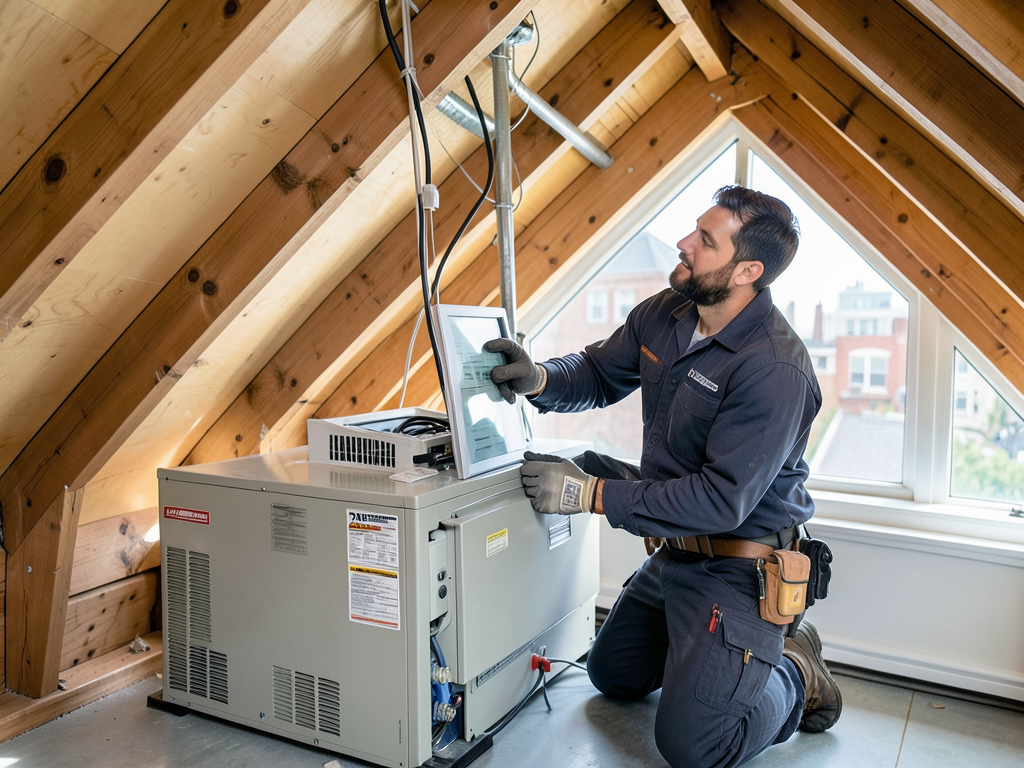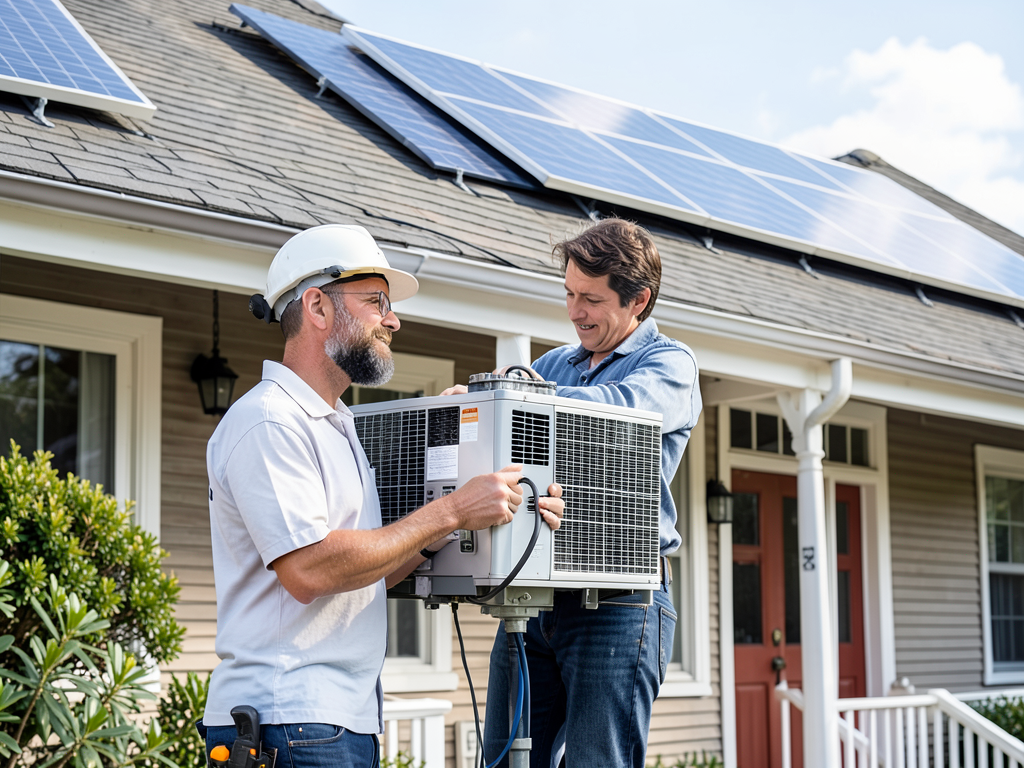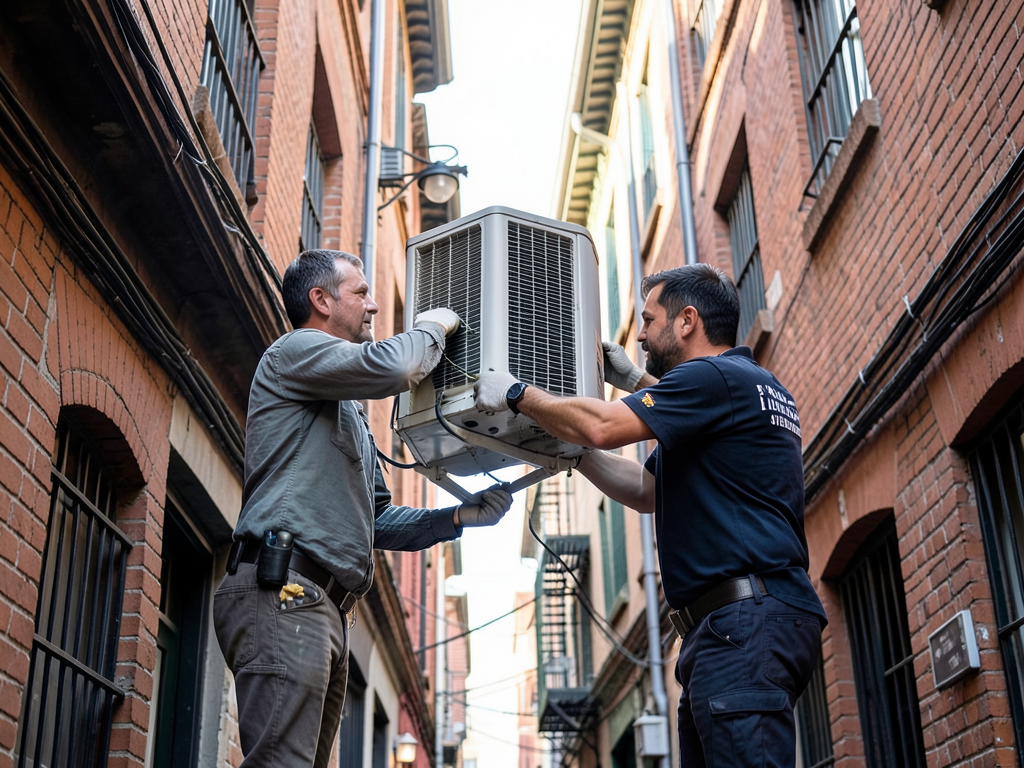







San Francisco's coastal location creates constant moisture exposure that accelerates corrosion in furnace components. Salt air from the Pacific affects outdoor HVAC equipment and vent terminations. Condensation forms inside furnace cabinets and ductwork due to temperature differentials between cold outdoor air and warm interior spaces. This moisture corrodes electrical connections, rusts burner assemblies, and promotes mold growth in ductwork. High-efficiency condensing furnaces are especially vulnerable because they produce acidic condensate that can freeze in drain lines during cold nights, shutting down the entire system. Emergency heating failures in San Francisco often trace back to moisture-related component degradation that happens faster here than in drier climates.
San Francisco Department of Building Inspection enforces strict mechanical code requirements for gas appliance installation and repair. Emergency heating repairs must comply with current venting standards, combustion air requirements, and earthquake safety provisions. Technicians working in San Francisco need up-to-date knowledge of local permit requirements and inspection procedures. We maintain relationships with local inspectors and stay current on code changes that affect heating system repairs. When you choose a local HVAC company for emergency service, you get technicians who understand San Francisco-specific regulations and can complete repairs that pass inspection the first time.