




menu

AC Blowing Warm Air in San Francisco – Expert Diagnosis and Same-Day Repair

When your air conditioner is running but not cooling, our San Francisco technicians pinpoint the exact cause and restore cold airflow fast, so you stay comfortable through microclimates and fog-free afternoons.

Slider Image 1
Slider Image 2
Slider Image 3
Slider Image 4
Slider Image 5
Slider Image 7
Slider Image 8
Slider Image 9
Slider Image 10
Slider Image 11

Why Your AC Vents Are Blowing Hot Air in San Francisco

You flip the thermostat down, the compressor kicks on, but the air conditioning is not blowing cold air. Instead, warm air pours from the vents. This is not a minor annoyance. It signals a breakdown in the refrigeration cycle, airflow system, or control logic.

San Francisco's microclimates create unique strain on HVAC systems. Homes in the Mission, Nob Hill, or the Sunset District experience wildly different cooling demands throughout the day. When the fog burns off and temperatures spike into the 70s and 80s, systems that sat idle all morning suddenly work overtime. If your central air is blowing warm air during these temperature swings, the issue is often a refrigerant leak, a failed compressor, or a clogged evaporator coil that froze during the cool morning hours and then dumped water into the drain pan.

You might hear the outdoor condenser humming. You might feel weak airflow. But if your air conditioner is blowing hot air instead of cold, something in the heat exchange process has failed. Refrigerant does not just disappear. Compressors do not fail without warning signs. The problem started weeks ago, but the symptoms only became obvious when you needed cooling the most.

This is not the time to wait and hope the system fixes itself. Warm air from AC vents means the compressor is running without doing its job, wasting energy and driving up your PG&E bill while delivering zero comfort.

Why Your AC Vents Are Blowing Hot Air in San Francisco
How We Fix AC Running But Not Cooling Issues in San Francisco Homes

How We Fix AC Running But Not Cooling Issues in San Francisco Homes

We do not guess. We test the system in sequence, following the refrigerant path and airflow chain from thermostat to compressor to evaporator coil.

First, we check subcooling and superheat at the service ports. These pressure and temperature readings tell us if refrigerant charge is correct, if the metering device is functioning, and if the compressor is pumping efficiently. If subcooling is too high, the condenser is not rejecting heat. If superheat is too low, liquid refrigerant is flooding back to the compressor, which will destroy it.

Next, we inspect the evaporator coil for ice buildup or dirt accumulation. A frozen coil blocks airflow and stops heat absorption. We also check the blower motor capacitor and verify CFM output. Low airflow causes the evaporator to freeze, which then melts and triggers the exact symptom you are experiencing: AC vents blowing hot air.

We verify the reversing valve operation if you have a heat pump. A stuck valve sends the system into heating mode when you want cooling. We check the TXV or piston metering device for clogs or failure. We test compressor amperage draw and compare it to the nameplate rating.

If the issue is refrigerant loss, we locate the leak using nitrogen pressure testing and electronic leak detectors, repair it, vacuum the system to 500 microns, and recharge to manufacturer specifications. If the compressor has failed, we provide options for replacement or full system upgrade, depending on the age and efficiency of your current equipment.

What Happens When You Call for Warm Air Repair

AC Blowing Warm Air in San Francisco – Expert Diagnosis and Same-Day Repair
01

Initial System Assessment

Our technician arrives with a full diagnostic toolkit and begins by verifying your complaint. We measure supply air temperature, check thermostat settings, and listen to compressor operation. We inspect the outdoor condenser for obvious damage, debris buildup, or fan failure. This baseline assessment narrows the diagnostic path and eliminates simple causes before we move to refrigerant and electrical testing.
02

Refrigerant and Airflow Testing

We attach manifold gauges to the service ports and record suction and discharge pressures. We calculate superheat and subcooling to determine if charge is correct. We pull the air filter and inspect the evaporator coil with a flashlight and mirror. We test blower motor function and measure static pressure across the coil. This step identifies whether the problem is refrigerant-side or air-side, guiding the repair strategy.
03

Repair and Airflow Restoration

Once we isolate the fault, we execute the repair. This might involve replacing a failed capacitor, repairing a refrigerant leak, flushing a clogged drain line, or replacing a defective compressor contactor. We retest the system under load, verify temperature split across the coil, and confirm cold air is flowing from every register. You feel the difference immediately. Your system runs correctly, and your home cools as designed.

Why San Francisco Homeowners Trust Atlas HVAC for AC Repairs

San Francisco's housing stock includes Victorian flats with retrofitted ductwork, mid-century homes with outdated equipment, and modern construction with zoned mini-split systems. We work on all of it. Our technicians understand the constraints of older homes where duct runs are buried behind lath and plaster, where electrical panels are maxed out, and where space for equipment is limited.

We also understand the regulatory environment. San Francisco requires compliance with Title 24 energy codes for any major HVAC work, and refrigerant handling falls under EPA Section 608 regulations. We carry the certifications, pull the permits when required, and document our work to code.

When your air conditioner is blowing hot air, you need a team that can diagnose the root cause without upselling you on unnecessary replacements. We have worked in every neighborhood from the Marina to Bernal Heights, and we know the difference between a simple fix and a system that has reached end of life.

We stock common parts on every truck, so most repairs happen the same day. We do not leave you waiting for a callback or a parts order while your home heats up. Our goal is simple: restore cold airflow, explain what failed and why, and give you a clear path forward for maintaining your system.

Atlas HVAC San Francisco has built its reputation on honesty and technical skill. We do not use scare tactics. We do not push financing on repairs you do not need. We fix the problem and move on.

What to Expect When We Repair Your AC System

Fast Response Times

We dispatch technicians within hours, not days. Most service calls in San Francisco are completed the same day you call. If your AC is running but not cooling, we prioritize your appointment because we know the discomfort escalates quickly. Our trucks are fully stocked with capacitors, contactors, refrigerant, and common replacement parts, so we complete most repairs on the first visit. You do not wait for a follow-up appointment or a parts shipment while your home stays warm.

Thorough Diagnostic Process

We do not replace parts hoping to stumble on a solution. We use manifold gauges, multimeters, amperage clamps, and thermometers to measure system performance against manufacturer specifications. We document pressures, temperatures, and voltage readings. This data-driven approach identifies the exact failure point, whether it is a refrigerant leak, a failed component, or an airflow restriction. You get a clear explanation of what broke, why it happened, and what it takes to fix it permanently.

Proven Cold Air Restoration

Once we complete the repair, we test the system under load and verify proper operation. We measure supply air temperature at the registers to confirm it is 15 to 20 degrees colder than return air. We check airflow across all vents and confirm the thermostat is cycling correctly. You do not have to wonder if the repair worked. You feel cold air flowing immediately. Your home returns to a comfortable temperature, and your system runs quietly and efficiently without short cycling or struggling.

Maintenance and Follow-Up Support

After we restore cooling, we walk you through what caused the failure and how to prevent it from happening again. We recommend a maintenance schedule based on your system age and usage patterns. For most San Francisco homes, an annual tune-up before summer prevents the majority of breakdowns. We clean coils, test refrigerant charge, lubricate motors, and replace worn parts before they fail. This proactive approach saves you money and keeps your system running through the warmest days of the year.

Frequently Asked Questions

You Have Questions,
We Have Answers

Why is my AC just blowing warm air? +

Your AC blows warm air when refrigerant is low, the compressor fails, or airflow is blocked. A clogged air filter is the simplest cause. Dirty condenser coils outside prevent heat release, forcing warm air through your vents. In San Francisco's mild climate, many systems sit unused for months, and dust accumulates. Thermostat settings matter too. If set to "fan only" instead of "cool," you get circulation without cooling. Refrigerant leaks require immediate professional repair. The compressor might run but fail to compress refrigerant properly. Electrical failures can disable cooling while the fan operates normally.

Why is my AC running but not cooling? +

An AC running without cooling points to refrigerant loss, compressor failure, or frozen evaporator coils. Check your thermostat first. Confirm it's set to "cool" and below room temperature. Low refrigerant from leaks prevents heat absorption. The compressor might hum but not engage, a common failure point. Frozen coils block airflow and occur when filters stay dirty or refrigerant runs low. San Francisco homes with older systems face worn capacitors that prevent the compressor from starting properly. Blocked condenser units outside reduce efficiency. The blower fan circulates air, but without the compressor working, no cooling happens.

What is the 3 minute rule for air conditioners? +

The 3 minute rule prevents compressor damage after shutdown. When you turn off your AC, refrigerant pressure needs time to equalize between the high and low sides of the system. Restarting immediately forces the compressor to work against high pressure, causing strain and potential failure. Wait 3 minutes minimum before restarting. Modern systems include delay timers that enforce this automatically. If you constantly adjust your thermostat or experience power flickers common in older San Francisco neighborhoods, this protection becomes critical. The rule applies to all central AC systems and helps extend compressor life significantly.

How to reset AC not blowing cold air? +

Turn off your AC at the thermostat and wait 30 seconds. Flip the circuit breaker off for 60 seconds to fully reset the system. Restore power at the breaker, then turn the thermostat to "cool" with the temperature set 5 degrees below room temperature. Check your air filter first. A clogged filter causes 80% of cooling problems. Inspect the outdoor disconnect switch near your condenser unit. Someone may have accidentally switched it off. Clean debris from around the outdoor unit. San Francisco's fog and coastal air deposit salt and moisture that corrode connections and affect performance.

Should I turn off the AC if it blows hot air? +

Yes, turn off your AC if it blows hot air for more than 30 minutes. Running a malfunctioning system damages the compressor and wastes energy. Hot air indicates the compressor runs without cooling or the system reverses accidentally. Check your thermostat settings first. If set correctly and hot air continues, shut down to prevent further damage. A stuck reversing valve, common in heat pumps used in San Francisco's moderate climate, causes heating mode during summer. Low refrigerant forces the compressor to overheat. Call a technician before restarting. Continued operation can turn a simple repair into a complete system replacement.

What are signs of a failing AC compressor? +

A failing compressor makes loud grinding, squealing, or clicking noises when starting. You hear the outdoor unit struggle to turn on or cycle frequently without cooling. Hard starting means the compressor tries repeatedly to engage, drawing excessive power and tripping breakers. Warm air from vents while the system runs indicates compressor failure. Your energy bills climb without explanation. The outdoor unit vibrates excessively or runs hotter than normal. In San Francisco's coastal environment, corrosion weakens compressor components faster. Refrigerant leaks around the compressor signal internal wear. The unit may run constantly without reaching the set temperature.

Should you turn off AC if it's not cooling? +

Yes, turn off your AC if it fails to cool after running 30 minutes. Continued operation without cooling wastes energy and risks compressor burnout. The system works harder without results, increasing wear on all components. Check the thermostat setting and air filter first. If both are correct and no cooling occurs, shut down immediately. Low refrigerant causes the evaporator coil to freeze, blocking airflow completely. Running a frozen system damages the blower motor and compressor. San Francisco's moderate temperatures mean you can open windows while waiting for repair, unlike hotter climates where shutdown creates emergency conditions.

What is the $5000 rule for AC? +

The $5000 rule helps you decide between repairing and replacing your AC. Multiply the repair cost by your system's age in years. If the result exceeds $5000, replace the system instead of repairing. For example, a $500 repair on a 12 year old unit equals $6000, suggesting replacement makes better financial sense. This rule accounts for diminishing returns on aging equipment. Newer systems offer better efficiency, lowering energy costs in San Francisco's year round mild climate. Factor in refrigerant type too. Older R-22 systems face expensive refrigerant costs, making replacement more attractive.

How to tell if AC is low on refrigerant? +

Low refrigerant causes ice buildup on the evaporator coils inside your air handler. Check for frost on the copper lines running to your outdoor unit. The AC runs constantly without reaching the set temperature. You hear hissing or bubbling sounds near the refrigerant lines, indicating active leaks. Energy bills increase as the system works harder with less refrigerant. Vents blow less cold air than normal. The outdoor unit may run but produce minimal cooling. In San Francisco homes, corrosion from salty coastal air accelerates refrigerant line deterioration. Low refrigerant never happens from normal use. You have a leak requiring professional repair.

How cool should my house be if it's 100 outside? +

Your AC should maintain 75 to 80 degrees indoors when outside temperatures hit 100 degrees. Most residential systems handle a 20 degree temperature differential efficiently. Expecting 70 degrees inside during extreme heat overworks your system and wastes energy. San Francisco rarely reaches 100 degrees, but when heat waves strike, older systems in Victorian homes without modern insulation struggle more. Close blinds on sun-facing windows, run ceiling fans, and avoid using heat-generating appliances during peak temperatures. If your home stays above 85 degrees with the AC running constantly, you face equipment problems or inadequate system sizing.

How San Francisco's Microclimates Cause AC Systems to Fail

San Francisco's unique weather patterns create unusual stress on air conditioning equipment. A home in the Mission might need cooling all afternoon while a property in the Sunset District stays cool under fog cover until evening. This inconsistent demand causes compressors to cycle on and off repeatedly, which wears contactors and capacitors faster than normal. When your central air is blowing warm air, it is often because a component failed under this stop-start load. The fog also brings moisture, which can corrode electrical connections and cause evaporator coils to freeze during cool mornings, then dump condensation and stop cooling when temperatures rise.

San Francisco homeowners need HVAC technicians who understand local building styles and equipment constraints. Many homes have original ductwork that was undersized when installed, and adding modern high-efficiency equipment without addressing airflow creates failures. We work with the city's older housing stock daily, and we know how to diagnose problems that arise from retrofit installations, limited attic access, and tight equipment spaces. Choosing a local team means you get technicians who have solved these exact problems in homes just like yours, not generalists reading from a troubleshooting flowchart.
HVAC Services in The San Francisco Area

While we provide mobile service across the entire San Francisco area, you can locate our main office and service dispatch hub on the map below. We are proud to serve all neighborhoods, from the Financial District to the Sunset and Richmond areas, ensuring swift response times for all your heating and cooling needs. Feel free to stop by our location or easily invite our professional team to your residential or commercial property for a consultation.

Address:
Atlas HVAC San Francisco, 1390 Market St, San Francisco, CA, 94102

Additional Services We Offer

Our news updates

Latest Articles & News from The Blogs

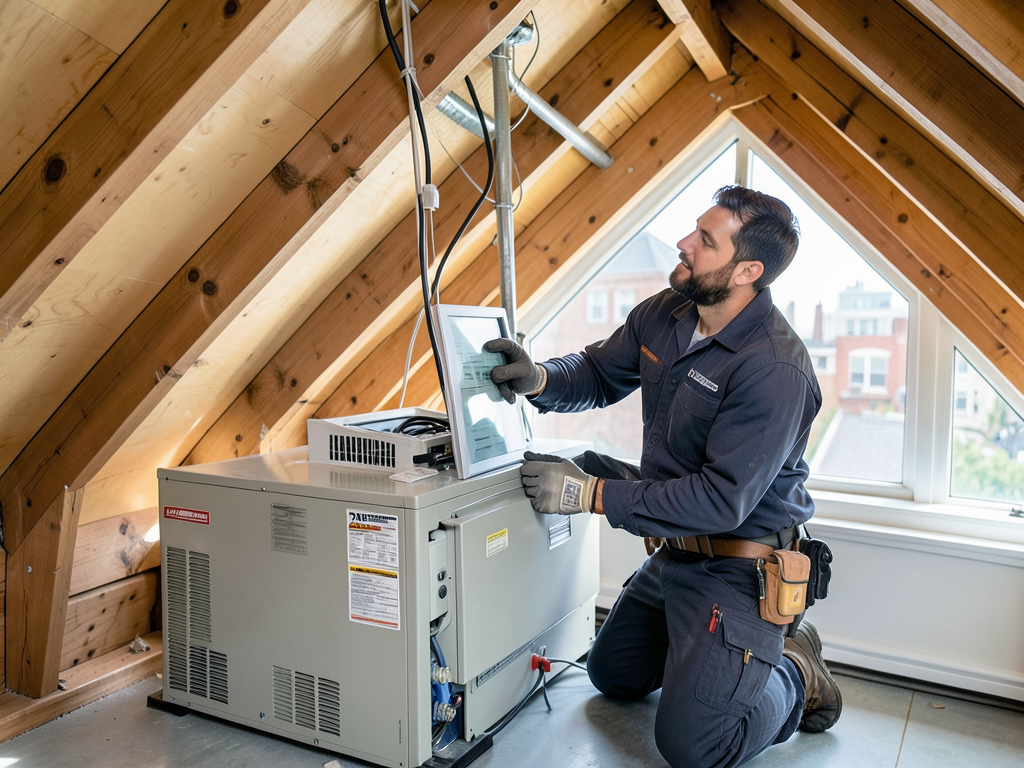
Heating and Cooling Solutions for Sunnyside Attic and Basement Conversions Converting your Sunnyside attic or basement into livable space requires…

Heating and Cooling Solutions for Sunnyside Attic and Basement Conversions

Heating and Cooling Solutions for Sunnyside Attic and Basement Conversions Converting your Sunnyside attic or basement into livable space requires…

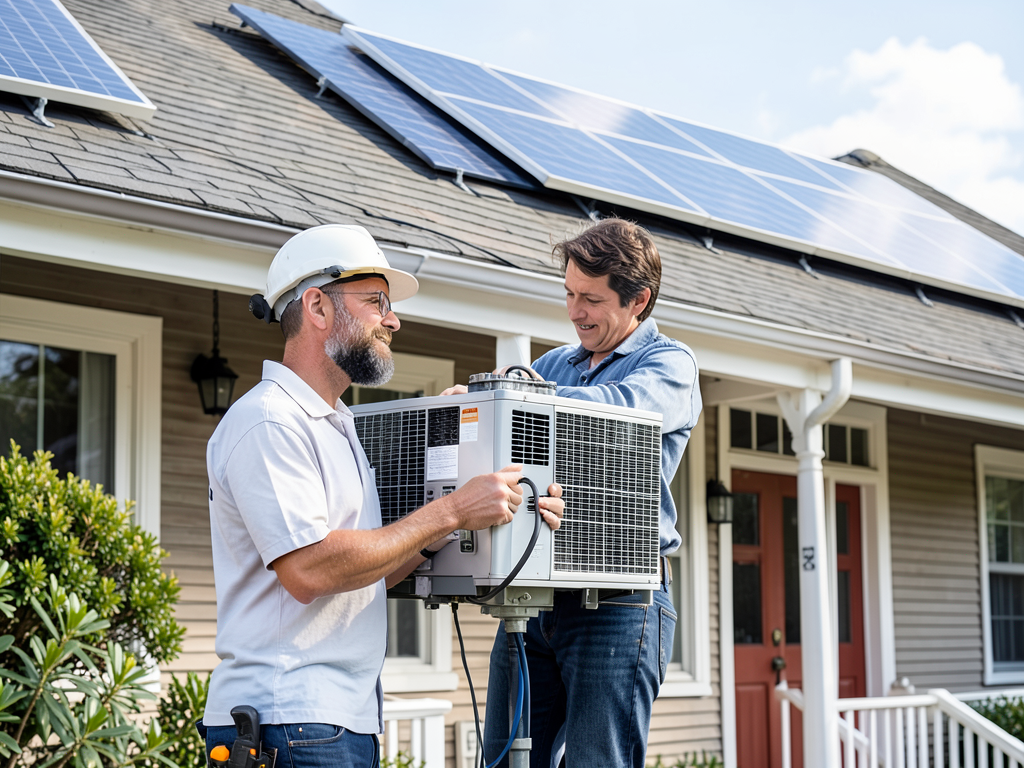
Pairing Your San Francisco Solar Panels with a High Efficiency Heat Pump

Pairing Your San Francisco Solar Panels with a High Efficiency Heat Pump If you have solar panels on your San…

Energy Efficient HVAC Upgrades for Small Businesses in Chinatown

Energy Efficient HVAC Upgrades for Small Businesses in Chinatown Small businesses in San Francisco's Chinatown face unique challenges when it…

Contact Us

Call Atlas HVAC San Francisco at (628) 201-6600 right now. We will send a technician to diagnose the problem and restore cold airflow fast. Same-day service available throughout the city.