




menu

Air Conditioning Installation in San Francisco | Expert Central AC Systems for Coastal Climates

Atlas HVAC San Francisco delivers precise air conditioning installation engineered for microclimates, ocean salt exposure, and the unique cooling demands of Bay Area architecture.

Slider Image 1
Slider Image 2
Slider Image 3
Slider Image 4
Slider Image 5
Slider Image 7
Slider Image 8
Slider Image 9
Slider Image 10
Slider Image 11

Why San Francisco Properties Need Specialized AC Installation

San Francisco's microclimates create unusual cooling requirements. While neighborhoods like the Mission and Potrero Hill can hit 85 degrees, the Sunset and Richmond Districts stay 15 to 20 degrees cooler due to Karl the Fog rolling in from the Pacific. This temperature variance within five miles means your air conditioner replacement needs precise load calculations, not generic guesswork.

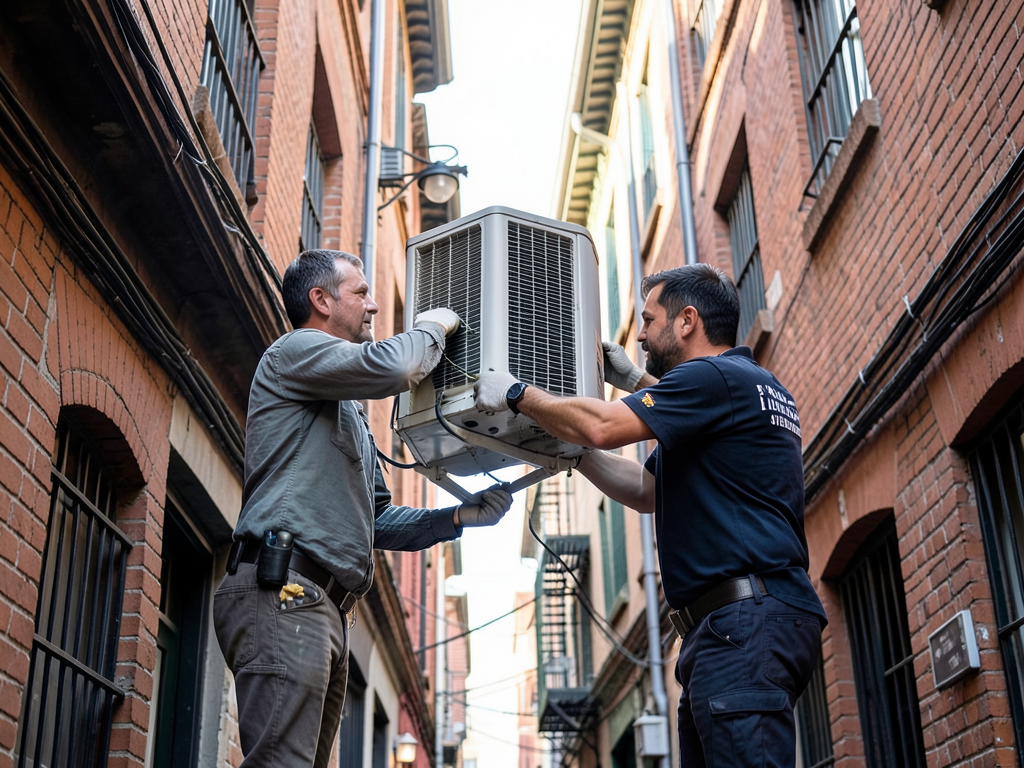
The city's Victorian and Edwardian homes present installation challenges. Most were built before central air existed. Walls are plaster over wood lath. Ceiling heights vary. Attic access is limited. Installing ductwork in a 1906 earthquake shack requires different techniques than dropping ducts in a modern Dogpatch condo.

Salt air from the ocean corrodes outdoor condenser units faster than inland climates. Coastal fog carries moisture that accelerates rust on compressor housings and coil fins. A new air conditioner install in the Outer Sunset demands marine-grade components and protective coatings, or you will replace corroded parts within three years.

San Francisco's strict energy codes, updated in 2022, require specific SEER2 ratings and refrigerant types. Older R-22 systems are obsolete. New installations must use R-410A or R-32 refrigerants. Your AC unit installation must meet Title 24 compliance for duct sealing, insulation values, and airflow testing. A permit is required for every central air installation in the city. Skipping this step creates liability and code violations.

You need an air conditioner replacement that accounts for your neighborhood's specific climate, your building's age and construction, and current San Francisco building codes.

Why San Francisco Properties Need Specialized AC Installation
How We Engineer AC Systems for Bay Area Buildings

How We Engineer AC Systems for Bay Area Buildings

We start with a Manual J load calculation specific to your property. This accounts for window orientation, insulation levels, ceiling height, occupancy, and internal heat gain from appliances. We measure actual square footage room by room. Generic online calculators fail in San Francisco because they cannot account for fog patterns, thermal mass in older brick buildings, or single-pane windows in rent-controlled units.

Ductwork design follows Manual D protocols. We calculate friction loss, static pressure, and CFM requirements for each supply register. In older homes without existing ducts, we route supply and return plenums through closets, soffits, or garage spaces. We avoid exterior wall chases where possible because moisture from fog infiltrates unsealed penetrations. Every duct joint is mastic-sealed, not just taped, to prevent conditioned air loss.

We select condensers based on your specific exposure. Units facing west toward the ocean get corrosion-resistant coil coatings. We install condensers on reinforced pads, not directly on soil, because San Francisco's sandy fill settles unevenly. We pitch refrigerant lines away from the air handler to prevent oil trapping, which reduces compressor efficiency.

Electrical service upgrades are common. Many San Francisco homes have 100-amp panels. A 3-ton AC system draws 30 to 40 amps at startup. We coordinate with your electrician or handle the panel upgrade ourselves if your existing service cannot support the new load. Every installation includes a dedicated 220-volt circuit with a disconnect box within sight of the condenser.

We pull permits for every job. Our installations pass city inspection on the first attempt because we follow code to the letter.

What Happens During Your AC Installation

Air Conditioning Installation in San Francisco | Expert Central AC Systems for Coastal Climates
01

Site Assessment and Load Calculation

We measure your home room by room, document window sizes and orientations, check insulation levels in the attic, and test existing electrical capacity. This data feeds into Manual J software that calculates your precise cooling load in BTUs. We identify duct routing options and discuss placement of the air handler and condenser. You receive a written load report and system design proposal.
02

Equipment Installation and Ductwork

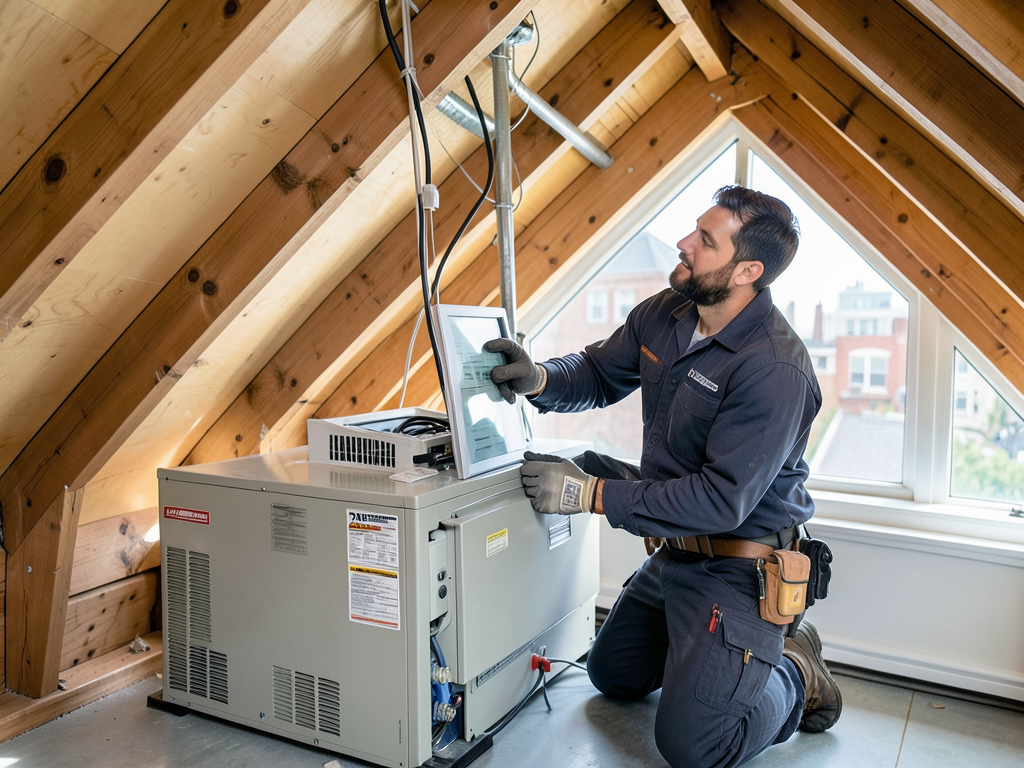
We install the condenser on a level pad with vibration isolators. The air handler mounts in your attic, closet, or garage with proper drainage for the condensate line. We fabricate and seal all ductwork using mastic and foil tape, insulate supply ducts to R-8, and seal return plenums. Refrigerant lines are vacuum-tested to 500 microns before charging. Every connection is brazed with nitrogen purge to prevent oxide buildup inside the lines.
03

Testing and City Inspection

We test airflow at each register using a flow hood to confirm CFM delivery matches the design. Static pressure is measured across the air handler to verify the blower operates within manufacturer specs. We check refrigerant superheat and subcooling to confirm proper charge. The system runs through multiple cooling cycles while we monitor amperage draw and temperature splits. The city inspector verifies permit compliance before we hand you the final signed-off paperwork.

Why San Francisco Contractors Choose Atlas HVAC for Referrals

We work in every San Francisco neighborhood. We know that Bernal Heights homes often lack attic access, requiring creative duct routing through garage spaces. We understand that North Beach apartments need compact ductless mini-split systems because there is no room for traditional ductwork. Noe Valley Victorians require careful historic consideration when mounting condenser units visible from the street.

Our crews are trained on Title 24 compliance updates. The 2022 code cycle changed duct sealing requirements and airflow testing protocols. Many contractors still follow outdated 2019 standards. We use calibrated duct blasters and manometers to verify leakage rates below 6 percent, which is the current threshold. Our installations pass city inspection without corrections or callbacks.

We stock equipment on our trucks. Most air conditioner replacements happen during September and October heat waves when everyone realizes their old system failed. We carry 2-ton, 2.5-ton, and 3-ton condenser units in our warehouse on Cesar Chavez Street. You do not wait three weeks for a special order while your home bakes.

We handle permit acquisition. You do not need to visit the Department of Building Inspection on 49 South Van Ness Avenue. We submit plans electronically, schedule inspections, and coordinate timing so you are not waiting around all day for a four-hour inspection window. We understand that San Francisco permits require energy compliance forms, refrigerant tracking documentation, and electrical load calculations. Missing any of these delays your project by weeks.

Atlas HVAC San Francisco has installed central air systems in over 400 San Francisco properties since 2019. We know the building stock, the microclimates, and the permitting process.

What You Get with a Professional AC Installation

Installation Timeline and Availability

Most AC unit installations take two to three days. Day one includes removing old equipment if applicable and installing the condenser and air handler. Day two involves ductwork fabrication and routing. Day three covers electrical hookup, refrigerant charging, and testing. If your home requires an electrical panel upgrade or extensive duct modification, add one to two days. We schedule installations Monday through Saturday and provide a firm start date when you sign the agreement. Emergency replacements during heat waves can start within 48 hours if equipment is in stock.

Pre-Installation Consultation and System Sizing

You receive a written load calculation report showing BTU requirements for each room. We explain why a 2.5-ton system might cool your home better than an oversized 4-ton unit. Oversized systems short-cycle, which wastes energy and fails to dehumidify properly. Undersized systems run continuously and never reach setpoint on hot days. We review SEER2 ratings and explain how a 16 SEER2 system costs more upfront but saves $30 to $50 monthly compared to a 14 SEER2 unit. You see equipment options from Carrier, Trane, and Lennox with transparent pricing for each model.

System Performance and Comfort Results

You get even cooling in every room. No more 8-degree temperature swings between your bedroom and living room. Properly sized ductwork delivers the correct CFM to each space based on its load. Your system reaches setpoint within 15 to 20 minutes on a 90-degree day. Humidity stays between 40 and 50 percent, which prevents mold growth in bathrooms and keeps hardwood floors stable. The condenser operates quietly because we use vibration pads and mount units away from bedroom windows when possible. You control temperature zones with a programmable thermostat that learns your schedule and adjusts automatically.

Manufacturer Warranty and Maintenance Plans

Equipment includes manufacturer coverage on parts. Compressors typically carry extended coverage beyond the standard parts period. We register your equipment with the manufacturer at installation to activate coverage. Our labor warranty covers installation workmanship. We offer annual maintenance plans that include spring system checks, coil cleaning, refrigerant level verification, and filter replacement. Maintenance visits cost less when bundled annually compared to individual service calls. Regular maintenance prevents breakdowns and keeps your system running at peak efficiency, which maximizes the lifespan of your investment.

Frequently Asked Questions

You Have Questions,
We Have Answers

How much would it cost to have air conditioning installed? +

Air conditioning installation costs in San Francisco vary widely based on system type, home size, and ductwork requirements. A basic central AC system for a typical home ranges from several thousand to over ten thousand dollars. Ductless mini-split systems often cost less for homes without existing ducts, which is common in older San Francisco properties. Factors affecting price include unit efficiency rating, brand, labor complexity, and permit fees. San Francisco's mild climate means many homes historically lack AC, so retrofitting can add costs. Get multiple quotes from local contractors who understand the city's unique building codes and Victorian-era construction challenges.

What is the $5000 rule for AC? +

The $5000 rule helps homeowners decide between repairing or replacing an AC unit. Multiply the repair cost by your system's age. If the total exceeds $5000, replacement makes more financial sense than repair. For example, a $600 repair on a 10-year-old unit equals $6000, suggesting replacement. This rule accounts for diminishing returns on aging equipment. In San Francisco, where AC units often experience less wear due to cooler weather, systems may last longer than in hotter climates. However, older units still lose efficiency over time. Consider energy savings and rebates when applying this rule to your situation.

How much does it cost to have someone install an air conditioner? +

Professional AC installation costs depend on system complexity and home configuration. Labor typically accounts for 30 to 50 percent of total project expenses. A straightforward replacement where ductwork exists costs less than a new installation requiring duct fabrication and electrical upgrades. San Francisco contractors charge based on local labor rates, permit requirements, and building code compliance. Older homes in neighborhoods like the Mission or Richmond districts may need additional structural work or electrical panel upgrades. The installer must also navigate tight urban spaces and parking restrictions. Always hire licensed contractors familiar with San Francisco's specific installation requirements and seismic retrofitting standards.

How much does Home Depot charge to install an AC unit? +

Home Depot offers AC installation through third-party contractors in their network. Installation fees vary based on system type, home layout, and regional pricing. The big-box approach provides convenience but may lack the specialized knowledge of San Francisco's unique architecture and microclimates. Local HVAC specialists better understand fog belt cooling needs versus sunny Mission District requirements. They navigate city permits efficiently and know which systems work best in homes without existing ductwork. Independent contractors often provide more personalized service and long-term maintenance relationships. Compare multiple quotes and verify contractor licenses through California's CSLB database before deciding.

How much does it cost to put AC in a 2000 sq ft house? +

Installing central AC in a 2000 square foot San Francisco home typically requires a 2.5 to 3.5 ton system, though actual sizing depends on insulation, window exposure, and ceiling height. Homes in sunnier neighborhoods like Noe Valley need different capacity than fog-shrouded Sunset District properties. If ductwork exists, installation is simpler. Many San Francisco homes lack ducts, making ductless mini-splits a popular alternative. Costs vary based on system efficiency, number of zones, and structural modifications needed. Victorian homes often require creative routing solutions. A proper load calculation by a qualified contractor ensures correct sizing for your specific microclimate and building characteristics.

What is the 3 minute rule for AC? +

The 3 minute rule prevents compressor damage by requiring a waiting period between AC shutdown and restart. When you turn off your system, refrigerant pressure needs time to equalize throughout the compressor. Restarting too quickly forces the compressor to work against high pressure, causing mechanical stress and potential failure. Modern AC units have built-in delay timers that automatically enforce this rule. You should wait at least 3 minutes after turning off your AC before restarting it. This simple practice extends compressor lifespan and prevents costly repairs. In San Francisco's moderate climate, frequent cycling is less common than in hotter regions.

Is the 600 tax credit for air conditioners? +

Yes, the federal Energy Efficient Home Improvement Credit offers up to $600 for qualifying air conditioners and heat pumps. The system must meet specific energy efficiency requirements, typically a SEER2 rating of 16 or higher for central AC. Heat pumps may qualify for a larger $2000 credit. The credit applies to equipment costs, not installation labor. You claim it on your tax return for the year of installation. San Francisco homeowners should verify current eligibility requirements, as tax credits change periodically. Combining federal credits with Bay Area utility rebates can significantly reduce your total installation cost. Consult a tax professional for specific guidance.

What is the average cost to replace a central AC unit? +

Replacing a central AC unit in San Francisco costs vary based on system size, efficiency rating, and installation complexity. The price includes the condenser, evaporator coil, refrigerant lines, and labor. Higher efficiency systems cost more upfront but reduce energy bills over time. San Francisco's milder climate means systems run less than in hotter regions, affecting payback calculations. Older homes may require electrical upgrades or ductwork modifications that increase costs. Fog belt homes might need smaller capacity systems than sunnier neighborhoods. Get detailed quotes from local contractors who understand San Francisco's specific building requirements and can properly size equipment for your microclimate.

What is the best month to buy an HVAC system? +

Fall and early winter offer the best timing for HVAC purchases in San Francisco. Contractors face less demand after summer, leading to better pricing and scheduling flexibility. Manufacturers often release new models in spring, making previous year inventory available at discounts. However, San Francisco's mild climate shifts traditional buying patterns. The city's warmest months are September and October, creating late-season demand. Consider purchasing during shoulder seasons when contractors have availability but before peak heat arrives. Pre-season installation ensures your system is ready when needed. Avoid emergency replacements during heat waves when prices spike and contractor availability drops.

What is the average lifespan of an AC unit? +

AC units typically last 15 to 20 years with proper maintenance. San Francisco systems often exceed this range because cooler weather means less operational stress than in hotter climates. Fog belt homes may run AC only a few weeks yearly, while sunnier neighborhoods like Potrero Hill use systems more frequently. Coastal salt air can corrode outdoor units faster, requiring protective measures. Regular maintenance extends lifespan significantly. Clean filters monthly during use, schedule annual professional tune-ups, and keep outdoor units clear of debris. Older systems lose efficiency over time, increasing energy costs even if still functional. Consider replacement when repairs become frequent or efficiency drops noticeably.

How San Francisco Microclimates Impact Your AC Installation Strategy

The temperature difference between the Embarcadero and Glen Park on the same afternoon can reach 20 degrees. Fog acts as natural air conditioning in western neighborhoods, meaning homes in the Sunset often need smaller systems than identical homes in Noe Valley. Load calculations must account for your specific microclimate, not citywide averages. A 3-ton unit that works in Bernal Heights will overcool a Richmond District home, causing short-cycling and humidity problems. We measure historical temperature data for your neighborhood and adjust tonnage recommendations accordingly.

San Francisco's Department of Building Inspection requires permits for all central air installations and enforces Title 24 energy compliance. Contractors who skip permitting expose you to fines and complications during property sales. We maintain relationships with city inspectors and understand current code interpretations, which change annually. Our installations meet seismic bracing requirements for rooftop and exterior-mounted equipment. We follow noise ordinance limits for condenser placement near property lines. Choosing a contractor familiar with San Francisco regulations prevents costly rework and legal issues down the road.
HVAC Services in The San Francisco Area

While we provide mobile service across the entire San Francisco area, you can locate our main office and service dispatch hub on the map below. We are proud to serve all neighborhoods, from the Financial District to the Sunset and Richmond areas, ensuring swift response times for all your heating and cooling needs. Feel free to stop by our location or easily invite our professional team to your residential or commercial property for a consultation.

Address:
Atlas HVAC San Francisco, 1390 Market St, San Francisco, CA, 94102

Additional Services We Offer

Our news updates

Latest Articles & News from The Blogs

Heating and Cooling Solutions for Sunnyside Attic and Basement Conversions Converting your Sunnyside attic or basement into livable space requires…

Heating and Cooling Solutions for Sunnyside Attic and Basement Conversions

Heating and Cooling Solutions for Sunnyside Attic and Basement Conversions Converting your Sunnyside attic or basement into livable space requires…

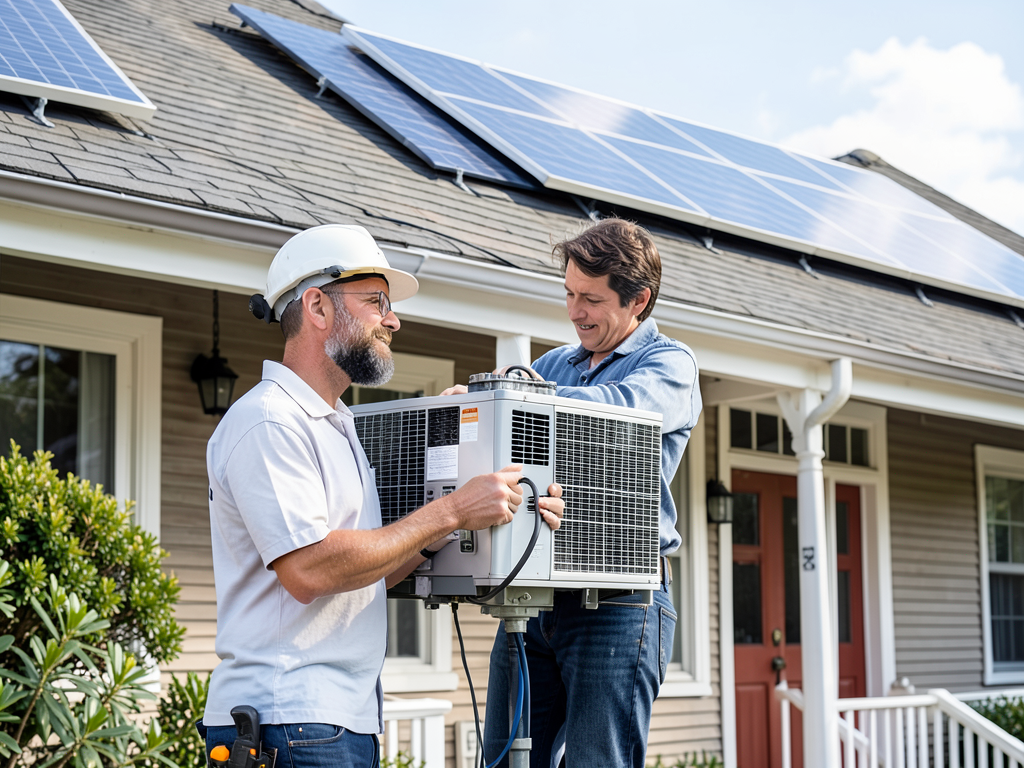
Pairing Your San Francisco Solar Panels with a High Efficiency Heat Pump

Pairing Your San Francisco Solar Panels with a High Efficiency Heat Pump If you have solar panels on your San…

Energy Efficient HVAC Upgrades for Small Businesses in Chinatown

Energy Efficient HVAC Upgrades for Small Businesses in Chinatown Small businesses in San Francisco's Chinatown face unique challenges when it…

Contact Us

Atlas HVAC San Francisco handles everything from load calculations to final inspection. Call us at (628) 201-6600 to schedule your consultation. We provide written estimates with transparent pricing and start most projects within two weeks.