




menu

Commercial HVAC Contractors in San Francisco – Minimize Downtime with Industrial-Grade Mechanical Solutions

Atlas HVAC San Francisco delivers commercial heating and cooling services engineered for business continuity, from high-rise office towers in the Financial District to industrial facilities in Dogpatch, with rapid deployment and code-compliant installations.

Slider Image 1
Slider Image 2
Slider Image 3
Slider Image 4
Slider Image 5
Slider Image 7
Slider Image 8
Slider Image 9
Slider Image 10
Slider Image 11

San Francisco's Marine Climate Creates Unique Challenges for Commercial HVAC Systems

San Francisco's fog belt and coastal humidity place extraordinary demands on commercial mechanical systems. The daily temperature swings between Potrero Hill and the Sunset District can exceed 20 degrees, forcing HVAC equipment to cycle constantly. Salt-laden air corrodes condensers. Microclimates across the city mean a rooftop unit in SOMA experiences different loads than a warehouse system in the Bayview.

Your facility cannot afford failures during peak business hours. A single breakdown in a South of Market tech campus can idle hundreds of employees. A restaurant in North Beach loses revenue every minute the kitchen overheats. Commercial HVAC companies that treat San Francisco like any other city miss the nuances that separate reliable performance from costly failures.

Industrial HVAC contractors must account for San Francisco's stringent Title 24 energy compliance requirements, which exceed baseline California standards. Older buildings in the Financial District require creative solutions to integrate modern variable refrigerant flow systems with existing infrastructure. Seismic bracing requirements add complexity to rooftop installations. The city's commitment to carbon neutrality by 2040 means your mechanical systems need to balance current performance with future mandates.

Commercial heating and cooling services in this market require more than technical competence. They require an understanding of how fog patterns affect dehumidification loads, how microgrids in Mission Bay demand different redundancy strategies, and how San Francisco's strict permitting process can delay projects if not handled correctly from the start.

San Francisco's Marine Climate Creates Unique Challenges for Commercial HVAC Systems
How Professional Commercial Mechanical Contractors Engineer Systems for Reliability

How Professional Commercial Mechanical Contractors Engineer Systems for Reliability

Atlas HVAC San Francisco approaches commercial projects with load calculation precision and equipment selection based on actual operating conditions, not manufacturer specifications alone. We perform psychrometric analysis to account for San Francisco's unique humidity profiles. We measure air velocities in existing ductwork to identify restriction points before specifying new air handlers. We calculate heat gain from curtain wall exposure in high-rise buildings where solar angles shift dramatically between morning fog and afternoon sun.

Our commercial HVAC service providers use thermal imaging to detect inefficiencies invisible to visual inspection. Hot spots on electrical connections signal impending compressor failures. Cold spots on evaporator coils indicate refrigerant migration issues. Differential temperature readings across heat exchangers reveal fouling that reduces capacity by 15 to 30 percent before occupants notice comfort problems.

We size equipment for actual demand, not rule-of-thumb estimates. A 20,000-square-foot office in Rincon Hill has different requirements than the same square footage in the Richmond District. Occupancy patterns, glazing ratios, and internal heat loads from server rooms all factor into our calculations. Oversized units short-cycle and waste energy. Undersized units run continuously and fail prematurely.

Our commercial HVAC companies install with future serviceability in mind. We position components for technician access. We use vibration isolation to prevent structural transmission. We install redundant systems for mission-critical environments where a single failure cannot be tolerated. We integrate building automation systems that provide real-time performance data and predictive maintenance alerts, reducing emergency service calls by identifying problems before they cause disruptions.

Our Commercial HVAC Installation and Service Workflow

Commercial HVAC Contractors in San Francisco – Minimize Downtime with Industrial-Grade Mechanical Solutions
01

Site Assessment and Load Analysis

We conduct a comprehensive facility survey to document existing conditions, measure electrical capacity, assess structural support for new equipment, and calculate actual heating and cooling loads. Our commercial mechanical contractors review architectural plans, identify code compliance gaps, and develop equipment specifications tailored to your operating schedule and performance requirements. We present options with lifecycle cost analysis, not just installation pricing.
02

Permitting and Installation Coordination

Atlas HVAC San Francisco manages the entire permitting process with the San Francisco Department of Building Inspection, including Title 24 energy calculations and seismic certification. We schedule installations during off-hours to minimize business disruption. Our industrial HVAC contractors coordinate with elevator access in high-rise buildings, stage equipment to avoid blocking loading docks, and maintain communication with facility managers throughout the project to address concerns before they become problems.
03

Commissioning and Performance Verification

We test all systems under full load conditions, verify airflow at each diffuser, calibrate thermostats and building controls, and document baseline performance metrics. Our commercial HVAC service providers train your maintenance staff on system operation and provide detailed O&M manuals. We schedule follow-up visits during the first year to fine-tune performance as occupancy patterns stabilize and ensure your system delivers the efficiency and reliability your business requires.

Why San Francisco Businesses Trust Atlas HVAC for Commercial Mechanical Services

We understand the operational realities of running a business in San Francisco. A failed HVAC system in a Embarcadero restaurant during lunch service costs thousands in lost revenue. A retail store in Union Square cannot afford uncomfortable temperatures during holiday shopping season. A data center in China Basin requires redundant cooling with N+1 configuration where a single component failure never compromises uptime.

Atlas HVAC San Francisco has navigated San Francisco's permitting requirements across every district. We know which plan checkers scrutinize duct sizing calculations and which focus on seismic bracing details. We understand how to work within historic preservation guidelines in neighborhoods like Jackson Square, where exterior equipment placement faces strict aesthetic review. We maintain relationships with inspectors that expedite approvals without cutting corners on compliance.

Our commercial heating and cooling services extend beyond installation. We stock parts for commercial equipment models common in San Francisco's building stock. When a belt fails on a rooftop unit serving a Fisherman's Wharf hotel, we arrive with the correct replacement, not a promise to order one. We understand the difference between a service call that can wait until Monday and one that requires immediate weekend response.

Commercial HVAC companies that serve the Bay Area from distant locations cannot respond quickly when you need them. Our San Francisco base means we reach the Financial District in minutes, not hours. We know which buildings use chilled water systems, which rely on DX cooling, and which require specialized controls integration. That local knowledge translates to faster diagnostics, accurate repairs, and solutions that work with your existing infrastructure instead of requiring expensive replacements.

What to Expect When You Partner with Atlas HVAC San Francisco

Rapid Response and Minimal Business Disruption

We schedule service calls around your operating hours. Restaurants get early morning or late evening appointments. Retail locations receive service during off-peak hours. Office buildings get scheduled maintenance on weekends. Emergency calls receive response within two hours for most San Francisco locations, with critical facilities prioritized for immediate dispatch. Our commercial mechanical contractors arrive with diagnostic equipment and common replacement parts to resolve issues on the first visit whenever possible, reducing downtime and avoiding multiple service appointments that disrupt your operations.

Comprehensive System Evaluation and Honest Recommendations

Atlas HVAC San Francisco performs detailed diagnostics before recommending solutions. We measure refrigerant pressures, test capacitor values, verify electrical connections, and analyze airflow patterns. We provide written reports documenting current conditions and explaining repair options with expected service life for each approach. If a compressor can be repaired instead of replaced, we tell you. If a bandaid fix will fail within months, we explain why a complete replacement makes better financial sense for your facility's long-term reliability and operational continuity.

Code-Compliant Installations Built for Longevity

Every installation meets current San Francisco building codes and Title 24 energy requirements. Our industrial HVAC contractors use proper refrigerant handling procedures, install seismic bracing to current standards, and ensure electrical connections comply with NEC requirements. We pressure-test refrigerant lines, verify airflow calculations, and commission control systems to manufacturer specifications. You receive systems engineered for 15 to 20 years of reliable service, not quick installations that create callback problems and premature failures requiring expensive emergency repairs during peak business seasons.

Preventive Maintenance Programs Tailored to Your Equipment

We offer quarterly and biannual maintenance contracts designed around your equipment type and usage patterns. Commercial HVAC service providers inspect belts, lubricate bearings, clean condenser coils, test safety controls, and verify refrigerant charge levels before minor issues escalate into major failures. You receive detailed service reports documenting system performance trends and flagging components approaching end of life. Scheduled maintenance reduces emergency breakdowns by 60 to 80 percent and extends equipment lifespan, protecting your capital investment and ensuring consistent climate control for your facility.

Frequently Asked Questions

You Have Questions,
We Have Answers

What is the $5000 rule for HVAC? +

The $5000 rule suggests that if your repair costs exceed $5000 and your unit is over 10 years old, you should replace instead of repair. For commercial properties in San Francisco, this calculation shifts. Factor in business downtime costs, energy efficiency improvements, and compliance with California Title 24 energy codes. A newer unit reduces liability and improves indoor air quality for employees. Commercial units face heavier loads than residential systems, so age matters more. Run a total cost of ownership analysis comparing repair expenses, energy consumption, and potential business interruption against replacement investment before deciding.

How much do commercial HVAC contractors make? +

Commercial HVAC contractors in San Francisco earn between $65,000 and $120,000 annually, with senior technicians and specialized roles reaching higher ranges. The Bay Area commands premium wages due to high cost of living and complex commercial installations. Contractors certified in building automation systems, refrigeration, or who hold EPA universal certification earn more. Union scale rates apply to larger commercial projects. Overtime during emergency repairs or seasonal peaks increases total compensation. Experience with rooftop units, chiller systems, and energy management platforms typical in San Francisco office buildings and retail spaces drives earning potential. Independent contractors can exceed employee wages but carry business overhead.

How much does a new commercial HVAC cost? +

Commercial HVAC replacement in San Francisco ranges from $15,000 for small retail spaces to over $100,000 for multi-story office buildings. Costs depend on tonnage requirements, zoning complexity, ductwork condition, and rooftop versus ground installation. San Francisco building code compliance, seismic bracing requirements, and coordination with mechanical engineers add expense. Energy efficiency incentives through PG&E or local rebates can offset initial investment. Factor in permits, structural reinforcement for rooftop units, and crane access in dense urban areas. Variable refrigerant flow systems cost more upfront but reduce operating expenses. Get multiple detailed proposals that address your building's specific load calculations.

What is the 3 minute rule for AC? +

The 3 minute rule prevents compressor damage by requiring a minimum 3 minute wait between shut-off and restart. This allows refrigerant pressure to equalize throughout the system. Commercial units use time-delay relays or anti-short-cycle controls to enforce this protection automatically. San Francisco properties with aging electrical infrastructure benefit from this safeguard, as rapid cycling strains both the compressor and building power supply. Ignoring this rule shortens equipment life and causes premature failures. If your commercial system short-cycles frequently, you have an underlying issue like refrigerant charge problems, oversized equipment, or thermostat placement errors that needs professional diagnosis.

Can HVAC make 200K? +

Yes, experienced commercial HVAC technicians can earn $200,000 through overtime, emergency service calls, and specialization. In San Francisco, this requires mastery of complex systems like central plants, chiller operations, or building automation programming. Union leadership positions, project management roles, or running a small contracting business reach this threshold. Emergency repair rates during after-hours or weekends increase billable income. Technicians who can diagnose control systems, commission new installations, and handle refrigeration typically command premium rates. Achieving this income level demands continuous education, EPA certification, manufacturer-specific training, and willingness to respond to urgent commercial failures that halt business operations.

What is the best month to buy an HVAC system? +

Fall (September through November) offers the best value for commercial HVAC purchases in San Francisco. Contractors face lower demand after summer cooling season, creating negotiating leverage. Manufacturers release new models in spring, making previous year inventory more affordable. Scheduling installation during mild weather minimizes business disruption and allows proper system testing before peak heating or cooling demands. Budget planning in Q4 aligns with capital expenditure cycles for many businesses. Avoid peak summer or winter months when emergency demand drives up costs and extends lead times. Plan replacement during your slowest business period to reduce operational impact.

How can I make $100,000 a year in HVAC? +

Reaching $100,000 in HVAC requires commercial experience, advanced certifications, and strategic positioning. In San Francisco, focus on commercial service rather than installation to maximize hourly rates. Obtain EPA universal certification, NATE credentials, and manufacturer-specific training on brands common in the Bay Area. Specialize in systems that pay premium rates like chillers, building automation, or refrigeration. Work for established commercial contractors serving office buildings, hospitals, or data centers. Overtime and emergency calls significantly boost base pay. Develop diagnostic skills that minimize callbacks and establish reputation for solving complex problems. After 5-7 years, consider independent contracting for direct client relationships.

What pays better, commercial or residential HVAC? +

Commercial HVAC pays 20-40% more than residential work. Commercial systems require advanced technical knowledge, involve higher liability, and demand faster response times to prevent business losses. In San Francisco, commercial technicians handle rooftop units, central plants, and multi-zone systems in office buildings and retail complexes. The work involves larger equipment tonnage, three-phase power, and coordination with facility managers. Commercial contracts provide steadier year-round income compared to seasonal residential demand. However, commercial work requires different skills, more certifications, and ability to work during off-hours when businesses close. The higher complexity and responsibility justify premium compensation.

Can you make 6 figures in HVAC? +

Yes, six-figure incomes are achievable in commercial HVAC through experience and specialization. San Francisco's commercial market supports these earnings due to high cost of living and dense concentration of office buildings, hotels, and retail properties. Senior technicians, service managers, and specialists in controls or refrigeration regularly exceed $100,000. Union positions with prevailing wage requirements on public projects accelerate earning potential. Independent contractors who build client rosters and manage small teams can surpass employee wages. Achieving this requires 5-10 years experience, multiple certifications, strong troubleshooting skills, and willingness to handle emergency calls. Focus on commercial sector from the start.

What is the lifespan of a commercial HVAC unit? +

Commercial HVAC units last 15-20 years with proper maintenance, though San Francisco's marine climate can affect outdoor components. Rooftop units face constant salt air exposure, requiring more frequent coil cleaning and corrosion prevention. Service life depends on runtime hours, maintenance quality, and installation correctness. Buildings operating 24/7 experience shorter lifespans than those with regular downtime. Packaged rooftop units typically last 15 years, while split systems and boilers reach 20-25 years. Coastal properties need proactive maintenance every quarter. Plan replacement when repair frequency increases or efficiency drops below 70% of original capacity. Delaying replacement increases energy costs and business interruption risk.

How San Francisco's Microclimate Zones Affect Commercial HVAC Performance and Energy Costs

San Francisco contains multiple distinct climate zones within city limits. The fog-heavy Sunset District may require dehumidification while Mission Bay buildings three miles away need additional cooling capacity. Commercial heating and cooling services must account for these variations when sizing equipment and programming controls. A rooftop unit specification that works in SOMA may fail in the Richmond District because load calculations ignore the 15-degree temperature differential. Commercial mechanical contractors who treat the entire city as a single climate zone install systems that waste energy or fail to maintain comfort during temperature extremes.

Atlas HVAC San Francisco has serviced commercial facilities across every San Francisco neighborhood. We understand how the Salesforce Tower's height affects wind loads on rooftop equipment differently than a three-story building in Noe Valley. We know which streets in the Tenderloin have challenging electrical service requiring voltage regulation for sensitive HVAC controls. Our commercial HVAC companies maintain relationships with local suppliers who stock parts specific to equipment common in San Francisco's aging building stock. That neighborhood-level knowledge means accurate diagnostics, appropriate solutions, and reliable performance regardless of your facility's location.
HVAC Services in The San Francisco Area

While we provide mobile service across the entire San Francisco area, you can locate our main office and service dispatch hub on the map below. We are proud to serve all neighborhoods, from the Financial District to the Sunset and Richmond areas, ensuring swift response times for all your heating and cooling needs. Feel free to stop by our location or easily invite our professional team to your residential or commercial property for a consultation.

Address:
Atlas HVAC San Francisco, 1390 Market St, San Francisco, CA, 94102

Additional Services We Offer

Our news updates

Latest Articles & News from The Blogs

Heating and Cooling Solutions for Sunnyside Attic and Basement Conversions Converting your Sunnyside attic or basement into livable space requires…

Heating and Cooling Solutions for Sunnyside Attic and Basement Conversions

Heating and Cooling Solutions for Sunnyside Attic and Basement Conversions Converting your Sunnyside attic or basement into livable space requires…

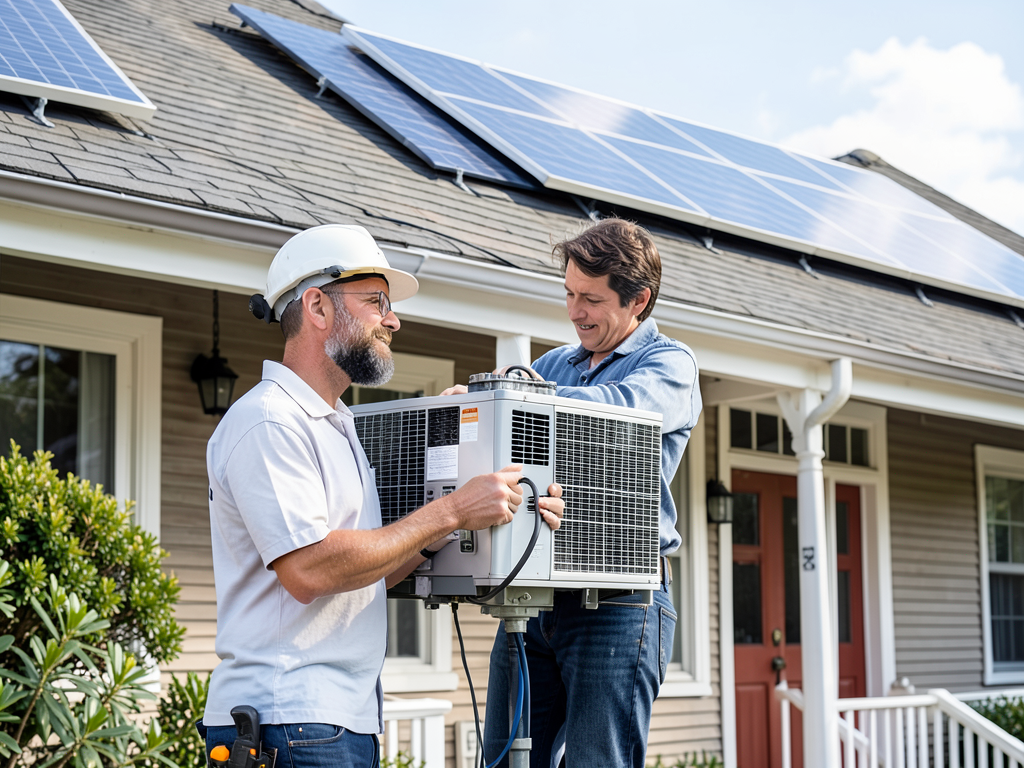
Pairing Your San Francisco Solar Panels with a High Efficiency Heat Pump

Pairing Your San Francisco Solar Panels with a High Efficiency Heat Pump If you have solar panels on your San…

Energy Efficient HVAC Upgrades for Small Businesses in Chinatown

Energy Efficient HVAC Upgrades for Small Businesses in Chinatown Small businesses in San Francisco's Chinatown face unique challenges when it…

Contact Us

Your business cannot afford HVAC failures. Contact Atlas HVAC San Francisco at (628) 201-6600 for a comprehensive system evaluation. We provide transparent assessments, code-compliant solutions, and installations engineered for reliability in San Francisco's demanding commercial environment.