




menu

AC Unit Leaking Water in San Francisco – Get Expert Diagnosis and Stop the Drip Today

When water drips from your AC unit, it signals a problem that can damage floors, walls, and ceilings. Our San Francisco technicians diagnose the root cause of AC water leaks and fix them right the first time.

Slider Image 1
Slider Image 2
Slider Image 3
Slider Image 4
Slider Image 5
Slider Image 7
Slider Image 8
Slider Image 9
Slider Image 10
Slider Image 11

Why Your Air Conditioner Is Dripping Water in San Francisco

You walk past your AC unit and notice a puddle forming on the floor. Water drips steadily from the indoor unit or condensate line. This is not normal, and it will not fix itself.

San Francisco's coastal climate creates unique challenges for air conditioning systems. The cool, damp air from the Pacific means your AC runs intermittently rather than continuously. This stop-and-start pattern can cause condensate drainage issues that other climates do not see as often. When the evaporator coil cycles on and off frequently, condensate does not drain properly. The drain pan overflows. Water backs up. You see dripping.

An air conditioning leaking water problem stems from a few common culprits. The condensate drain line clogs with algae, mold, or dust. The drain pan rusts through or cracks. The evaporator coil freezes due to low refrigerant or poor airflow, then thaws and floods the pan. A malfunctioning condensate pump fails to push water out. In older San Francisco buildings with tight attic spaces or vintage ductwork, improper installation angles prevent gravity drainage.

When you see water dripping from your AC system, you are looking at potential water damage to your flooring, drywall, and even the structural framing below. Mold growth follows within 24 to 48 hours in damp conditions. The longer the AC water leak continues, the more expensive the repair becomes. You need to identify the cause and stop it now.

Your AC system leaking water is a diagnostic problem. Guessing wastes time and money. You need a technician who understands how San Francisco's climate affects HVAC performance and who can trace the water source accurately.

Why Your Air Conditioner Is Dripping Water in San Francisco
How We Stop Your AC Unit from Leaking Water

How We Stop Your AC Unit from Leaking Water

We do not show up and guess. Our diagnostic process for an air conditioner dripping water starts with isolating the leak source. We inspect the evaporator coil for ice buildup, check refrigerant pressures, and examine the drain pan for cracks or corrosion. We trace the condensate drain line from the air handler to the termination point, looking for clogs, kinks, or improper slope.

If the drain line is clogged, we clear it using a wet vacuum or compressed air, then flush it with a biocide to kill algae and prevent future blockages. If the drain pan is cracked or rusted, we replace it. If the evaporator coil is freezing, we diagnose why. Low refrigerant means a leak in the system that we locate and repair before recharging. Dirty filters or blocked return air cause freezing. We correct airflow restrictions.

San Francisco homes often have unusual installation constraints. Attics are cramped. Drain lines run through old plaster walls. We adapt our approach to fit the building's architecture. If gravity drainage is insufficient, we install or replace a condensate pump to mechanically lift water out of the system. We verify the pump operates correctly under load and that the discharge line routes properly.

We also inspect the air filter, blower motor, and ductwork. A clogged filter reduces airflow across the evaporator coil, causing it to freeze. A failing blower motor does the same. We check static pressure in the duct system to confirm adequate air movement.

After the repair, we test the system under normal operating conditions. We monitor the condensate flow, verify the drain line handles the load, and confirm no water pools in the drain pan. You should see no dripping, no puddles, and no moisture buildup.

What Happens When You Call About an AC Water Leak

AC Unit Leaking Water in San Francisco – Get Expert Diagnosis and Stop the Drip Today
01

Initial Diagnostic Assessment

When you call about water dripping from your AC unit, we schedule a diagnostic visit. Our technician arrives with the tools needed to inspect the evaporator coil, drain pan, condensate line, and refrigerant system. We ask when you first noticed the leak, how often your system runs, and whether you have changed filters recently. This helps narrow the cause before we open the unit.
02

Identify and Repair the Source

We trace the water back to its origin. If the drain line is clogged, we clear it and treat it. If the coil is frozen, we identify why and fix the airflow or refrigerant issue. If the drain pan is damaged, we replace it. We carry common parts on our trucks, so most repairs happen the same day. You do not wait for another appointment.
03

System Test and Prevention

After the repair, we run your AC through a full cooling cycle to confirm the condensate drains properly and no water leaks. We show you what we fixed and explain how to prevent future issues. We recommend a maintenance schedule that includes drain line cleaning, filter changes, and coil inspections. You leave knowing your system is dry and your home is safe from water damage.

Why San Francisco Residents Trust Us with AC Water Leak Repairs

San Francisco's housing stock is diverse. You have Victorians with radiator heat and window AC units. You have modern condos with central HVAC. You have mid-century homes with ducted systems squeezed into tight crawl spaces. We have worked in all of them.

Our technicians understand how the city's microclimates affect HVAC systems. The fog belt neighborhoods near the Presidio and Sunset District stay cool and damp. Systems in these areas run less often, which means condensate sits in drain pans longer and algae grows faster. Inland neighborhoods like the Mission and Potrero Hill see higher temperatures and longer cooling cycles, which can stress drain pumps and cause overflow.

We know the building codes San Francisco enforces. Condensate discharge must terminate properly. It cannot dump onto sidewalks or neighboring properties. If your drain line routes improperly, we reroute it to comply with local regulations. We pull permits when required and coordinate with inspectors.

We also understand the age of San Francisco's housing. Many homes have never had central air conditioning. When ductless mini-splits or new HVAC systems are added, the installation quality varies. We frequently find DIY or contractor shortcuts that cause drainage problems. We correct these installations so your system works as designed.

You do not get a generic fix. You get a solution tailored to your building, your system, and your neighborhood. We have the experience to handle Victorian plaster walls, earthquake retrofits, and modern seismic bracing requirements. We know which supply houses carry the parts we need and how to get them fast.

When you call us, you talk to someone who has seen your exact problem in your type of building. We do not experiment. We fix it.

What to Expect When We Repair Your AC Water Leak

Same-Day Service Availability

Water damage escalates quickly. We prioritize AC water leak calls and offer same-day service when you contact us early in the day. Our technicians carry diagnostic tools, drain cleaning equipment, replacement pans, and common pump models on their trucks. Most repairs are completed in one visit. If your system requires a specialty part, we source it quickly and return to finish the job within 24 to 48 hours. We do not leave you with a leaking unit and no timeline.

Thorough Leak Diagnosis Process

We do not treat symptoms. We find the cause. Our diagnostic process includes inspecting the evaporator coil, measuring refrigerant pressures, checking airflow with a manometer, and visually tracing the entire condensate drainage path. We test the drain pan for cracks using a dye test if necessary. We run the system and observe condensate flow under normal conditions. You receive a clear explanation of what failed, why it failed, and what we will do to fix it. No surprises.

Permanent Repair with Quality Parts

We use OEM or equivalent-quality replacement parts. Drain pans are metal or heavy-duty plastic designed for your specific air handler model. Condensate pumps are reliable brands like Little Giant or Diversitech. When we clear a drain line, we treat it with a biocide tablet or liquid to prevent algae regrowth. We secure all connections and test the system under load. The repair is permanent. You should not see water leaking again unless a new issue develops, which is why we recommend annual maintenance to catch problems early.

Ongoing Maintenance and Prevention

After we fix your AC water leak, we offer a maintenance plan that includes annual drain line cleaning, filter replacement, and coil inspection. Regular maintenance prevents clogs, catches drain pan corrosion before it leaks, and ensures your evaporator coil stays clean. San Francisco's damp coastal air accelerates algae growth in drain lines. A yearly service visit keeps your condensate system clear. We send reminders when your next service is due so you do not have to remember.

Frequently Asked Questions

You Have Questions,
We Have Answers

How do I stop my air conditioner from leaking water? +

First, turn off your AC to prevent water damage. Check your condensate drain line for clogs. You can flush it with distilled white vinegar or use a wet/dry vacuum to clear blockages. Inspect the drain pan for cracks or rust. Replace your air filter if it looks dirty, as restricted airflow causes coil freezing and excess water. In San Francisco's mild climate, your AC works differently than in hotter regions. Units cycle less frequently, which can allow dust buildup in drain lines. If these steps don't work, you need a technician to check refrigerant levels or diagnose mechanical issues.

Can I still use my AC if it's leaking water? +

No. Shut it down immediately. Running a leaking AC risks water damage to ceilings, walls, and flooring. Continued operation can worsen the underlying problem, whether it's a frozen evaporator coil, clogged drain, or damaged pan. Water near electrical components creates shock and fire hazards. In San Francisco's older buildings, many lack proper secondary drain pans, making leaks more dangerous. The longer you run a compromised unit, the more expensive repairs become. Open windows for ventilation and use fans temporarily. Schedule a professional inspection before restarting. The root cause must be fixed first.

Is a leaking AC unit an emergency? +

It depends on severity. Small drips from condensation are common and fixable. Heavy leaks pooling on floors or dripping through ceilings require immediate attention. Water near electrical panels or in multifamily buildings threatens property and safety. San Francisco's Victorian and Edwardian homes often have plaster ceilings that deteriorate quickly when wet. If you see active water damage, turn off the unit and call for same-day service. Most leaks aren't life-threatening emergencies, but they can escalate fast. Address them within 24 hours to prevent mold growth and structural damage, especially in our fog-prone coastal climate.

How do I unclog my AC condensate drain line? +

Locate the drain line, usually a PVC pipe near your indoor unit. Turn off the AC first. Find the access point or T-fitting with a cap. Pour one cup of distilled white vinegar into the line and let it sit for 30 minutes to dissolve algae and sludge. Alternatively, attach a wet/dry vacuum to the outdoor end of the drain line and run it for two minutes to suction out debris. In San Francisco's cooler climate, drain lines accumulate buildup slower than humid regions, but dust from our dry summers still causes clogs. Flush the line every three months for prevention.

Is AC leaking water expensive to fix? +

Most AC leak repairs cost between moderate and affordable, depending on the cause. Clearing a clogged drain line runs low. Replacing a cracked drain pan costs more. Refrigerant leaks requiring recharge and repair are the most expensive. San Francisco's temperate climate means your system endures less stress than units in extreme heat, so catastrophic failures are less common. Age matters. Older units may need multiple fixes, making replacement more economical. Get a diagnostic first. A qualified technician can pinpoint the issue and provide transparent pricing. Neglecting leaks always costs more than addressing them early.

What is the 3 minute rule for AC? +

The three-minute rule prevents compressor damage. After shutting off your AC, wait at least three minutes before restarting. This allows refrigerant pressure to equalize throughout the system. Restarting too quickly forces the compressor to work against high pressure, causing mechanical strain and potential failure. The rule applies whether you're troubleshooting a leak or resetting after a power outage. San Francisco's mild weather means your AC doesn't run constantly like desert climates, but the rule still protects your equipment. Modern units often have built-in delay timers. If your system won't restart immediately, that's the safety mechanism working correctly.

Can I fix a leaking AC myself? +

Basic maintenance, yes. Full repairs, no. You can safely change air filters, clean visible mold from drain pans with bleach solution, and flush drain lines with vinegar. These tasks prevent many leaks. However, refrigerant work, coil repairs, and electrical diagnostics require EPA certification and specialized tools. San Francisco's building codes and rental regulations often prohibit tenant repairs on major appliances. Incorrect fixes can void warranties or create liability issues. Homeowners can handle preventive tasks, but if the leak persists after cleaning the drain and changing the filter, call a licensed technician. You risk bigger problems by guessing.

What happens if I ignore an AC leak? +

Water damage spreads fast. Ignored leaks saturate insulation, warp wood framing, and promote mold growth within 48 hours. San Francisco's coastal humidity accelerates mold proliferation. Drywall and plaster ceilings stain permanently and lose structural integrity. Electrical shorts become fire hazards. Chronic moisture damages flooring and subflooring, requiring costly replacement. Your AC's internal components corrode, leading to compressor failure or total system breakdown. In multifamily buildings, leaks can damage neighboring units, creating liability issues. What starts as a minor drip becomes thousands in repairs. Address leaks immediately. The problem never fixes itself.

Should I call a professional for AC leaks? +

Yes, if basic troubleshooting fails. If you've changed the filter, cleared the drain line, and the leak continues, you need professional diagnosis. Refrigerant leaks, frozen coils, and mechanical failures require specialized knowledge. Licensed technicians identify problems accurately and fix them correctly the first time. In San Francisco, many homes have unique HVAC configurations due to building age and layout constraints. Professionals understand local installation quirks and code requirements. They carry proper tools and replacement parts. Attempting complex repairs yourself often creates bigger problems. Call a technician when you see persistent leaks, ice on lines, or reduced cooling performance.

What is the $5000 rule for AC? +

The $5,000 rule is a replacement guideline. Multiply the repair cost by your unit's age in years. If the total exceeds $5,000, replacement makes more financial sense than repair. For example, a $400 repair on a 10-year-old unit equals $4,000, so repair it. A $600 repair on a 12-year-old unit equals $7,200, so replace it. San Francisco's moderate climate extends AC lifespan beyond the national average of 15 years, but efficiency and refrigerant phase-outs matter. Units using R-22 refrigerant face expensive recharges. A technician can run the calculation and explain your options objectively.

How San Francisco's Coastal Humidity Affects AC Condensate Systems

San Francisco's proximity to the Pacific Ocean creates a unique humidity profile that affects how air conditioning systems generate and drain condensate. Unlike inland California cities where AC units run continuously during hot months, San Francisco systems cycle frequently due to moderate temperatures and high humidity. This intermittent operation means condensate collects in the drain pan but does not always flush out completely. Stagnant water breeds algae and mold, which clog drain lines faster than in drier climates. The fog that rolls through neighborhoods like the Richmond and Sunset districts adds moisture to the air, increasing condensate production even when outdoor temperatures stay cool. Your AC unit pulls humidity from the air, and that water has to go somewhere. If the drain system cannot keep up or clogs, you see puddles.

San Francisco enforces strict building codes for condensate discharge, particularly in multi-unit buildings and dense urban neighborhoods. Your drain line cannot terminate in a way that affects neighboring properties or public sidewalks. We know these regulations and ensure your condensate system complies. Our technicians are familiar with the architectural quirks of San Francisco homes, from Victorian crawl spaces to modern condo HVAC closets. We have worked with the city's building inspectors and understand what they require. When you hire a local HVAC company that operates in San Francisco daily, you avoid code violations and the headaches that come with failed inspections. You also get faster service because we are already in your neighborhood.
HVAC Services in The San Francisco Area

While we provide mobile service across the entire San Francisco area, you can locate our main office and service dispatch hub on the map below. We are proud to serve all neighborhoods, from the Financial District to the Sunset and Richmond areas, ensuring swift response times for all your heating and cooling needs. Feel free to stop by our location or easily invite our professional team to your residential or commercial property for a consultation.

Address:
Atlas HVAC San Francisco, 1390 Market St, San Francisco, CA, 94102

Additional Services We Offer

Our news updates

Latest Articles & News from The Blogs

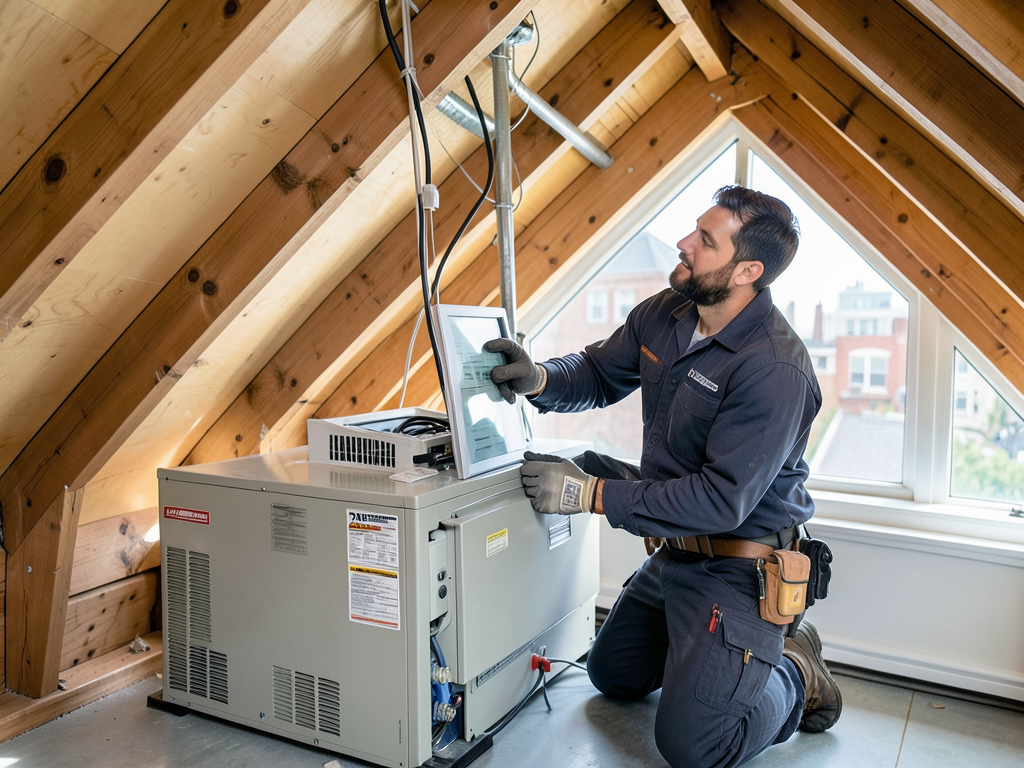
Heating and Cooling Solutions for Sunnyside Attic and Basement Conversions Converting your Sunnyside attic or basement into livable space requires…

Heating and Cooling Solutions for Sunnyside Attic and Basement Conversions

Heating and Cooling Solutions for Sunnyside Attic and Basement Conversions Converting your Sunnyside attic or basement into livable space requires…

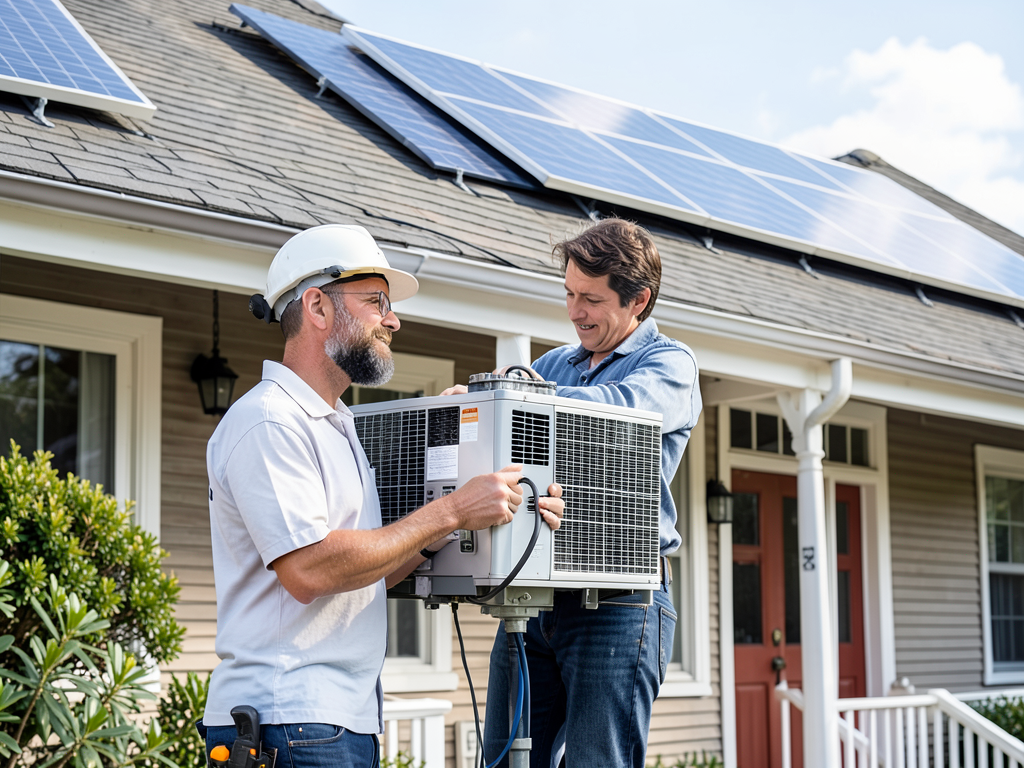
Pairing Your San Francisco Solar Panels with a High Efficiency Heat Pump

Pairing Your San Francisco Solar Panels with a High Efficiency Heat Pump If you have solar panels on your San…

Energy Efficient HVAC Upgrades for Small Businesses in Chinatown

Energy Efficient HVAC Upgrades for Small Businesses in Chinatown Small businesses in San Francisco's Chinatown face unique challenges when it…

Contact Us

Water damage spreads fast. Call Atlas HVAC San Francisco now at (628) 201-6600 to schedule a same-day diagnostic visit. We will find the leak, fix it right, and protect your home from further damage.