




menu

Furnace Maintenance Checklist San Francisco – Prevent Mid-Winter Breakdowns with Expert Seasonal Service

Atlas HVAC San Francisco delivers comprehensive preventative heating maintenance that catches small issues before they turn into expensive emergency repairs during the coldest nights of the year.

Slider Image 1
Slider Image 2
Slider Image 3
Slider Image 4
Slider Image 5
Slider Image 7
Slider Image 8
Slider Image 9
Slider Image 10
Slider Image 11

Why San Francisco Furnaces Need Different Maintenance Than Inland Systems

San Francisco's marine layer creates a unique challenge for heating systems. The constant moisture in the air accelerates corrosion on heat exchangers and electrical connections. Salt air from the Pacific compounds this problem, particularly in neighborhoods west of Twin Peaks and along the coastline.

Your furnace sits idle most of the year. When fog rolls in during summer evenings and temperatures drop into the 50s, you fire it up briefly. Then it sits dormant again. This stop-start cycle creates condensation inside the system. Water droplets form on metal surfaces. Rust begins quietly eating away at critical components.

A proper annual furnace inspection list must account for these moisture-related issues. Generic heating system maintenance steps miss the specific corrosion patterns we see in coastal California. The furnace tune-up checklist that works in Sacramento fails here because it does not address salt air degradation or the unique thermal cycling patterns caused by our microclimates.

Victorian and Edwardian homes in the Inner Sunset, Richmond District, and Noe Valley present additional complications. Original ductwork often runs through uninsulated crawl spaces. These older systems lack modern combustion air intake designs. When you combine dated infrastructure with marine air, you get accelerated wear on blower motors and gas valves.

The seasonal furnace service schedule here must happen before October. Waiting until November means you risk discovering a failed igniter or cracked heat exchanger on the first truly cold night when every HVAC company in the city is slammed with emergency calls.

Your preventative heating maintenance guide should prioritize moisture damage inspection, electrical connection integrity, and combustion chamber condition above all else.

Why San Francisco Furnaces Need Different Maintenance Than Inland Systems
The Atlas 23-Point Heating System Inspection Process

The Atlas 23-Point Heating System Inspection Process

Our technicians start with a combustion analysis using a calibrated flue gas analyzer. This measures oxygen levels, carbon monoxide output, and combustion efficiency. We compare these readings against manufacturer specifications and California Title 24 standards. If CO levels exceed 50 parts per million in the flue, we shut down the system immediately and begin diagnostic procedures.

Next comes heat exchanger inspection. We remove the blower assembly to visually inspect every section of the primary heat exchanger for cracks, rust-through, or carbon buildup. For units over ten years old, we use a borescope camera to examine areas not visible to the naked eye. A cracked heat exchanger allows combustion gases to mix with breathable air. This creates a carbon monoxide hazard.

We test the pressure switch that confirms proper draft. This safety device prevents the burners from igniting if exhaust gases cannot vent properly. Marine air corrosion often damages the rubber diaphragm inside this switch. The furnace might run, but improperly. We replace suspect switches rather than gambling on their reliability.

Electrical connections receive torque testing. Loose connections create resistance. Resistance generates heat. Heat degrades wire insulation and can start fires. We check voltage and amperage at the transformer, gas valve, and blower motor. San Francisco's voltage fluctuations during peak demand periods stress these components more than stable inland grids.

The condensate drain system gets flushed and inspected. High-efficiency furnaces produce acidic water as a byproduct of combustion. This condensate must drain freely. A clogged drain causes the system to shut down or worse, allows water to back up into the heat exchanger where it accelerates corrosion.

We calibrate the thermostat and verify proper cycling. Your system should not short-cycle. Rapid on-off patterns indicate oversizing, poor airflow, or failing limit switches.

What Happens During Your Scheduled Maintenance Visit

Furnace Maintenance Checklist San Francisco – Prevent Mid-Winter Breakdowns with Expert Seasonal Service
01

System Diagnostics and Safety Testing

We arrive with diagnostic equipment and run a complete operational test while measuring gas pressure, flame characteristics, and safety control response. This baseline assessment reveals how your system performs under load before we begin the maintenance procedures. We document carbon monoxide levels, supply and return air temperatures, and static pressure readings across the blower to establish your system's current health status.
02

Component Cleaning and Calibration

After diagnostics, we disassemble and clean the burner assembly, flame sensor, and igniter. Years of dust and combustion residue coat these components. The flame sensor requires precise positioning and clean surface contact to signal the gas valve to stay open. We vacuum the blower wheel and housing, removing accumulated dust that reduces airflow and forces the motor to work harder. Then we lubricate bearings and check belt tension.
03

Final Testing and Documentation

We reassemble the system and run another complete operational cycle. Post-maintenance combustion analysis confirms improved efficiency and safe operation. You receive a detailed report showing before and after measurements, any components we replaced, and recommendations for future attention. We note the condition of parts that may need replacement within the next year so you can budget accordingly rather than face surprise failures during winter.

Why San Francisco Homeowners Choose Atlas for Preventative Heating Service

We understand the building stock in this city. A furnace maintenance approach that works for a 1990s tract home in Concord fails spectacularly on a 1920s flat in the Mission with original gravity ductwork and a retrofitted forced-air system.

San Francisco's Residential Building Code requires specific clearances and venting configurations that differ from state minimums. Our technicians stay current on SF Department of Building Inspection requirements. When we spot a code violation during maintenance, we document it and provide options for bringing the system into compliance. This protects you during home sales or insurance claims.

The topology here creates pressure differentials that affect combustion air supply. Homes on Nob Hill, Russian Hill, and Telegraph Hill sit in different wind patterns than the Sunset or Bayview. A furnace on a hilltop fights negative pressure from wind. Systems in protected valleys deal with stagnant air. We adjust combustion air intake recommendations based on your specific microclimate and elevation.

Our service vans stock parts specific to the furnace brands common in San Francisco residential installations. Rheem, Carrier, Lennox, and Trane dominate the local market. We maintain inventory of the failure-prone components for these brands. When we find a suspect inducer motor or a gas valve showing early signs of failure, we can often replace it during the same visit rather than scheduling a return trip.

We also recognize that many San Francisco homeowners deal with shared heating systems in multi-unit buildings. Maintenance on these commercial-grade systems requires coordination with property managers and sometimes tenant access scheduling. We handle the logistics and communicate clearly about timing and any service interruptions.

The goal is simple. Catch problems early when repair costs stay reasonable. Prevent failures during the narrow window each year when you actually need heat. Keep your system running safely and efficiently so you are not breathing combustion byproducts or wasting money on high gas bills.

What Your Annual Furnace Service Includes

Scheduling and Service Window

We recommend scheduling your annual tune-up between August and October. This timing ensures your system gets attention before heating season but after we complete the summer air conditioning rush. Most maintenance visits take 90 minutes to two hours depending on your system's age and condition. We offer morning, afternoon, and weekend appointments. You receive a confirmation call the day before and a text when your technician is 30 minutes away. If we discover issues requiring parts or additional work, we discuss options before proceeding and provide clear pricing.

Comprehensive System Assessment

The initial assessment covers every component that affects safety and performance. We inspect the heat exchanger for cracks or corrosion, test all safety controls including the pressure switch and limit switch, verify proper gas pressure and valve operation, measure combustion efficiency and emissions, check electrical connections and voltage, examine the venting system for blockages or deterioration, and test the thermostat for accurate temperature control. This diagnostic phase identifies problems before they cause failures. You get a clear explanation of any issues we find with recommendations prioritized by safety and urgency.

Cleaning and Performance Optimization

After assessment comes the physical maintenance work. We clean the burner assembly and flame sensor, vacuum the blower wheel and housing, clear the condensate drain line, replace the air filter, lubricate moving parts, adjust belt tension if applicable, and calibrate the thermostat. This cleaning and adjustment process restores your system to peak efficiency. A clean system runs quieter, heats faster, and uses less gas. You notice the difference in comfort and on your utility bills. The work also extends equipment life by reducing wear on motors and other mechanical components.

Service Documentation and Future Planning

You receive a detailed service report documenting all measurements, work performed, and parts replaced. We photograph any conditions that need attention and include those images in your file. If components show wear but have not failed yet, we note the timeline for expected replacement so you can plan and budget. We also provide a filter replacement schedule and basic maintenance tips you can handle yourself between professional service visits. This documentation proves valuable for home sales, insurance purposes, and tracking your system's maintenance history over its lifetime.

Frequently Asked Questions

You Have Questions,
We Have Answers

What maintenance should be done on a furnace? +

Annual furnace maintenance includes inspecting and cleaning the burner assembly, checking gas pressure and flame characteristics, testing the heat exchanger for cracks, replacing the air filter, lubricating blower motor bearings, and verifying thermostat calibration. Technicians also inspect the flue pipe for blockages, test carbon monoxide levels, and check electrical connections. In San Francisco, where marine air and fog create moisture concerns, technicians examine the condensate drain to prevent clogs and verify proper venting. This annual checklist prevents mid-winter breakdowns and maintains efficiency, which matters in a city with microclimates where heating needs vary block by block.

What is the $5000 rule for HVAC? +

The $5,000 rule is a decision-making formula that multiplies the age of your furnace by the repair cost. If the total exceeds $5,000, replacement often makes more financial sense than repair. For example, if your 15-year-old furnace needs a $400 repair, that equals $6,000, suggesting replacement is smarter. This rule accounts for diminishing returns on aging equipment. In San Francisco, where energy costs run high and furnaces work harder in fog-prone neighborhoods like the Sunset District, applying this rule helps homeowners avoid throwing money at equipment nearing the end of its useful life.

What is included in a furnace maintenance? +

Furnace maintenance includes a complete system inspection covering the heat exchanger, burner assembly, ignition system, and blower components. Technicians clean the burners, replace or clean filters, test gas connections for leaks, measure airflow, and verify safety controls function properly. The service includes checking the thermostat accuracy, inspecting the condensate drain, testing the limit switch, and measuring combustion efficiency. In San Francisco, where salt air from the Pacific accelerates corrosion, technicians pay extra attention to metal components and flue pipes. This comprehensive service prevents failures during the heating season and maintains manufacturer warranty requirements.

What is included in a furnace tune up? +

A furnace tune-up involves cleaning the burner assembly and flame sensor, replacing the air filter, lubricating moving parts, testing the ignition system, and calibrating the thermostat. Technicians measure temperature rise across the heat exchanger, inspect electrical connections, test capacitors, and verify proper gas pressure. The service includes checking safety controls like the limit switch and pressure switch, examining the flue for proper venting, and testing carbon monoxide levels. For San Francisco homes, where microclimates mean some neighborhoods stay cool while others warm up, technicians verify the system responds correctly to thermostat demands and cycles efficiently.

What's the average cost of a furnace tune-up? +

Furnace tune-ups typically range based on system complexity and accessibility. Basic maintenance for standard gas furnaces costs less than high-efficiency models with electronic controls. The service includes filter replacement, burner cleaning, and safety checks. In San Francisco, where older homes in neighborhoods like Noe Valley and Pacific Heights may have vintage gravity furnaces, inspections take longer and require specialized knowledge. Pricing varies by company and service package inclusions. Many contractors offer seasonal specials or maintenance plans that reduce per-visit costs. Always verify what the quoted price includes before scheduling service.

How do I service my furnace myself? +

DIY furnace maintenance should stay limited to simple tasks. You can replace the air filter monthly, keep vents unblocked, and check that the thermostat works. Clean the area around the furnace and inspect for obvious issues like gas odors or unusual noises. Never attempt to service gas connections, electrical components, or the burner assembly. In San Francisco, building codes and liability concerns make DIY repairs risky. Gas appliances require proper tools and training to service safely. Carbon monoxide leaks and gas explosions happen when unqualified people attempt repairs. Leave technical work to licensed professionals who carry insurance.

What are the signs that an HVAC system requires maintenance? +

Your furnace needs maintenance when you notice weak airflow, uneven heating between rooms, yellow or flickering burner flames, or frequent cycling on and off. Strange noises like banging, squealing, or rattling signal mechanical problems. Higher utility bills without increased usage indicate declining efficiency. Dust accumulation near vents or a musty smell when the system runs suggests dirty components. In San Francisco, where fog and moisture affect HVAC systems differently than inland climates, watch for rust on the cabinet or condensation around the unit. Schedule service immediately if you smell gas or detect a metallic odor.

Is a new HVAC system tax deductible in 2025? +

In 2025, new HVAC systems may qualify for tax credits under federal energy efficiency programs. The Energy Efficient Home Improvement Credit allows up to $3,200 for qualifying equipment, including furnaces meeting specific efficiency ratings. High-efficiency heat pumps may qualify for larger credits. State and local utility rebates through programs like those offered by PG&E add further savings for San Francisco homeowners. Consult a tax professional about your specific situation, as rules change annually and depend on equipment specifications. Keep all receipts and manufacturer certifications showing efficiency ratings to support your tax filing.

What is the 3 minute rule for AC? +

The 3-minute rule for AC prevents compressor damage by requiring a waiting period between system cycles. When you turn off your AC, refrigerant pressure needs three minutes to equalize before restarting. Restarting too quickly forces the compressor to work against high pressure, causing mechanical stress and potential failure. Modern systems include time-delay relays that enforce this waiting period automatically. In San Francisco, where mild weather means AC units cycle frequently rather than running continuously, this protection matters. The rule applies to heat pumps as well, which many San Francisco homes use for both heating and cooling.

How much does it cost for someone to check your furnace? +

Professional furnace inspections vary in cost based on service scope and system complexity. Basic safety checks cost less than comprehensive tune-ups with cleaning and adjustments. Many San Francisco HVAC companies offer free inspections hoping to identify repair needs, though these quick checks lack the thoroughness of paid maintenance. Expect higher rates in expensive neighborhoods like Pacific Heights or Russian Hill due to parking challenges and service area premiums. Maintenance agreements that bundle annual service typically reduce per-visit costs. Always clarify what the inspection includes before scheduling. Comprehensive service that prevents breakdowns delivers better value than cheap quick-checks.

How San Francisco's Coastal Climate Accelerates Furnace Component Degradation

The marine layer that keeps San Francisco cool in summer creates year-round humidity inside mechanical spaces. Furnaces installed in garages, basements, or crawl spaces sit in damp environments even when not running. This constant moisture exposure corrodes electrical terminals, rusts through metal cabinets, and damages control boards. Coastal salt accelerates the process. Neighborhoods within two miles of Ocean Beach see the most aggressive corrosion rates. Your annual furnace inspection must specifically check for moisture damage that inland systems never experience. A furnace tune-up checklist designed for Sacramento or Fresno misses these critical inspection points.

Atlas HVAC San Francisco technicians train specifically on coastal climate issues because we work exclusively in this environment. We recognize the difference between normal aging and salt air corrosion. We understand which components fail first in high humidity conditions. Our preventative heating maintenance approach accounts for the unique wear patterns created by San Francisco's weather. When you choose a local specialist rather than a regional chain, you get technicians who have seen thousands of furnaces operating under these exact conditions. That experience translates into better diagnosis, more accurate repair recommendations, and maintenance procedures specifically designed for coastal California heating systems.
HVAC Services in The San Francisco Area

While we provide mobile service across the entire San Francisco area, you can locate our main office and service dispatch hub on the map below. We are proud to serve all neighborhoods, from the Financial District to the Sunset and Richmond areas, ensuring swift response times for all your heating and cooling needs. Feel free to stop by our location or easily invite our professional team to your residential or commercial property for a consultation.

Address:
Atlas HVAC San Francisco, 1390 Market St, San Francisco, CA, 94102

Additional Services We Offer

Our news updates

Latest Articles & News from The Blogs

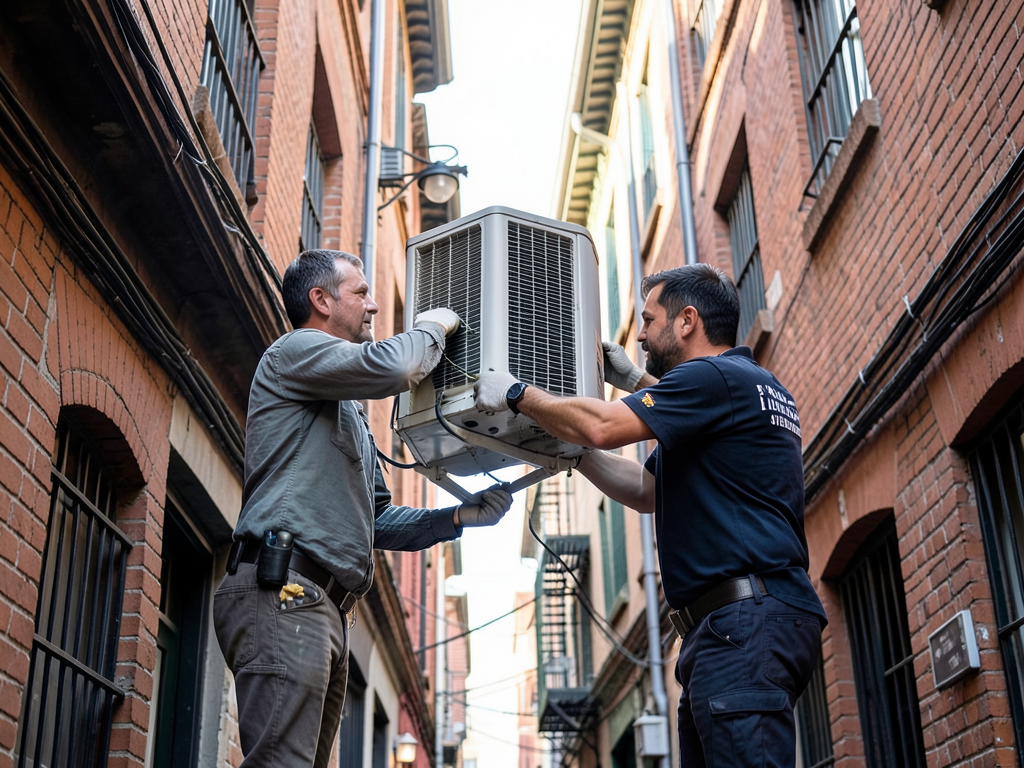
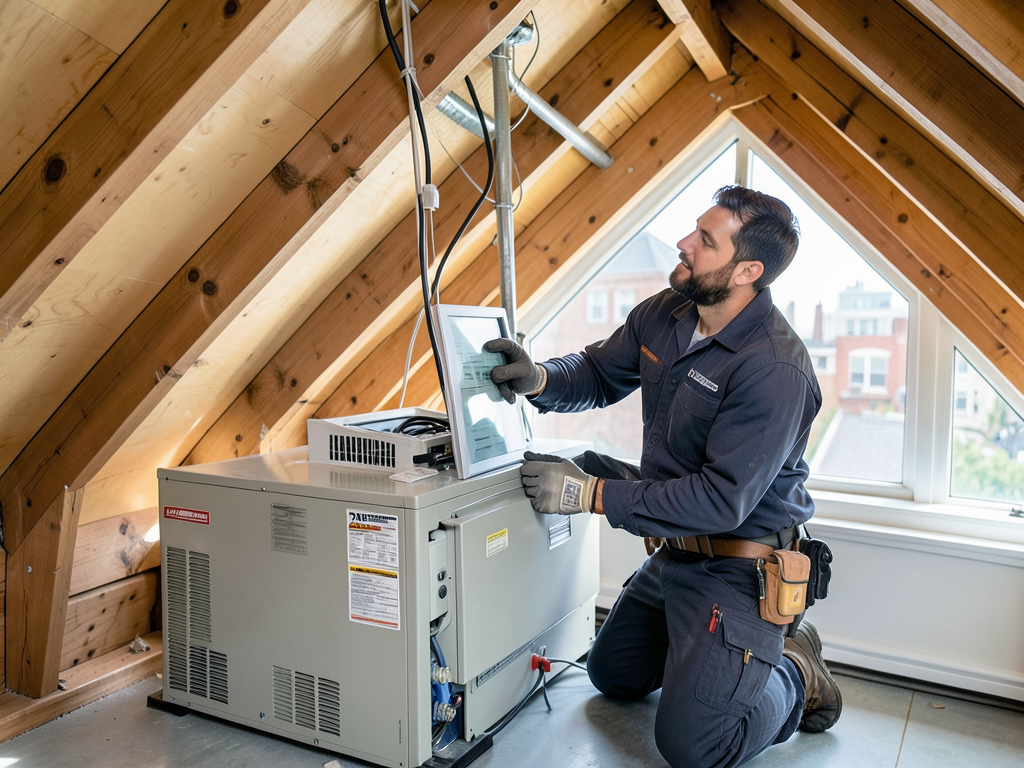
Heating and Cooling Solutions for Sunnyside Attic and Basement Conversions Converting your Sunnyside attic or basement into livable space requires…

Heating and Cooling Solutions for Sunnyside Attic and Basement Conversions

Heating and Cooling Solutions for Sunnyside Attic and Basement Conversions Converting your Sunnyside attic or basement into livable space requires…

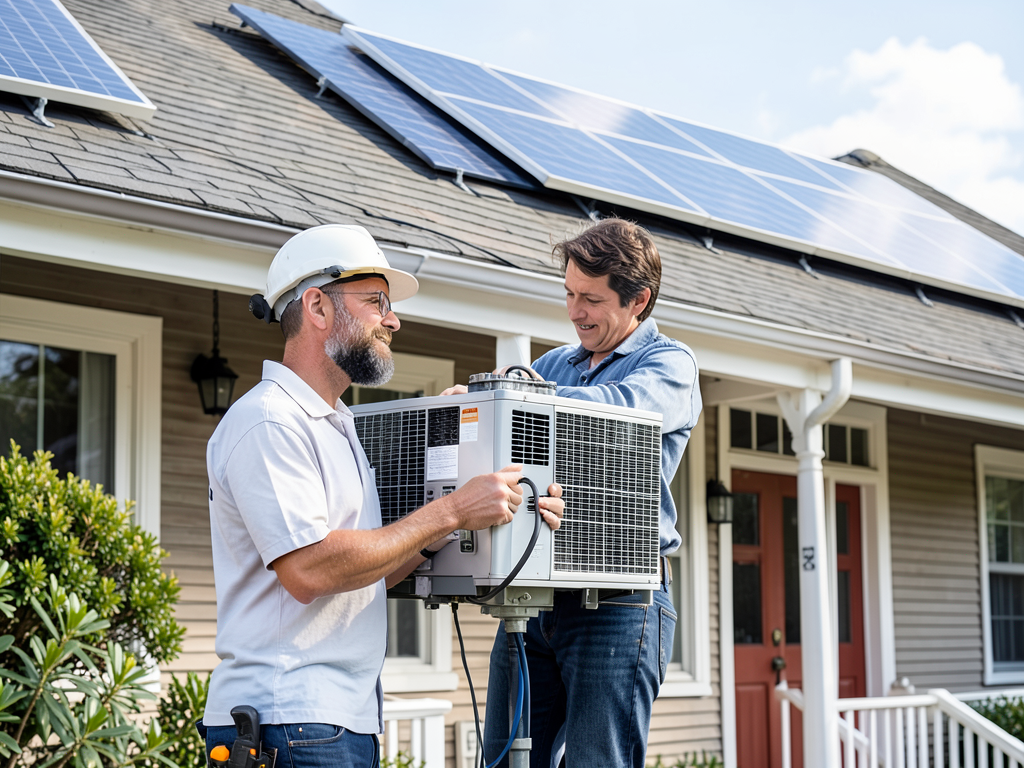
Pairing Your San Francisco Solar Panels with a High Efficiency Heat Pump

Pairing Your San Francisco Solar Panels with a High Efficiency Heat Pump If you have solar panels on your San…

Energy Efficient HVAC Upgrades for Small Businesses in Chinatown

Energy Efficient HVAC Upgrades for Small Businesses in Chinatown Small businesses in San Francisco's Chinatown face unique challenges when it…

Contact Us

Do not wait until your system fails on a cold night. Call Atlas HVAC San Francisco at (628) 201-6600 to schedule your annual heating system maintenance. We will inspect, clean, and optimize your furnace so it runs safely and efficiently all winter.