




menu

Emergency Carbon Monoxide Leak Detection in San Francisco – Same-Day Response When Every Second Counts

Atlas HVAC San Francisco dispatches certified technicians within 60 minutes for urgent carbon monoxide check and professional CO leak inspection, equipped with calibrated detection equipment to locate deadly gas leaks before they threaten your family.

Slider Image 1
Slider Image 2
Slider Image 3
Slider Image 4
Slider Image 5
Slider Image 7
Slider Image 8
Slider Image 9
Slider Image 10
Slider Image 11

Carbon Monoxide Kills Fast in San Francisco's Compact Housing

You smell nothing. You see nothing. Your headache gets worse, and you feel dizzy. Your children complain they feel sick. This is how carbon monoxide poisoning starts in San Francisco homes, and you have minutes, not hours, to respond.

San Francisco's dense housing stock creates unique CO risks. Victorian flats share ventilation systems. Converted garages sit beneath living spaces. Multi-unit buildings route exhaust vents too close to windows. The city's aging infrastructure means older furnaces, cracked heat exchangers, and improperly vented water heaters create silent death traps.

The Marine Layer's humidity accelerates corrosion inside heating equipment. Salt air from the Bay eats through vent pipes faster than inland cities experience. A pinhole leak in your furnace's heat exchanger releases odorless, colorless carbon monoxide into your air supply. By the time your CO detector sounds, concentrations may already be dangerous.

Emergency carbon monoxide testing cannot wait for tomorrow. Professional CO leak inspection requires immediate dispatch, not an appointment three days out. CO gas detection service demands calibrated instruments that measure parts per million in real time, not a handyman with a hardware store detector.

You need technicians who understand San Francisco's specific building challenges. Row houses with shared walls. Basement furnaces with inadequate combustion air. Retrofitted HVAC systems that never met updated ventilation codes. These local factors kill families every year in the Bay Area.

When your CO detector alarms, when you feel unexplained nausea and confusion, when your family shows flu-like symptoms without fever, you need carbon monoxide leak testing now. Not in two hours. Not tomorrow morning. Right now.

Atlas HVAC San Francisco answers emergency calls 24/7 because CO emergencies do not respect business hours.

Carbon Monoxide Kills Fast in San Francisco's Compact Housing
How Professional CO Gas Detection Service Saves Lives

How Professional CO Gas Detection Service Saves Lives

Consumer-grade CO detectors only tell you there is a problem. They cannot tell you where the leak originates, how severe the contamination is, or whether your entire HVAC system needs immediate shutdown. Professional emergency carbon monoxide testing provides those answers in minutes.

Our technicians arrive with digital electrochemical sensors calibrated to detect CO concentrations from 1 to 999 parts per million. We test ambient air first, then trace the source using probe insertion into suspect appliances. A cracked heat exchanger shows elevated readings at the supply plenum. A backdrafting water heater shows high concentrations near the draft hood. A disconnected vent pipe shows dangerous levels in your mechanical room.

We follow a systematic protocol. First, we verify your detector's alarm is accurate using our calibrated instruments. Second, we shut down all combustion appliances immediately. Third, we ventilate the structure by opening windows and doors. Fourth, we isolate each potential source, testing furnaces, water heaters, gas ranges, dryers, and fireplaces individually.

Urgent carbon monoxide check means testing your entire system under normal operating conditions. We fire your furnace and measure exhaust gases at the heat exchanger, at the flue connection, and at the exterior termination. We use combustion analyzers to measure oxygen levels, CO levels, and draft pressure. These readings tell us if your appliance is producing CO during normal operation or only under specific conditions.

San Francisco's building codes require specific clearances and ventilation standards. We verify your mechanical room has adequate combustion air, your vents terminate properly away from windows and air intakes, and your equipment meets current safety standards. A professional CO leak inspection documents every finding with measurable data, not guesswork.

Time matters. Brain damage from CO exposure begins at concentrations above 150 parts per million. You lose consciousness at 400 parts per million. You die at 800 parts per million.

What Happens During Emergency CO Leak Response

Emergency Carbon Monoxide Leak Detection in San Francisco – Same-Day Response When Every Second Counts
01

Immediate Safety Assessment

Our technician measures ambient CO levels in your living spaces within minutes of arrival. If concentrations exceed 70 parts per million, we evacuate occupants immediately and call 911 per San Francisco Fire Department protocol. We shut down all gas appliances and open windows to begin diluting contaminated air. Your safety, not diagnosis, comes first in high-concentration emergencies.
02

Source Isolation and Testing

After ventilation reduces ambient levels to safe ranges, we test each combustion appliance individually. We measure CO output at the burner, test draft pressure at the vent, and verify proper combustion using oxygen sensors. We inspect heat exchangers with fiber optic cameras, checking for cracks invisible to visual inspection. We document which specific equipment is leaking CO and at what concentration.
03

Red Tag and Repair Plan

We red tag any appliance producing dangerous CO levels, rendering it inoperable until proper repair. You receive written documentation showing test results, specific defects found, and required repairs. We explain whether you need heat exchanger replacement, vent repair, or complete appliance replacement. You get a detailed estimate and timeline. We can perform emergency repairs immediately if parts are available.

Why San Francisco Residents Trust Atlas HVAC for CO Emergencies

Carbon monoxide leak testing in San Francisco requires specific knowledge that out-of-area contractors cannot provide. You need technicians who understand how the city's unique housing stock creates unique CO risks.

We work in San Francisco's Victorian flats daily. We know these buildings were never designed for modern forced-air heating. Original gravity furnaces used large-diameter vent pipes with natural draft. Modern high-efficiency furnaces require induced draft blowers and smaller vent pipes. Improper conversions create backdrafting conditions that dump CO into living spaces.

We understand the Mission District's converted garages, where living spaces sit directly above parking areas with gas-fired water heaters. We know the Sunset District's shared-wall construction, where one unit's CO leak can migrate through party walls into adjacent homes. We recognize Nob Hill's high-rise buildings, where rooftop mechanical rooms create complex venting challenges.

Our response time reflects San Francisco's compact geography. We maintain service vehicles positioned throughout the city. Your emergency call in the Richmond District gets a technician from our western route. Your call from Potrero Hill gets our southeastern unit. We do not dispatch from a single shop across town.

Atlas HVAC San Francisco invests in professional-grade detection equipment that costs thousands of dollars per unit. Our Bacharach Monoxor III analyzers provide laboratory-accurate readings in field conditions. Our TPI 716 combustion analyzers measure oxygen, CO, and draft simultaneously. Your emergency deserves better than a contractor waving a consumer detector around your basement.

We document everything for your insurance company and for your records. You receive printed test results showing exact CO measurements, photographs of defective equipment, and written explanations of required repairs. If your CO leak caused property damage or medical treatment, you have professional documentation supporting your claim.

We work directly with PG&E when your emergency involves their equipment or requires gas shutoff. We coordinate with San Francisco Fire Department inspectors when they respond to your CO alarm. We handle the agencies so you can focus on your family's safety.

What to Expect During Emergency CO Detection Service

60-Minute Emergency Response

We answer emergency calls 24 hours a day, 365 days a year. You speak to a live person, not an answering service. We dispatch a certified technician to your San Francisco location within 60 minutes of your call. Our trucks carry calibrated CO detection equipment, combustion analyzers, and emergency repair parts for common failures. We arrive prepared to test, diagnose, and repair in a single visit when possible. Your emergency does not wait for normal business hours, and neither do we.

Comprehensive System Evaluation

Your emergency carbon monoxide testing includes every potential source in your home. We test your furnace, water heater, gas range, clothes dryer, and any other combustion appliance. We inspect vent pipes for disconnections, corrosion, or blockages. We verify adequate combustion air in mechanical rooms. We measure draft pressure to confirm proper venting. You receive a written report documenting test results for each appliance, including CO measurements in parts per million, oxygen levels, and draft readings.

Immediate Hazard Resolution

We stop CO leaks before you go to bed tonight. If your furnace has a cracked heat exchanger, we shut it down and red tag it. If your water heater is backdrafting, we repair the vent or replace the unit. If your problem requires parts we do not carry, we provide temporary solutions like space heaters until permanent repairs are complete. You do not sleep in a home with active CO leaks. We exhaust all options to restore safe heating the same day we identify the problem.

Post-Repair Verification Testing

After repairs, we retest your entire system to verify zero CO production. We run your furnace through complete heating cycles while monitoring CO levels continuously. We test under worst-case conditions, closing doors and windows to simulate low-pressure scenarios that cause backdrafting. We do not consider the job complete until we document sustained zero CO readings across multiple test cycles. You receive final test documentation showing your home is safe. We recommend annual CO testing as preventive maintenance.

Frequently Asked Questions

You Have Questions,
We Have Answers

How do you know if carbon monoxide is leaking? +

You cannot see, smell, or taste carbon monoxide. Warning signs include frequent headaches, dizziness, nausea, or flu-like symptoms that improve when you leave your home. Your gas appliances may show physical clues like yellow or orange flames instead of blue, excessive moisture on windows, or soot marks near furnaces or water heaters. In San Francisco's older Victorian homes and foggy climate, poor ventilation compounds the risk. If your carbon monoxide detector alarms or you suspect a leak, evacuate immediately and call 911. Do not re-enter until a qualified technician clears your home.

How to check for carbon monoxide leak at home? +

Install working carbon monoxide detectors on every level of your home, especially near bedrooms. Test them monthly and replace batteries twice yearly. Visually inspect gas appliances for yellow flames, soot buildup, or condensation on windows. Check that furnace vents and chimneys are clear and unobstructed. In San Francisco's dense housing, shared walls and aging infrastructure increase risk. Schedule annual inspections of your furnace, water heater, and gas stove by a licensed HVAC technician. If you experience unexplained headaches or fatigue at home, evacuate immediately and request emergency testing. Never ignore symptoms.

Can my cell phone detect carbon monoxide? +

No. Your cell phone cannot detect carbon monoxide. Despite rumors about smartphone apps or sensors, consumer phones lack the hardware to measure carbon monoxide gas. Only dedicated carbon monoxide detectors with electrochemical sensors can accurately detect this deadly gas. Do not rely on your iPhone or Android device for safety. Install UL-listed carbon monoxide alarms on every floor of your San Francisco home. Battery-operated or hardwired detectors are inexpensive and proven lifesavers. If you suspect a leak, evacuate immediately and call 911. Technology cannot replace proper detection equipment.

Can you stay in a house with a carbon monoxide leak? +

No. Evacuate immediately if you suspect carbon monoxide. This gas is lethal and causes brain damage or death within minutes at high concentrations. Even low-level exposure causes cumulative harm. Do not stay inside to gather belongings or investigate the source. Get everyone out, including pets. Call 911 from outside or a neighbor's home. In San Francisco's foggy conditions, natural ventilation is often inadequate to clear dangerous gas. Do not re-enter until emergency responders and a certified HVAC technician confirm your home is safe. Carbon monoxide poisoning kills silently. Your life depends on immediate action.

What are two warning signs of carbon monoxide? +

The two clearest warning signs are your carbon monoxide detector alarming and unexplained flu-like symptoms that improve when you leave your home. Physical symptoms include persistent headaches, dizziness, nausea, confusion, and fatigue affecting multiple household members simultaneously. Pets may appear lethargic or sick. Your gas appliances may produce yellow or orange flames instead of blue, or you may notice excessive condensation on windows. San Francisco's older homes often have aging furnaces and poor ventilation, increasing risk. If your detector sounds or you experience these symptoms, evacuate immediately and call 911. Do not dismiss the alarm.

Can a small gas leak make you feel sick? +

Yes. Even a small gas leak causes headaches, nausea, dizziness, fatigue, and respiratory irritation. Natural gas itself is not toxic, but it displaces oxygen and often contains trace amounts of carbon monoxide from incomplete combustion. The added mercaptan odorant (rotten egg smell) can irritate your respiratory system. If you smell gas or feel sick at home, evacuate immediately and call PG&E and 911 from outside. Do not use electrical switches or create sparks. In San Francisco's earthquake-prone region, aging gas lines and seismic shifts increase leak risk. Never ignore symptoms or gas odors.

How quickly will you know if you have carbon monoxide poisoning? +

Symptoms appear within minutes to hours, depending on concentration levels. High concentrations cause headaches, dizziness, and nausea within 15 to 30 minutes, progressing to confusion, loss of consciousness, and death within hours. Low-level exposure causes gradual symptoms over days or weeks, often mistaken for flu. You may feel fine, then suddenly collapse. Carbon monoxide poisoning is unpredictable and deadly. In San Francisco homes with older heating systems and limited air exchange due to fog, buildup happens fast. If you suspect exposure, evacuate immediately and seek emergency medical care. Time is critical for preventing permanent brain damage.

How do I use my iPhone to detect carbon monoxide? +

You cannot use your iPhone to detect carbon monoxide. Apple devices lack the required electrochemical sensors to measure this gas. No app or built-in feature provides accurate detection. Do not rely on smartphone technology for carbon monoxide safety. Install dedicated UL-listed carbon monoxide detectors on every level of your San Francisco home, especially near bedrooms and gas appliances. Some smart home detectors connect to your phone for remote alerts, but the detector itself does the sensing, not your iPhone. If you suspect a leak, evacuate immediately and call 911. Proper equipment saves lives.

Can opening windows reduce carbon monoxide? +

Opening windows helps reduce carbon monoxide levels but does not eliminate danger. Ventilation slows buildup but cannot guarantee safety if the source continues producing gas. Never stay inside hoping fresh air will solve the problem. Evacuate immediately if you suspect a leak. In San Francisco's foggy climate and dense housing, natural airflow is often insufficient, especially in older Victorian homes with limited cross-ventilation. Opening windows is not a fix. You must stop the source. After evacuation, contact emergency services and a licensed HVAC technician to locate and repair the leak before re-entering.

Is there a way to check for carbon monoxide without a detector? +

No reliable method exists without a detector. You cannot see, smell, or taste carbon monoxide. Waiting for physical symptoms is dangerous and potentially fatal. Relying on visual clues like yellow furnace flames or soot is unreliable and reactive, not preventive. The only safe approach is installing working carbon monoxide detectors throughout your San Francisco home. Battery-operated units cost under fifty dollars and save lives. Test detectors monthly and replace them every five to seven years. If you lack detectors and suspect a problem based on symptoms, evacuate immediately and call 911. Do not gamble with invisible danger.

Why San Francisco's Marine Climate Accelerates CO Risks

San Francisco's proximity to the Pacific Ocean and Bay creates corrosion conditions that inland cities never experience. Salt-laden fog attacks metal vent pipes, creating pinhole leaks that allow CO to escape into attics and wall cavities. The Marine Layer's persistent moisture accelerates rust inside heat exchangers, compromising structural integrity years before visible exterior corrosion appears. Your furnace may look fine from outside while the heat exchanger has stress cracks leaking CO into your air supply. This climate factor makes professional CO leak inspection more critical in San Francisco than in dry inland locations. Coastal homeowners need more frequent testing because their equipment degrades faster.

San Francisco's building inspectors recognize CO detection as life-safety equipment under California Mechanical Code Section 420. Atlas HVAC San Francisco maintains current certification in combustion analysis and CO testing procedures. Our technicians complete ongoing training in San Francisco's specific building codes and recognize the city's unique construction challenges. When we document CO hazards, our reports meet the standards San Francisco Fire Department and building inspectors expect. Local expertise matters when your family's safety depends on accurate testing and proper repairs. We understand the accountability that comes with emergency CO response in this city.
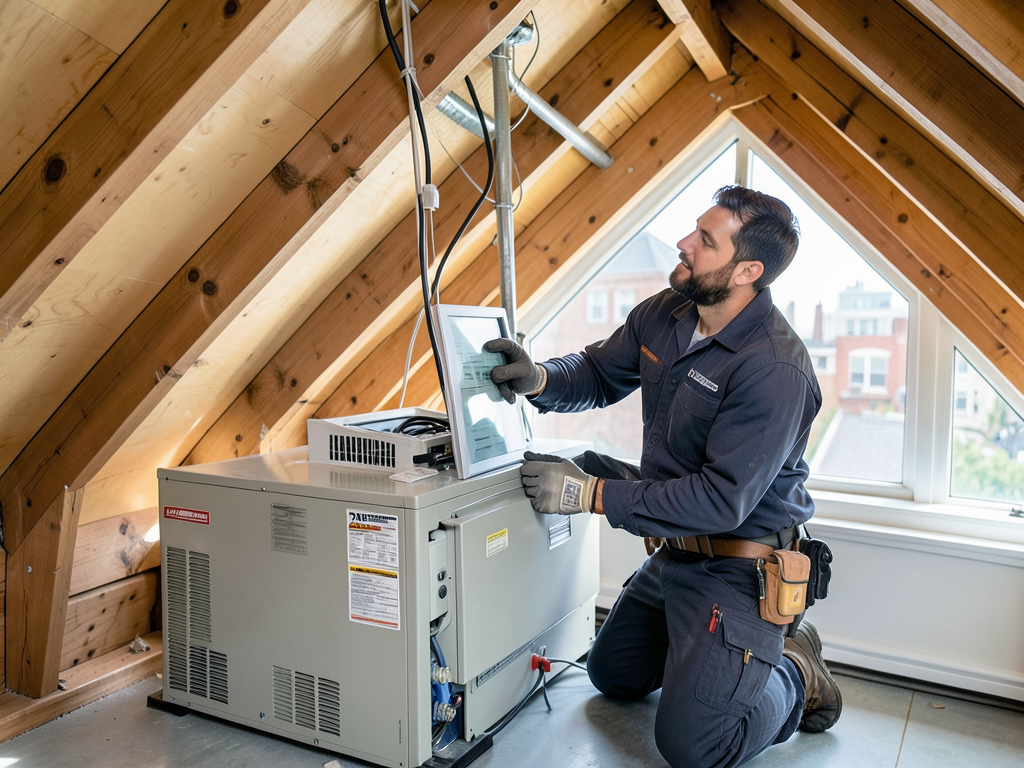
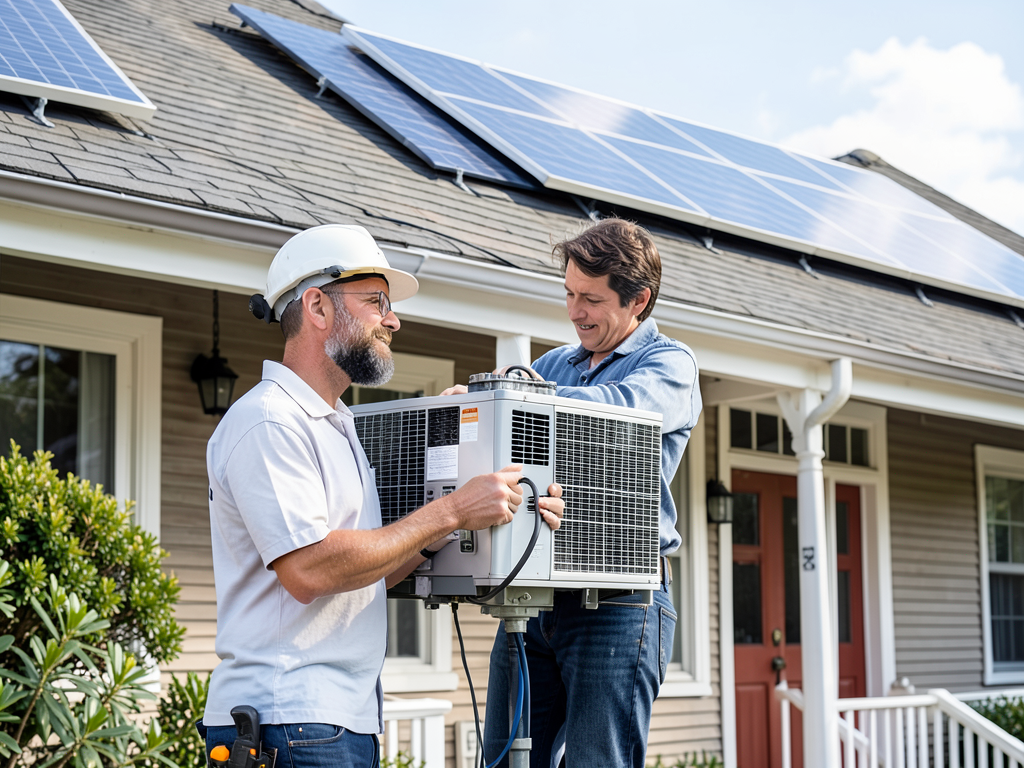
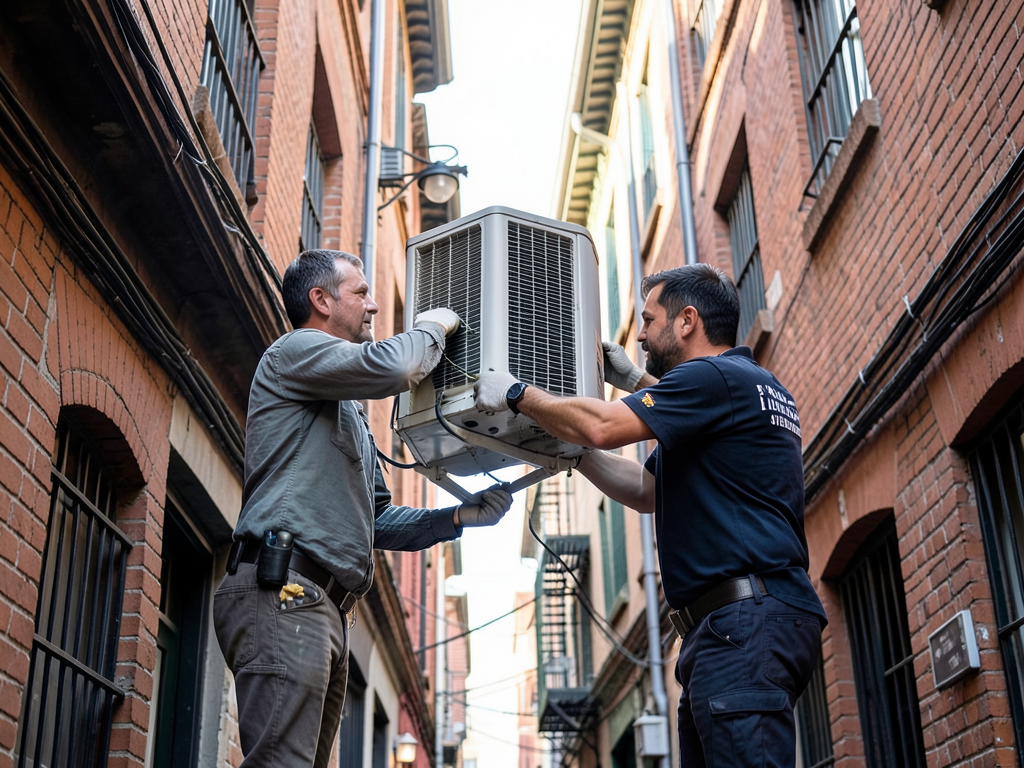
HVAC Services in The San Francisco Area

While we provide mobile service across the entire San Francisco area, you can locate our main office and service dispatch hub on the map below. We are proud to serve all neighborhoods, from the Financial District to the Sunset and Richmond areas, ensuring swift response times for all your heating and cooling needs. Feel free to stop by our location or easily invite our professional team to your residential or commercial property for a consultation.

Address:
Atlas HVAC San Francisco, 1390 Market St, San Francisco, CA, 94102

Additional Services We Offer

Our news updates

Latest Articles & News from The Blogs

Comparing Daikin and Fujitsu Heat Pumps for the San Francisco Climate San Francisco homeowners face unique challenges when selecting heat…

Comparing Daikin and Fujitsu Heat Pumps for the San Francisco Climate

Comparing Daikin and Fujitsu Heat Pumps for the San Francisco Climate San Francisco homeowners face unique challenges when selecting heat…

How High Velocity HVAC Fits Into San Francisco Homes with No Duct Space

How High Velocity HVAC Fits Into San Francisco Homes with No Duct Space San Francisco’s historic Victorian and Edwardian homes…

Should You Repair or Replace That Aging Furnace in Your Forest Hill Home

Forest Hill Homeowners Face a Critical Furnace Decision The damp coastal air and microclimates of San Francisco’s Forest Hill neighborhood…

Contact Us

Your CO emergency cannot wait. Call (628) 201-6600 right now for same-day emergency carbon monoxide testing. We dispatch certified technicians 24/7 across San Francisco with professional detection equipment. Stop the leak today.