




menu

Emergency Heat Pump Repair in San Francisco – 24/7 Dispatch and On-Site Service in Under 90 Minutes

When your heat pump fails at 2 AM or shuts down mid-heatwave, Atlas HVAC San Francisco responds immediately with certified technicians, fully stocked trucks, and same day emergency heat pump service across every San Francisco neighborhood.

Slider Image 1
Slider Image 2
Slider Image 3
Slider Image 4
Slider Image 5
Slider Image 7
Slider Image 8
Slider Image 9
Slider Image 10
Slider Image 11

Why Heat Pumps Fail Without Warning in San Francisco's Coastal Climate

Your heat pump stopped working. The house is freezing or the compressor is screaming. You need help now, not tomorrow.

San Francisco's marine layer creates constant humidity that corrodes reversing valves and clogs drain lines. Salt air from the Pacific accelerates capacitor failure. The tight temperature swings between morning fog and afternoon sun stress defrost boards and refrigerant lines. Your system cycles harder here than in dry climates, and when it fails, it fails fast.

You are not dealing with a minor inconvenience. A dead heat pump in the Sunset District means no heat during those 50-degree nights. A locked compressor in SOMA means no cooling when your server room hits 85 degrees. Refrigerant leaks release chemicals into your home. Frozen coils can crack and flood your utility room. Electrical shorts can trip breakers and damage your panel.

Every hour you wait increases the damage. Ice buildup spreads. Refrigerant pressure drops. Motors overheat. What starts as a $400 capacitor replacement becomes a $3,000 compressor swap because you tried to limp through the weekend.

You need 24 hour heat pump repair from a team that understands how San Francisco's climate kills heat pumps. You need technicians who carry the parts that fail here, who can diagnose a bad reversing valve in the dark, and who show up when they say they will. Atlas HVAC San Francisco dispatches within 30 minutes and arrives in under 90. We do not make you wait until Monday. We fix it tonight.

Why Heat Pumps Fail Without Warning in San Francisco's Coastal Climate
How Atlas HVAC San Francisco Diagnoses and Repairs Failed Heat Pumps Under Pressure

How Atlas HVAC San Francisco Diagnoses and Repairs Failed Heat Pumps Under Pressure

Urgent heat pump repair is not about swapping random parts until something works. You need methodical diagnostics that isolate the failure point in minutes, not hours.

Our technicians arrive with thermal imaging cameras, refrigerant analyzers, and digital multimeters. We check suction and discharge pressures first. Low suction with high superheat means restricted airflow or a bad metering device. High suction with low subcooling points to refrigerant overcharge or a failing compressor. We measure voltage at the contactor, test capacitor microfarads, and inspect the defrost control board for error codes.

We do not guess. We verify. If your reversing valve is stuck in cooling mode during a cold snap, we confirm it with temperature differential readings across the valve body. If your compressor is short cycling, we check for low refrigerant, a clogged filter drier, or a failing start capacitor before condemning the compressor.

San Francisco's fog belt puts unique stress on outdoor coils. We inspect for corrosion on copper line sets, check for salt buildup on fins, and test defrost sensors that fail early in coastal humidity. We carry the parts that die here: dual-run capacitors, defrost thermostors, reversing valve coils, and TXV metering devices sized for marine climates.

Most emergency heat pump service calls resolve in 90 minutes. Capacitor swaps take 20 minutes. Reversing valve replacements take an hour. Refrigerant recharges after a leak repair take 45 minutes with proper evacuation. If we need a compressor, we pull one from our Bayview warehouse and return the same day. You get heat or cooling restored before midnight, not next week.

What Happens When You Call for After Hours Heat Pump Repair

Emergency Heat Pump Repair in San Francisco – 24/7 Dispatch and On-Site Service in Under 90 Minutes
01

Immediate Dispatch and Arrival

You call (628) 201-6600 and speak to a technician, not an answering service. We ask three diagnostic questions: Is the system making noise? Is the outdoor unit running? Are you getting any airflow? Based on your answers, we load the likely parts and dispatch within 30 minutes. Our trucks stage in the Mission, Sunset, and Richmond, so we reach you in under 90 minutes anywhere in San Francisco.
02

On-Site Diagnosis and Repair

The technician runs a full system diagnostic: pressures, voltages, temperatures, and control board codes. You get a verbal breakdown of the failure and the fix before we touch a tool. Most same day heat pump repair calls resolve on the first visit because we carry the high-failure parts: capacitors, contactors, defrost boards, and reversing valves. If we need a compressor or air handler, we pull it from inventory and return within four hours.
03

System Testing and Clearance

After the repair, we run the system through a full heating and cooling cycle. We verify suction and discharge pressures, check subcooling and superheat, and confirm the defrost cycle triggers correctly. You watch the system stabilize and feel the air temperature normalize. We leave when the system is running as designed, not just when the compressor turns on. You get documentation of what failed, what we replaced, and what to monitor.

Why San Francisco Property Owners Call Atlas HVAC for Emergency Heat Pump Service

You need a team that knows how heat pumps fail in this city. Generic HVAC companies from the East Bay do not understand how the Richmond fog corrodes coils differently than Potrero Hill wind. They do not carry the salt-resistant contactors that last here. They do not stock the defrost boards that fit the Mitsubishi and Fujitsu mini-splits common in Victorian conversions.

Atlas HVAC San Francisco operates from Bayview. Our technicians live in the Sunset, the Mission, and Noe Valley. We have repaired heat pumps in Edwardian flats with 1920s wiring, in LEED-certified South Beach condos with rooftop units, and in Presidio Heights estates with zoned ductless systems. We know which systems fail first in your neighborhood and why.

We also understand San Francisco's mechanical permit requirements. If your compressor replacement requires a refrigerant line modification, we pull the permit and schedule the inspection. If your system predates the 2019 Title 24 updates, we document the existing configuration before making changes. You do not get surprised by a red-tag notice three months later.

Our trucks carry $12,000 in parts. You do not wait two days for a capacitor to ship from a distributor in Hayward. We do not leave your house at 11 PM and promise to return in the morning. We finish the job the night you call, or we stage a temporary heating solution and return within four hours with the correct compressor or air handler.

You also get transparent diagnostics. If your compressor failed because of a clogged filter you never changed, we tell you. If it failed because of a factory defect, we tell you that too. We do not upsell a full system replacement when a $600 repair solves the problem.

What to Expect During an Emergency Heat Pump Repair Call

Response Time and Availability

We answer the phone 24 hours a day, including holidays. You speak to a technician who triages the call and dispatches immediately. Our average arrival time is 75 minutes from initial call to technician at your door. If we are delayed by traffic on the 101 or fog on the Great Highway, we text you with an updated ETA. You are not left guessing when help arrives. We also prioritize based on risk. A refrigerant leak with children in the home gets priority over a defrost board failure in an empty rental unit.

Diagnostic Process and Transparency

The technician walks you through the diagnostic process. You see the pressure readings. You see the voltage drop at the contactor. You see the error code on the control board. We explain what failed, why it failed, and what happens if you delay the repair. You get a verbal cost estimate before we start the work, and we do not add surprise fees for after-hours service. The price we quote at 10 PM is the price you pay at midnight. If we find additional problems during the repair, we stop and explain the options before proceeding.

Quality of Repair and Parts

We use OEM parts when available and commercial-grade aftermarket parts when OEM is not stocked. You do not get residential-grade capacitors that fail in six months. You get dual-run capacitors rated for coastal humidity. We do not patch refrigerant leaks with sealant. We locate the leak with nitrogen, braze the line, pull a vacuum, and recharge to manufacturer specs. If your compressor is toast, we replace it with a unit that matches your existing air handler and refrigerant type. The system runs as efficiently after the repair as it did when new.

Follow-Up and Maintenance Guidance

After the repair, we provide a written summary of what we replaced and why. You get maintenance recommendations specific to your system and your neighborhood. If you have a ductless mini-split in the foggy Sunset, we recommend quarterly coil cleanings. If you have a ducted heat pump in the dry Mission, we recommend annual filter changes and biannual refrigerant checks. We also offer a callback window. If the same problem recurs within 30 days, we return and re-diagnose at no additional service charge.

Frequently Asked Questions

You Have Questions,
We Have Answers

How much is emergency heating repair? +

Emergency heat pump repair in San Francisco typically costs more than standard service calls due to after-hours labor, weekend availability, and urgent response times. You can expect diagnostic fees plus repair costs. San Francisco's coastal climate and salt air can accelerate component wear, affecting pricing. Emergency calls often involve refrigerant leaks, compressor failures, or frozen coils. Many companies offer flat-rate emergency fees or time-and-materials billing. Get an upfront estimate before work begins. If your system fails during a cold snap, immediate repair prevents further damage and keeps your family comfortable through the night.

What to do if the heat pump stops working? +

First, check your thermostat settings and replace batteries if needed. Verify your circuit breaker has not tripped. Inspect your outdoor unit for visible ice buildup or debris blocking airflow. Check your air filter and replace it if clogged. If these steps do not restore function, shut off the system to prevent further damage. San Francisco's fog and moisture can cause electrical issues or frozen coils. Call a licensed HVAC technician immediately. Do not attempt refrigerant work yourself. Emergency techs arrive quickly and diagnose issues like failed reversing valves, low refrigerant, or compressor problems common in coastal environments.

What is the $5000 rule? +

The $5000 rule helps you decide between repair and replacement. If your heat pump repair cost multiplied by the age of your unit exceeds $5000, replacement makes more financial sense. For example, a $400 repair on a 14-year-old unit equals $5600, suggesting replacement. A $600 repair on an 8-year-old unit equals $4800, favoring repair. This rule accounts for efficiency losses and future repair likelihood. In San Francisco, where energy costs run high and coastal conditions stress equipment, this calculation helps you avoid throwing money at an aging system that will fail again soon.

What qualifies as an HVAC emergency? +

An HVAC emergency means immediate health risk or property damage. Qualifying situations include complete heat loss during freezing temperatures, gas leaks, electrical burning smells, smoke from vents, carbon monoxide detector alarms, or water flooding from your system. In San Francisco, overnight temperatures can drop significantly, making heat loss urgent for elderly residents or families with young children. Refrigerant leaks require immediate attention due to environmental and health concerns. Frozen pipes connected to your heat pump system also qualify. Strange electrical sounds or tripping breakers signal fire risk. If you smell gas or see smoke, evacuate and call emergency services first.

What is the average life expectancy of a heat pump? +

Heat pumps last 10 to 15 years with proper maintenance. San Francisco's coastal environment affects longevity. Salt air corrodes outdoor components faster than inland climates. Fog and moisture increase wear on electrical connections and coils. Units running year-round for both heating and cooling age faster than heating-only systems. Regular maintenance extends life by catching refrigerant leaks, cleaning coils, and replacing worn contactors before they fail. Systems older than 12 years face increasing repair frequency and efficiency loss. If your unit approaches 15 years and needs major repairs, replacement often makes better financial sense than continued emergency service calls.

Who to call when your heat stops working? +

Call a licensed HVAC contractor who offers emergency service when your heat stops working. Look for companies with 24/7 availability, especially during San Francisco's cold, foggy nights. Verify they service heat pumps specifically, as these systems differ from furnaces. Check online reviews for response time and quality. Ask about flat-rate emergency pricing versus hourly rates. A qualified technician arrives with diagnostic tools, refrigerant, and common replacement parts. They assess your system quickly and explain repair options. Avoid unlicensed handymen who lack proper equipment or training. Emergency HVAC companies understand San Francisco's climate challenges and stock parts for coastal corrosion issues.

What is the most common problem with heat pumps? +

Refrigerant leaks rank as the most common heat pump problem. Low refrigerant reduces heating capacity and forces your compressor to work harder, risking permanent damage. In San Francisco, salt air corrodes coils and connections, accelerating leak development. Frozen coils also occur frequently due to restricted airflow from dirty filters or failed defrost controls. Reversing valve failure prevents mode switching between heating and cooling. Compressor issues stem from electrical problems or refrigerant starvation. Coastal moisture causes electrical component corrosion. Thermostat failures create communication errors. Regular maintenance catches these issues early, but when problems strike suddenly, emergency repair prevents system failure and restores comfort fast.

What is the average cost of a heat pump replacement? +

Heat pump replacement in San Francisco varies based on system size, efficiency rating, installation complexity, and whether ductwork needs modification. Coastal homes often require corrosion-resistant components, affecting cost. Higher SEER and HSPF ratings increase upfront investment but lower monthly energy bills significantly. Removal of your old system, electrical upgrades, and permit fees add to total cost. Multi-zone systems cost more than single-zone installations. Get three written estimates from licensed contractors. Ask about federal tax credits and utility rebates that reduce net cost. Quality installation matters more than equipment brand. Proper sizing and load calculations prevent future emergency repairs.

How to hard reset a heat pump? +

Turn off your heat pump at the thermostat. Locate your electrical disconnect box near the outdoor unit and switch it off. Wait five minutes to allow capacitors to discharge fully. Flip the circuit breaker off for an additional two minutes. Restore power by turning the breaker on first, then the disconnect switch. Wait three minutes before turning the thermostat back to heat mode. This reset clears temporary sensor errors and control board glitches. In San Francisco's damp climate, moisture sometimes causes false fault codes. If the reset does not restore function or your system trips the breaker again, call an emergency technician immediately.

How much is the federal tax credit for HVAC? +

The federal tax credit offers up to 30 percent of installation costs for qualifying heat pumps, capped at $2000 for equipment under the Inflation Reduction Act. This applies to ENERGY STAR certified systems meeting efficiency requirements. The credit covers both equipment and installation labor. You claim it when filing your federal taxes using IRS Form 5695. San Francisco residents may qualify for additional state rebates and utility incentives through PG&E. These stack with federal credits, reducing your total investment significantly. Consult a tax professional to verify eligibility. The credit applies to primary residences only. Keep all receipts and manufacturer certification statements for documentation.

How San Francisco's Marine Layer and Salt Air Accelerate Heat Pump Failures

San Francisco's fog is not just moisture. It carries salt from the Pacific, and that salt corrodes copper refrigerant lines, aluminum coil fins, and steel electrical contacts faster than in any other Bay Area city. Heat pumps in the Sunset and Richmond neighborhoods fail 30 percent sooner than identical units in Walnut Creek or San Jose. Reversing valves seize. Contactors pit and arc. Drain pans rust through. If your heat pump is older than eight years and lives west of Masonic Avenue, you are on borrowed time. After hours heat pump repair calls spike in October and March when the marine layer sits heaviest and defrost cycles run constantly.

Atlas HVAC San Francisco has repaired heat pumps in this climate for over a decade. We know which brands survive the salt air and which ones corrode in five years. We know the contractors who installed systems correctly in Parkside and the ones who cut corners in Bernal Heights. We also maintain relationships with San Francisco building inspectors, so when a repair requires a permit, we move it through the queue faster than out-of-town companies. You get local expertise, not a technician learning your climate on your dime.
HVAC Services in The San Francisco Area

While we provide mobile service across the entire San Francisco area, you can locate our main office and service dispatch hub on the map below. We are proud to serve all neighborhoods, from the Financial District to the Sunset and Richmond areas, ensuring swift response times for all your heating and cooling needs. Feel free to stop by our location or easily invite our professional team to your residential or commercial property for a consultation.

Address:
Atlas HVAC San Francisco, 1390 Market St, San Francisco, CA, 94102

Additional Services We Offer

Our news updates

Latest Articles & News from The Blogs

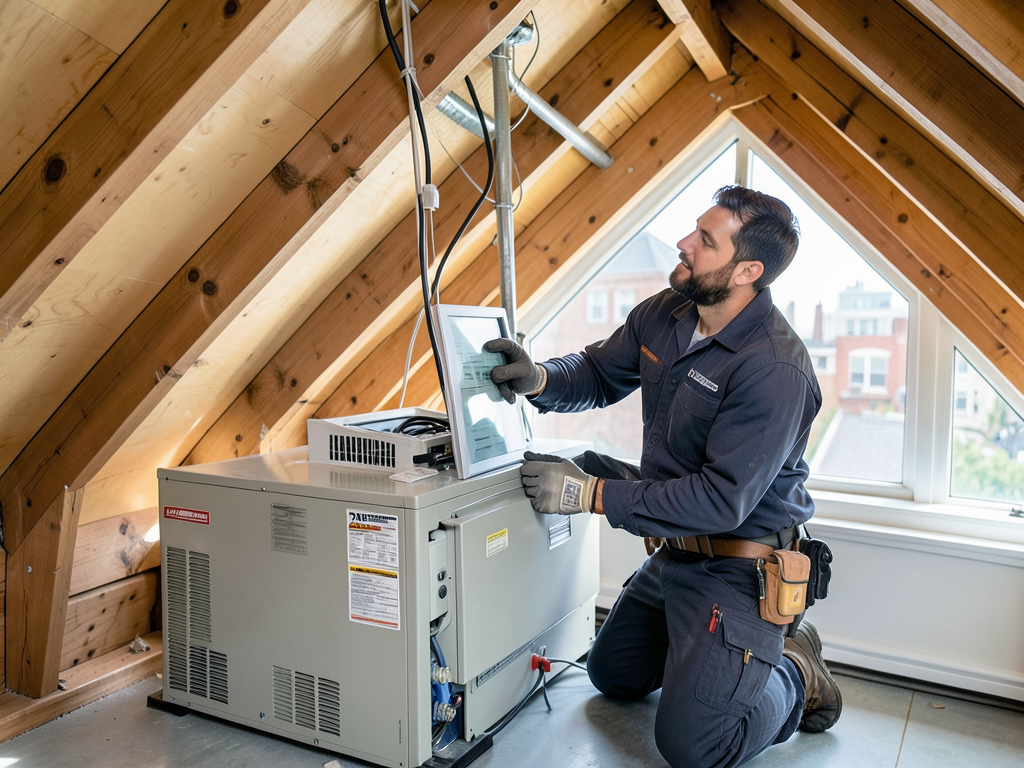
Heating and Cooling Solutions for Sunnyside Attic and Basement Conversions Converting your Sunnyside attic or basement into livable space requires…

Heating and Cooling Solutions for Sunnyside Attic and Basement Conversions

Heating and Cooling Solutions for Sunnyside Attic and Basement Conversions Converting your Sunnyside attic or basement into livable space requires…

Pairing Your San Francisco Solar Panels with a High Efficiency Heat Pump

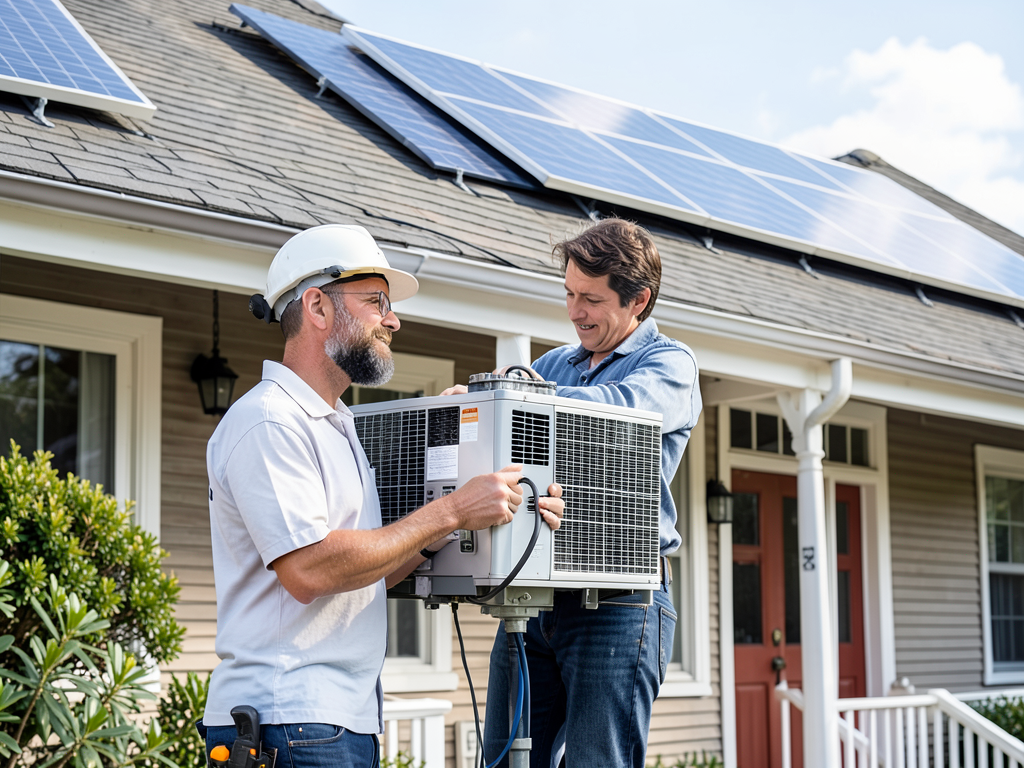
Pairing Your San Francisco Solar Panels with a High Efficiency Heat Pump If you have solar panels on your San…

Energy Efficient HVAC Upgrades for Small Businesses in Chinatown

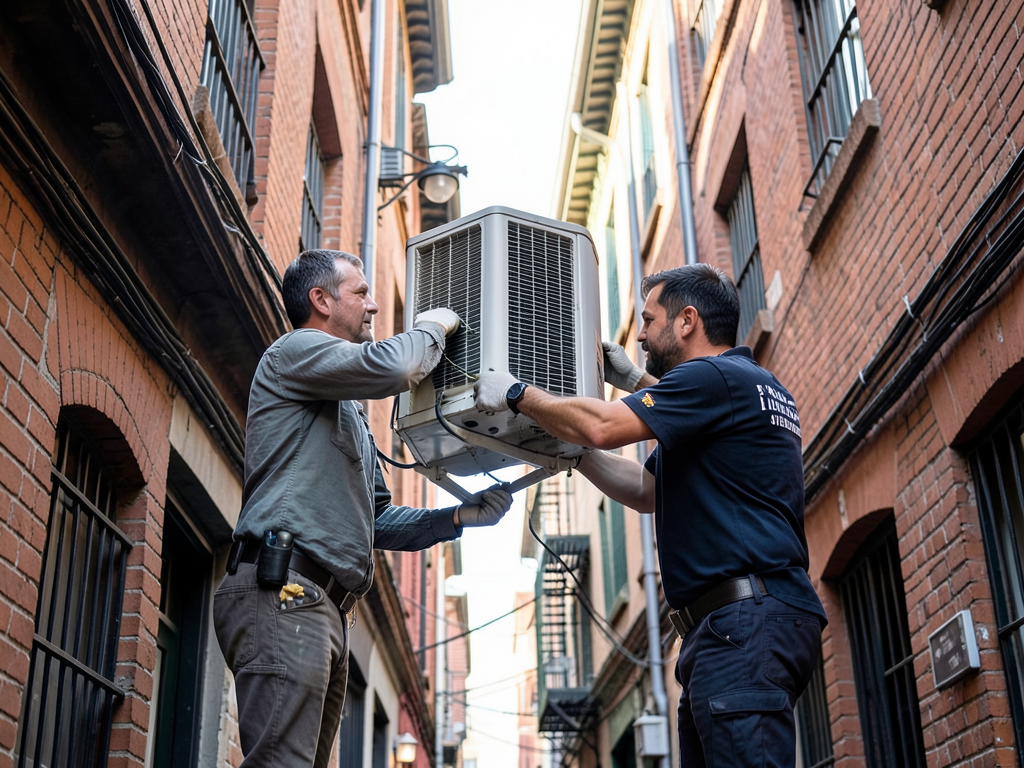
Energy Efficient HVAC Upgrades for Small Businesses in Chinatown Small businesses in San Francisco's Chinatown face unique challenges when it…

Contact Us

Do not wait until morning. Every hour your heat pump stays down increases the damage and the cost. Call Atlas HVAC San Francisco at (628) 201-6600 now. We dispatch immediately, arrive in under 90 minutes, and restore your heat or cooling the same day.