




menu

AC Repair Services in San Francisco – Expert Diagnostics and Complete System Restoration for Residential and Commercial Properties

Atlas HVAC San Francisco delivers precise air conditioning repair backed by decades of experience with the city's diverse microclimates, from foggy Sunset District homes to high-rise Financial District offices.

Slider Image 1
Slider Image 2
Slider Image 3
Slider Image 4
Slider Image 5
Slider Image 7
Slider Image 8
Slider Image 9
Slider Image 10
Slider Image 11

Why San Francisco Air Conditioners Fail More Often Than You Think

San Francisco's unique climate puts air conditioning systems through a strange contradiction. You rarely need cooling for more than a few weeks per year, but when the heat arrives, your AC system must fire up after months of dormancy. This sporadic use pattern creates its own set of problems.

When your air conditioner sits idle through the long, foggy months, refrigerant can settle, capacitors can weaken, and electrical connections can corrode from moisture exposure. Neighborhoods like the Mission and Potrero Hill see temperature swings of 20 to 30 degrees within a single day. Your AC unit cycles on and off repeatedly as the fog rolls in and burns off. This constant cycling wears down compressors and fan motors faster than steady operation would.

Salt air from the Pacific accelerates rust on outdoor condensing units, especially in western neighborhoods like the Sunset and Richmond Districts. The marine layer traps moisture against metal components. You might open your windows most of the year, but when September heat waves push indoor temperatures past 85 degrees, you need your air conditioning repair done fast.

Central air repair becomes urgent when your system fails during one of the city's rare but intense heat events. HVAC repair specialists in San Francisco understand these conditions because they work with them daily. Your air conditioner repair needs differ from systems in climates where AC runs continuously for six months straight. The expertise required to diagnose intermittent-use failures requires local knowledge of how coastal fog and urban heat islands interact.

Why San Francisco Air Conditioners Fail More Often Than You Think
How We Diagnose and Repair San Francisco AC Systems

How We Diagnose and Repair San Francisco AC Systems

Atlas HVAC San Francisco approaches AC service with a systematic diagnostic protocol developed specifically for the challenges of intermittent-use systems in coastal climates. We start every air conditioning repair with manifold gauge readings to measure refrigerant pressures in both the high and low sides of your system. These numbers tell us immediately whether you have a refrigerant leak, a failing compressor, or a restriction in your expansion device.

We use thermal imaging cameras to identify hot spots on electrical connections and circuit boards. Corrosion from salt air creates high-resistance connections that generate heat before they fail completely. Catching these problems during AC service prevents catastrophic failures later. We measure capacitor microfarads with specialized meters because capacitors degrade from disuse just as quickly as from overuse. A capacitor reading 15 percent below specification might start your compressor today but will fail when you need it most.

For central air repair on multi-zone systems common in San Francisco's Victorian flats and renovated homes, we verify that damper actuators move freely and that zone sensors read accurately. Many HVAC repair calls we receive trace back to a single failed zone damper that forces the entire system to work harder. We inspect condensate drain lines for biofilm buildup. Even systems that run infrequently produce condensation, and algae growth in drain pans can cause water damage or trigger float switches that shut down your system.

We test amp draw on compressors and blower motors under load. A compressor pulling higher amperage than nameplate specifications indicates internal wear. We provide you with the actual numbers and explain what they mean for your system's remaining lifespan. You get honest information to make informed decisions about repair versus replacement.

What Happens During Your AC Repair Appointment

AC Repair Services in San Francisco – Expert Diagnostics and Complete System Restoration for Residential and Commercial Properties
01

System Evaluation and Testing

Our technician arrives with diagnostic equipment and tests your system under actual operating conditions. We measure supply and return air temperatures, check refrigerant levels with manifold gauges, and inspect electrical connections. You receive a clear explanation of what we find. This diagnostic phase typically takes 45 to 60 minutes because we test every major component rather than guessing at the problem.
02

Repair and Component Replacement

After identifying the failure point, we explain your options and provide straightforward information about repair feasibility. We carry common parts like capacitors, contactors, and thermostats on our trucks. For compressor or evaporator coil replacement, we order exact-match components. We complete repairs the same day when possible or schedule a follow-up appointment if we need to source specialized parts for older systems.
03

System Verification and Documentation

After completing repairs, we run your air conditioning system through multiple cycles to verify proper operation. We recheck refrigerant pressures, measure temperature drop across the evaporator coil, and confirm that safety controls function correctly. You receive documentation of all work performed, including before and after measurements. We explain any additional maintenance your system might need and answer questions about operation and efficiency.

Why San Francisco Properties Need Local HVAC Expertise

Atlas HVAC San Francisco has spent years working with the specific challenges that affect air conditioning systems in this city. We understand that a home in Noe Valley has different cooling needs than a condo in SoMa. The building codes in San Francisco require specific clearances and installation methods that differ from surrounding counties. Our technicians know these requirements because they work with them on every job.

Many San Francisco buildings date back decades, with electrical systems that barely accommodate modern air conditioning loads. We assess whether your existing electrical panel can safely handle your AC system's amp draw. When we install or repair equipment, we verify that breaker sizes match equipment specifications and that disconnect boxes meet current code. This attention to electrical detail prevents nuisance trips and reduces fire risk.

The city's permitting requirements for HVAC work can be complex. We handle permit applications when required and ensure that installations meet both mechanical and electrical code. Choosing a provider unfamiliar with San Francisco's inspection process can delay your project or result in failed inspections that require expensive rework.

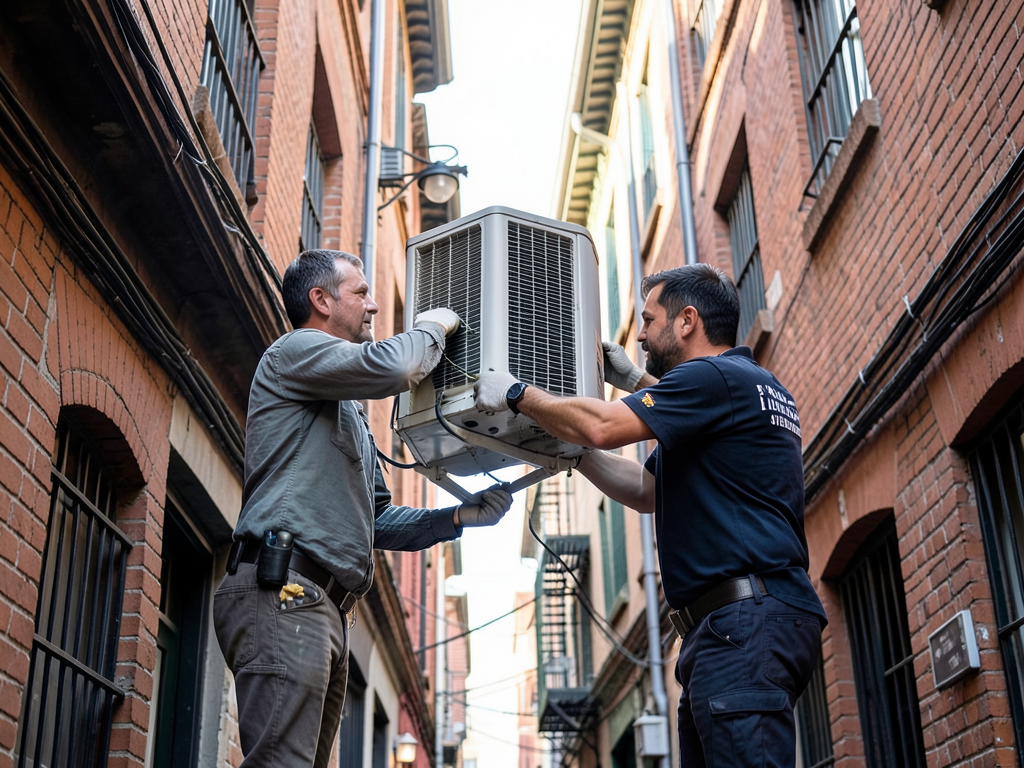
We also understand the practical challenges of accessing equipment in San Francisco's dense neighborhoods. Narrow driveways, shared courtyards, and rooftop installations require planning and the right equipment. We bring the ladders, lifts, and recovery equipment needed to work safely in tight urban spaces. Our technicians park legally and respect your neighbors because we live and work in these same neighborhoods.

When you call Atlas HVAC San Francisco for air conditioner repair, you get technicians who know how the Sutro Tower microwave transmissions can interfere with wireless thermostats, and why condensate pumps fail more often near the ocean. This local knowledge makes diagnosis faster and repairs more reliable.

What You Can Expect From Our AC Repair Service

Response Time and Scheduling Flexibility

We schedule most AC service appointments within 24 to 48 hours of your call. During heat waves, when demand spikes across the city, we prioritize emergency calls where systems have failed completely. We provide arrival windows rather than all-day appointment blocks because your time matters. Our dispatch system sends you text updates when your technician is on the way. For commercial properties, we offer after-hours and weekend appointments to minimize disruption to your business operations. When you need air conditioning repair during a September heat event, we understand that every hour without cooling affects your comfort and productivity.

Transparent Diagnostic Process

Before we perform any HVAC repair work, we explain what we found and what it means for your system. We show you the failed component when possible and explain why it failed. You receive a written estimate that breaks down parts and labor separately. We never upsell unnecessary services. If your system is old enough that major component failure is likely, we tell you honestly so you can budget accordingly. If a simple repair will get you through another season, we recommend that option. Our goal is to give you the information you need to make the right decision for your situation and budget.

Quality of Workmanship and Parts

We use OEM parts whenever possible because aftermarket components often fail prematurely in San Francisco's corrosive coastal environment. Our technicians follow manufacturer specifications for refrigerant charging, using digital scales and superheat calculations rather than rough gauge readings. We vacuum systems to 500 microns before charging to remove moisture that causes compressor failure. Electrical connections receive proper crimps and heat shrink tubing rather than wire nuts. These details take more time but prevent callbacks and extend equipment life. When we complete your air conditioner repair, we clean up completely and remove all old parts and packaging from your property.

Maintenance Recommendations and Follow-Up

After completing central air repair, we provide specific maintenance recommendations based on your system's age and condition. We explain which tasks you can handle yourself, like changing filters quarterly, and which require professional service. We do not push service contracts, but we do offer maintenance visits for customers who want to prevent future breakdowns. Our maintenance includes cleaning coils, checking refrigerant levels, testing capacitors, and inspecting electrical connections. If we spot a component that shows signs of impending failure during routine maintenance, we notify you so you can address it before it fails during the next heat wave. You can call us with questions after your repair, and we keep detailed service records for every property we work on.

Frequently Asked Questions

You Have Questions,
We Have Answers

What is the $5000 AC rule? +

The $5000 AC rule is an IRS guideline for equipment replacement decisions. If your repair cost plus the value of your existing unit equals more than $5000, you may need to capitalize the expense instead of deducting it as a repair. This rule affects how businesses in San Francisco account for HVAC work on their taxes. For residential properties, the rule matters less, but understanding capitalization helps you plan major expenses. Most homeowners face this during full system replacements rather than routine repairs. Consult a tax professional to determine how this applies to your specific situation.

What is the average cost to have your AC serviced? +

AC service costs in San Francisco typically range from moderate to higher than national averages due to local labor rates and permit requirements. A standard maintenance visit runs differently depending on system type and accessibility. Costs increase if you need refrigerant top-offs, capacitor replacements, or electrical work. San Francisco's coastal climate means salt air corrosion can drive up repair frequency. Your system's age and condition determine the final price. Regular maintenance prevents expensive emergency calls. Get multiple estimates from local contractors familiar with Bay Area building codes and microclimates to understand your specific costs.

What is the most expensive repair on an AC unit? +

Compressor replacement is the most expensive AC repair. This component pumps refrigerant through your system and handles extreme pressure and temperature changes. Compressor failure often results from lack of maintenance, electrical issues, or refrigerant problems. In San Francisco, salt air from the Pacific accelerates wear on outdoor components. Replacement requires specialized tools, refrigerant handling certification, and precise electrical work. The compressor cost plus labor can approach the price of a new system. If your unit is over 10 years old, replacement often makes more financial sense than compressor repair.

Can I write off my new AC unit on my taxes? +

You can write off a new AC unit on your taxes under specific conditions. Residential property owners may qualify for energy efficiency tax credits if the unit meets federal efficiency standards. Business owners can deduct AC replacement as a business expense or depreciate it over time. In San Francisco, commercial properties must comply with Title 24 energy codes, which can affect eligible deductions. Medical necessity may qualify some homeowners for deductions. Consult a tax professional familiar with California regulations to determine your eligibility. Keep all receipts, permits, and efficiency ratings for documentation.

What is the 3 minute rule for AC? +

The 3 minute rule for AC protects your compressor from damage. After your system shuts off, wait at least three minutes before restarting it. This delay allows refrigerant pressure to equalize throughout the system. Starting too soon forces the compressor to work against high pressure, which causes wear and potential failure. San Francisco's mild climate means you may cycle your AC less than hotter regions, but the rule still applies. Modern thermostats have built-in delay protection. If you manually control your system, respect this waiting period to extend compressor life and avoid expensive repairs.

What is the average lifespan of an AC unit? +

The average AC unit lasts 15 to 20 years with proper maintenance. San Francisco's mild, coastal climate can extend this lifespan because systems work less hard than in extreme heat regions. However, salt air from the Pacific corrodes outdoor components faster. Regular filter changes, annual tune-ups, and prompt repairs maximize longevity. Units near the coast may need more frequent coil cleaning. Age matters less than maintenance history. If your system needs frequent repairs after year 12, replacement becomes more cost-effective. Newer units offer better energy efficiency, which reduces operating costs in California's expensive energy market.

How much is a tune up on an AC unit? +

An AC tune-up in San Francisco costs vary based on system type and service scope. A basic maintenance visit includes filter replacement, coil cleaning, refrigerant level checks, electrical connection inspection, and thermostat calibration. San Francisco's marine climate requires extra attention to corrosion on outdoor units. Annual tune-ups prevent expensive breakdowns and maintain efficiency. Many contractors offer maintenance agreements that reduce per-visit costs. Schedule tune-ups in spring before cooling season starts. Skipping maintenance voids some warranties and reduces system lifespan. The investment pays for itself through lower energy bills and fewer emergency repairs.

Can I service my AC myself? +

You can handle basic AC maintenance yourself, but most repairs require professional help. Homeowners can change filters monthly, keep outdoor units clear of debris, and clean accessible coils with a garden hose. San Francisco building codes and refrigerant handling laws restrict DIY work. Electrical repairs, refrigerant work, and compressor issues need licensed technicians. Improper DIY repairs void warranties and can cause expensive damage. California requires permits for most HVAC work. You risk violating local codes without proper training. Focus on preventive tasks and leave technical repairs to professionals familiar with Bay Area regulations and equipment.

What is the most expensive part to replace on an air conditioner? +

The compressor is the most expensive part to replace on an air conditioner. This component circulates refrigerant and maintains system pressure. Compressor failure stems from electrical problems, refrigerant leaks, or lack of maintenance. In San Francisco's coastal areas, salt air accelerates corrosion on outdoor components, including compressor connections. Replacement requires EPA certification for refrigerant handling, specialized tools, and electrical expertise. Labor and parts combined make this repair cost-prohibitive for older units. If your system is over 10 years old, full replacement often makes more sense than compressor work. Modern units offer better efficiency for California's energy costs.

What are the most common HVAC repairs? +

The most common HVAC repairs include refrigerant leaks, capacitor failures, contactor problems, dirty coils, and thermostat malfunctions. San Francisco's coastal climate causes unique issues like accelerated corrosion from salt air and debris accumulation from fog and wind. Clogged drain lines happen frequently in humid microclimates. Electrical component failures increase with age. Filter neglect causes airflow problems and frozen coils. Many repairs are preventable through annual maintenance. Catching small issues early prevents expensive failures. Local contractors familiar with Bay Area conditions can identify problems specific to San Francisco's fog belt, Sunset District dampness, or Mission District heat pockets.

How San Francisco's Microclimate Zones Affect Your AC System's Lifespan

San Francisco contains dozens of distinct microclimates within its 49 square miles. Properties in the Marina District experience salt-laden fog that corrodes outdoor AC components within five to seven years, while systems in the Mission District battle dust and temperature extremes that stress compressors differently. The Sunset and Richmond Districts remain cool most of the year, meaning air conditioning systems cycle infrequently but must perform flawlessly during rare heat events. This irregular use pattern causes capacitors to degrade from disuse and refrigerant to settle in ways that stress compressors on startup. Understanding these neighborhood-specific challenges allows us to recommend preventive maintenance schedules tailored to your location rather than applying generic service intervals that waste your money or leave you vulnerable to failure when you actually need cooling.

Atlas HVAC San Francisco has worked on air conditioning systems in every neighborhood from Bayview to Pacific Heights. We know which parts fail first on rooftop units exposed to wind and salt versus systems tucked into protected courtyards in North Beach. We understand San Francisco's Title 24 energy code requirements and can guide you through efficiency upgrade options when repair costs approach replacement economics. Our technicians carry business licenses and maintain relationships with city inspectors, which means your HVAC repair gets done right the first time without callbacks or failed inspections. When you choose a local provider with genuine San Francisco expertise, you get faster diagnosis, appropriate repairs, and honest guidance about when to repair versus replace aging equipment.
HVAC Services in The San Francisco Area

While we provide mobile service across the entire San Francisco area, you can locate our main office and service dispatch hub on the map below. We are proud to serve all neighborhoods, from the Financial District to the Sunset and Richmond areas, ensuring swift response times for all your heating and cooling needs. Feel free to stop by our location or easily invite our professional team to your residential or commercial property for a consultation.

Address:
Atlas HVAC San Francisco, 1390 Market St, San Francisco, CA, 94102

Additional Services We Offer

Our news updates

Latest Articles & News from The Blogs

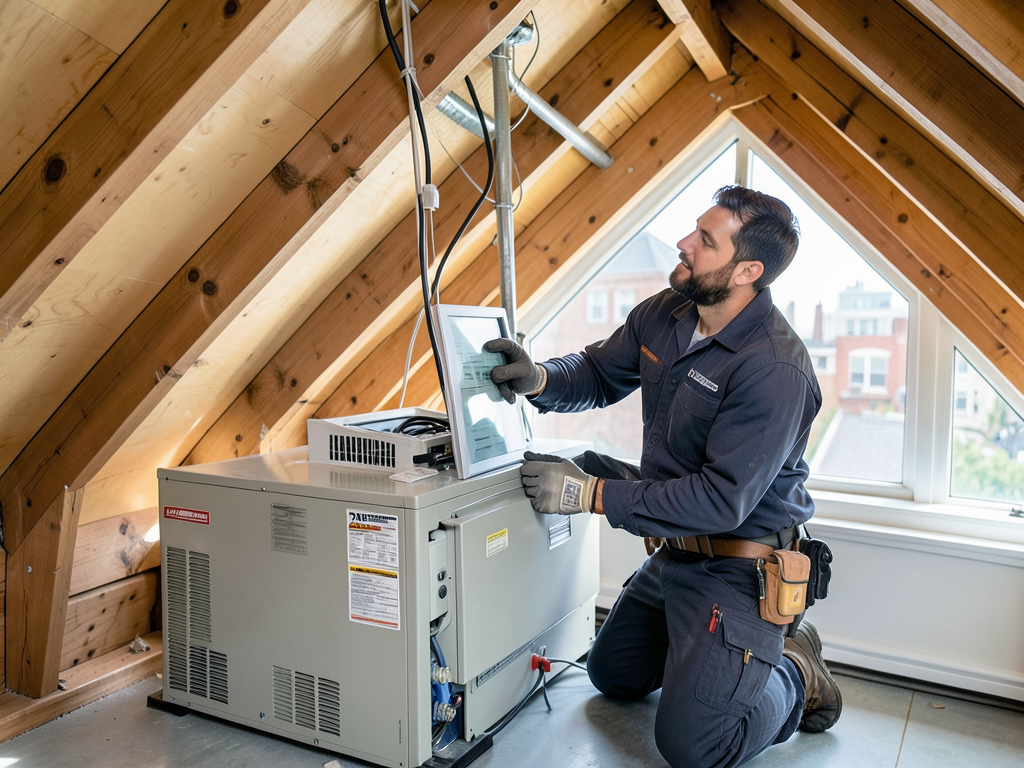
Heating and Cooling Solutions for Sunnyside Attic and Basement Conversions Converting your Sunnyside attic or basement into livable space requires…

Heating and Cooling Solutions for Sunnyside Attic and Basement Conversions

Heating and Cooling Solutions for Sunnyside Attic and Basement Conversions Converting your Sunnyside attic or basement into livable space requires…

Pairing Your San Francisco Solar Panels with a High Efficiency Heat Pump

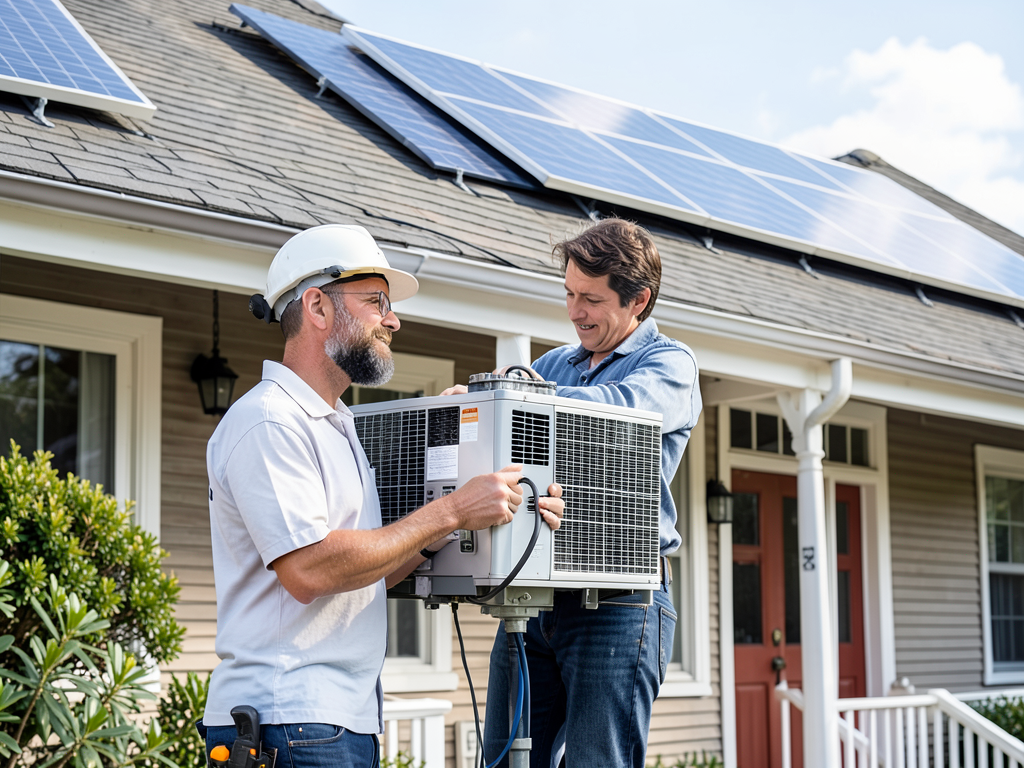
Pairing Your San Francisco Solar Panels with a High Efficiency Heat Pump If you have solar panels on your San…

Energy Efficient HVAC Upgrades for Small Businesses in Chinatown

Energy Efficient HVAC Upgrades for Small Businesses in Chinatown Small businesses in San Francisco's Chinatown face unique challenges when it…

Contact Us

Call Atlas HVAC San Francisco at (628) 201-6600 right now to schedule your AC repair appointment. We answer calls from real people, not answering services, and we will get a qualified technician to your property fast.