




menu

24/7 Emergency AC Repair in San Francisco – Technicians Dispatched in Under 60 Minutes

When your air conditioner fails in the middle of a San Francisco heatwave or during a critical business day, you need immediate help. Our emergency air conditioning repair team is standing by around the clock with fully stocked trucks and the diagnostic tools to restore your comfort fast.

Slider Image 1
Slider Image 2
Slider Image 3
Slider Image 4
Slider Image 5
Slider Image 7
Slider Image 8
Slider Image 9
Slider Image 10
Slider Image 11

When Your AC Fails in San Francisco, Every Minute Without Cooling Counts

San Francisco's microclimates create unpredictable cooling demands. While the Sunset District might sit at 62 degrees, Mission Bay and SOMA neighborhoods can hit 85 degrees by mid-afternoon. When your air conditioner quits during one of these heat spikes, the temperature inside your home or business climbs fast. Families with young children, elderly residents, and anyone with respiratory conditions face real health risks. Businesses lose productivity. Inventory spoils. Customers leave.

You cannot wait until Monday morning when your compressor fails on Saturday night. You cannot afford three days without cooling when your evaporator coil freezes over during a rare September heatwave. The salt air from the Bay accelerates corrosion on condenser coils. The fog-to-sun temperature swings stress thermal expansion joints. These factors make San Francisco air conditioning systems vulnerable to sudden failure.

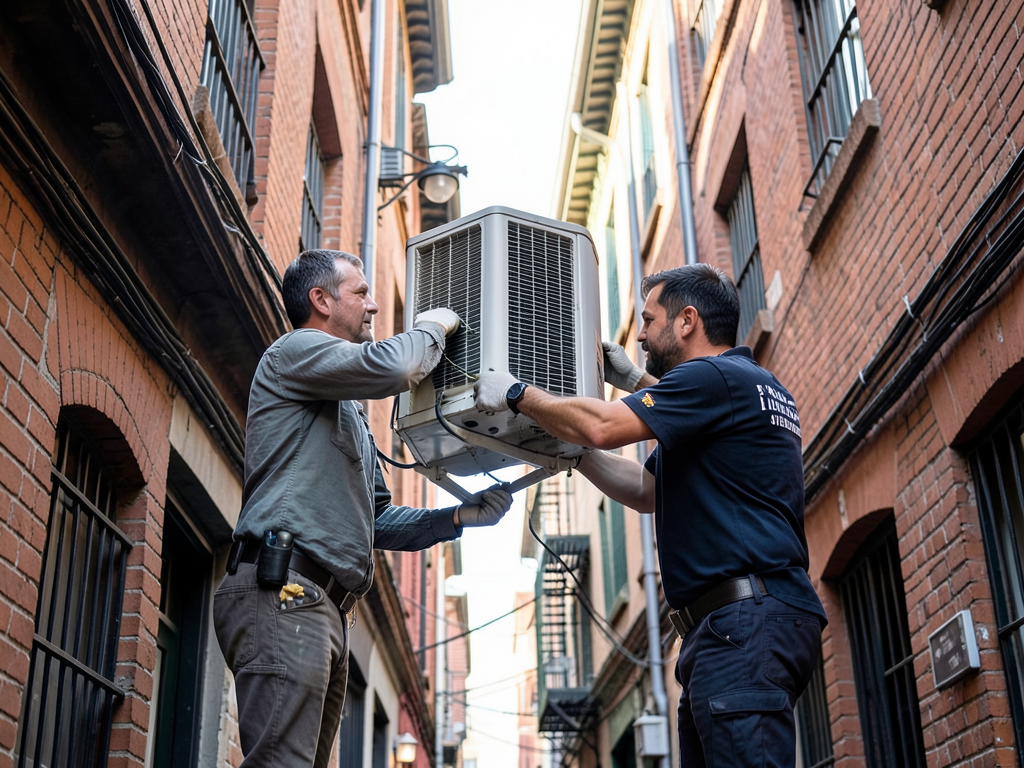
Our 24 hour ac repair service exists for these exact moments. We dispatch technicians to Nob Hill, the Richmond District, Bayview, and every San Francisco neighborhood within an hour of your call. We carry replacement capacitors, contactors, fan motors, and refrigerant in our trucks. Most urgent air conditioner service calls get resolved the same night. When your system fails, you need a team that understands both the equipment and the specific challenges of cooling buildings in this city's unique climate zones. That is what after hours ac repair means at United HVAC Kansas City.

When Your AC Fails in San Francisco, Every Minute Without Cooling Counts
Our Emergency HVAC Repair Protocol Gets Systems Running Again Fast

Our Emergency HVAC Repair Protocol Gets Systems Running Again Fast

Speed matters, but accuracy matters more. A misdiagnosed compressor failure costs you thousands in unnecessary replacement parts. A refrigerant leak patched incorrectly fails again in three days. Our emergency hvac repair process starts with systematic diagnostics, not guesswork.

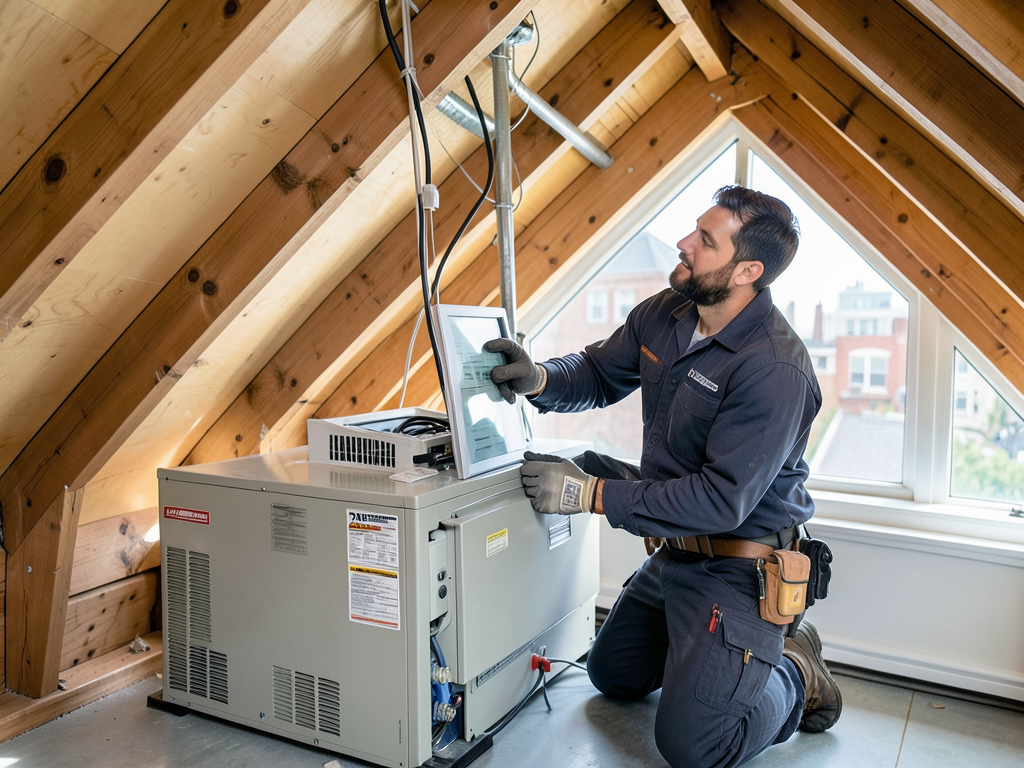
When our technician arrives, they test voltage at the disconnect, check amperage draw on the compressor, and measure superheat and subcool on the refrigerant lines. They inspect the condensate drain for blockages that can trigger float switch shutdowns. They examine the blower motor capacitor, which fails frequently in systems that cycle on and off through San Francisco's temperature variations. These measurements tell us exactly what component failed and why.

We carry the most common failure parts for residential and commercial systems. Compressor contactors, dual run capacitors, blower motor assemblies, thermostat boards, and transformer modules are all stocked. If your compressor itself failed, we can often source a replacement by morning through our commercial HVAC supply relationships and have it installed within 24 hours.

For refrigerant leaks, we use nitrogen pressure testing and electronic leak detectors to find the exact breach point. We do not just top off your refrigerant and leave. That approach fails within weeks. We repair the leak properly using brazing techniques that hold under operating pressure, then evacuate the system and recharge it to manufacturer specifications. You get a repair that lasts, not a temporary patch that fails again when you need cooling most.

What Happens When You Call for Emergency AC Service

24/7 Emergency AC Repair in San Francisco – Technicians Dispatched in Under 60 Minutes
01

Immediate Dispatch and Arrival

You call our emergency line and speak directly with a dispatcher who logs your location and symptoms. We identify the nearest available technician and send them to your address immediately. You receive a text with the technician's name, photo, and estimated arrival time. Most San Francisco locations get a technician on site within 60 minutes, even during peak demand periods like holiday weekends.
02

Diagnostic Testing and Assessment

The technician performs voltage checks, amperage readings, and refrigerant pressure measurements to isolate the failed component. They explain what broke, why it failed, and what repair is needed. You receive a clear breakdown of the work and the cost before any repair begins. If multiple components failed, we prioritize the fixes that restore cooling fastest and address secondary issues next.
03

Repair and System Testing

We complete the repair using OEM-grade parts, then run the system through a full cooling cycle. The technician measures supply air temperature, checks refrigerant pressures again, and confirms proper amperage draw. You feel cold air flowing before we leave. We also identify any components showing early wear that could fail soon, so you can plan ahead and avoid another emergency breakdown.

Why San Francisco Residents and Businesses Trust United HVAC for Emergency AC Repairs

Emergency repair work separates competent HVAC companies from mediocre ones. When a technician arrives at 11 PM on a Sunday, they cannot call the supply house for a part they forgot. They cannot look up a wiring diagram on the job. They need to carry the right tools, stock the right parts, and know the equipment cold.

Our technicians train specifically on the split systems, package units, and multi-zone ductless systems common in San Francisco residential and commercial buildings. They understand how the city's Mediterranean climate affects cooling loads differently than inland climates. They know that buildings in the foggy western neighborhoods rarely need the same tonnage as buildings in the sun-baked eastern districts. This knowledge prevents oversized equipment recommendations and ensures accurate repairs.

We also understand San Francisco's building stock. The Victorian and Edwardian homes in Haight-Ashbury and the Castro often have retrofitted cooling systems with limited electrical capacity. The high-rise condos in South Beach and Mission Bay use central chiller systems with complex zone controls. The commercial spaces in the Financial District and along Market Street run rooftop package units that need different diagnostic approaches than residential splits. Our technicians have repaired systems in all these building types across every neighborhood.

When you call for emergency air conditioning repair, you get a technician who has solved your exact problem before in a building just like yours. That experience translates to faster diagnosis, correct repairs the first time, and cooling restored in hours instead of days.

What to Expect During Your Emergency AC Repair Visit

Response Time and Availability

We staff technicians 24 hours a day, every day of the year. When you call at 2 AM on Christmas morning, you reach a live dispatcher who sends a technician immediately. We do not use answering services or delayed callbacks. Most San Francisco locations receive a technician within 60 minutes during overnight hours and within 90 minutes during peak afternoon demand. If we anticipate a longer wait, we tell you upfront and keep you updated. Our goal is to get cooling restored before temperatures inside your building become unsafe or unbearable.

Diagnostic Process and Transparency

The technician starts with a visual inspection of your outdoor condenser unit and indoor air handler, then moves to electrical and refrigerant testing. You see the meter readings yourself. We explain what each measurement means and what it tells us about component failure. If the compressor shows low amperage and high head pressure, you learn why that indicates a refrigerant restriction. If the blower motor capacitor tests out of range, you see the numbers on the multimeter. This transparency ensures you understand exactly what broke and why the proposed repair will fix it.

Quality of Completed Repairs

We use OEM or equivalent-grade replacement parts, not economy versions that fail early. Contactors get replaced with models rated for the correct amperage and voltage. Capacitors match the microfarad rating and temperature range specified by the manufacturer. Refrigerant gets recovered, recycled, and recharged to exact specifications using manifold gauges and digital scales. When we braze a refrigerant leak repair, we flow nitrogen through the lines to prevent internal oxidation that causes future leaks. These details matter because they determine whether your repair lasts two months or two years.

Follow-Up and Prevention Planning

After restoring your cooling, we document what failed and what components show wear. If your compressor capacitor failed but your fan motor capacitor tests weak, we recommend replacing both to prevent another emergency callout. If your evaporator coil shows heavy dust buildup that contributed to the failure, we explain how regular filter changes and annual coil cleaning prevent repeat issues. You receive a written summary of the completed work and any recommended maintenance. We also offer scheduled maintenance plans that catch component wear before it causes another middle-of-the-night breakdown.

Frequently Asked Questions

You Have Questions,
We Have Answers

What is considered an emergency for AC? +

An emergency AC failure means your home is unsafe or unlivable. Complete system shutdowns during San Francisco heat waves, refrigerant leaks causing chemical odors, electrical burning smells, or water flooding from your unit require immediate help. Homes with infants, elderly residents, or heat-sensitive medical conditions face genuine emergencies when AC fails. Strange loud noises like grinding or screeching signal mechanical failure that can worsen fast. If your thermostat reads over 85 degrees indoors and you cannot cool the space, you need emergency service. Do not wait when safety is compromised.

How much does emergency AC service cost? +

Emergency AC service in San Francisco typically costs more than standard appointments because you pay for immediate availability and after-hours labor. Expect diagnostic fees plus repair costs. Simple fixes like capacitor replacements run lower, while compressor failures or refrigerant leaks cost more. San Francisco's higher cost of living affects labor rates. Most companies charge trip fees for emergency calls, then quote repairs separately. Get a clear estimate before authorizing work. Payment plans exist for major repairs. The cost of waiting during a heat wave often exceeds the emergency fee when you factor in health risks and property damage.

What is the $5000 AC rule? +

The $5000 rule states if your AC repair cost multiplied by your system's age in years exceeds $5000, replace the unit instead. For example, a $1000 repair on a six-year-old system equals $6000, suggesting replacement makes financial sense. This guideline accounts for declining efficiency and future repair likelihood in aging systems. San Francisco's mild climate may extend AC lifespan compared to hotter regions, but the rule still applies. Factor in rising energy costs and improved efficiency of new units. Repairs under this threshold usually justify fixing your current system unless efficiency matters more than upfront cost.

Who do you call when your air conditioner is not working? +

Call a licensed HVAC contractor who offers 24/7 emergency service in San Francisco. Do not call your landlord first if you rent, call the emergency maintenance line in your lease. For homeowners, contact an established local HVAC company with verified reviews and proper licensing. Avoid random Craigslist ads during emergencies. If you smell gas or see sparking electrical components, call 911 first, then the HVAC company. Keep your regular HVAC company's emergency number saved in your phone before you need it. Response time matters when indoor temperatures climb during San Francisco's unexpected heat spikes.

What is the 3 minute rule for AC? +

The three-minute rule protects your compressor from damage. After your AC shuts off, wait at least three minutes before restarting it. This delay lets refrigerant pressures equalize inside the system. Restarting too quickly forces the compressor to work against high pressure, potentially causing failure. If your system short cycles and turns on and off rapidly, you have a serious problem requiring emergency repair. San Francisco's moderate climate means your AC may not run constantly, but the rule still applies every time the system cycles. Ignoring this can destroy your compressor, the most expensive component to replace.

How to stay cool if there is no AC? +

Close blinds and curtains during peak sun hours to block heat. Open windows at night when San Francisco temperatures drop, creating cross-ventilation. Use box fans in windows to pull cool coastal air inside. Stay on lower floors where heat rises less. Wear lightweight, loose clothing and stay hydrated. Take cool showers or use damp towels on your neck and wrists. Avoid using ovens or stoves that generate heat. Spend time in public spaces like libraries or malls with AC. Sleep with a fan pointed at you. These temporary measures work until emergency AC repair restores comfort and safety.

Is it cheaper to repair or replace an AC unit? +

Repair costs less upfront but may not make sense long-term. If your AC is under 10 years old and the repair is minor, fix it. Systems over 15 years old with major failures like compressor or evaporator coil issues often justify replacement. Calculate the $5000 rule for your situation. New units use less energy, saving money monthly on San Francisco's PG&E bills. Repairs provide short-term relief but aging systems fail repeatedly. Consider refrigerant type, R-22 systems face expensive, limited supply issues. Factor in rebates and financing for replacements. Emergency situations require quick decisions, but weigh total ownership costs carefully.

What is the most expensive part of the AC unit to fix? +

The compressor is the most expensive AC component to fix or replace, often costing $1500 to $3000 in parts and labor in San Francisco. This component pumps refrigerant through the system and runs under extreme pressure and heat. Compressor failure usually means replacement makes more sense than repair, especially on older units. Evaporator coils rank second for expense, particularly if refrigerant leaks require coil replacement. Condenser coils and blower motors cost less but still run high during emergency calls. Capacitors and contactors are cheap fixes. When facing compressor replacement quotes, seriously consider full system replacement instead.

Is a broken AC covered by insurance? +

Homeowners insurance rarely covers AC breakdowns from normal wear and tear or age. If your AC fails due to a covered peril like fire, lightning strike, vandalism, or storm damage, insurance may pay for repairs or replacement. Sudden mechanical breakdown riders exist but cost extra and have coverage limits. Refrigerant leaks from gradual corrosion are not covered, but leaks from hail damage might be. Read your policy carefully and document damage with photos. In San Francisco, earthquake damage may fall under separate earthquake insurance. Most emergency AC failures stem from maintenance neglect or age, which insurance excludes.

Can I write off my new AC unit on my taxes? +

You can claim tax deductions if your new AC qualifies as a medical necessity prescribed by a doctor, though this requires detailed documentation and exceeding deduction thresholds. Energy-efficient systems may qualify for federal tax credits through programs like the Inflation Reduction Act, offering credits for high-efficiency heat pumps and central AC units meeting specific SEER ratings. These are credits, not deductions, directly reducing tax owed. Check current IRS guidelines as programs change yearly. Business owners may deduct AC costs as business expenses. Consult a tax professional for your specific situation. Credits apply to new installations, not emergency repairs on existing systems.

How San Francisco's Coastal Climate Creates Unique AC Failure Patterns

The salt-laden fog that rolls through San Francisco accelerates corrosion on outdoor condenser units. Aluminum fins on condenser coils deteriorate faster near the coast than inland locations. Copper refrigerant lines develop pinhole leaks at brazed joints where salt exposure weakens the connection. Electrical contactors and relays corrode internally, causing intermittent failures that are hard to predict. Units located in the Richmond District, Sunset District, or near Ocean Beach face the heaviest salt exposure. This environment makes annual coil cleaning and electrical connection inspection critical. When these maintenance tasks get skipped, emergency failures happen during the handful of hot days when you actually need cooling.

San Francisco's HVAC contractors must understand microclimates to recommend properly sized equipment and diagnose unusual failures. A system that works perfectly in Bernal Heights might struggle in the hotter Mission District. Units that cycle frequently through fog-to-sun transitions wear differently than systems running steady in consistent climates. We have repaired air conditioners across every San Francisco neighborhood for years. That experience means we recognize failure patterns specific to your building's location and can prevent future breakdowns through targeted maintenance. Choosing a contractor who knows this city's unique cooling challenges means better diagnostics and repairs that account for local conditions.
HVAC Services in The San Francisco Area

While we provide mobile service across the entire San Francisco area, you can locate our main office and service dispatch hub on the map below. We are proud to serve all neighborhoods, from the Financial District to the Sunset and Richmond areas, ensuring swift response times for all your heating and cooling needs. Feel free to stop by our location or easily invite our professional team to your residential or commercial property for a consultation.

Address:
Atlas HVAC San Francisco, 1390 Market St, San Francisco, CA, 94102

Additional Services We Offer

Our news updates

Latest Articles & News from The Blogs

Heating and Cooling Solutions for Sunnyside Attic and Basement Conversions Converting your Sunnyside attic or basement into livable space requires…

Heating and Cooling Solutions for Sunnyside Attic and Basement Conversions

Heating and Cooling Solutions for Sunnyside Attic and Basement Conversions Converting your Sunnyside attic or basement into livable space requires…

Pairing Your San Francisco Solar Panels with a High Efficiency Heat Pump

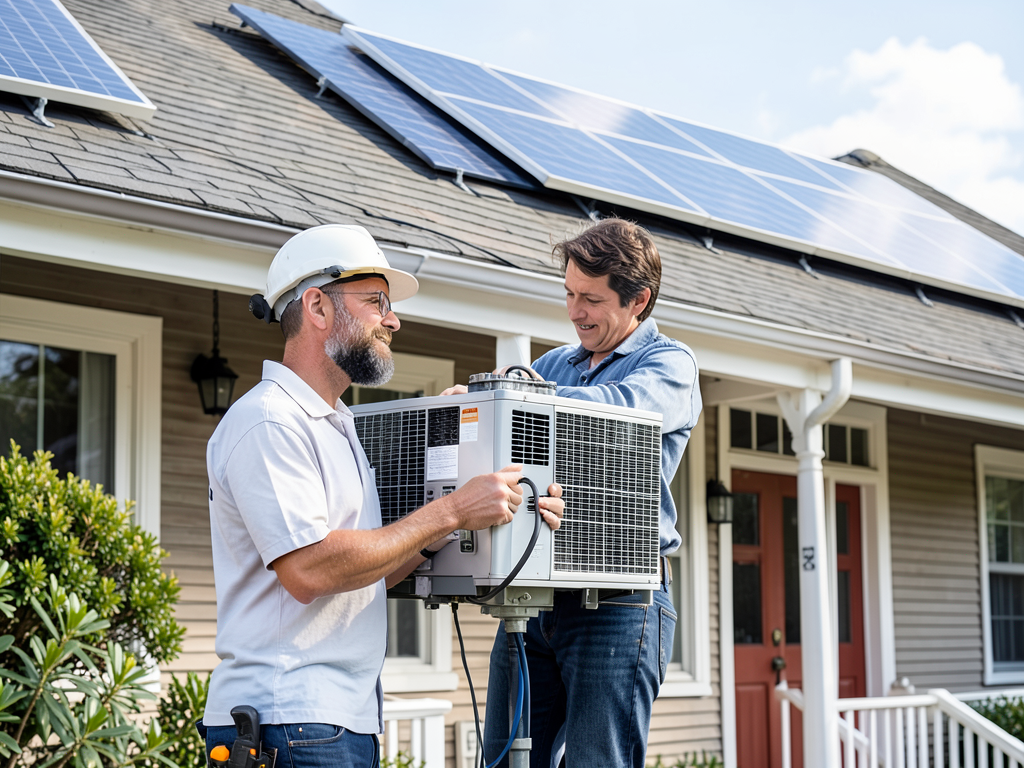
Pairing Your San Francisco Solar Panels with a High Efficiency Heat Pump If you have solar panels on your San…

Energy Efficient HVAC Upgrades for Small Businesses in Chinatown

Energy Efficient HVAC Upgrades for Small Businesses in Chinatown Small businesses in San Francisco's Chinatown face unique challenges when it…

Contact Us

Your air conditioner does not wait for business hours to fail. Neither do we. Call (628) 201-6600 now and speak directly with our dispatch team. We will send a technician to your location immediately and have your system cooling again within hours.