




menu

Frozen AC Coil Repair in San Francisco – 24/7 Emergency Response When Your System Ices Up

Fast frozen AC coil repair across San Francisco with same-day dispatch, expert diagnostics, and immediate freeze up solutions to restore cold air before the heat becomes unbearable.

Slider Image 1
Slider Image 2
Slider Image 3
Slider Image 4
Slider Image 5
Slider Image 7
Slider Image 8
Slider Image 9
Slider Image 10
Slider Image 11

When Your AC Coils Ice Over in San Francisco, Every Minute Without Cold Air Counts

You walk over to check why your AC stopped blowing cold air and find thick ice coating the evaporator coils. The warm air hits you immediately. Your home heats up fast.

San Francisco's microclimates create unique HVAC challenges. The fog-heavy mornings in the Sunset and Richmond districts mean your AC unit cycles on and off constantly as temperatures swing 20 degrees in a few hours. This constant cycling stresses refrigerant flow and causes evaporator coil icing when airflow restrictions develop. The marine layer keeps humidity levels high in coastal neighborhoods, which compounds ice buildup on dirty coils or when refrigerant charge drops below optimal levels.

When you need emergency AC freeze up repair, the ice is just the symptom. The root cause sits deeper in your system. Restricted airflow from clogged filters traps cold refrigerant in the evaporator too long. Low refrigerant charge from a leak drops coil temperature below freezing. A failing blower motor reduces air velocity across the coil surface. Dirty evaporator fins block heat exchange. Each scenario requires different AC evaporator coil icing repair protocols.

The ice itself damages your system if you keep running it. Liquid refrigerant floods back to the compressor, causing valve damage and bearing wear. The frozen coils block all airflow, forcing your blower motor to overheat. When you need to fix frozen air conditioner coils, you need technicians who understand refrigerant dynamics, not handymen who just thaw the ice and leave.

Atlas HVAC San Francisco responds to iced up air conditioner service calls across the city because we know San Francisco homeowners cannot wait days in the heat.

When Your AC Coils Ice Over in San Francisco, Every Minute Without Cold Air Counts
How We Fix Frozen AC Coils the Right Way

How We Fix Frozen AC Coils the Right Way

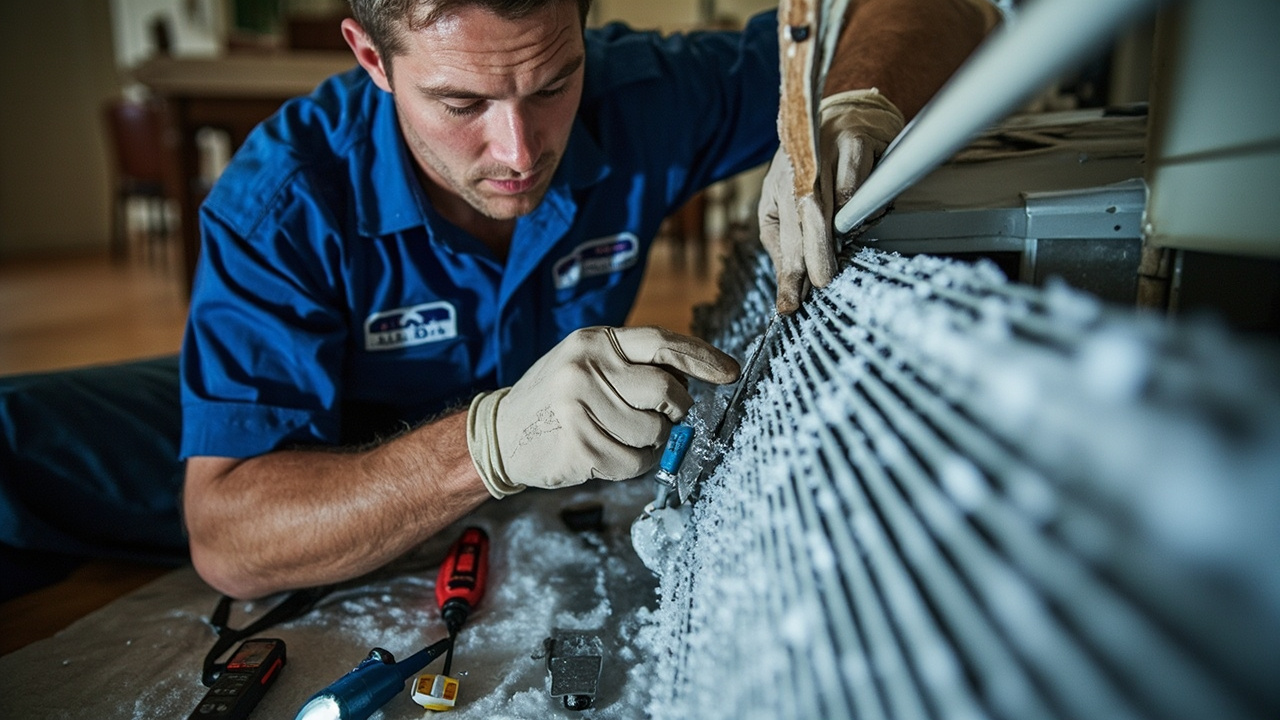
Most companies thaw your coils, restart your system, and hope the problem does not return. We diagnose why your evaporator froze in the first place.

Our technicians arrive with manifold gauges, micron vacuum pumps, refrigerant scales, and thermal imaging cameras. We measure subcooling and superheat values to determine if your refrigerant charge matches manufacturer specifications. We test static pressure across the air handler to identify airflow restrictions. We inspect the metering device for debris or malfunction. We check blower motor amperage draw and capacitor microfarad readings.

For repair frozen HVAC evaporator scenarios caused by low airflow, we clean or replace filters, clean evaporator fins with specialized coil cleaner, and verify duct dampers operate correctly. When the blower motor tests weak, we replace it before the bearings seize. If the evaporator coils show dirt buildup that cannot be cleaned in place, we recommend coil replacement to restore proper heat exchange.

For refrigerant-related freeze ups, we locate leaks using electronic leak detectors and UV dye. We repair the leak point with brazing or component replacement. We pull a deep vacuum to remove moisture and air from the lines. We charge the system to exact specifications using our refrigerant scale, not guesswork. We verify pressures match ambient temperature charts before we leave.

San Francisco's Victorian and Edwardian homes often have undersized return air pathways or restrictive ductwork that starves the evaporator of airflow. We identify these design flaws during our diagnostics and recommend solutions that prevent future icing. Our technicians understand how your building's architecture affects HVAC performance, which separates competent repair from repeated service calls.

What Happens During Your Emergency Frozen Coil Repair Visit

Frozen AC Coil Repair in San Francisco – 24/7 Emergency Response When Your System Ices Up
01

Immediate System Shutdown

We shut down your AC immediately to prevent compressor damage from liquid refrigerant flooding. We document ice thickness and location with photos. We switch your thermostat to fan mode to begin passive thaw using room temperature air circulation. This controlled thaw takes 30 to 90 minutes depending on ice severity. We protect your floors and belongings from condensation runoff with absorbent pads and collection pans positioned under the air handler drain.
02

Comprehensive System Diagnostics

Once thawed, we run voltage and amperage tests on all electrical components. We measure refrigerant pressures at both the suction and liquid lines while the system operates. We calculate superheat at the evaporator outlet and subcooling at the condenser outlet to determine exact refrigerant charge status. We inspect the expansion valve or orifice tube for proper operation. We test temperature splits across the evaporator coil. We measure airflow in cubic feet per minute using our anemometer to verify adequate air movement.
03

Targeted Repair and Verification

We execute repairs based on diagnostic findings. This might mean cleaning coils, replacing filters, fixing refrigerant leaks, adjusting charge, replacing the blower motor, or clearing drain lines. After repairs, we run the system through multiple cooling cycles while monitoring pressures and temperatures. We verify the evaporator maintains proper operating temperature without ice formation. We check that condensate drains freely and airflow reaches manufacturer specifications. You get written documentation of all measurements and repairs performed before we leave your property.

Why San Francisco Homeowners Call Atlas HVAC for Frozen Coil Emergencies

When your AC ices up, you need technicians who understand San Francisco's specific HVAC challenges, not generic solutions copied from a manual.

Our team knows how the city's microclimates affect AC performance. We have repaired frozen coils in Noe Valley's sheltered hills where afternoon heat spikes stress aging systems. We have diagnosed freeze ups in Marina District homes where salt air corrodes coil fins and accelerates airflow restrictions. We have fixed iced evaporators in Bernal Heights where older homes lack adequate return air pathways.

San Francisco's building stock presents unique complications. Many homes have HVAC systems retrofitted into structures built before central air conditioning existed. These installations often compromise airflow with undersized ducts, multiple turns, and restricted returns. We identify these architectural limitations during our diagnostics and provide practical solutions that work within your home's constraints.

Our technicians carry full refrigerant inventory for R-410A, R-22, and older refrigerants still operating in San Francisco's housing stock. We arrive prepared to complete repairs without return trips for parts. Our trucks stock replacement motors, capacitors, contactors, and filters for common residential systems throughout the city.

We respond to emergency calls across all San Francisco neighborhoods within the same day. When you call our dispatch line, you speak with someone who understands HVAC terminology and can assess your situation accurately. We provide realistic arrival windows and keep you updated if traffic or previous calls create delays.

Atlas HVAC San Francisco employs technicians who pursue ongoing education in refrigerant management, building science, and diagnostic techniques. Our team stays current on EPA regulations, California Title 24 energy code requirements, and manufacturer updates for equipment changes.

What to Expect When You Schedule Frozen AC Coil Repair

Emergency Response Timeline

We dispatch technicians to frozen coil emergencies within hours of your call, not days. Our service area covers all San Francisco neighborhoods from the Financial District to Outer Sunset. Most emergency calls receive same-day service when you contact us before 4 PM. Evening and weekend calls receive next available dispatch. Our technicians call 30 minutes before arrival and come prepared with diagnostic equipment and common repair parts. The thaw process alone takes 30 to 90 minutes before we can begin diagnostics, so plan for a 2 to 4 hour service window depending on repair complexity.

Thorough Diagnostic Process

Our technicians perform complete system evaluation to identify root causes, not just surface symptoms. We test refrigerant pressures, electrical components, airflow volumes, and heat exchange efficiency. We check your air filter condition, ductwork for restrictions, drain lines for clogs, and evaporator fins for dirt buildup. We measure voltage supply, amperage draw on motors, and capacitor health. You receive written documentation of all measurements with explanations of what the numbers mean for your system. We present repair options with clear explanations of what each option solves and why it matters for long-term performance.

Permanent Repair Results

We complete repairs that address the actual problem causing your coils to freeze. If low refrigerant caused the ice, we find the leak, repair it, evacuate the system, and recharge to specifications. If airflow restriction caused the freeze, we clean coils, replace filters, clear ducts, or repair blower components. We verify repairs by running your system through multiple cooling cycles while monitoring operating pressures and temperatures. Your AC leaves our service operating within manufacturer specifications. We explain what caused the original freeze and provide guidance on preventing recurrence through proper maintenance intervals.

Service Documentation and Prevention

You receive detailed service records showing all measurements taken, components tested, parts replaced, and repairs completed. We document refrigerant type, charge amount added, leak repair locations, and operating pressures after service. This documentation proves valuable for future service calls and helps track your system's maintenance history. We provide straightforward maintenance recommendations based on your specific system and home conditions. This includes filter change intervals appropriate for San Francisco's air quality, coil cleaning schedules for coastal neighborhoods, and refrigerant leak monitoring for older systems. No pressure, just practical guidance for keeping your AC running reliably.

Frequently Asked Questions

You Have Questions,
We Have Answers

How do you fix a frozen AC coil? +

Turn off your AC immediately to prevent compressor damage. Switch your thermostat to fan-only mode to begin melting the ice. Check and replace your air filter if it looks dirty. Inspect return vents for blockages. Once the ice melts completely, check for airflow issues or refrigerant leaks. If the coil refreezes after you restart the system, you have a deeper problem. Call a licensed HVAC technician in San Francisco right away. Frozen coils signal airflow restriction or refrigerant loss, both of which require professional diagnosis and repair to prevent costly compressor failure.

Can an air conditioner coil be repaired? +

Yes, but replacement is often more practical. Minor coil damage like small leaks can be repaired using specialized brazing techniques and sealants. However, coils corrode over time, especially in San Francisco's coastal salt air. If your coil shows widespread corrosion, multiple leaks, or fin damage, replacement delivers better long-term reliability. A technician will pressure test the coil and evaluate whether repair or replacement makes financial sense. Temporary coil repairs can fail quickly, leaving you without cooling when you need it most. Get a professional assessment before deciding.

What would cause a coil to freeze up? +

Three main culprits cause coil freezing. First, restricted airflow from a clogged filter, blocked return vents, or a failing blower motor starves the coil of warm air. Second, low refrigerant from a leak drops coil temperature below freezing. Third, dirty coils covered in dust and grime reduce heat exchange efficiency. San Francisco's moderate climate means AC systems sometimes sit idle for months, allowing dust buildup. Thermostat malfunctions and closed supply registers also contribute. Frozen coils never fix themselves. The underlying cause requires professional diagnosis to prevent repeat failures and compressor damage.

What is the 3 minute rule for AC? +

The 3-minute rule prevents compressor damage during frequent cycling. After shutting down your AC, wait at least three minutes before restarting. This waiting period allows refrigerant pressures to equalize throughout the system. Starting the compressor under unequal pressure forces it to work harder, generating excessive heat and wearing internal components. Modern AC units often include time-delay relays that enforce this rule automatically. If your system keeps tripping breakers or short-cycling, you may have a failing relay or compressor issue. Follow this rule religiously during emergency troubleshooting to avoid turning a frozen coil into a dead compressor.

How do you defrost AC coils fast? +

Turn off the AC at the thermostat immediately. Switch to fan-only mode to circulate room-temperature air across the frozen coil. Open the access panel to improve air circulation if you can do so safely. Never chip ice off manually or use heat guns, which can damage fins and refrigerant lines. A frozen coil typically takes 2 to 8 hours to thaw completely depending on ice thickness. San Francisco's mild temperatures help speed this process compared to hotter climates. While waiting, replace your air filter and clear blocked vents. Once thawed, investigate the root cause before restarting the system.

Is it normal for AC coils to freeze in winter? +

No, AC coils should never freeze regardless of season. San Francisco's mild winters mean many residents run AC year-round for dehumidification or during unseasonably warm days. If your coil freezes during winter operation, you have a serious problem. Low outdoor temperatures can affect heat pump performance, but standard AC coils freezing indicates airflow restriction, refrigerant loss, or thermostat issues. Running AC below 60 degrees outdoor temperature can cause freezing in some systems. Turn off your unit immediately and call a technician. Ignoring winter freezing leads to compressor failure and expensive emergency repairs.

What is the $5000 rule for AC? +

The $5000 rule is a replacement guideline, not a repair threshold. Multiply the repair cost by your system's age in years. If the total exceeds $5000, replacement makes more financial sense than repair. For example, a $700 coil repair on a 10-year-old system equals $7000, suggesting replacement. This rule accounts for diminishing returns on aging equipment. San Francisco's moderate climate extends AC lifespan compared to hotter regions, but coastal salt air accelerates corrosion. Use this rule as a starting point, but factor in energy efficiency gains and remaining equipment life when making your decision.

How much labor does it cost to replace an AC coil? +

Labor for AC coil replacement typically ranges from 3 to 8 hours depending on system accessibility and coil type. Evaporator coil replacement requires refrigerant recovery, brazing, pressure testing, and recharging, which takes longer than condenser coil swaps. San Francisco's older housing stock often has tight attic spaces or awkward furnace placements that increase labor time. Total project cost depends on coil type, refrigerant requirements, and whether ductwork modifications are needed. Always get detailed written estimates from licensed contractors. Emergency weekend or after-hours service commands premium rates, so schedule non-emergency coil replacement during regular business hours when possible.

How to tell if an AC coil is frozen? +

Visible ice buildup on refrigerant lines or the indoor coil is the clearest sign. Your AC runs constantly but produces little cooling. Warm air blows from supply vents despite the thermostat calling for cooling. You notice excessive condensation or water pooling around the indoor unit. The condensate drain pan overflows as ice melts. Frost appears on the larger refrigerant line running to your outdoor unit. Some San Francisco homes have exposed indoor coils in garages or utility rooms where ice is visible. Turn off your system immediately if you spot these signs to prevent compressor damage.

How long does it take an AC coil to unfreeze? +

Complete thawing takes 2 to 8 hours depending on ice thickness and ambient temperature. Turn off the AC at the thermostat and switch to fan-only mode to speed the process. Never restart the system until all ice has melted completely and you have identified the root cause. San Francisco's mild climate helps frozen coils thaw faster than in extreme heat environments. Thick ice accumulation from prolonged freezing takes longer to melt. Use the thaw time productively by replacing filters, clearing vents, and scheduling a technician visit. Restarting too soon with underlying issues unresolved guarantees another freeze.

How San Francisco's Marine Climate and Microclimate Swings Cause AC Coil Freezing

San Francisco's fog belt neighborhoods see morning temperatures in the mid-50s followed by afternoon spikes into the 70s and 80s within hours. This rapid temperature change forces your AC to cycle frequently, which stresses refrigerant flow through the evaporator coil. When your system turns on and off repeatedly, refrigerant does not have time to stabilize in the coil. Combined with the marine layer's high humidity, any airflow restriction causes immediate condensation that freezes on cold coil surfaces. The city's salt air accelerates corrosion on aluminum fins, restricting airflow and creating perfect conditions for ice buildup that requires emergency AC freeze up repair.

San Francisco's Victorian homes and older buildings present unique HVAC installation challenges that contribute to frozen coil problems. Many systems were retrofitted into structures with plaster walls, narrow spaces, and insufficient return air pathways. We understand how these architectural constraints affect system performance because we work on them constantly across Noe Valley, the Mission, Potrero Hill, and the Haight. Our technicians know which homes have undersized ducts, which neighborhoods have harder water that clogs drain lines faster, and which buildings need specialized coil access procedures. This local experience means we diagnose your frozen coil problem faster and provide solutions that actually work in San Francisco homes.
HVAC Services in The San Francisco Area

While we provide mobile service across the entire San Francisco area, you can locate our main office and service dispatch hub on the map below. We are proud to serve all neighborhoods, from the Financial District to the Sunset and Richmond areas, ensuring swift response times for all your heating and cooling needs. Feel free to stop by our location or easily invite our professional team to your residential or commercial property for a consultation.

Address:
Atlas HVAC San Francisco, 1390 Market St, San Francisco, CA, 94102

Additional Services We Offer

Our news updates

Latest Articles & News from The Blogs

Heating and Cooling Solutions for Sunnyside Attic and Basement Conversions Converting your Sunnyside attic or basement into livable space requires…

Heating and Cooling Solutions for Sunnyside Attic and Basement Conversions

Heating and Cooling Solutions for Sunnyside Attic and Basement Conversions Converting your Sunnyside attic or basement into livable space requires…

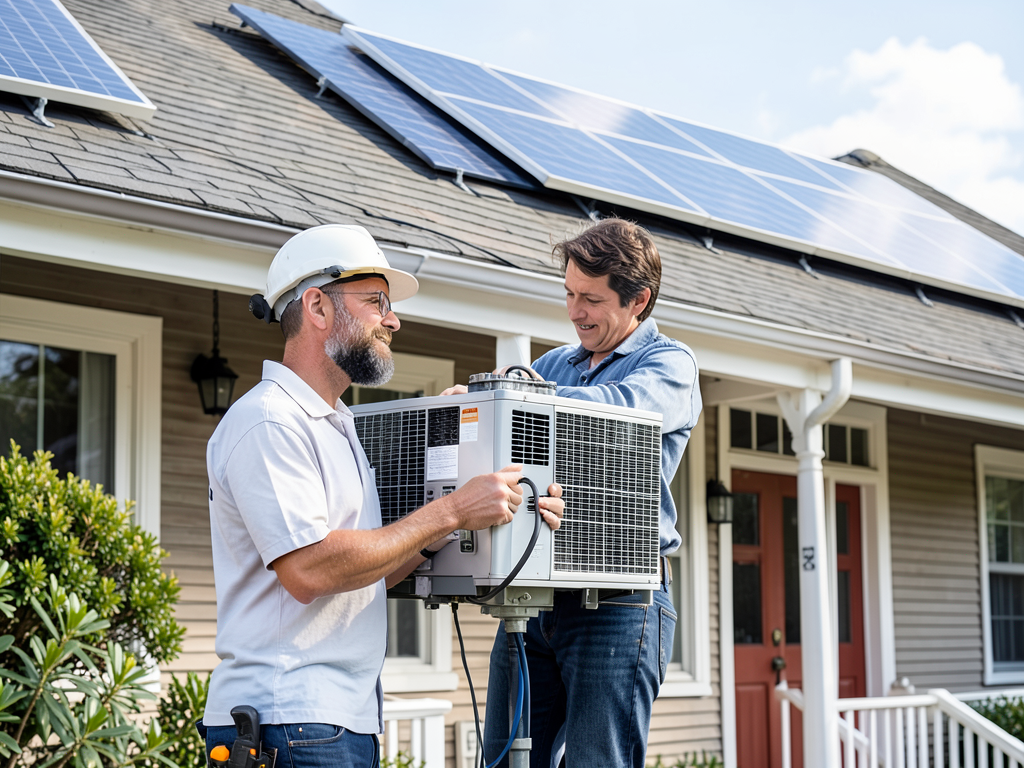
Pairing Your San Francisco Solar Panels with a High Efficiency Heat Pump

Pairing Your San Francisco Solar Panels with a High Efficiency Heat Pump If you have solar panels on your San…

Energy Efficient HVAC Upgrades for Small Businesses in Chinatown

Energy Efficient HVAC Upgrades for Small Businesses in Chinatown Small businesses in San Francisco's Chinatown face unique challenges when it…

Contact Us

Your AC will not fix itself. Call Atlas HVAC San Francisco now at (628) 201-6600 for same-day frozen coil repair. We diagnose the real problem and restore cold air fast.