




menu

Emergency Ductwork Repair in San Francisco – Technicians Dispatched Within 60 Minutes

When your ducts fail at 2 AM or during a weekend, our emergency ductwork repair team responds immediately to restore airflow, prevent system damage, and protect your indoor air quality across San Francisco.

Slider Image 1
Slider Image 2
Slider Image 3
Slider Image 4
Slider Image 5
Slider Image 7
Slider Image 8
Slider Image 9
Slider Image 10
Slider Image 11

When Your Ductwork Fails, Every Minute Counts

You hear a loud bang from the attic. Your HVAC system is running, but no air reaches the rooms. You smell something burning, or your energy bill just doubled overnight. These are not problems you can schedule for next week.

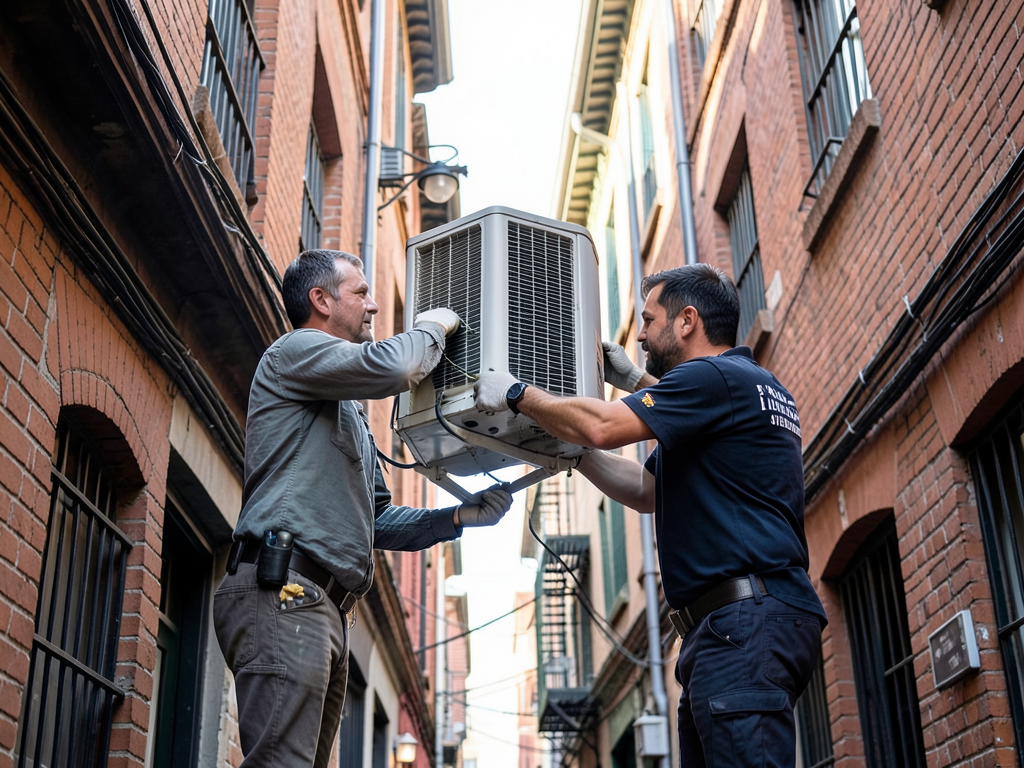
San Francisco's unique building stock creates specific ductwork vulnerabilities. Victorian-era homes retrofitted with forced air systems often have ductwork squeezed into tight crawlspaces and attics where seismic movement, rodent damage, or decades-old mastic failure can cause sudden disconnections. The city's microclimates mean your system works harder than most, cycling on and off constantly as fog rolls in and out. This constant expansion and contraction stresses duct joints, leading to catastrophic failures at the worst possible time.

When ductwork collapses, detaches, or develops a major leak, your HVAC system becomes a liability. Disconnected supply ducts dump conditioned air into attics or crawlspaces, forcing your furnace or air conditioner to run continuously without delivering comfort. Return duct failures pull in attic insulation, dust, mold spores, and rodent contamination, sending it straight into your living space. A crushed section can create backdraft conditions that threaten carbon monoxide safety.

Commercial facilities face immediate operational disruptions. A failed duct serving a server room can lead to equipment shutdowns. Restaurant kitchens lose health department compliance when ventilation ductwork detaches. Medical offices cannot operate without proper air handling.

You need immediate ductwork service, not a callback in three days. Same day air duct fixing is the only acceptable response when your system integrity is compromised. Atlas HVAC San Francisco maintains 24/7 availability because ductwork emergencies do not respect business hours.

When Your Ductwork Fails, Every Minute Counts
Our Emergency Ductwork Repair Protocol

Our Emergency Ductwork Repair Protocol

We do not send an answering service when you call for urgent air duct repair. You reach a technician who can assess your situation, ask the right diagnostic questions, and dispatch immediately if safety or system integrity is at risk.

Our emergency response vehicles carry the materials and tools to address the most common ductwork failures on the first visit. We stock multiple gauges of galvanized steel and flexible ducting, professional-grade mastic and mesh tape, adjustable duct collars, insulated flex, and the fasteners needed for seismic-compliant installations. This eliminates the delays that plague companies who promise emergency service but then need to order parts.

When we arrive, we perform a rapid visual and pressure assessment. We use manometers to measure static pressure across the system, identifying whether the failure is on the supply or return side. Thermal imaging cameras reveal where conditioned air is escaping into unconditioned spaces. Airflow hoods quantify how much capacity you have lost.

We prioritize immediate safety concerns first. If return ducts are compromised, we verify combustion appliance backdrafting is not occurring. We shut down and lock out systems if carbon monoxide risk is present until repairs are complete. If electrical components are exposed due to duct damage, we de-energize affected circuits.

For structural ductwork failures, we provide temporary containment if permanent repair requires access or materials not available at 3 AM. This might mean sealing a section with metal-backed tape and mastic to restore partial function until we return with fabricated trunk sections. For commercial clients facing operational shutdown, we engineer temporary bypass solutions that maintain minimum ventilation requirements until permanent repairs can occur during closed hours.

We repair to code, not to convenience. San Francisco mechanical permits require proper support spacing, sealed joints, and insulation R-values. Emergency work does not mean sloppy work.

What Happens When You Call for Emergency Duct Repair

Emergency Ductwork Repair in San Francisco – Technicians Dispatched Within 60 Minutes
01

Immediate Phone Assessment

You speak directly with an HVAC technician who asks targeted questions about your symptoms, system age, and immediate safety concerns. We determine if you need emergency dispatch or if the situation can wait for same day service. If you report no airflow, burning smells, or visible duct collapse, we mobilize immediately. You receive an estimated arrival window within minutes of your call.
02

On-Site Failure Diagnosis

Our technician locates the failure point using pressure testing and visual inspection. We document the extent of damage, identify contributing factors like inadequate support or aged materials, and assess whether related sections require preventive repair. You receive photos and a clear explanation of what failed, why it failed, and what we need to do to restore system integrity and prevent recurrence.
03

Permanent Repair and Testing

We execute the repair using code-compliant materials and methods. Once complete, we run the system through full heating and cooling cycles, measure airflow at registers, and verify static pressure has returned to acceptable ranges. You receive documentation of the work performed, materials used, and any recommendations for related system improvements that would prevent future emergencies.

Why San Francisco Residents Call Atlas HVAC When Ducts Fail

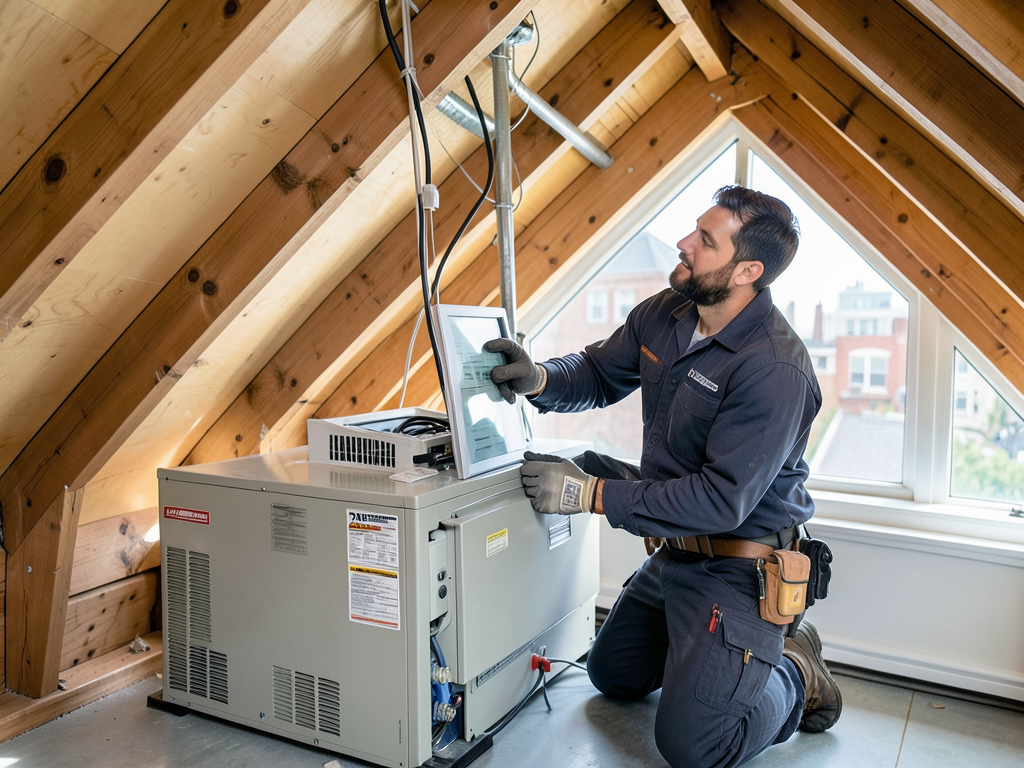
Most HVAC companies avoid emergency ductwork calls because they are difficult, messy, and require skills beyond basic service work. Ductwork repair in older San Francisco homes means crawling through tight attics, working in uninsulated crawlspaces with inadequate clearance, and fabricating solutions for non-standard configurations.

We built our business on the jobs other companies decline. Our technicians have the sheet metal fabrication skills to custom-build transition pieces that connect vintage ductwork to modern equipment. We understand how to work around knob-and-tube wiring, asbestos-wrapped pipes, and the structural peculiarities of balloon framing common in the Richmond and Sunset districts.

San Francisco's residential building codes require specific approaches to ductwork insulation and sealing. The energy code mandates minimum R-values for ducts in unconditioned spaces, and duct leakage testing is required for many permits. When we perform emergency repairs, we build them to pass inspection if you later decide to formalize the work through the permit process.

For commercial clients, we understand the compliance pressures you face. Healthcare facilities need MERV-rated filtration and specific air change rates. Food service operations must maintain negative pressure in kitchen spaces. We have worked with the Department of Building Inspection on variance requests and plan checks enough times to know what will fly and what will get red-tagged.

We also understand the building culture in San Francisco. Many properties are tenant-occupied, require HOA approval for significant work, or have historical designations that limit structural modifications. We have navigated these situations hundreds of times and can guide you through the administrative requirements while addressing the immediate emergency.

Speed matters, but correctness matters more. A sloppy emergency repair just creates a larger problem three months from now. We do the work properly the first time, even when it is 3 AM and everyone wants to go back to bed.

What You Can Expect From Our Emergency Response

Response Time and Availability

We maintain true 24/7 dispatch, not an answering service that takes messages for callback the next morning. When you call after hours, weekends, or holidays, you reach a technician who can assess your situation and commit to a dispatch time immediately. For genuine emergencies involving safety risks, system flooding, or total loss of heating or cooling capacity, we target 60-minute response times within San Francisco proper. Same day service is available for urgent situations that do not rise to immediate safety concerns. You will know our arrival window before you hang up the phone.

Diagnostic Process and Transparency

Our technician will identify the failure point, explain what caused it, and outline repair options before starting work. We photograph damage, measure system performance, and provide written documentation of findings. You will understand whether this is an isolated failure or a symptom of broader system issues. We explain cost factors clearly, including any price premiums for after-hours emergency service. If temporary repairs will get you through to normal business hours at lower cost, we tell you. Our goal is informed decision-making, not panic-driven upselling.

Quality of Emergency Repairs

Emergency repairs meet the same code and quality standards as scheduled work. We use properly rated mastic, UL-listed tapes, and correctly gauged ductwork materials. Joints are sealed and tested for leakage. Support strapping meets spacing requirements. Insulation achieves required R-values. We do not use duct tape, wire hangers, or other shortcuts that create liability. If the failure resulted from improper original installation, we correct the underlying deficiency as part of the repair. When we leave, your ductwork is more reliable than before the failure occurred.

Follow-Up and Preventive Guidance

After completing emergency repairs, we provide a written summary of work performed and any related concerns identified during the repair. If we found evidence of rodent damage, failing insulation, or other sections showing age-related deterioration, we document these findings with photos and recommendations. Many ductwork failures are preventable with proper maintenance and periodic inspection. We can schedule a comprehensive duct assessment to identify potential failure points before they become 2 AM emergencies. For commercial clients, we offer maintenance agreements that include seasonal duct inspections and priority emergency response.

Frequently Asked Questions

You Have Questions,
We Have Answers

What qualifies as an HVAC emergency? +

An HVAC emergency means your system failure poses immediate health or safety risks. Complete heating loss during San Francisco's cold fog season, total AC failure in a heat wave, gas leaks, carbon monoxide detector alarms, electrical burning smells, or sewage odors from ducts all qualify. Major duct disconnections that cause your system to blow unconditioned air into attics or crawl spaces also count. If your home becomes unlivable, your family faces health danger, or you smell gas, shut off your system and call for 24/7 emergency ductwork repair immediately. Do not wait.

What's the average cost to replace ductwork? +

Full ductwork replacement in San Francisco varies widely based on home size, accessibility, and duct material. Factors include your home's age, whether you have rigid metal or flex ducts, crawl space access limitations, and seismic retrofitting needs common in older Bay Area homes. Multi-story Victorians cost more than single-story ranches. Asbestos abatement in pre-1980s homes adds expense. Get multiple written estimates that include material specs, labor, permits, and disposal. Emergency repairs to isolated duct sections cost far less than whole-system replacement. Ask about financing options if full replacement becomes necessary.

What is the 2 foot rule for ductwork? +

The 2 foot rule requires ductwork runs longer than 2 feet to be insulated, especially in unconditioned spaces like attics or crawl spaces. This prevents condensation, energy loss, and mold growth. In San Francisco's microclimates, where morning fog creates humidity and temperature swings, uninsulated ducts sweat heavily. This moisture damages ceilings, promotes mold, and wastes energy by cooling or heating air before it reaches your rooms. Proper insulation also reduces noise. If your ducts run through your garage, basement, or attic, they must meet this standard to pass inspection and perform efficiently.

Can I repair ductwork myself? +

You can patch small, accessible duct leaks with mastic sealant or metal-backed tape, but avoid duct tape, which fails quickly. Emergency situations like major disconnections, crushed ducts, or airflow failures require professional diagnosis. San Francisco's older homes often hide ductwork in tight crawl spaces or between floor joists where access is dangerous. Improper repairs worsen energy loss, create pressure imbalances, and risk carbon monoxide backdrafting. If you smell gas, see major damage, or your system stops working, call a licensed HVAC technician immediately. DIY fixes work for minor maintenance, not emergencies.

What is the $5000 rule for HVAC? +

The $5000 rule is an HVAC replacement guideline. Multiply your system's age by repair cost. If the total exceeds $5000, replace the system instead of repairing it. For example, a 12-year-old furnace needing a $500 repair equals $6000, suggesting replacement makes more financial sense. This applies to major ductwork decisions too. If your ducts are 20 years old and need extensive repairs, full replacement often delivers better long-term value. However, emergency duct repairs to restore immediate function rarely hit this threshold. Focus on safety first, then evaluate replacement during non-emergency consultations.

What counts as emergency repairs? +

Emergency repairs restore essential function and safety immediately. Duct disconnections blowing conditioned air into crawl spaces, major leaks causing system failure, crushed or collapsed ducts blocking airflow, and fire or water damage threatening your home all count. In San Francisco, rodent infestations that chew through flex ducts and create health hazards also qualify. Gas leaks, electrical sparks near ductwork, or carbon monoxide risks demand instant response. If your heating fails during a cold snap or your AC quits during a heatwave and vulnerable family members are at risk, that is an emergency. Call 24/7 service now.

Does homeowners insurance cover air duct replacement? +

Homeowners insurance typically covers duct replacement only if damage results from a covered peril like fire, vandalism, or sudden pipe bursts. Gradual wear, poor maintenance, rodent damage, or mold from long-term leaks usually are not covered. In San Francisco, earthquake damage may be covered if you carry separate earthquake insurance. Read your policy carefully and document all damage with photos before repairs begin. Your insurer may require professional assessments. Emergency repairs to prevent further damage are often reimbursable. Contact your agent immediately after a covered event and keep all receipts.

Is replacing ductwork worth it? +

Replacing damaged or failing ductwork is worth it when repairs no longer restore efficiency or safety. If your ducts leak heavily, contain asbestos, suffer rodent infestations, or cause rooms to heat or cool unevenly, replacement pays off through lower energy bills and better comfort. San Francisco's older homes often have undersized or deteriorated ducts that waste energy year-round. New ductwork eliminates leaks, improves airflow, reduces noise, and can include modern zoning. If your system runs constantly but rooms stay uncomfortable, duct replacement solves the root problem and adds long-term home value.

How many years does ductwork last? +

Ductwork typically lasts 15 to 25 years, depending on material, installation quality, and maintenance. Rigid sheet metal ducts last longest, while flex ducts deteriorate faster, especially in unconditioned spaces. San Francisco's humidity from coastal fog accelerates rust and mold growth in poorly sealed ducts. Homes built before 2000 often have original ductwork nearing end of life. Visible rust, separated joints, sagging sections, or persistent dust indicate aging ducts. If your home is 20 years old and ducts have never been inspected, schedule an assessment before emergency failure forces costly rushed repairs.

How often should ductwork be done? +

Inspect ductwork every 3 to 5 years and clean every 5 to 7 years, or sooner if you notice dust buildup, musty odors, or pest evidence. San Francisco's fog and older housing stock make ducts prone to mold and rodent issues. After any water damage, fire, or major renovation, inspect ducts immediately. Seal visible leaks promptly and change filters every 90 days to reduce strain. Regular maintenance prevents emergency failures. If you bought an older home, schedule a professional duct inspection within the first year to catch hidden problems before they escalate into urgent repairs.

How San Francisco's Building Stock Creates Ductwork Vulnerabilities

San Francisco's housing dates primarily from three construction eras, each with specific ductwork challenges. Victorian and Edwardian homes built before forced air heating never anticipated ductwork. When central systems were retrofitted in the 1950s through 1980s, installers routed ducts through whatever spaces existed, often without adequate support or sealing. Postwar homes in the Sunset and Excelsior districts often have ductwork in vented crawlspaces where moisture accelerates deterioration. The seismic retrofitting required after the 1989 Loma Prieta earthquake sometimes damaged or displaced existing ductwork that property owners never knew needed attention. These factors combine to create a higher baseline risk of sudden ductwork failure compared to newer construction in other cities.

Effective immediate ductwork service in San Francisco requires familiarity with the city's construction methods, permit processes, and microclimates. We have worked in every neighborhood from Pacific Heights to Visitacion Valley. We understand which duct insulation specifications apply in different climate zones, how to navigate historic preservation requirements in designated districts, and when mechanical permits require licensed sheet metal contractors versus general HVAC technicians. This local expertise means faster, more compliant repairs that avoid creating permit complications or code violations. When your ductwork fails, you need a contractor who knows San Francisco buildings, not a franchise technician following a generic playbook.
HVAC Services in The San Francisco Area

While we provide mobile service across the entire San Francisco area, you can locate our main office and service dispatch hub on the map below. We are proud to serve all neighborhoods, from the Financial District to the Sunset and Richmond areas, ensuring swift response times for all your heating and cooling needs. Feel free to stop by our location or easily invite our professional team to your residential or commercial property for a consultation.

Address:
Atlas HVAC San Francisco, 1390 Market St, San Francisco, CA, 94102

Additional Services We Offer

Our news updates

Latest Articles & News from The Blogs

Heating and Cooling Solutions for Sunnyside Attic and Basement Conversions Converting your Sunnyside attic or basement into livable space requires…

Heating and Cooling Solutions for Sunnyside Attic and Basement Conversions

Heating and Cooling Solutions for Sunnyside Attic and Basement Conversions Converting your Sunnyside attic or basement into livable space requires…

Pairing Your San Francisco Solar Panels with a High Efficiency Heat Pump

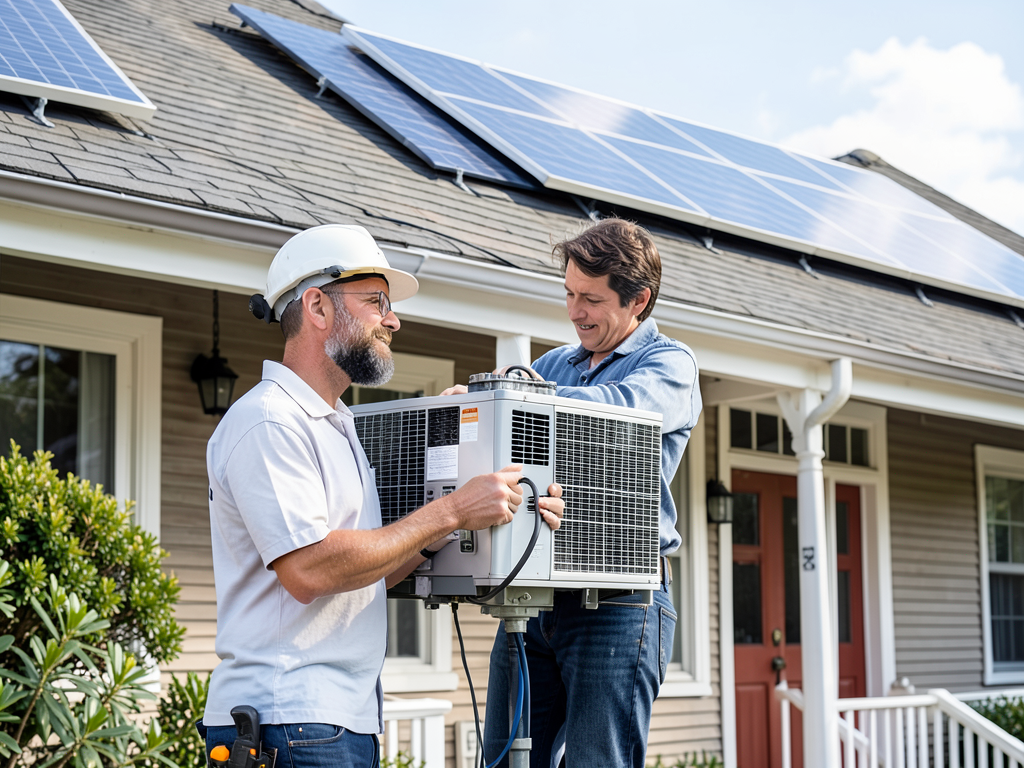
Pairing Your San Francisco Solar Panels with a High Efficiency Heat Pump If you have solar panels on your San…

Energy Efficient HVAC Upgrades for Small Businesses in Chinatown

Energy Efficient HVAC Upgrades for Small Businesses in Chinatown Small businesses in San Francisco's Chinatown face unique challenges when it…

Contact Us

Your ductwork will not fix itself, and the damage worsens every hour your system runs in a compromised state. Call Atlas HVAC San Francisco now at (628) 201-6600 for immediate dispatch. We are available 24/7 and carry the materials needed to restore your system tonight.