




menu

Storm Damage HVAC Repair in San Francisco – Emergency Crews Dispatched Within 90 Minutes

When storms tear through the Bay Area, your heating and cooling system can't wait. Atlas HVAC San Francisco sends certified technicians to your door fast, with fully stocked trucks ready to restore your storm damaged AC unit, furnace, or ductwork before secondary damage sets in.

Slider Image 1
Slider Image 2
Slider Image 3
Slider Image 4
Slider Image 5
Slider Image 7
Slider Image 8
Slider Image 9
Slider Image 10
Slider Image 11

When Bay Area Storms Hit, Your HVAC System Takes the Brunt

San Francisco's coastal position exposes your property to high winds, salt air corrosion, and sudden temperature swings. When Pacific storms roll in, outdoor condensers get pelted with debris, rooftop units flood from overwhelmed drainage, and power surges fry control boards. You notice it immediately. Your AC won't start. Your furnace cycles erratically. Strange smells come from the vents.

Storm damaged HVAC systems don't heal themselves. Water sits in your ductwork, breeding mold within 48 hours. Refrigerant lines bent by falling branches leak expensive coolant. Compressors exposed to rain develop electrical shorts that worsen every time you try to restart the system.

Neighborhoods from the Sunset District to Nob Hill face specific risks. Older Victorian homes with rooftop units suffer impact damage from loose shingles and debris. Commercial buildings in the Financial District deal with compromised ventilation systems when storms breach roof penetrations. Coastal properties in the Richmond and Outer Sunset see accelerated corrosion from salt spray during storm events.

Emergency HVAC storm repair means stopping the damage cascade before it spreads. Every hour you wait, water migrates deeper into insulation, electrical components corrode further, and your repair bill climbs. You need heating and cooling storm damage repair that addresses both visible destruction and hidden threats lurking inside your system. The question is not whether to call for help. The question is how fast that help arrives.

When Bay Area Storms Hit, Your HVAC System Takes the Brunt
How Professional Storm Damage HVAC Restoration Works

How Professional Storm Damage HVAC Restoration Works

HVAC storm restoration services start with a complete system audit, not a quick visual check. We isolate power, drain standing water from the air handler and evaporator pan, then test electrical continuity across every component. Control boards, contactors, and capacitors often show hidden damage that won't surface until the system runs under load.

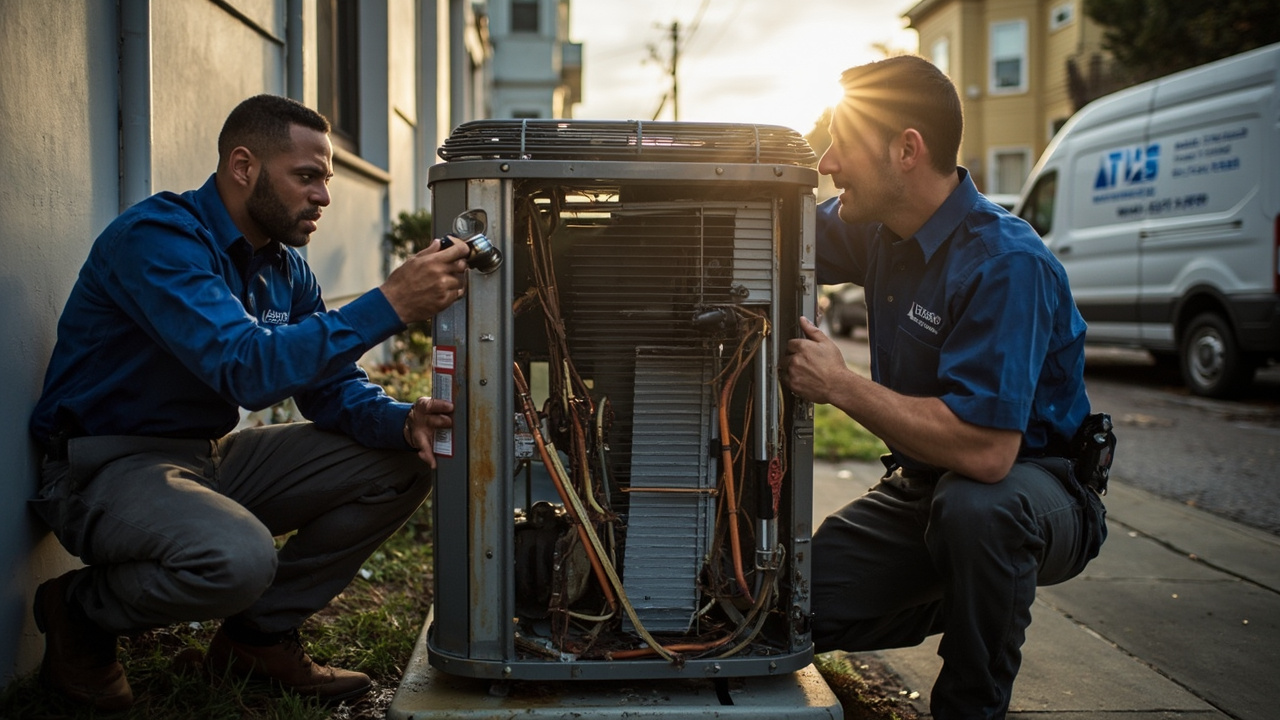
Our technicians inspect refrigerant lines for kinks, punctures, and loose fittings. Even a small bend in a copper line changes flow dynamics and strains the compressor. We use nitrogen pressure tests to verify line integrity before adding refrigerant. If your outdoor condenser took a direct hit, we assess the coil fins, fan motor, and compressor mounting. Twisted fins restrict airflow. Damaged mounts cause vibration that destroys bearings.

Ductwork inspection separates surface fixes from real solutions. We check for water intrusion at every joint and seam. Wet insulation gets removed immediately to prevent mold colonization. Flexible ducts that collapsed under debris get replaced, not patched. We verify damper operation and seal any openings created by storm pressure differentials.

For storm damaged AC unit repair, we don't just swap parts. We trace the damage pathway. A flooded condensate pan suggests a clogged drain line, but it can also mean your evaporator coil froze and dumped ice melt faster than the pan could handle. We find the root cause, fix it, then verify system performance with airflow measurements and temperature differentials across the coil. You get a system that works correctly, not one that limps along until the next failure. That distinction matters when the next storm arrives.

What Happens When You Call for Emergency Storm Damage Help

Storm Damage HVAC Repair in San Francisco – Emergency Crews Dispatched Within 90 Minutes
01

Immediate Safety Assessment

Our dispatcher logs your call and sends a technician to your San Francisco property within 90 minutes. The crew arrives with moisture meters, electrical testers, and tarps to protect your space. They kill power to the damaged unit, document visible destruction with photos for your insurance claim, and identify immediate hazards like exposed wiring, gas line damage, or structural compromises around rooftop units.
02

Damage Containment and Repair

We extract standing water from pans, plenums, and ductwork using commercial vacuums. Damaged components get tagged and photographed. We bypass destroyed sections temporarily if possible, then source OEM replacement parts from our local inventory. Refrigerant lines get re-brazed and pressure tested. Control boards get replaced and programmed. Coils get straightened or swapped. You see progress in real time, not vague promises about callbacks.
03

System Testing and Verification

Once repairs finish, we run full operational tests. We measure amperage draw on motors, verify refrigerant superheat and subcooling, check airflow at every register, and monitor the system through multiple heating or cooling cycles. You get documentation showing your HVAC system meets manufacturer specifications. We walk you through what we fixed, what to watch, and how to prevent similar damage when the next Bay Area storm rolls through.

Why San Francisco Properties Trust Atlas HVAC for Storm Damage Recovery

San Francisco's microclimates create repair challenges that generic HVAC companies miss. A storm that dumps rain in the Mission might bring high winds to the Presidio and salt spray to Ocean Beach. We know how these variations affect your system because we work in every neighborhood, from the Marina to Bayview.

Our technicians understand the city's building codes and the quirks of San Francisco architecture. Victorian homes with hydronic heating require different storm damage protocols than modern high-rises with variable refrigerant flow systems. Historic districts have restrictions on outdoor unit placement and noise levels. We navigate those requirements without delays or surprises.

When you call for emergency HVAC storm repair, you need more than a repair truck. You need a crew that stocks parts for the brands common to Bay Area installations. We carry control boards for Carrier, Trane, Lennox, and Rheem systems. Our trucks hold copper refrigerant lines, contactors, capacitors, and blower motors. We finish repairs during the first visit instead of ordering parts and returning days later.

Insurance paperwork intimidates most property owners. We document storm damage with detailed photos, itemized repair lists, and technical explanations your adjuster understands. You get the evidence you need to file a claim without fighting over covered versus excluded damage.

Speed matters during storm recovery, but accuracy matters more. A rushed repair that misses hidden water damage or electrical faults creates bigger problems three months later. We fix storm damaged HVAC systems correctly the first time, so you don't pay twice for the same problem. That approach costs less and lasts longer than cheap patches from discount operators.

What to Expect During Your Storm Damage HVAC Repair

Response Time and Availability

Atlas HVAC San Francisco dispatches emergency crews 24 hours a day, seven days a week. When storms damage your heating or cooling system, you reach a live dispatcher, not an answering service. We commit to 90-minute response times for emergency calls within city limits. Our technicians arrive in marked trucks stocked with common repair parts, so we start work immediately instead of making return trips. You get a text message with the technician's name, photo, and estimated arrival time. No guessing. No waiting.

Inspection and Damage Assessment

We perform a complete system evaluation before starting repairs. Our technicians check electrical panels for surge damage, test control boards and safety switches, inspect ductwork for water intrusion, and measure refrigerant pressures. You receive a written assessment explaining what failed, what caused the failure, and what needs replacement versus repair. We take photos and video for your insurance claim. The inspection takes 30 to 60 minutes depending on system complexity. You understand the full scope of damage before any work begins.

Repair Quality and Equipment

We use OEM parts that match your system's original specifications. Refrigerant lines get brazed using nitrogen purge to prevent oxidation. Electrical connections receive proper crimping and heat shrink protection. Ductwork repairs include mastic sealant and metal-backed tape that meets San Francisco building codes. After repairs finish, we test system performance under load, verify airflow at registers, and measure temperature splits across the coil. You get a system that operates as efficiently as it did before the storm, not a temporary patch.

Documentation and Follow-Up

Every repair comes with detailed documentation showing parts replaced, labor performed, and system test results. You receive copies of all photos taken during the damage assessment. We provide a written summary suitable for insurance submission. Our technicians explain what to monitor during the first week after repairs and give you a direct callback number if issues arise. We follow up within 72 hours to verify your system runs correctly and answer any questions about operation or maintenance.

Frequently Asked Questions

You Have Questions,
We Have Answers

What is the $5000 rule for HVAC? +

The $5000 rule is a quick decision guide for aging HVAC systems. Multiply the repair cost by the age of your unit. If the total exceeds $5000, replace the system instead of repairing it. For example, a $400 repair on a 10-year-old system equals $4000, so repair it. A $700 repair on an 8-year-old system equals $5600, so replace it. After San Francisco storms damage older equipment, this rule helps you avoid throwing money at a failing unit. Factor in efficiency gains and potential insurance payouts when making your decision.

Does insurance cover HVAC damage? +

Most homeowners insurance policies cover HVAC damage from sudden, unexpected storms including wind, hail, and falling debris. Your policy typically covers repair or replacement costs minus your deductible. However, flood damage requires separate flood insurance. In San Francisco, wind-driven rain and debris are common storm culprits. Document everything immediately with photos and video. Keep damaged components for the adjuster. File your claim within 24-48 hours. Insurance rarely covers damage from neglected maintenance or wear and tear. Review your policy now to understand your coverage limits before disaster strikes.

How to fix a HVAC unit that was flooded? +

Stop. Turn off all power to the unit immediately at the breaker. Do not attempt to restart a flooded HVAC system. Water in electrical components creates fire and electrocution risks. Remove standing water around the unit but do not open the equipment yourself. Call a licensed HVAC professional for emergency assessment. They will drain water, check electrical components, inspect the compressor for water intrusion, and test refrigerant lines. Coastal San Francisco systems exposed to saltwater require complete flushing. Most flood-damaged units need full replacement because corrosion spreads fast.

What is the 3 minute rule for AC? +

The 3-minute rule prevents compressor damage after your AC shuts off. When your system cycles off, refrigerant pressure equalizes between the high and low sides. If you restart the unit too quickly, the compressor tries to start against high pressure, which can burn out the motor. Modern systems have built-in delay timers. After storm-related power outages in San Francisco, let your AC sit for at least 3 minutes before restarting. If your unit struggles to start or makes grinding noises after a storm, shut it down and call for emergency service.

How much does it cost to replace an entire HVAC system? +

Full HVAC replacement in San Francisco typically runs $8000 to $18000 depending on system size, efficiency rating, and installation complexity. Older homes in Noe Valley or Pacific Heights with tight access routes cost more. After storm damage, insurance may cover part or all of the replacement cost. Get three written estimates before filing your claim. Emergency replacements cost 20-30% more than planned installations. Factor in ductwork repairs if water infiltrated your system. Higher-efficiency units cost more upfront but reduce monthly bills in San Francisco's mild climate.

How to claim HVAC tax credit 2025? +

The 2025 Inflation Reduction Act offers up to $2000 in tax credits for high-efficiency HVAC systems. Your equipment must meet specific SEER2 and EER2 ratings. Keep all receipts, manufacturer certification statements, and installation invoices. File IRS Form 5695 with your tax return. The credit applies to equipment placed in service during the tax year. After storm damage forces replacement, this credit significantly reduces your out-of-pocket costs. Consult a tax professional to maximize benefits. The credit applies per household, not per unit, and has income limitations.

What are three things that are not covered by homeowners insurance? +

Three common exclusions are flood damage, earthquake damage, and maintenance-related issues. Standard San Francisco homeowners policies do not cover rising groundwater or storm surge, only wind-driven rain that enters through storm-damaged openings. Earthquake coverage requires a separate policy through the California Earthquake Authority. Normal wear and tear, neglected maintenance, and gradual deterioration are never covered. If you skipped annual HVAC tune-ups and a storm exposed existing problems, your claim will be denied. Mold growth from unreported water damage also gets excluded. Read your policy declarations page carefully.

How much does it cost to fix a leak in your AC system? +

AC refrigerant leak repairs in San Francisco range from $200 to $1500 depending on location and severity. Simple valve stem leaks cost less. Coil leaks require brazing or coil replacement, which runs $800 to $1500. Storm debris can puncture refrigerant lines. After repairs, technicians must evacuate the system, pressure test for additional leaks, and recharge refrigerant. R-410A refrigerant costs have increased due to EPA regulations. Some older systems use R-22, which is being phased out and costs significantly more. Multiple leaks often signal it is time to replace the entire system.

What two events are not covered under homeowners insurance? +

Floods and earthquakes are the two major perils excluded from standard homeowners insurance. San Francisco sits in an active seismic zone, making earthquake coverage critical but separate. Flooding from any source including storm surge, rising water, and sewer backup requires separate flood insurance through FEMA or private carriers. Wind-driven rain that enters through a storm-damaged roof is covered, but water that rises from the ground is not. This distinction matters for HVAC systems in basements or ground-floor installations. Purchase both policies before storm season hits.

How quickly does mold grow after a flood? +

Mold begins growing within 24 to 48 hours after flooding. In San Francisco's naturally humid climate, mold spreads even faster. Flooded HVAC systems become mold incubators because they provide moisture, organic material, and dark spaces. Once mold colonizes your ductwork and equipment, it circulates spores throughout your home every time the system runs. This creates serious health risks including respiratory problems and allergic reactions. After any water intrusion, you have a narrow window to dry, disinfect, and assess damage. Call emergency HVAC service immediately to prevent mold contamination.

How San Francisco's Coastal Weather Accelerates HVAC Storm Damage

San Francisco's position on the Pacific Coast exposes HVAC systems to salt-laden air that corrodes copper lines, aluminum fins, and electrical contacts faster than inland climates. When storms blow through, that corrosion combines with wind-driven rain to penetrate outdoor units through gaps barely visible to the naked eye. Condensers near Ocean Beach or the Marina face the worst exposure, where salt spray reaches several blocks inland during high winds. The city's famous fog keeps metal surfaces damp for hours after storms pass, giving corrosion extra time to destroy components. Fix storm damaged HVAC systems quickly in San Francisco, or salt damage spreads from surface rust to structural failure within weeks.

Atlas HVAC San Francisco operates exclusively in the Bay Area, so our crews know which neighborhoods face the highest storm risks and which building types need specialized repair approaches. We understand how the city's temperate climate tricks property owners into ignoring minor damage that becomes major failures during the next storm cycle. Our relationships with local supply houses mean we source replacement parts the same day instead of waiting for shipments from distant warehouses. When you need emergency HVAC storm repair in a city where every neighborhood has different exposure risks, choosing a local company with specific San Francisco experience protects your property better than national chains following generic repair scripts.
HVAC Services in The San Francisco Area

While we provide mobile service across the entire San Francisco area, you can locate our main office and service dispatch hub on the map below. We are proud to serve all neighborhoods, from the Financial District to the Sunset and Richmond areas, ensuring swift response times for all your heating and cooling needs. Feel free to stop by our location or easily invite our professional team to your residential or commercial property for a consultation.

Address:
Atlas HVAC San Francisco, 1390 Market St, San Francisco, CA, 94102

Additional Services We Offer

Our news updates

Latest Articles & News from The Blogs

Heating and Cooling Solutions for Sunnyside Attic and Basement Conversions Converting your Sunnyside attic or basement into livable space requires…

Heating and Cooling Solutions for Sunnyside Attic and Basement Conversions

Heating and Cooling Solutions for Sunnyside Attic and Basement Conversions Converting your Sunnyside attic or basement into livable space requires…

Pairing Your San Francisco Solar Panels with a High Efficiency Heat Pump

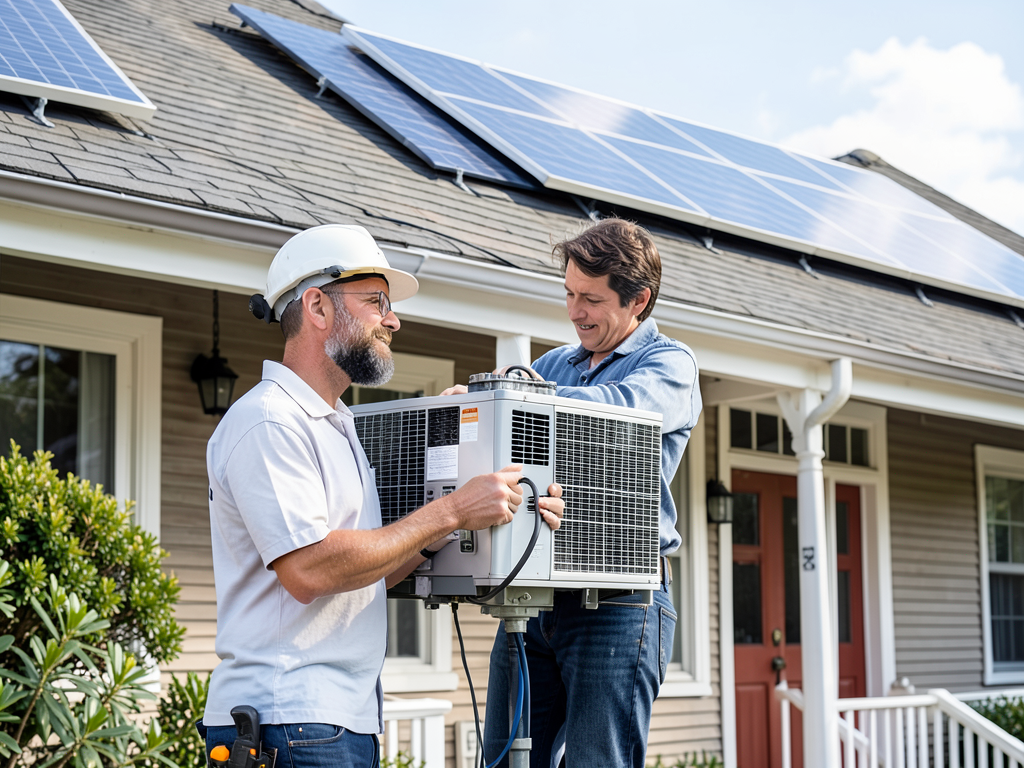
Pairing Your San Francisco Solar Panels with a High Efficiency Heat Pump If you have solar panels on your San…

Energy Efficient HVAC Upgrades for Small Businesses in Chinatown

Energy Efficient HVAC Upgrades for Small Businesses in Chinatown Small businesses in San Francisco's Chinatown face unique challenges when it…

Contact Us

Call Atlas HVAC San Francisco now at (628) 201-6600. Our emergency dispatch sends crews to your location within 90 minutes. We stop secondary damage, repair destroyed components, and restore your heating and cooling fast. Do not wait for the next storm to finish what this one started.