




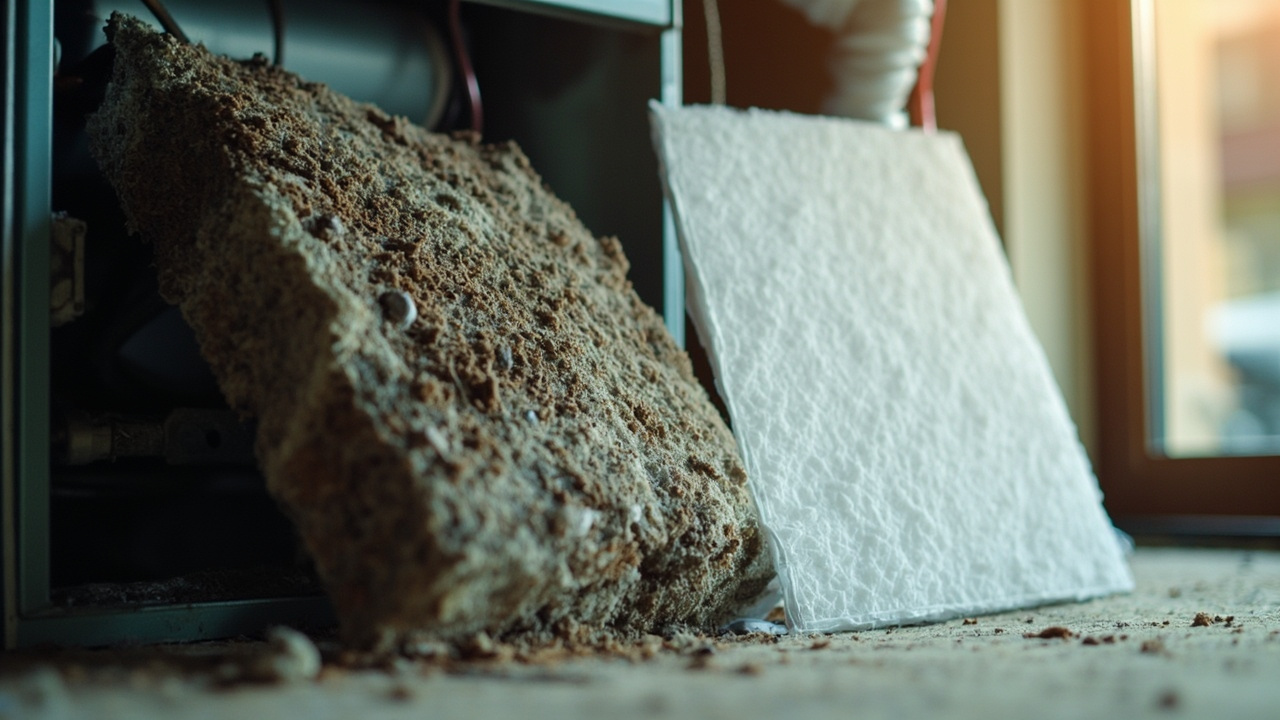
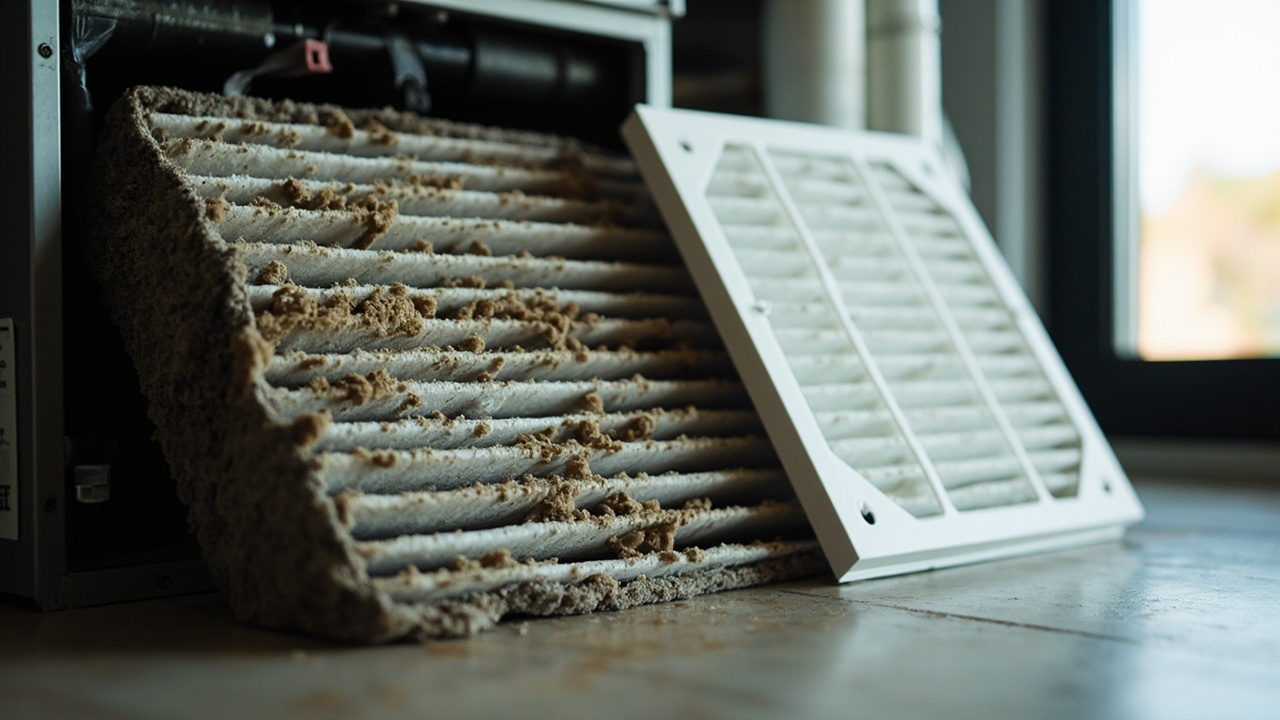

The Pacific Ocean sits less than eight miles from any point in San Francisco. Marine air infiltrates every home through natural ventilation, carrying sodium chloride particles that corrode metal components in your HVAC system. A clean air filter traps these particles before they reach your heat exchanger, evaporator coil, and blower wheel. When the filter becomes saturated, salt-laden air passes through unfiltered and deposits corrosive residue on sensitive components. This accelerated corrosion explains why HVAC equipment in San Francisco fails earlier than the same models installed inland. The benefits of changing air filters extend beyond air quality to protecting your investment in expensive heating and cooling equipment from the destructive effects of coastal exposure.
San Francisco's building codes and environmental regulations create specific requirements for indoor air quality management. The city's focus on energy efficiency means your HVAC system must operate at peak performance to meet Title 24 standards. A clogged filter undermines these efficiency mandates and can affect your home's energy rating if you sell. Local contractors who understand these regulations provide better guidance than national chains unfamiliar with California's stringent requirements. Atlas HVAC San Francisco maintains relationships with city inspectors and stays current on code changes affecting residential HVAC installations. This local expertise ensures your filter maintenance strategy aligns with regulatory requirements while protecting your system from the unique environmental stresses of Bay Area coastal living.