




menu

Weak Airflow from Vents in San Francisco – Expert Diagnosis and Permanent Fixes for Poor AC Performance

When your system barely pushes air through the registers, you need technicians who can pinpoint the exact cause, whether it's hidden ductwork damage, failing blower components, or restrictive filter buildup common in San Francisco's microclimate zones.

Slider Image 1
Slider Image 2
Slider Image 3
Slider Image 4
Slider Image 5
Slider Image 7
Slider Image 8
Slider Image 9
Slider Image 10
Slider Image 11

Why Your Vents Are Barely Moving Air

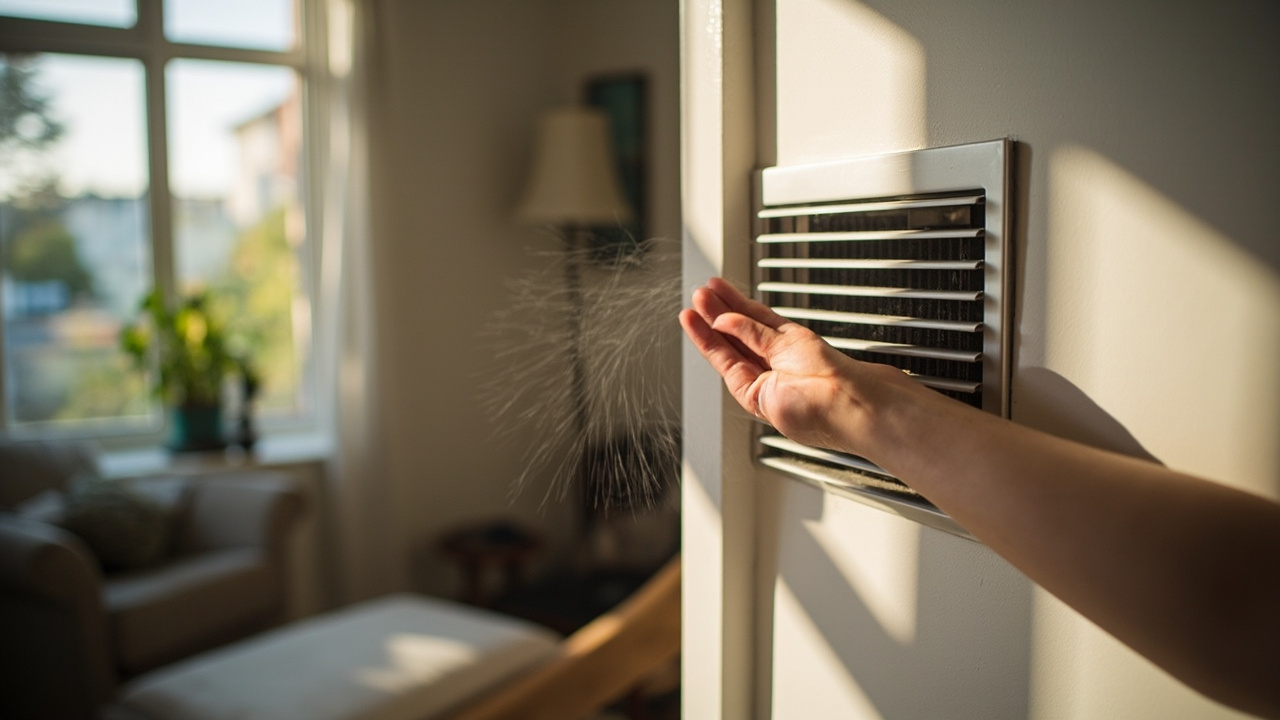
You walk up to a register expecting cold air and get a pathetic wheeze instead. Low air pressure from vents is not normal, and it is not something you should ignore. In San Francisco, the problem often starts with the city's unique fog patterns and salt air intrusion from the Bay. The persistent marine layer drives humidity into ductwork through tiny unsealed joints, promoting mold growth and corrosion that narrows airflow passages. Over time, this reduces air flow from registers to a trickle.

Poor airflow from AC also stems from undersized or collapsing return ducts, a common issue in older Victorian and Edwardian homes where original ductwork was retrofitted decades ago without proper sizing calculations. When your AC is blowing weakly, the blower motor may be running at reduced capacity due to capacitor failure, or the evaporator coil could be frozen solid because refrigerant levels dropped. Little air coming out of vents can also point to a clogged filter, but if you have changed the filter recently and still feel weak airflow, the problem is deeper in the system.

San Francisco's microclimates mean a home in the Sunset District faces different airflow challenges than a building in SoMa. Coastal fog and salt accelerate duct corrosion. Inland areas see more dust infiltration. Both conditions choke airflow. If your system used to cool effectively and now struggles, the ductwork, blower assembly, or coil is compromised. Atlas HVAC San Francisco specializes in diagnosing these exact issues across every neighborhood in the city.

Why Your Vents Are Barely Moving Air
How We Restore Full Airflow to Your System

How We Restore Full Airflow to Your System

We do not guess. We measure static pressure at the supply and return plenums using a digital manometer to establish baseline airflow performance. This tells us whether the issue is on the supply side, return side, or both. If static pressure is too high, we know there is a blockage or restriction. If it is too low, the blower is not generating enough force.

Next, we inspect the blower assembly. We check the capacitor voltage, measure amperage draw on the motor, and examine the blower wheel for debris buildup or corrosion. A blower wheel caked with dust from San Francisco's urban environment can reduce airflow by 30 percent or more. We also verify the blower is spinning at the correct RPM for the tonnage of your system.

Then we move to the ductwork. We perform a visual inspection of accessible ducts and use a camera scope for hidden runs. We look for collapsed flex duct, disconnected joints, and crushed sections common in crawlspaces under older San Francisco homes. We also check for excessive duct length and too many bends, both of which create resistance and reduce airflow.

If the evaporator coil is frozen, we measure the refrigerant charge and check for leaks. A coil covered in ice blocks airflow completely. If the coil is dirty, we clean it with a no-rinse foaming coil cleaner that breaks down biofilm and salt deposits without damaging the fins.

Finally, we test airflow at each register using an anemometer. This confirms whether the ductwork is balanced correctly or if certain rooms are starved for air due to damper issues or undersized ducts. We provide a written report of all findings and recommended repairs, so you understand exactly what is wrong and why.

What Happens During an Airflow Diagnostic

Weak Airflow from Vents in San Francisco – Expert Diagnosis and Permanent Fixes for Poor AC Performance
01

System Performance Testing

We start by running your system and measuring airflow velocity at the supply registers using a calibrated anemometer. This gives us cubic feet per minute data, which we compare against your system's rated capacity. We also measure temperature split across the evaporator coil to confirm the system is cooling properly. Low airflow always shows up as a narrow temperature split, usually under 15 degrees.
02

Blower and Duct Inspection

We open the blower compartment and inspect the wheel, motor, and capacitor. We check for rust, corrosion, and debris accumulation. Then we trace the duct runs, looking for damage, disconnections, and leaks. In San Francisco homes with crawlspace installations, we often find rodent damage or sagging flex duct that restricts airflow. We document everything with photos and measurements for your records.
03

Repair Plan and Execution

After diagnosis, we walk you through the findings and explain each repair option. If you approve the work, we complete it on the spot when possible. This might include replacing a failed capacitor, sealing duct leaks with mastic, or cleaning a clogged evaporator coil. For larger duct repairs or blower motor replacements, we schedule a follow-up visit and ensure your system is running safely until then.

Why San Francisco Homeowners Choose Atlas HVAC for Airflow Problems

San Francisco's building stock is old. Most homes were built before modern HVAC standards existed. Ductwork was often added as an afterthought, squeezed into tight crawlspaces or attics with minimal clearance. This creates airflow restrictions that generic HVAC companies miss because they do not understand the unique architecture of Victorian flats, Edwardian townhouses, and mid-century stucco homes common in the Sunset, Richmond, and Noe Valley neighborhoods.

We have worked in these homes for years. We know the duct layouts, the common failure points, and the code requirements for retrofitting old systems. We also understand how San Francisco's fog belt affects indoor air quality and system performance. Coastal homes deal with salt corrosion and moisture infiltration that inland properties do not face. A technician trained in Phoenix or Kansas City will not recognize these problems.

Our diagnostic process is thorough because weak airflow has multiple causes. A national chain will swap the filter, check the thermostat, and leave. We measure static pressure, inspect every duct run, test the blower assembly, and verify refrigerant levels. This takes longer, but it finds the real problem instead of masking symptoms.

We also prioritize communication. You get a written diagnostic report with photos, pressure readings, and temperature measurements. We explain what each finding means in plain language. If you need duct repairs, we show you the damaged sections and explain why the repair matters. If your blower motor is failing, we explain the amperage draw and why waiting will lead to a complete failure.

Atlas HVAC San Francisco is locally owned. We are not a franchise answering to a corporate office in another state. We live in the city, and we service the city. When you call, you get a technician who knows your neighborhood and has fixed airflow problems in homes just like yours.

What to Expect When You Call Atlas HVAC for Airflow Issues

Fast Scheduling and Arrival

We offer same-day and next-day appointments for airflow diagnostics. When you call, we ask about your symptoms and schedule a two-hour window that works for your day. Our technicians call 30 minutes before arrival. Most diagnostics take 60 to 90 minutes, depending on system complexity and duct accessibility. If your airflow problem is causing a complete cooling failure during a San Francisco heat wave, we prioritize your call and get someone out as fast as possible.

Comprehensive Airflow Diagnostic

Our diagnostic is not a quick visual check. We measure static pressure, test blower motor performance, inspect all accessible ductwork, check refrigerant levels, and measure airflow at each register. You receive a written report with all findings, including photos of any damaged components. We explain what each measurement means and how it affects your system's performance. If multiple repairs are needed, we prioritize them by urgency and impact, so you can make an informed decision about what to fix first.

Permanent Fixes, Not Bandaids

We fix the root cause, not the symptom. If your blower capacitor failed, we replace it with a high-quality component rated for your motor's specifications. If your ductwork is leaking, we seal it with mastic and foil tape, not duct tape. If your evaporator coil is clogged, we clean it properly using foaming coil cleaner and a soft brush. After repairs, we retest airflow to confirm the system is performing to manufacturer specifications. You will feel the difference immediately when you walk up to a register.

Ongoing Maintenance and Support

Airflow problems often return if the underlying conditions are not addressed. We offer maintenance plans that include biannual inspections, filter changes, coil cleaning, and blower motor testing. This keeps your system running efficiently and catches small problems before they turn into expensive repairs. If you have ductwork in a crawlspace or attic, we recommend annual inspections to check for new leaks, pest damage, or insulation issues. Our maintenance customers get priority scheduling and discounted service rates.

Frequently Asked Questions

You Have Questions,
We Have Answers

Why do I barely feel air coming out of my vents? +

Weak airflow typically stems from a clogged air filter, which restricts air movement through your system. Check your filter first and replace it if dirty. Other common causes include blocked return vents, closed dampers, or duct leaks reducing pressure. In San Francisco's older Victorian and Edwardian homes, ductwork modifications over decades often create bottlenecks. A failing blower motor or undersized duct system can also choke airflow. If replacing the filter does not help, you need a technician to inspect your ductwork, blower assembly, and static pressure. Ignoring weak airflow forces your system to run longer, spiking energy bills.

How to fix low air flow from vents? +

Start with the simplest fix: replace your air filter. A clogged filter is the most frequent culprit. Next, walk through your home and open all supply vents fully. Check that furniture or curtains are not blocking return grilles. Inspect visible ductwork in your basement or attic for disconnected joints or crushed flexible ducts. If airflow remains weak, you likely have duct leaks or blower issues requiring professional repair. In San Francisco's multi-story homes, improper duct sizing from past remodels often causes imbalanced airflow. A technician can measure static pressure and seal leaks to restore proper flow throughout your system.

Why is my AC not blowing hard through the vents? +

When your AC runs but delivers weak airflow, the blower motor or capacitor may be failing. A struggling blower cannot push air effectively through the ductwork. Dirty evaporator coils also restrict airflow by blocking the air path. Frozen coils, caused by low refrigerant or airflow restrictions, completely choke output. Check your filter first and ensure all vents are open. If the blower sounds strained or the coils are iced over, shut the system down and call a technician. San Francisco's marine layer humidity can accelerate coil fouling, making annual maintenance critical for consistent airflow and cooling performance.

Why is the air barely blowing out of my vents in my car? +

This question addresses automotive HVAC, which is outside residential or commercial building systems. For car AC issues, consult an automotive technician. They will diagnose problems like a failing cabin air filter, blower motor resistor, or clogged evaporator core. Residential HVAC specialists focus on home and commercial building climate control. If you are experiencing weak airflow from vents in your San Francisco home, the causes differ entirely: dirty filters, duct leaks, or blower motor problems in your furnace or air handler. Contact a residential HVAC professional to diagnose and restore proper home airflow.

What is the $5000 AC rule? +

The $5,000 AC rule is a rough guideline for deciding between repair and replacement. If your system is over 10 years old and the repair cost exceeds $5,000, replacement often makes better financial sense. Multiply the repair cost by the system age. If the result exceeds $5,000, consider a new unit. This rule accounts for diminishing equipment lifespan and efficiency losses. In San Francisco's mild climate, older systems often run inefficiently due to salt air corrosion affecting coils and components. Factor in energy savings from modern high-efficiency systems when weighing replacement against expensive repairs on aging equipment.

How to increase flow on a vent? +

First, ensure the vent damper is fully open. Remove the vent cover and check for obstructions like dust buildup or debris. Confirm nothing blocks the vent externally, like furniture or drapes. If flow remains weak, the problem likely exists upstream: clogged filter, duct leaks, or undersized ductwork. Booster fans installed in duct runs can help, but they address symptoms rather than root causes. In San Francisco's older construction, ductwork often needs rebalancing or sealing to improve flow. A professional duct inspection and static pressure test identify where air is escaping or restricted, allowing targeted repairs that restore balanced airflow.

How to fix insufficient airflow? +

Insufficient airflow requires a systematic approach. Replace the air filter immediately if dirty. Open all supply vents and clear obstructions around return grilles. Inspect accessible ductwork for disconnections, holes, or crushed sections. If these steps do not resolve the issue, you need professional diagnostics. Technicians measure static pressure to identify restrictions, check blower motor function, and inspect the evaporator coil for fouling. Duct sealing often recovers significant lost airflow. San Francisco's seismic activity can shift and disconnect ductwork over time, creating hidden leaks. Thermal imaging and pressure testing reveal these problems, allowing targeted repairs that restore full system performance.

Do air vent boosters really work? +

Vent boosters can marginally increase airflow to specific rooms, but they do not fix underlying problems. They work best for minor temperature imbalances in distant rooms. However, they consume electricity, add noise, and create additional static pressure that can strain your blower motor. If you need boosters, your duct system likely has design flaws or leaks that require proper correction. In San Francisco's mild climate, proper duct sealing and balancing usually eliminate the need for boosters. Address the root cause: seal ductwork, rebalance dampers, or upgrade your blower. Boosters are a band-aid, not a solution.

Why is my AC set at 74 but reads 78? +

When your thermostat shows 78 degrees but you set 74, your system cannot keep up with heat gain. This happens when your AC is undersized, refrigerant is low, or airflow is restricted. Dirty coils, clogged filters, or duct leaks reduce cooling capacity. In San Francisco, this problem often appears during unexpected heat waves when marine cooling fails. South and west-facing homes absorb intense afternoon sun, overwhelming marginal systems. Check your filter first, then schedule a tune-up to verify refrigerant charge and airflow. If the system is properly maintained but still cannot reach setpoint, you may need a capacity upgrade.

What is the 3 minute rule for AC? +

The 3-minute rule protects your compressor from short cycling damage. After your AC shuts off, wait at least 3 minutes before restarting it. This allows refrigerant pressures to equalize throughout the system. Restarting immediately forces the compressor to start against high pressure, causing electrical stress and potential failure. Most modern thermostats include a built-in delay. However, if you manually cycle your system at the breaker or thermostat, respect this interval. In San Francisco's mild climate, short cycling often indicates oversized equipment or thermostat placement issues. Proper sizing and strategic thermostat location prevent unnecessary cycling and extend compressor life.

How San Francisco's Microclimates Cause Chronic Airflow Problems

San Francisco's fog belt creates a persistent moisture problem for HVAC systems. Homes in the Sunset, Richmond, and Parkside districts see marine layer intrusion almost daily during summer months. This moisture condenses inside ductwork, promoting mold growth and corrosing metal components. Over time, the interior of supply ducts narrows as biofilm and rust accumulate, reducing airflow from registers. Coastal salt accelerates this process, corroding blower wheels and evaporator coils faster than in inland neighborhoods. Systems installed in the Mission or Potrero Hill face less moisture but deal with urban dust and particulate infiltration that clogs filters and coils. Both conditions restrict airflow and reduce cooling capacity.

San Francisco's building codes require specific duct sealing and insulation standards, but older homes were often retrofitted before these codes existed. Many Victorian and Edwardian homes have ductwork installed in uninsulated crawlspaces or attics, where temperature swings cause condensation and duct deterioration. Atlas HVAC San Francisco understands these local challenges because we work in these homes every day. We know which neighborhoods have the worst salt air exposure, which building types have the tightest duct clearances, and which retrofit installations are most likely to fail. This local knowledge means faster diagnosis and better repairs.
HVAC Services in The San Francisco Area

While we provide mobile service across the entire San Francisco area, you can locate our main office and service dispatch hub on the map below. We are proud to serve all neighborhoods, from the Financial District to the Sunset and Richmond areas, ensuring swift response times for all your heating and cooling needs. Feel free to stop by our location or easily invite our professional team to your residential or commercial property for a consultation.

Address:
Atlas HVAC San Francisco, 1390 Market St, San Francisco, CA, 94102

Additional Services We Offer

Our news updates

Latest Articles & News from The Blogs

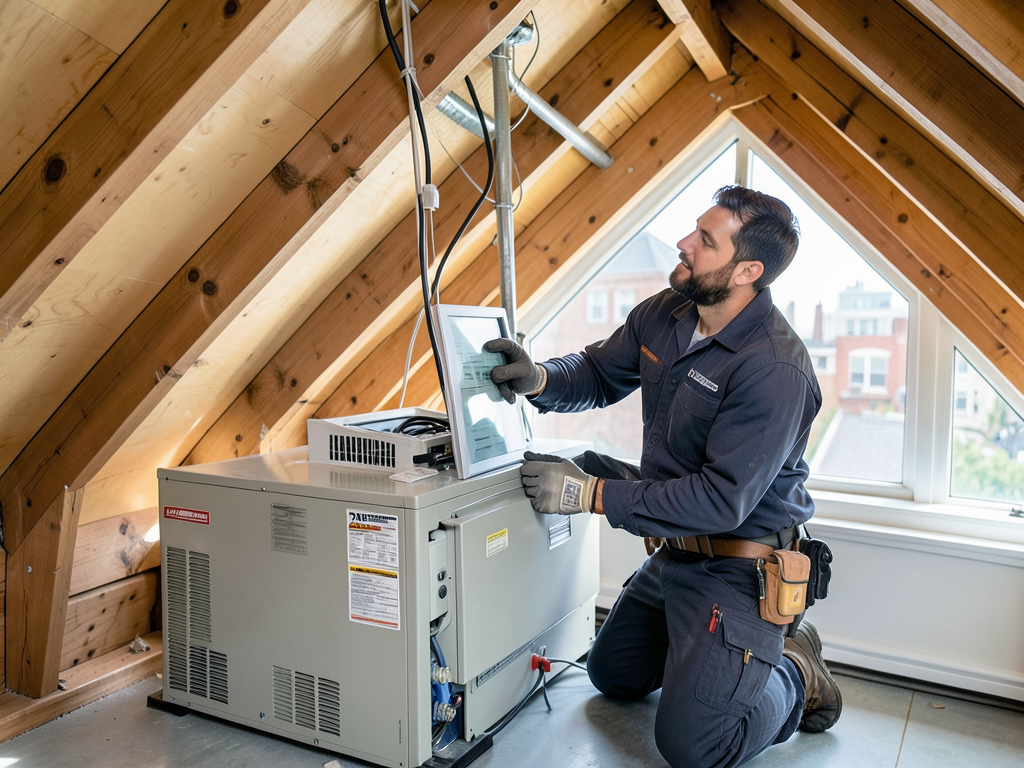
Heating and Cooling Solutions for Sunnyside Attic and Basement Conversions Converting your Sunnyside attic or basement into livable space requires…

Heating and Cooling Solutions for Sunnyside Attic and Basement Conversions

Heating and Cooling Solutions for Sunnyside Attic and Basement Conversions Converting your Sunnyside attic or basement into livable space requires…

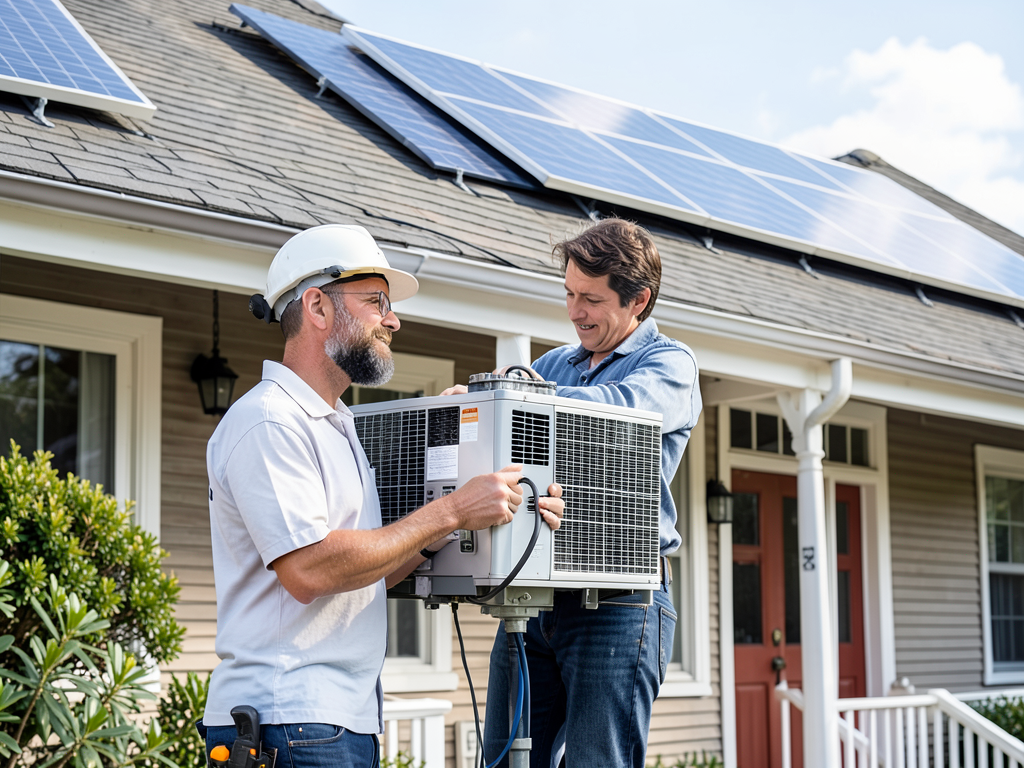
Pairing Your San Francisco Solar Panels with a High Efficiency Heat Pump

Pairing Your San Francisco Solar Panels with a High Efficiency Heat Pump If you have solar panels on your San…

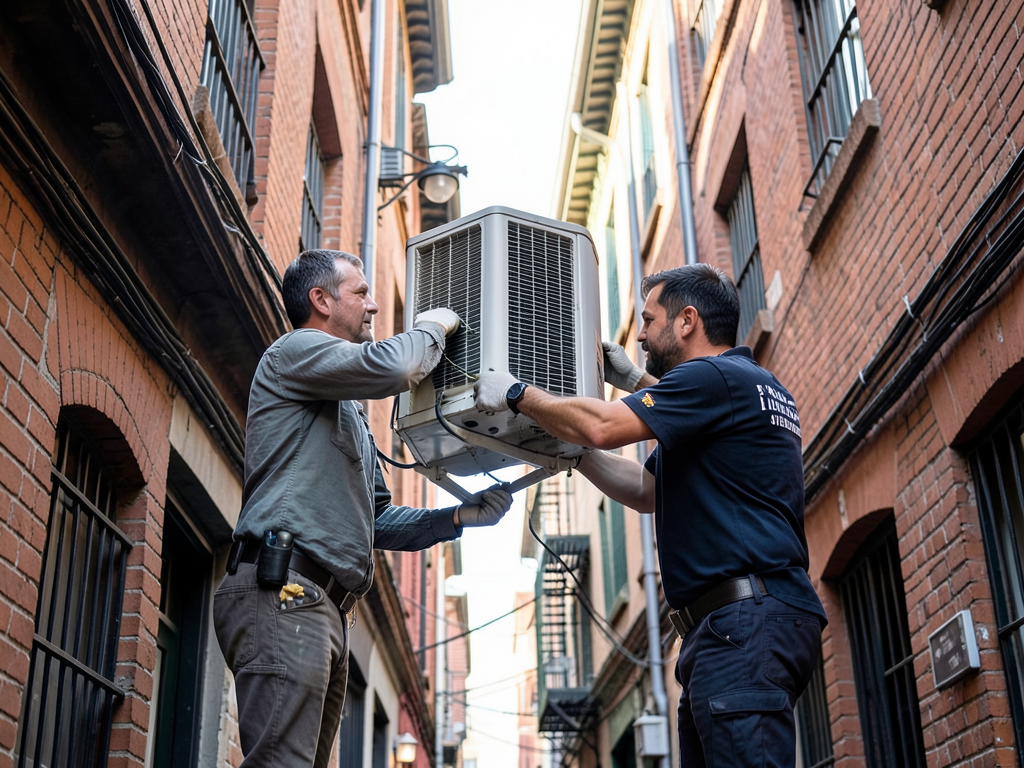
Energy Efficient HVAC Upgrades for Small Businesses in Chinatown

Energy Efficient HVAC Upgrades for Small Businesses in Chinatown Small businesses in San Francisco's Chinatown face unique challenges when it…

Contact Us

Stop guessing why your vents barely push air. Call Atlas HVAC San Francisco at (628) 201-6600 to schedule a comprehensive airflow diagnostic. We will find the problem, explain it clearly, and fix it permanently.