





Berkeley sits between the San Francisco Bay and the Berkeley Hills, creating unique microclimates that stress heating and cooling systems year-round. Homes near the waterfront in West Berkeley face marine air that corrodes outdoor condensers and rusts furnace heat exchangers. The fog belt from Aquatic Park to the Marina pulls moisture into ductwork, breeding mold and reducing air quality. Head inland toward the Claremont district or up into the hills near Tilden Park, and you'll find 20-degree temperature swings between morning fog and afternoon sun. Systems cycle on and off constantly, wearing out contactors and capacitors faster than inland areas.
Berkeley's housing stock adds another layer of complexity. Craftsman bungalows in Elmwood and North Berkeley were built before central air became standard. Retrofitting AC into homes with knob-and-tube wiring and no existing ductwork requires careful planning and permitting through the City of Berkeley Building Department. Victorian homes in the Southside and Downtown lack proper insulation, forcing furnaces to run overtime. Add in California's Title 24 energy efficiency standards, and you need technicians who understand both old Berkeley architecture and modern code requirements.
Atlas HVAC San Francisco has served the East Bay for years, building a reputation on speed and competence when systems fail. We keep trucks stocked with parts for the Lennox, Carrier, Trane, and Rheem systems common in Berkeley homes. When your furnace quits at 9 PM on a Saturday, we don't make you wait until Monday. Our technicians carry the parts they need and arrive ready to work.
We understand Berkeley. We've replaced corroded evaporator coils in Marina condos, retrofitted central air into Northside Craftsmans, and upgraded ancient furnaces in homes near People's Park. We know which neighborhoods battle salt air corrosion, which homes have undersized ductwork, and how Berkeley's permitting process works. Our techs live and work in the East Bay. They understand the urgency when your heat dies during a cold night or your AC fails during a September heat spike.
Our approach is simple. Answer the phone fast. Arrive when we say we will. Diagnose the problem accurately. Give you a clear price before we start work. Fix it right. Most repairs happen the same day. We don't upsell services you don't need, and we don't leave until your system works. When we install new equipment, we pull proper permits and coordinate inspections with the city. You get work that passes code and performs for years.

We dispatch technicians to Berkeley addresses within hours, not days. Our trucks stay stocked with common parts for immediate repairs. You call in the morning, we fix it that afternoon. No waiting around in the cold or heat while other companies check their schedule.

We carry parts for the HVAC brands Berkeley homeowners actually own. Lennox heat exchangers, Carrier capacitors, Trane blower motors, Rheem gas valves. Our techs fix problems on the first visit instead of making you wait for parts to arrive.
You get a firm price before any work begins. No hidden fees, no surprise charges after the job. We explain what failed, why it failed, and exactly what it costs to fix. You decide if you want to proceed.
Berkeley has specific permitting and code requirements that differ from other East Bay cities. We handle the paperwork, coordinate inspections, and ensure your installation meets Title 24 standards. Your system passes inspection the first time.
Atlas HVAC San Francisco handles every aspect of heating, cooling, and air quality for Berkeley homes. We repair broken systems, install new equipment, and maintain what you already own. Our technicians work on furnaces, air conditioners, heat pumps, ductwork, thermostats, and air filtration systems. We service gas furnaces, electric heat pumps, central air conditioning, ductless mini-splits, and package units.
Berkeley homes need different solutions depending on age, location, and construction. A 1920s Craftsman in Northside needs a different approach than a 1960s ranch in Thousand Oaks or a modern townhome in West Berkeley. We match the solution to your specific situation, whether that's repairing your existing equipment, upgrading to higher efficiency, or designing a complete system for a home that never had central HVAC.
Our service range covers emergency repairs when systems fail, planned installations when you're ready to upgrade, and preventive maintenance to catch problems before they become emergencies. Every service includes the same commitment to fast response, transparent pricing, and work that meets code.
Your furnace quits heating, your AC stops cooling, or your heat pump fails completely. We respond fast to diagnose and repair failed components. Cracked heat exchangers, dead compressors, failed ignitors, frozen evaporator coils, broken blower motors, and faulty thermostats get fixed the same day. We arrive with diagnostic tools and common parts to get your system running again. Available nights, weekends, and holidays when other companies are closed.
Replace outdated equipment or add central air to homes that never had it. We install high-efficiency furnaces, central air conditioning, heat pumps, and ductless mini-split systems. Every installation includes proper load calculations, duct design, permit acquisition, and city inspections. We handle the Title 24 compliance paperwork and coordinate with Berkeley building inspectors. You get a system sized correctly for your home that passes inspection and performs efficiently for years.
Scheduled maintenance catches problems before they cause system failure. We clean coils, check refrigerant levels, test electrical components, inspect heat exchangers for cracks, lubricate motors, and replace worn parts. Berkeley's marine air corrodes outdoor units faster than inland areas. Regular cleaning and inspection prevents premature failure. Maintenance visits identify failing capacitors, dying contactors, and marginal ignitors before they leave you without heat or cooling.
Berkeley's location between the bay and the hills creates specific HVAC challenges. Marine air from the waterfront accelerates corrosion on outdoor equipment. Temperature swings between foggy mornings and warm afternoons force systems to cycle constantly, wearing out components faster. Older homes lack proper insulation and ductwork, making systems work harder than they should. Understanding these local issues helps you recognize problems early and avoid complete system failure.
These problems show up differently depending on where you live in Berkeley. Homes near the water battle rust and corrosion. Properties in the hills deal with temperature extremes. Older neighborhoods have undersized ductwork and inadequate insulation. Each issue requires a specific fix, not a generic solution.
Homes within a mile of the bay face accelerated corrosion on condensers and heat pump outdoor units. Salt air eats through coil fins, creating refrigerant leaks and reducing efficiency. Electrical connections corrode, causing intermittent failures. Regular cleaning and protective coatings extend equipment life in coastal areas.
Berkeley Craftsmans and Victorians were built before central air existed. Retrofitted ductwork often runs too small, restricting airflow and forcing systems to work harder. Undersized ducts create hot and cold spots, increase energy bills, and shorten equipment life. Proper duct design solves the problem permanently.
Many Berkeley homes still run furnaces installed in the 1980s and 1990s. Heat exchangers crack after decades of thermal cycling, allowing combustion gases to mix with house air. Cracked heat exchangers create carbon monoxide risks and require immediate furnace replacement. Annual inspections catch cracks before they become dangerous.
Berkeley's temperature swings force air conditioners to cycle on and off frequently. Constant expansion and contraction loosens refrigerant line connections, creating slow leaks. Low refrigerant reduces cooling capacity and damages compressors. Finding and repairing leaks before recharging the system prevents repeated failures and expensive compressor replacement.
We built our service around what matters when your HVAC system fails. You need someone to answer the phone, show up when promised, and fix the problem fast. You want straight answers about what's wrong and what it costs. You expect the repair to last, not fail again next month.
Our process eliminates the frustration most people experience with service companies. No waiting days for a callback. No vague arrival windows that waste your whole day. No surprise charges after the work is done. You get clear communication, fast service, and repairs that hold up. Here's exactly what happens when you call.
We answer calls quickly and dispatch technicians the same day for emergencies. You get a specific arrival window, not an all-day wait. Our dispatcher confirms your address, describes the service fee, and gives you the technician's name. You receive a call when the tech is 30 minutes away. No sitting around wondering when someone will show up.
Our technician diagnoses the problem using proper testing equipment, not guesswork. You get a clear explanation of what failed and why. We provide a firm price for the repair before any work begins. The quote includes parts, labor, and any permits required. No hidden fees appear later. You approve the price, then we proceed with the repair.
We use quality parts designed for your specific equipment brand and model. Repairs meet manufacturer specifications and local code requirements. The technician tests the system completely before leaving to verify proper operation. You get documentation of the work performed and warranty information for parts and labor. If something isn't right, we come back and make it right.
HVAC repair doesn't need to be complicated. We keep the process simple and focused on getting your system working again fast.
Call (628) 201-6600 and describe your problem. We dispatch a technician to your Berkeley address, usually within a few hours for emergencies. You receive a specific arrival window and a confirmation call when the tech is nearby. Our trucks carry diagnostic equipment and common parts for immediate repairs.
The technician inspects your system, tests components, and identifies the failed part. You get a clear explanation of what's wrong and what caused the failure. We provide a firm repair quote covering parts, labor, and any permits needed. Once you approve the price, we proceed with the repair immediately.
We replace the failed component, test the entire system, and verify proper operation. The technician explains what was done and provides maintenance recommendations to prevent future problems. You receive warranty documentation and a detailed invoice. Your system works correctly before we leave your property.
Berkeley enforces California Title 24 energy standards strictly, and the City of Berkeley Building Department requires permits for most HVAC installations and major repairs. Understanding these requirements prevents failed inspections and ensures your system operates safely and efficiently.
Title 24 mandates minimum SEER ratings for air conditioners, AFUE ratings for furnaces, and specific duct sealing standards. New AC installations must meet 16 SEER minimum in California, higher than federal requirements. Furnaces need 92% AFUE or better for most applications. Duct systems must test below 6% total leakage, verified by certified duct testing. These requirements aren't suggestions. Inspectors check compliance and won't sign off on substandard work.
Berkeley permits are required for furnace replacement, AC installation, heat pump installation, and ductwork modifications. The permit process involves submitting equipment specifications, load calculations proving correct sizing, and duct design drawings. After installation, a city inspector verifies the work meets code. Many homeowners don't realize that unpermitted HVAC work creates problems when selling the house. Title companies flag unpermitted mechanical work during escrow, potentially killing deals or requiring expensive retroactive permits.
Proper load calculations prevent oversized equipment, a common mistake that wastes energy and shortens equipment life. Manual J calculations factor in house square footage, insulation levels, window area, orientation, and Berkeley's specific climate zone. An accurate calculation might show you need a smaller system than the old unit being replaced, especially if you've added insulation or upgraded windows since the original installation.
Refrigerant handling requires EPA 608 certification. California banned R-22 refrigerant in new equipment, but thousands of Berkeley homes still run older systems using it. When these systems develop leaks, R-22 costs have skyrocketed due to production bans. Technicians must recover old refrigerant properly before disposal, document refrigerant quantities, and maintain certification records. Homeowners with R-22 systems face a choice: expensive refrigerant recharges that only delay replacement, or upgrading to modern R-410A equipment.
California energy code mandates 16 SEER minimum for air conditioners, 92% AFUE for furnaces, and verified duct sealing below 6% leakage. Berkeley inspectors check compliance strictly. Non-compliant installations fail inspection and require corrective work before the city signs off. Proper documentation and testing are required.
Correct sizing requires Manual J load calculations accounting for Berkeley's climate zone, house orientation, insulation levels, and window area. Oversized equipment cycles frequently, wasting energy and failing prematurely. Undersized equipment runs continuously without reaching target temperatures. Proper calculations often reveal smaller equipment handles the load better than old oversized units.
Berkeley requires permits for equipment replacement and ductwork modifications. The process involves submitting equipment specs, load calculations, and duct designs to the building department. After installation, city inspectors verify code compliance before signing off. Unpermitted work creates title issues when selling and may require expensive retroactive permits.
EPA 608 certification is required for refrigerant handling. California banned R-22 in new systems. Older Berkeley systems with R-22 leaks face expensive recharge costs or equipment replacement. Technicians must recover refrigerant properly, document quantities, and maintain certification. Improper venting violates federal law and creates environmental liability.
This video explains HVAC repair and installation services in Berkeley, California. Topics include common system failures caused by Berkeley's climate and housing types, Title 24 energy code requirements, permit processes, and choosing between repair and replacement. Viewers learn about salt air corrosion, duct design challenges in older homes, refrigerant regulations, and proper equipment sizing. Atlas HVAC San Francisco provides emergency repair, new installations, and maintenance across all Berkeley neighborhoods.
Atlas HVAC San Francisco serves every Berkeley neighborhood from the waterfront to the hills. We know the city's diverse housing stock and microclimates because we work here daily. West Berkeley's industrial-turned-residential lofts near Fourth Street need different HVAC solutions than Craftsman homes in Elmwood or vintage apartments in Southside near the UC Berkeley campus.
Downtown Berkeley's high-density housing faces unique challenges. Older apartment buildings along Shattuck Avenue and Telegraph Avenue often have aging boiler systems or inadequate cooling. We've upgraded countless units in these buildings, working within the constraints of older construction and HOA requirements. North Berkeley neighborhoods like Northside, Thousand Oaks, and the Gourmet Ghetto feature homes built between 1900 and 1940. These properties often need creative ductwork solutions because they were built before central air became standard.
The Berkeley Hills present different issues. Homes in Claremont, Panoramic Hill, and the areas near Tilden Regional Park experience wider temperature swings than lower elevations. Morning fog burns off to hot afternoons, forcing systems to work harder. Many hillside homes have spectacular views but challenging HVAC installations due to steep lots and unusual floor plans. We've handled installations and repairs throughout the hills, understanding how elevation and exposure affect system performance.
South Berkeley neighborhoods including Lorin, Claremont, and areas near Ashby Avenue have a mix of housing types. Ranch homes from the 1950s and 1960s often have original equipment that's decades past its service life. We replace outdated systems regularly in these areas, upgrading to modern efficiency while maintaining affordability. The Berkeley Marina and waterfront areas battle salt air corrosion more than anywhere else in the city. Outdoor AC units and heat pumps near the water need more frequent maintenance and fail earlier without proper care.
We also serve Berkeley's neighboring communities including Albany, Kensington, Piedmont, Oakland, and Emeryville. Each area has distinct characteristics, but all benefit from the same fast response and quality work we provide throughout the East Bay. Whether you're near the Ohlone Greenway, along San Pablo Avenue, or tucked into the hills above campus, we respond quickly when your system fails.
Replacing HVAC for a 2000 square foot house in Berkeley typically ranges from $8,000 to $18,000, depending on system type and efficiency. Berkeley's mild Mediterranean climate means you can often choose heat pump systems that handle both heating and cooling efficiently. Older Berkeley homes, especially those built before 1960, may need ductwork upgrades or electrical panel modifications, which add cost. High-efficiency systems qualify for local utility rebates through PG&E. The final price depends on your equipment choice, refrigerant type, and whether your home requires seismic retrofitting during installation. Get multiple quotes from licensed contractors familiar with Berkeley building codes.
The $5,000 rule helps you decide between repair and replacement. If your HVAC system's age multiplied by the repair cost exceeds $5,000, replacement makes better financial sense. For example, if your unit is 12 years old and needs a $500 repair, that equals $6,000, suggesting replacement is smarter. This rule accounts for diminishing returns on older equipment. In Berkeley, where energy costs run high and many homes use outdated systems, this calculation becomes important. Older units lose efficiency over time, driving up your PG&E bills. Consider system age, repair frequency, and energy costs together when making this decision.
HVAC installers in Berkeley charge between $75 and $150 per hour for labor, though most projects are bid as flat rates rather than hourly. Installation typically includes multiple technicians working simultaneously, so labor costs compound quickly. Berkeley's higher cost of living and strict permitting requirements influence rates. Complex jobs in older homes, common throughout North Berkeley and the Berkeley Hills, often require custom fabrication or electrical upgrades, increasing labor hours. Most reputable contractors provide detailed quotes that break down labor, materials, and permit fees separately. Always verify the contractor holds a valid California C-20 HVAC license before hiring.
Replacing HVAC for a 2000 square foot house in Berkeley typically ranges from $8,000 to $18,000, depending on system type and efficiency. Berkeley's mild Mediterranean climate means you can often choose heat pump systems that handle both heating and cooling efficiently. Older Berkeley homes, especially those built before 1960, may need ductwork upgrades or electrical panel modifications, which add cost. High-efficiency systems qualify for local utility rebates through PG&E. The final price depends on your equipment choice, refrigerant type, and whether your home requires seismic retrofitting during installation. Get multiple quotes from licensed contractors familiar with Berkeley building codes.
The $5,000 rule helps you decide between repair and replacement. If your HVAC system's age multiplied by the repair cost exceeds $5,000, replacement makes better financial sense. For example, if your unit is 12 years old and needs a $500 repair, that equals $6,000, suggesting replacement is smarter. This rule accounts for diminishing returns on older equipment. In Berkeley, where energy costs run high and many homes use outdated systems, this calculation becomes important. Older units lose efficiency over time, driving up your PG&E bills. Consider system age, repair frequency, and energy costs together when making this decision.
HVAC installers in Berkeley charge between $75 and $150 per hour for labor, though most projects are bid as flat rates rather than hourly. Installation typically includes multiple technicians working simultaneously, so labor costs compound quickly. Berkeley's higher cost of living and strict permitting requirements influence rates. Complex jobs in older homes, common throughout North Berkeley and the Berkeley Hills, often require custom fabrication or electrical upgrades, increasing labor hours. Most reputable contractors provide detailed quotes that break down labor, materials, and permit fees separately. Always verify the contractor holds a valid California C-20 HVAC license before hiring.
The average HVAC system replacement in Berkeley costs between $7,500 and $15,000 for residential properties. This includes equipment, labor, permits, and disposal of your old system. Heat pump systems, which work well in Berkeley's moderate climate, often cost more upfront but save money long-term through reduced energy bills. Ductless mini-split systems, popular in Berkeley bungalows and older homes without existing ductwork, range from $3,000 to $12,000 depending on the number of zones. High-efficiency units qualify for federal tax credits and local PG&E rebates, offsetting initial costs. System complexity and home size drive the final price.
HVAC systems last 15 to 20 years on average, though Berkeley's mild coastal climate can extend lifespan. Units rarely face extreme temperature swings, reducing wear on compressors and heat exchangers. Regular maintenance adds 3 to 5 years to system life. Homes near the Berkeley Marina experience more salt air exposure, which can corrode outdoor condensers faster. Furnaces typically outlast air conditioners by 5 years. If your system approaches 15 years and needs frequent repairs, start planning for replacement. Older systems also use R-22 refrigerant, which is now expensive and being phased out, making repairs increasingly costly.
HVAC replacement costs reflect specialized equipment, skilled labor, and regulatory compliance. Modern systems use advanced technology for energy efficiency and environmental standards, increasing manufacturing costs. Installation requires licensed technicians with specialized training in refrigerant handling, electrical work, and building codes. Berkeley's permitting process adds fees and inspection requirements. Older Berkeley homes often need structural modifications, ductwork upgrades, or electrical panel improvements to meet current codes. Quality equipment includes warranties and precision engineering that lasts decades. Refrigerant regulations, particularly the R-410A phase-down, impact pricing. You pay for longevity, efficiency, and professional installation that protects your home and investment.
Yes, new HVAC systems may qualify for federal tax credits in 2025 under the Inflation Reduction Act. Energy-efficient heat pumps can qualify for credits up to $2,000, while high-efficiency furnaces and central air conditioners may qualify for smaller credits. Equipment must meet specific SEER2 and HSPF2 efficiency ratings. Berkeley homeowners should also check PG&E rebate programs, which stack with federal credits. Keep all receipts, manufacturer certifications, and installation documentation. Consult a tax professional for your specific situation, as rules change annually and eligibility depends on equipment specifications. These incentives significantly reduce your net cost for qualifying systems.
Fall and early spring offer the best pricing for HVAC systems in Berkeley. October through March represents the off-season when demand drops and contractors offer competitive rates. You avoid the summer rush when Berkeley temperatures spike and emergency replacements surge. Scheduling installation during mild weather also makes the process more comfortable for your household. Some manufacturers release new models in spring, meaning previous year inventory goes on sale. Plan ahead rather than waiting for equipment failure during a heat wave. Berkeley's moderate climate gives you flexibility to schedule strategically, saving hundreds or thousands compared to emergency summer replacements.
The 3-minute rule prevents compressor damage after your AC cycles off. Wait at least 3 minutes before restarting your air conditioner to allow refrigerant pressures to equalize throughout the system. Starting the compressor against high pressure can cause electrical overload and mechanical failure. This matters particularly during Berkeley power fluctuations or when adjusting your thermostat frequently. Modern thermostats include built-in delay timers for protection. If you experience short cycling where your AC turns on and off rapidly, call a technician immediately. This pattern indicates underlying problems like refrigerant leaks, dirty coils, or thermostat issues that damage your system.
Full HVAC installation takes 1 to 3 days for most Berkeley homes. Straightforward replacements where ductwork exists and no modifications are needed often complete in 6 to 8 hours. Older Berkeley homes requiring ductwork upgrades, electrical panel modifications, or structural changes take 2 to 5 days. Permit inspections add scheduling time but usually only take an hour. Ductless mini-split installations typically finish in 1 day. Complex jobs in multi-story homes or those requiring seismic retrofitting take longer. Your contractor should provide a detailed timeline during the estimate. Weather rarely delays Berkeley installations, but permit processing through the city can add 1 to 2 weeks.
The average HVAC system replacement in Berkeley costs between $7,500 and $15,000 for residential properties. This includes equipment, labor, permits, and disposal of your old system. Heat pump systems, which work well in Berkeley's moderate climate, often cost more upfront but save money long-term through reduced energy bills. Ductless mini-split systems, popular in Berkeley bungalows and older homes without existing ductwork, range from $3,000 to $12,000 depending on the number of zones. High-efficiency units qualify for federal tax credits and local PG&E rebates, offsetting initial costs. System complexity and home size drive the final price.
HVAC systems last 15 to 20 years on average, though Berkeley's mild coastal climate can extend lifespan. Units rarely face extreme temperature swings, reducing wear on compressors and heat exchangers. Regular maintenance adds 3 to 5 years to system life. Homes near the Berkeley Marina experience more salt air exposure, which can corrode outdoor condensers faster. Furnaces typically outlast air conditioners by 5 years. If your system approaches 15 years and needs frequent repairs, start planning for replacement. Older systems also use R-22 refrigerant, which is now expensive and being phased out, making repairs increasingly costly.
HVAC replacement costs reflect specialized equipment, skilled labor, and regulatory compliance. Modern systems use advanced technology for energy efficiency and environmental standards, increasing manufacturing costs. Installation requires licensed technicians with specialized training in refrigerant handling, electrical work, and building codes. Berkeley's permitting process adds fees and inspection requirements. Older Berkeley homes often need structural modifications, ductwork upgrades, or electrical panel improvements to meet current codes. Quality equipment includes warranties and precision engineering that lasts decades. Refrigerant regulations, particularly the R-410A phase-down, impact pricing. You pay for longevity, efficiency, and professional installation that protects your home and investment.
Yes, new HVAC systems may qualify for federal tax credits in 2025 under the Inflation Reduction Act. Energy-efficient heat pumps can qualify for credits up to $2,000, while high-efficiency furnaces and central air conditioners may qualify for smaller credits. Equipment must meet specific SEER2 and HSPF2 efficiency ratings. Berkeley homeowners should also check PG&E rebate programs, which stack with federal credits. Keep all receipts, manufacturer certifications, and installation documentation. Consult a tax professional for your specific situation, as rules change annually and eligibility depends on equipment specifications. These incentives significantly reduce your net cost for qualifying systems.
Fall and early spring offer the best pricing for HVAC systems in Berkeley. October through March represents the off-season when demand drops and contractors offer competitive rates. You avoid the summer rush when Berkeley temperatures spike and emergency replacements surge. Scheduling installation during mild weather also makes the process more comfortable for your household. Some manufacturers release new models in spring, meaning previous year inventory goes on sale. Plan ahead rather than waiting for equipment failure during a heat wave. Berkeley's moderate climate gives you flexibility to schedule strategically, saving hundreds or thousands compared to emergency summer replacements.
The 3-minute rule prevents compressor damage after your AC cycles off. Wait at least 3 minutes before restarting your air conditioner to allow refrigerant pressures to equalize throughout the system. Starting the compressor against high pressure can cause electrical overload and mechanical failure. This matters particularly during Berkeley power fluctuations or when adjusting your thermostat frequently. Modern thermostats include built-in delay timers for protection. If you experience short cycling where your AC turns on and off rapidly, call a technician immediately. This pattern indicates underlying problems like refrigerant leaks, dirty coils, or thermostat issues that damage your system.
Full HVAC installation takes 1 to 3 days for most Berkeley homes. Straightforward replacements where ductwork exists and no modifications are needed often complete in 6 to 8 hours. Older Berkeley homes requiring ductwork upgrades, electrical panel modifications, or structural changes take 2 to 5 days. Permit inspections add scheduling time but usually only take an hour. Ductless mini-split installations typically finish in 1 day. Complex jobs in multi-story homes or those requiring seismic retrofitting take longer. Your contractor should provide a detailed timeline during the estimate. Weather rarely delays Berkeley installations, but permit processing through the city can add 1 to 2 weeks.
While we provide mobile service across the entire San Francisco area, you can locate our main office and service dispatch hub on the map below. We are proud to serve all neighborhoods, from the Financial District to the Sunset and Richmond areas, ensuring swift response times for all your heating and cooling needs. Feel free to stop by our location or easily invite our professional team to your residential or commercial property for a consultation.
Address:
Berkeley, CA, 94705
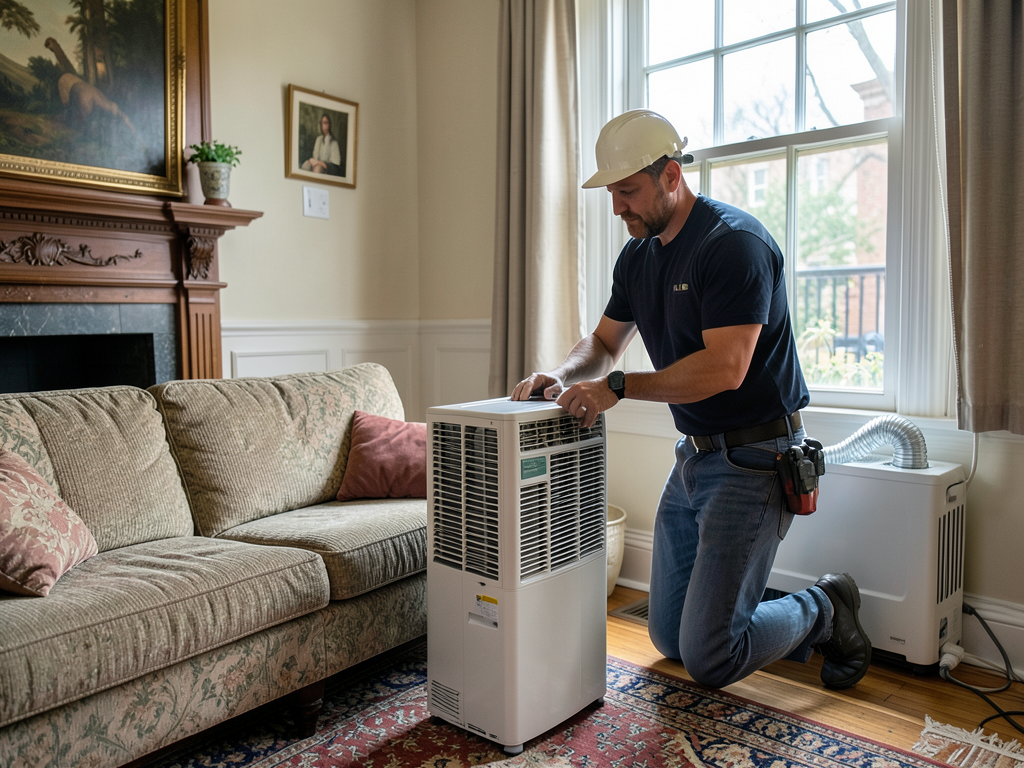
Non-Permanent Cooling Solutions for Renters in the Lower Haight Living in a classic Lower Haight Victorian or Edwardian apartment means dealing with beautiful architecture but often outdated cooling systems. Most renters face the same dilemma:…
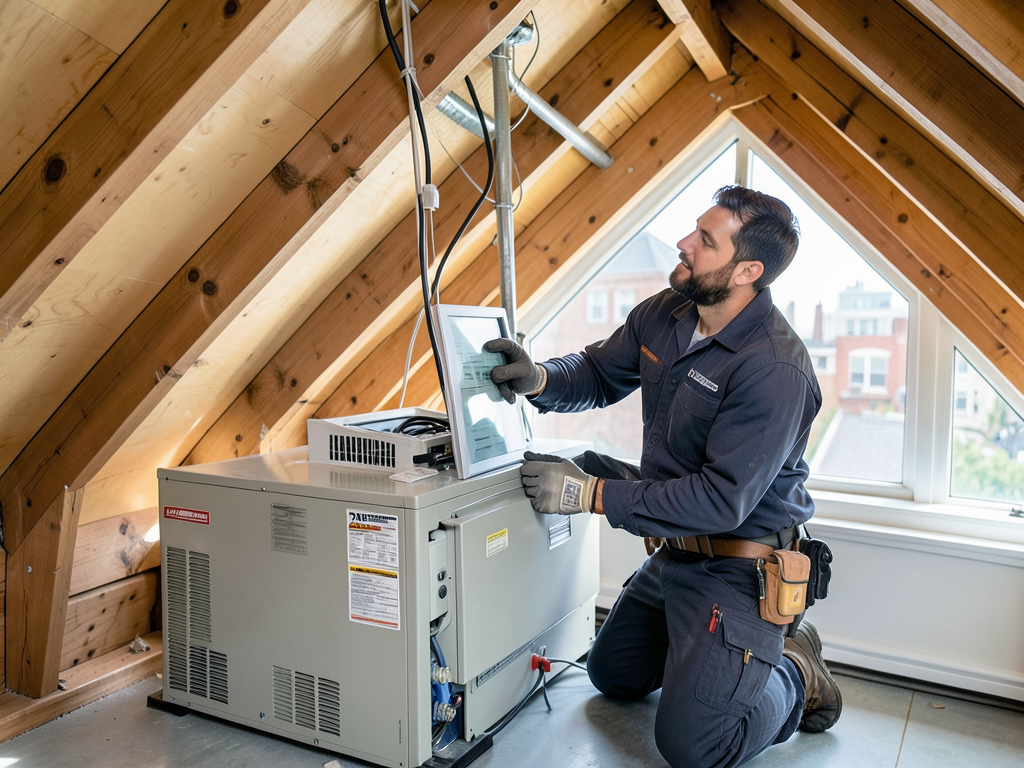
Heating and Cooling Solutions for Sunnyside Attic and Basement Conversions Converting your Sunnyside attic or…
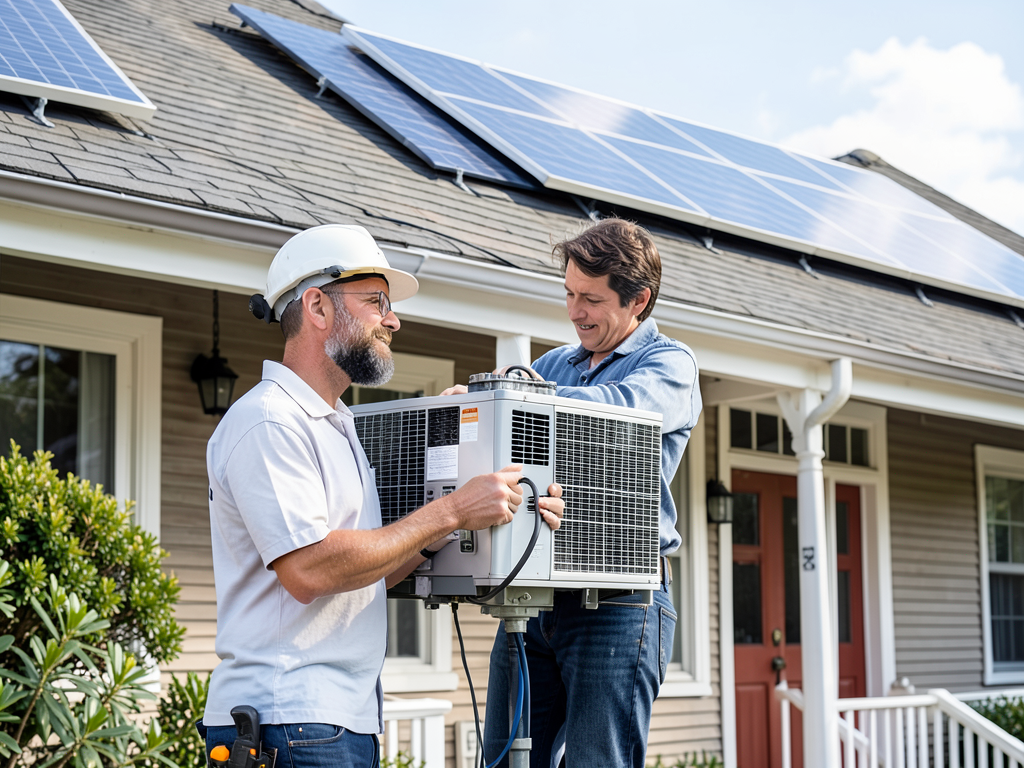
Pairing Your San Francisco Solar Panels with a High Efficiency Heat Pump If you have…
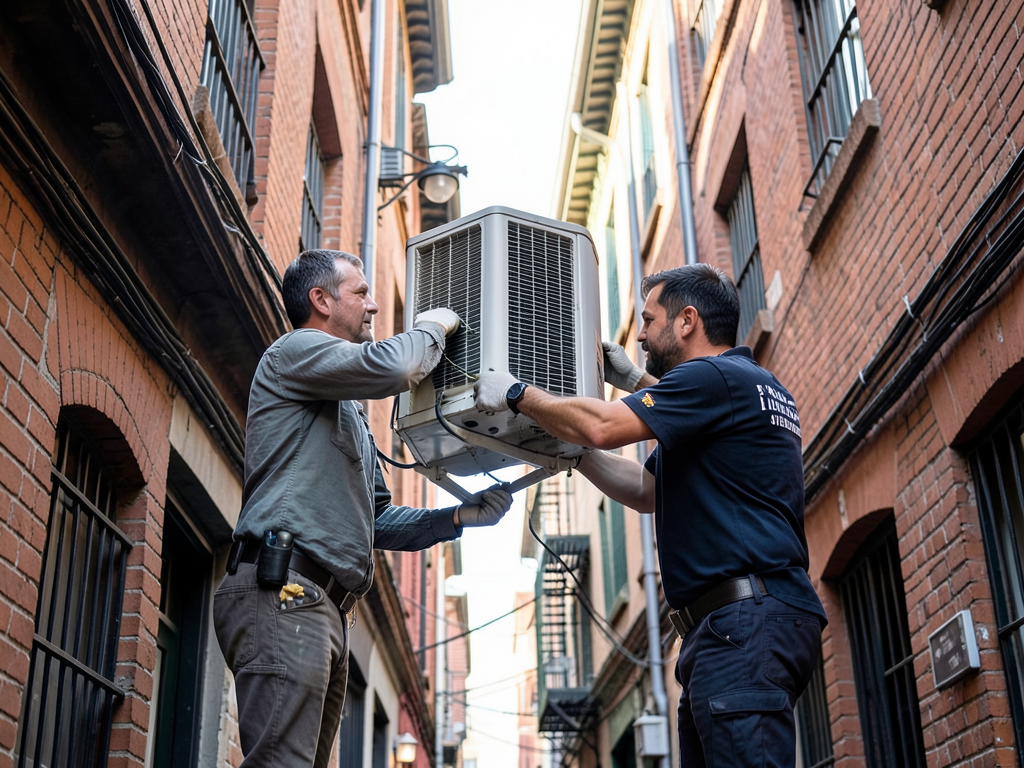
Energy Efficient HVAC Upgrades for Small Businesses in Chinatown Small businesses in San Francisco's Chinatown…
Your system failed and you need help now. Call Atlas HVAC San Francisco at (628) 201-6600 for same-day service. We answer quickly, arrive fast, and fix it right. Available 24/7 for emergencies across all Berkeley neighborhoods.