
When your San Francisco apartment heating fails during the city’s foggy summer or chilly winter nights, knowing your legal rights becomes critical. San Francisco Housing Code Section 701 mandates specific temperature requirements that landlords must meet to ensure habitable living conditions. This guide breaks down exactly what those requirements are, what your landlord must do, and how to take action when your heating system stops working. Who to Call for 24 Hour Emergency Heating Repair in San Francisco.
San Francisco Housing Code Section 701: The 68-Degree Rule
San Francisco’s Housing Code Section 701 establishes that rental properties must maintain a minimum temperature of 68 degrees Fahrenheit in all habitable rooms between 5 AM and 10 PM. This requirement applies year-round, not just during winter months, because San Francisco’s unique microclimate can create unexpectedly cold conditions even in summer when the marine layer rolls in.
The code specifically requires that central heating systems be capable of maintaining these temperatures throughout the entire 13-hour window. A system that only works intermittently or cannot reach 68 degrees fails to meet code requirements regardless of whether the outdoor temperature feels mild to some residents.
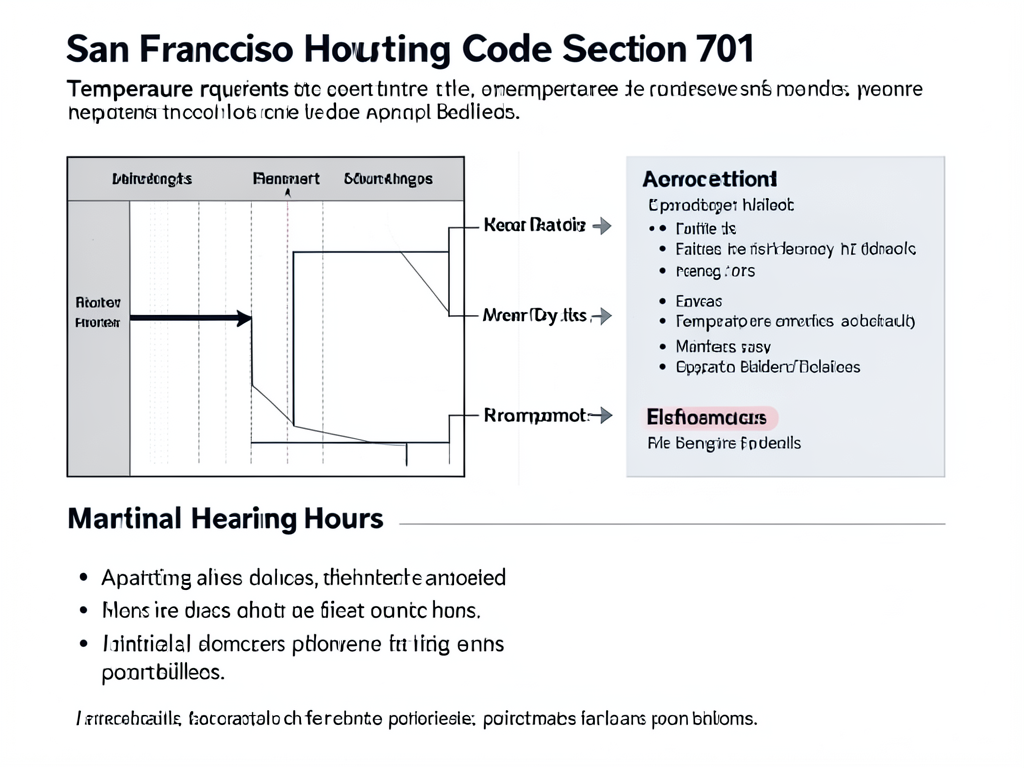
Diagram showing San Francisco Housing Code Section 701 temperature requirements and mandatory heating hours
Landlord Responsibilities vs. Tenant Rights
Under California Civil Code 1941.1 and the San Francisco Rent Ordinance, landlords have specific obligations regarding heating systems. The law requires landlords to provide and maintain a permanent heating source that meets code requirements. This means central heating systems, wall furnaces, or floor furnaces that are permanently installed and properly vented. The Best Way to Install Heat Pumps in Historic San Francisco Victorians.
Portable space heaters do not satisfy the legal requirement for a permanent heating source. If your apartment only has space heaters, your landlord is violating San Francisco housing codes regardless of whether those heaters make the space feel warm enough.
When heating systems fail, landlords must respond within specific timeframes. Essential services like heating typically require repair within 24 to 72 hours, depending on the severity of the failure and whether temporary solutions can be implemented. Fast and Affordable AC Repair Services in Daly City and South San Francisco.
Common HVAC Issues in San Francisco Apartments
San Francisco’s unique building stock creates specific heating challenges. Victorian and Edwardian buildings often feature outdated steam radiator systems that require regular bleeding to remove air pockets. When radiators feel cold at the top but warm at the bottom, air has trapped inside and prevents proper heat distribution.
Wall furnaces common in smaller apartments frequently experience thermocouple failures. These safety devices prevent gas flow when the pilot light goes out. A faulty thermocouple causes the furnace to shut down completely, leaving tenants without heat even though the system appears to be functioning.. Read more about Troubleshooting a Furnace That Blows Cold Air Before Calling a Professional.
Thermostat calibration issues plague many San Francisco buildings. Older mercury thermostats can drift out of calibration by several degrees over time, causing systems to cycle on and off at incorrect temperatures. This results in spaces that feel cold even when the thermostat reads 70 degrees.
What to Do When Your Heating Fails
The first step when your heating stops working is documenting the failure. Use a digital thermometer to record room temperatures during the required hours. Take photos of your thermostat display and any error codes or warning lights on your heating equipment.
Send your landlord a written notice via email and certified mail describing the heating failure and requesting repairs. Keep copies of all correspondence. California law requires landlords to receive written notice before certain legal remedies become available.
If your landlord fails to respond within 48 hours, contact the San Francisco Department of Building Inspection. The DBI can inspect your unit and issue citations for code violations. You can file complaints online at sfdpw.org or call (415) 558-6570 during business hours.
Emergency Repair Options and Costs
When heating failures create emergency conditions, especially for elderly residents or those with medical conditions, you may need immediate professional intervention. Emergency HVAC repairs in San Francisco typically range from $350 to $1,200 depending on the specific issue and time of service. Professional Commercial HVAC Maintenance for SOMA Office Buildings.
Common emergency repairs include thermocouple replacement ($180-$350), thermostat replacement ($250-$450), and basic diagnostic services ($150-$250). More complex issues like boiler pump failures or gas valve replacements can cost $800-$1,500.
Many HVAC companies offer 24/7 emergency service with response times of 2-4 hours for critical heating failures. When calling for emergency service, be prepared to describe the specific symptoms: whether the system is completely dead, making unusual noises, or producing insufficient heat.
Carbon Monoxide Safety Requirements
San Francisco building code requires carbon monoxide detectors in all residential units with fuel-burning appliances, including gas furnaces, wall heaters, and water heaters. These detectors must be installed outside each sleeping area and on every level of the home.
If your heating system uses natural gas or propane, test your carbon monoxide detectors monthly. Replace batteries annually and replace the entire unit every 5-7 years according to manufacturer specifications. Carbon monoxide poisoning symptoms include headache, dizziness, nausea, and confusion.
Never use outdoor heating equipment like patio heaters or cooking stoves indoors during heating failures. These create severe carbon monoxide hazards that can be fatal within minutes.
Energy Efficiency and Modern Heating Solutions
Many San Francisco landlords are upgrading to high-efficiency heating systems to meet both code requirements and energy conservation goals. Modern heat pumps can provide both heating and cooling while using 30-50% less energy than traditional electric resistance heaters.
California Title 24 energy standards require new heating installations to meet minimum efficiency ratings. Heat pumps installed after 2020 must have a minimum Seasonal Energy Efficiency Ratio (SEER) of 14 and a Heating Seasonal Performance Factor (HSPF) of 8.2.
Programmable and smart thermostats can help maintain consistent temperatures while reducing energy costs. These devices allow you to set different temperatures for occupied and unoccupied periods, potentially saving 10-15% on heating bills.
Tenant Rights During Heating Disputes
If your landlord refuses to make necessary heating repairs, California tenants have several legal remedies. You may be entitled to withhold rent until repairs are completed, though specific procedures must be followed to avoid eviction.
Rent reduction is another option when heating systems fail to maintain required temperatures. You can petition the San Francisco Rent Board for a reduction based on the diminished value of your rental unit due to inadequate heating.
In severe cases where heating failures create uninhabitable conditions, tenants may have grounds to break their lease without penalty. Document all communications with your landlord and keep records of indoor temperatures during the required hours.
Preventing Future Heating Problems
Regular maintenance prevents most heating system failures. Change or clean furnace filters every 1-3 months depending on your system and household conditions. Dirty filters restrict airflow and cause systems to overheat and shut down.
Schedule annual professional inspections before the heating season begins. Technicians can identify worn components, clean burners, check gas pressure, and calibrate thermostats before problems develop into emergencies.
Keep the area around heating equipment clear of stored items, especially flammable materials. Maintain at least 3 feet of clearance around furnaces, boilers, and wall heaters to prevent fire hazards and ensure proper airflow.
Choosing Between Repair and Replacement
When heating systems reach 15-20 years of age, replacement often makes more financial sense than continued repairs. Modern high-efficiency systems can reduce heating costs by 30% or more while providing more consistent comfort.
Consider replacement if repair costs exceed 30% of the replacement cost, if your system requires frequent repairs, or if it uses outdated technology like standing pilot lights. New systems also come with warranties that protect against future repair costs.
Energy efficiency rebates and tax incentives may be available for upgrading to high-efficiency heating equipment. Check with your utility provider and the California Energy Commission for current programs.
Frequently Asked Questions
What temperature must my San Francisco apartment maintain?
San Francisco Housing Code Section 701 requires a minimum of 68 degrees Fahrenheit between 5 AM and 10 PM in all habitable rooms. This applies year-round, not just during winter months.
How long does my landlord have to fix broken heating?
Essential services like heating typically require repair within 24 to 72 hours. The exact timeframe depends on the severity of the failure and whether temporary solutions can be implemented.
Can I use space heaters if my apartment heating fails?
Space heaters do not satisfy San Francisco’s requirement for a permanent heating source. Your landlord must provide and maintain a permanently installed heating system that meets code requirements.
What should I do if my landlord won’t fix the heating?
Document the failure with temperature readings and photos, send written notice to your landlord, and contact the San Francisco Department of Building Inspection if repairs aren’t made within 48 hours.
Are carbon monoxide detectors required in San Francisco rentals?
Yes, carbon monoxide detectors are required in all residential units with fuel-burning appliances. They must be installed outside each sleeping area and on every level of the home.
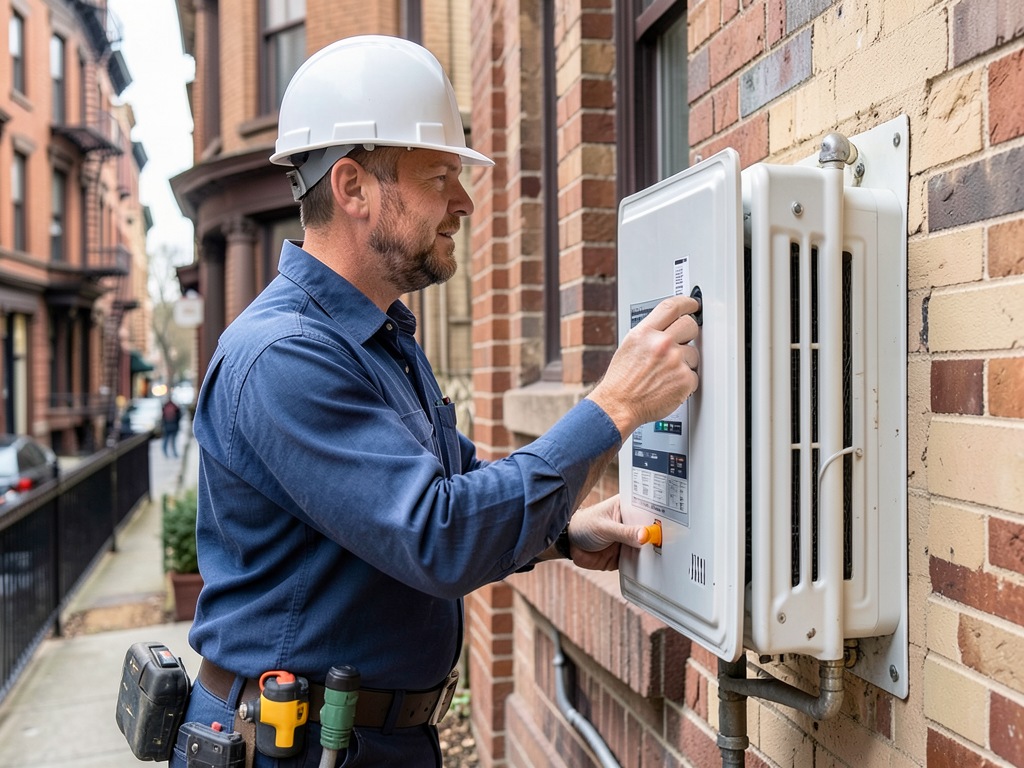
Technician performing diagnostic test on a San Francisco apartment wall furnace
Modern high-efficiency heat pump installation in a San Francisco Victorian home
Take Action Today
Don’t wait until your heating system fails completely. If you’re experiencing inadequate heat or your system shows warning signs like strange noises, uneven heating, or frequent cycling, call (628) 201-6600 for a professional inspection. Our experienced technicians understand San Francisco’s unique heating requirements and can diagnose problems before they become emergencies. Short Cycling.
Pick up the phone and call (628) 201-6600 before the next cold snap hits. We offer same-day service for critical heating failures and can help you understand your rights as a tenant while providing the technical solutions your landlord needs to meet code requirements.
For more information about San Francisco heating codes and tenant rights, visit the San Francisco Department of Building Inspection website or contact the San Francisco Rent Board.
Don’t let another cold night pass in an inadequately heated apartment. Call (628) 201-6600 today to schedule your heating inspection and ensure your rights are protected.
{
“@context”: “https://schema.org”,
“@type”: “BlogPosting”,
“headline”: “Knowing Your Rights When Your San Francisco Apartment Heating Fails”,
“description”: “Learn San Francisco tenant heat requirements, landlord responsibilities, and what to do when your apartment heating fails. Get expert HVAC help at (628) 201-6600.”,
“wordCount”: 1678,
“datePublished”: “2026-03-19T12:25:00.000Z”,
“dateModified”: “2026-03-19T12:25:00.000Z”,
“inLanguage”: “en-US”,
“mainEntityOfPage”: {
“@type”: “WebPage”,
“@id”: “https://atlashvacsanfrancisco.com”
},
“publisher”: {
“@type”: “LocalBusiness”,
“name”: “Atlas HVAC San Francisco”,
“url”: “https://atlashvacsanfrancisco.com”
},
“author”: {
“@type”: “Organization”,
“name”: “Atlas HVAC San Francisco”,
“url”: “https://atlashvacsanfrancisco.com”
},
“image”: {
“@type”: “ImageObject”,
“url”: “https://atlashvacsanfrancisco.com/wp-content/uploads/2026/03/knowing-your-rights-when-your-san-francisco-apartm-1.png”
}
}
{
“@context”: “https://schema.org”,
“@type”: “HVACBusiness”,
“name”: “Atlas HVAC San Francisco”,
“url”: “https://atlashvacsanfrancisco.com”,
“address”: {
“@type”: “PostalAddress”,
“addressLocality”: “San Francisco”
},
“areaServed”: {
“@type”: “City”,
“name”: “San Francisco”
}
}
{
“@context”: “https://schema.org”,
“@type”: “FAQPage”,
“mainEntity”: [
{
“@type”: “Question”,
“name”: “What temperature must my San Francisco apartment maintain?”,
“acceptedAnswer”: {
“@type”: “Answer”,
“text”: “San Francisco Housing Code Section 701 requires a minimum of 68 degrees Fahrenheit between 5 AM and 10 PM in all habitable rooms. This applies year-round, not just during winter months.”
}
},
{
“@type”: “Question”,
“name”: “How long does my landlord have to fix broken heating?”,
“acceptedAnswer”: {
“@type”: “Answer”,
“text”: “Essential services like heating typically require repair within 24 to 72 hours. The exact timeframe depends on the severity of the failure and whether temporary solutions can be implemented.”
}
},
{
“@type”: “Question”,
“name”: “What should I do if my landlord won’t fix the heating?”,
“acceptedAnswer”: {
“@type”: “Answer”,
“text”: “Document the failure with temperature readings and photos, send written notice to your landlord, and contact the San Francisco Department of Building Inspection if repairs aren’t made within 48 hours.”
}
},
{
“@type”: “Question”,
“name”: “Are carbon monoxide detectors required in San Francisco rentals?”,
“acceptedAnswer”: {
“@type”: “Answer”,
“text”: “Yes, carbon monoxide detectors are required in all residential units with fuel-burning appliances. They must be installed outside each sleeping area and on every level of the home.”
}
}
]
}
{
“@context”: “https://schema.org”,
“@type”: “BreadcrumbList”,
“itemListElement”: [
{
“@type”: “ListItem”,
“position”: 1,
“name”: “Home”,
“item”: “https://atlashvacsanfrancisco.com”
},
{
“@type”: “ListItem”,
“position”: 2,
“name”: “Blog”,
“item”: “https://atlashvacsanfrancisco.com/blog”
},
{
“@type”: “ListItem”,
“position”: 3,
“name”: “Knowing Your Rights When Your San Francisco Apartment Heating Fails”
}
]
}
{
“@context”: “https://schema.org”,
“@type”: “Service”,
“serviceType”: “HVAC”,
“provider”: {
“@type”: “LocalBusiness”,
“name”: “Atlas HVAC San Francisco”,
“url”: “https://atlashvacsanfrancisco.com”
},
“areaServed”: {
“@type”: “City”,
“name”: “San Francisco”
},
“description”: “Learn San Francisco tenant heat requirements, landlord responsibilities, and what to do when your apartment heating fails. Get expert HVAC help at (628) 201-6600.”
}