
The Benefits of Variable Speed AC Units for Homes Near the Painted Ladies
Living in the iconic Alamo Square neighborhood means dealing with San Francisco’s unique microclimates and rising energy costs. Variable speed air conditioning systems offer a solution that traditional single-stage units simply cannot match. These advanced systems adjust their cooling output continuously, providing precise temperature control while using significantly less energy than conventional models. Energy Star certified air conditioners.
For Painted Ladies homeowners, the benefits extend beyond just cooling. Variable speed units operate at sound levels as low as 50 decibels, making them whisper-quiet compared to the 70+ decibel roar of standard systems. This matters in San Francisco’s dense urban environment where outdoor condenser noise can disturb neighbors and violate local ordinances. Quiet and Efficient Furnace Replacement Options for Pacific Heights Residents.
How Variable Speed Technology Works
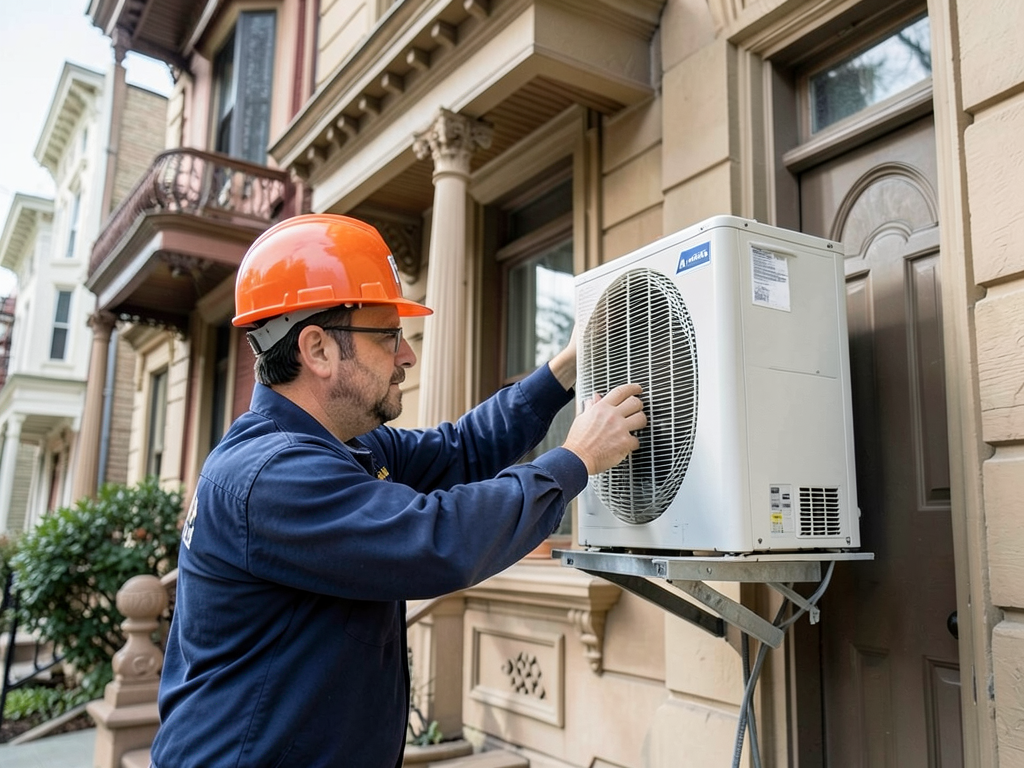
Unlike traditional AC units that cycle on and off at full capacity, variable speed compressors use inverter technology to modulate their output between 25% and 100%. Think of it like a dimmer switch for your cooling system. When your home needs just a small temperature adjustment, the unit runs at low speed rather than blasting cold air and shutting off repeatedly.
This continuous operation provides several advantages for San Francisco homes. First, it eliminates the temperature swings common with single-stage systems. Second, it maintains consistent humidity levels, which is crucial during our occasional summer heat waves when fog gives way to warm inland air. Third, it reduces wear and tear on components since the system isn’t constantly starting and stopping.
Comparing AC System Types
| Feature | Single-Stage | Two-Stage | Variable Speed |
|---|---|---|---|
| Energy Efficiency (SEER2) | 13-16 | 17-20 | 21-26+ |
| Noise Level | 70-80 dB | 65-75 dB | 45-60 dB |
| Humidity Control | Basic | Good | Excellent |
| Temperature Consistency | ±2-3°F | ±1-2°F | ±0.5°F |
| Lifespan | 10-12 years | 12-15 years | 15-20 years |
Why San Francisco Homes Need Variable Speed

San Francisco’s coastal location creates specific challenges that variable speed systems handle exceptionally well. Our proximity to the Pacific Ocean means high humidity levels, especially during morning fog and occasional heat waves. Variable speed units excel at moisture removal because they run longer at lower speeds, allowing more time for air to pass over the cooling coils.
The city’s microclimates add another layer of complexity. While the Sunset District might be cool and foggy, Potrero Hill could be experiencing temperatures 20 degrees warmer. Variable speed systems adapt to these rapid changes without the energy waste of constantly cycling on and off. Short Cycling.
PG&E’s time-of-use rates make efficiency even more critical. Running a traditional AC during peak hours can cost three times more than off-peak operation. Variable speed units use less energy overall and can be programmed to optimize for rate schedules, potentially saving hundreds of dollars annually on utility bills. PG&E energy efficiency rebates.
Installation Considerations for Historic Homes
The Painted Ladies and surrounding Alamo Square homes present unique installation challenges. Many were built before air conditioning existed, requiring creative solutions for ductwork and equipment placement. Variable speed systems offer flexibility because they can work with smaller, more efficient duct designs and don’t require the same airflow volumes as traditional units. The Best Way to Install Heat Pumps in Historic San Francisco Victorians.
California Title 24 energy standards require all new HVAC installations to meet strict efficiency requirements. Variable speed units exceed these standards by 30-40%, making them the smart choice for compliance and long-term performance. They also qualify for BayREN rebates and federal tax credits, which can offset the higher upfront cost.. Read more about How to Install Modern Air Filtration Without Ruining Your Lake Street Heritage Home.
Seismic considerations are crucial in San Francisco. Variable speed outdoor units are typically lighter and more compact than traditional models, reducing the structural load on historic foundations. They also feature advanced vibration isolation that minimizes noise transmission through walls and floors.
Cost Analysis and Return on Investment
Variable speed AC units typically cost 20-30% more than comparable single-stage systems. However, the energy savings and extended lifespan often provide payback within 3-5 years. For a typical Alamo Square home, annual energy savings can range from $300 to $600 depending on usage patterns and PG&E rates.
Beyond direct energy savings, variable speed systems reduce maintenance costs. The gentle operation means less stress on components, fewer service calls, and longer intervals between major repairs. Many units include smart diagnostics that can identify issues before they become expensive problems. Fast and Affordable AC Repair Services in Daly City and South San Francisco.
Smart home integration is another benefit. Variable speed units work seamlessly with modern thermostats like Nest and Ecobee, allowing remote control and learning algorithms that optimize comfort while minimizing energy use. Some systems can even predict weather changes and adjust operation accordingly.
Professional Installation Process
Proper installation is critical for variable speed system performance. The process begins with a Manual J load calculation, which determines the exact cooling capacity needed for your specific home. This calculation considers factors like square footage, insulation levels, window orientation, and local climate data for the Alamo Square area.
Step 1: Load Calculation and System Design
Step 2: Equipment Selection and Sizing
Step 3: Ductwork Evaluation and Modifications
Step 4: Electrical Panel Assessment and Upgrades
Step 5: Installation and Testing
Step 6: City Permit Inspection and Final Setup
Each step requires specialized knowledge of variable speed technology. For example, the electrical requirements differ significantly from traditional systems, often needing dedicated circuits and surge protection to handle the inverter technology.
Maintenance Requirements
Variable speed units require less frequent maintenance than traditional systems, but the maintenance they do need is more specialized. Annual professional service should include checking refrigerant levels with electronic leak detectors, testing capacitor performance under load, and verifying inverter operation with digital multimeters. Professional Commercial HVAC Maintenance for SOMA Office Buildings.
Homeowners should change filters every 1-3 months depending on usage and indoor air quality. The advanced filtration systems in many variable speed units can remove particles as small as 0.3 microns, improving indoor air quality for allergy sufferers and reducing dust accumulation in historic homes.
Common Misconceptions
Some homeowners worry that variable speed systems are too complex or prone to failure. Modern units have proven reliability, with failure rates actually lower than traditional systems due to reduced cycling stress. The control boards include self-diagnostic features that can alert homeowners to potential issues before they cause system shutdowns.
Another concern is whether variable speed systems can handle San Francisco’s occasional heat waves. These units are designed to operate at full capacity when needed, providing the same cooling power as traditional systems during extreme conditions while maintaining efficiency during normal operation.
Making the Right Choice
For Alamo Square homeowners, variable speed AC represents the best balance of efficiency, comfort, and long-term value. The technology aligns perfectly with San Francisco’s sustainability goals and the city’s evolving building codes. While the initial investment is higher, the combination of energy savings, reduced maintenance, and superior comfort makes it the logical choice for modern homes.
Consider your specific needs: Do you value quiet operation? Are energy costs a concern? Do you want the most environmentally friendly option? If you answered yes to any of these questions, variable speed technology deserves serious consideration.
Frequently Asked Questions
How much can I save on my energy bills with a variable speed AC?
Most homeowners see 30-50% reduction in cooling costs compared to single-stage units. For a typical Alamo Square home, this translates to $300-600 in annual savings, with payback periods of 3-5 years.
Will a variable speed unit work with my existing ductwork?
Often yes, but modifications may be needed. Variable speed systems can work with smaller ducts and lower airflow rates, but proper sizing is critical for optimal performance. A professional assessment will determine what modifications are necessary.
Are variable speed units compatible with smart home systems?
Yes, most modern variable speed units integrate seamlessly with smart thermostats like Nest, Ecobee, and others. They offer remote control, learning algorithms, and energy usage tracking through smartphone apps.
How long do variable speed AC units typically last?
With proper maintenance, variable speed units typically last 15-20 years, compared to 10-12 years for single-stage systems. The reduced cycling stress contributes to longer component life.
Do variable speed units qualify for rebates or tax credits?
Yes, many variable speed units qualify for BayREN rebates, federal tax credits under the Inflation Reduction Act, and PG&E incentives. These can offset 10-20% of the initial cost.
Ready to experience the benefits of variable speed cooling for your Painted Ladies home? Call (628) 201-6600 today to schedule your free consultation and learn how we can help you save energy while staying comfortable year-round.
You may also find this helpful. Why a Standard Size AC Might Not Work for Your Unique San Francisco Home Layout.
{
“@context”: “https://schema.org”,
“@type”: “BlogPosting”,
“headline”: “The Benefits of Variable Speed AC Units for Homes Near the Painted Ladies”,
“description”: “Discover why variable speed AC units are perfect for San Francisco’s Painted Ladies. Learn about energy savings, quiet operation, and climate-specific benefits from local HVAC experts.”,
“wordCount”: 1429,
“datePublished”: “2026-04-10T06:17:00.000Z”,
“dateModified”: “2026-04-10T06:17:00.000Z”,
“inLanguage”: “en-US”,
“mainEntityOfPage”: {
“@type”: “WebPage”,
“@id”: “https://atlashvacsanfrancisco.com”
},
“publisher”: {
“@type”: “LocalBusiness”,
“name”: “Atlas HVAC San Francisco”,
“url”: “https://atlashvacsanfrancisco.com”
},
“author”: {
“@type”: “Organization”,
“name”: “Atlas HVAC San Francisco”,
“url”: “https://atlashvacsanfrancisco.com”
},
“image”: {
“@type”: “ImageObject”,
“url”: “https://atlashvacsanfrancisco.com/wp-content/uploads/2026/03/the-benefits-of-variable-speed-ac-units-for-homes-1.png”
}
}
{
“@context”: “https://schema.org”,
“@type”: “HVACBusiness”,
“name”: “Atlas HVAC San Francisco”,
“url”: “https://atlashvacsanfrancisco.com”,
“address”: {
“@type”: “PostalAddress”,
“addressLocality”: “San Francisco”
},
“areaServed”: {
“@type”: “City”,
“name”: “San Francisco”
}
}
{
“@context”: “https://schema.org”,
“@type”: “FAQPage”,
“mainEntity”: [
{
“@type”: “Question”,
“name”: “How much can I save on my energy bills with a variable speed AC?”,
“acceptedAnswer”: {
“@type”: “Answer”,
“text”: “Most homeowners see 30-50% reduction in cooling costs compared to single-stage units. For a typical Alamo Square home, this translates to $300-600 in annual savings, with payback periods of 3-5 years.”
}
},
{
“@type”: “Question”,
“name”: “Will a variable speed unit work with my existing ductwork?”,
“acceptedAnswer”: {
“@type”: “Answer”,
“text”: “Often yes, but modifications may be needed. Variable speed systems can work with smaller ducts and lower airflow rates, but proper sizing is critical for optimal performance. A professional assessment will determine what modifications are necessary.”
}
},
{
“@type”: “Question”,
“name”: “Are variable speed units compatible with smart home systems?”,
“acceptedAnswer”: {
“@type”: “Answer”,
“text”: “Yes, most modern variable speed units integrate seamlessly with smart thermostats like Nest, Ecobee, and others. They offer remote control, learning algorithms, and energy usage tracking through smartphone apps.”
}
},
{
“@type”: “Question”,
“name”: “How long do variable speed AC units typically last?”,
“acceptedAnswer”: {
“@type”: “Answer”,
“text”: “With proper maintenance, variable speed units typically last 15-20 years, compared to 10-12 years for single-stage systems. The reduced cycling stress contributes to longer component life.”
}
},
{
“@type”: “Question”,
“name”: “Do variable speed units qualify for rebates or tax credits?”,
“acceptedAnswer”: {
“@type”: “Answer”,
“text”: “Yes, many variable speed units qualify for BayREN rebates, federal tax credits under the Inflation Reduction Act, and PG&E incentives. These can offset 10-20% of the initial cost.”
}
}
]
}
{
“@context”: “https://schema.org”,
“@type”: “BreadcrumbList”,
“itemListElement”: [
{
“@type”: “ListItem”,
“position”: 1,
“name”: “Home”,
“item”: “https://atlashvacsanfrancisco.com”
},
{
“@type”: “ListItem”,
“position”: 2,
“name”: “Blog”,
“item”: “https://atlashvacsanfrancisco.com/blog”
},
{
“@type”: “ListItem”,
“position”: 3,
“name”: “The Benefits of Variable Speed AC Units for Homes Near the Painted Ladies”
}
]
}
{
“@context”: “https://schema.org”,
“@type”: “Service”,
“serviceType”: “HVAC”,
“provider”: {
“@type”: “LocalBusiness”,
“name”: “Atlas HVAC San Francisco”,
“url”: “https://atlashvacsanfrancisco.com”
},
“areaServed”: {
“@type”: “City”,
“name”: “San Francisco”
},
“description”: “Discover why variable speed AC units are perfect for San Francisco’s Painted Ladies. Learn about energy savings, quiet operation, and climate-specific benefits from local HVAC experts.”
}