
Protecting Your HVAC Equipment from Corrosion in the Bayshore and Brisbane Area
Your HVAC system faces a constant battle against the salty air and coastal humidity of the Bayshore and Brisbane areas. The Pacific Ocean sends chloride ions inland, attacking aluminum fins and copper tubing on your outdoor condenser unit. Left unprotected, this corrosion can cut your system’s lifespan in half, forcing expensive replacements years ahead of schedule.
The good news is that with the right prevention methods and regular maintenance, you can shield your equipment from these corrosive elements. This guide walks you through exactly what’s happening to your system and how to stop it.
How Salt Air Damages Your HVAC System
Living near the San Francisco Bay means your outdoor condenser unit sits in a corrosive environment. When salt mist from the Pacific travels inland, it settles on metal surfaces. The chloride ions in salt create a chemical reaction that eats away at aluminum fins and copper tubing.
This process happens faster than most homeowners realize. In coastal areas like Bayshore, condenser coils can show visible corrosion within 3-5 years. The damage starts as tiny pits in the metal, then grows into larger holes that reduce heat transfer efficiency. Your system works harder, uses more electricity, and eventually fails completely.
The humid marine layer that blankets the area makes things worse. Moisture keeps salt particles active, creating a perfect storm for accelerated corrosion. Even units placed just a few blocks from the bay show dramatically more wear than those in inland neighborhoods.
Two Types of Corrosion That Attack Your System
Understanding what you’re fighting helps you prevent it. Your HVAC system faces two main types of corrosion in the Bayshore area.
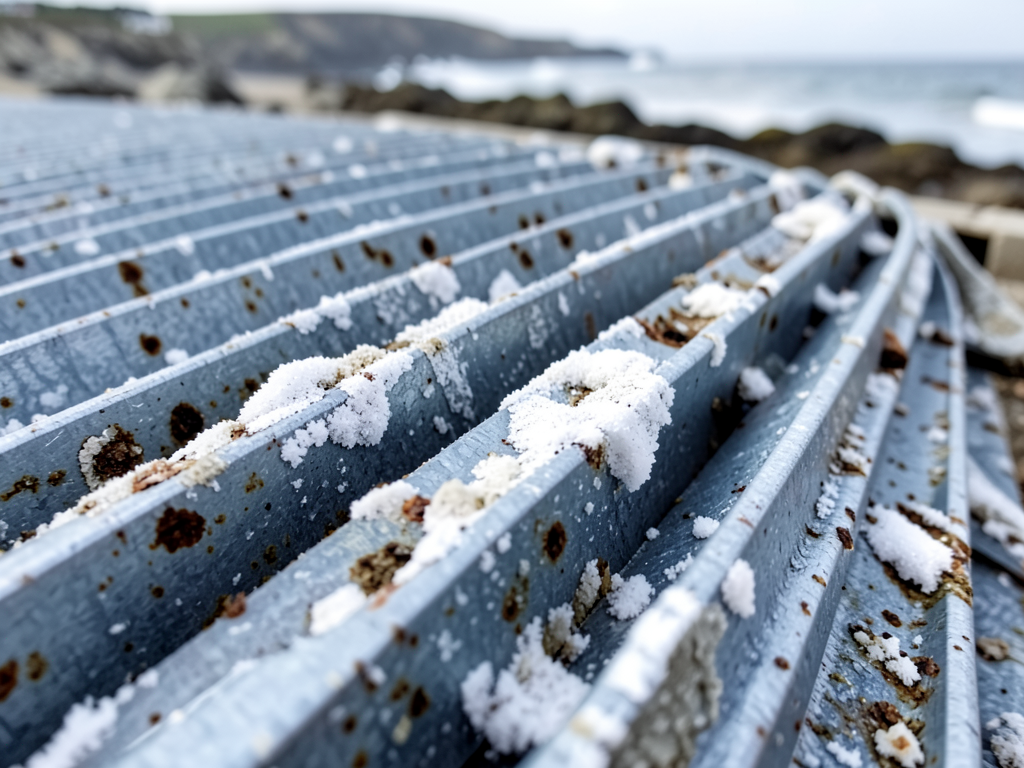
Galvanic corrosion occurs when different metals touch in the presence of salt and moisture. Your copper tubing and aluminum fins create a battery effect. The aluminum becomes the sacrificial metal, corroding away while protecting the copper. This shows up as white, powdery deposits on the fins.
Pitting corrosion creates small, deep holes in the metal surface. Salt particles embed in microscopic cracks, then expand when they absorb moisture. These pits look like tiny craters and can penetrate completely through thin aluminum fins. Once pitting starts, it spreads rapidly.
Call (628) 201-6600 today to schedule your inspection. Our technicians can identify early signs of both corrosion types before they cause system failure.
5 Proven Prevention Methods for Coastal Homes
Protecting your investment requires a multi-layered approach. These five methods work together to create a strong defense against coastal corrosion.
1. Professional Protective Coatings
Specialized coatings create a barrier between your metal components and the corrosive environment. Heresite and Blygold coatings bond to the metal surface, sealing out salt and moisture. These aren’t simple spray paints they’re engineered polymer systems that flex with temperature changes.
Application requires complete coil cleaning and surface preparation. The coating must be applied in controlled conditions to ensure proper adhesion. When done correctly, these coatings can extend coil life by 5-7 years in coastal environments. EPA compliance basics.
2. Sacrificial Anode Installation
Sacrificial anodes work like underwater boat protection. A piece of more reactive metal attaches to your condenser unit. Instead of the aluminum fins corroding, the anode corrodes first. This simple device can add years to your system’s life.
The anode needs replacement every 2-3 years as it slowly disappears. This inexpensive maintenance item costs far less than replacing corroded coils. Many commercial buildings in the Bayshore area use this method successfully. Professional Commercial HVAC Maintenance for SOMA Office Buildings.
3. Strategic Unit Placement and Protection
Where you place your outdoor unit affects its exposure to salt air. Units on the windward side of your home face the worst conditions. Adding a protective overhang or screen can reduce direct salt spray exposure by 50% or more.
Even small changes help. Elevating the unit on a concrete pad keeps it above ground-level salt accumulation. Facing the coil away from prevailing winds reduces the amount of salt-laden air hitting the most vulnerable surfaces.
4. Regular Professional Cleaning Schedule
Monthly rinsing with fresh water removes salt buildup before it causes damage. This isn’t just hosing off the unit it’s a thorough cleaning that reaches between the fins where salt collects. Professional cleaning includes coil-safe detergents that dissolve salt deposits without damaging protective coatings.
During service visits, technicians inspect for early corrosion signs. They can spot problems when they’re small and inexpensive to fix. This preventative approach costs much less than emergency repairs. Who to Call for 24 Hour Emergency Heating Repair in San Francisco.
5. Microchannel Coil Upgrades
Traditional tube-and-fin coils are most vulnerable to corrosion. Microchannel coils use a different design with smaller passages and fewer dissimilar metals in contact. This reduces galvanic corrosion potential significantly.
These coils also clean more easily and resist debris buildup. While the upfront cost is higher, the extended lifespan in coastal areas often justifies the investment. Many new installations in Bayshore now specify microchannel technology. The Best Way to Install Heat Pumps in Historic San Francisco Victorians.
Understanding Your Local Microclimate
The Bayshore and Brisbane areas sit in a unique position relative to San Francisco Bay. You get the worst of both worlds salt air from the Pacific and industrial pollutants from the Bay Area.
During summer months, the marine layer pushes salty fog inland most mornings. This fog carries microscopic salt particles that settle on everything. Your HVAC unit gets coated with this salty dew, which activates corrosion as soon as the sun hits it.
Winter brings different challenges. Storm winds from the northwest carry ocean spray much farther inland than usual. A single winter storm can deposit enough salt to start significant corrosion if your unit isn’t protected.
The Brisbane area, being slightly more elevated, sometimes escapes the worst morning fog. But it still receives salt air from the bay side. Units placed on north-facing slopes in Brisbane often show less corrosion than those in lower Bayshore areas.
Pick up the phone and call (628) 201-6600 before the next storm hits. We can assess your specific location’s risk factors and recommend the right protection plan.
Professional Maintenance Checklist
Professional maintenance for coastal HVAC systems includes specific checks that inland units don’t need. Here’s what a thorough coastal tune-up should include:
- Coil Inspection and Cleaning
Check for early corrosion signs, clean between fins with coil-safe detergent, and apply protective coating if needed.
- Electrical Component Testing
Check for corrosion on terminals, connections, and control boards. Salt air causes electrical failures that aren’t always obvious.
- Refrigerant Level Check
Small leaks from corroded lines often go unnoticed until the system fails. Early detection saves expensive repairs. Fast and Affordable AC Repair Services in Daly City and South San Francisco.
- Fan Motor and Blade Inspection
Check for rust on motor mounts and blade edges. Replace bearings showing salt damage.
- Base Pan and Drainage Check
Ensure proper drainage to prevent standing water, which accelerates corrosion underneath the unit.
- Anode Condition Assessment
If installed, check sacrificial anode thickness and replace if more than 50% consumed.
Cost-Benefit Analysis: Prevention vs. Replacement
Understanding the economics helps you make smart decisions. Here’s how prevention compares to dealing with corrosion damage:
| Scenario | 5-Year Cost | 10-Year Cost | Expected System Life |
|---|---|---|---|
| No Protection | $1,800 | $4,500 | 7-9 years |
| Basic Protection | $1,200 | $2,800 | 10-12 years |
| Premium Protection | $900 | $1,800 | 12-15 years |
The numbers tell a clear story. Basic protection costs about 30% less over five years and doubles your system’s life. Premium protection saves even more long-term while maximizing equipment life.
Consider this: a mid-range condenser replacement costs $3,500-$5,000. If corrosion forces replacement at year 7 instead of year 12, you’ve lost $2,500-$3,500 in potential use. Prevention costs a fraction of that loss.
Local Building Code Considerations
San Mateo County and the Bayshore area have specific requirements for HVAC installations. The California Energy Commission Title 24 standards require minimum efficiency levels, but coastal areas often need additional considerations.
Section 110.6 of the California Mechanical Code addresses corrosion protection for outdoor equipment. While it doesn’t mandate specific coatings, it requires that installations in corrosive environments use materials and methods appropriate for those conditions.
Local permitting in Brisbane and Bayshore may require additional documentation for protective coating applications. Some HOAs in the area have specific requirements for unit appearance and noise levels that affect coating choices.
Working with a contractor familiar with these local requirements prevents costly mistakes. Improper installations can lead to failed inspections, fines, or the need to redo work that doesn’t meet code.
Warning Signs Your System Needs Help
Knowing what to look for helps you catch problems early. Here are the most common warning signs of corrosion damage:
- White, chalky deposits on coil fins
- Reduced cooling capacity even when the system runs normally
- Unusual noises from the outdoor unit fan motor
- Higher than normal energy bills
- Visible rust on the unit base or mounting hardware
- Water leaks from the indoor unit (indicating coil damage)
If you notice any of these signs, don’t wait. Corrosion accelerates rapidly once it starts. What looks like a minor issue today can become a major failure next month.
Making the Right Choice for Your Home
Every home in Bayshore and Brisbane faces different levels of corrosion risk. Factors include your exact distance from the bay, prevailing winds, and local elevation. A home on the eastern edge of Bayshore might need minimal protection, while one right on the waterfront needs maximum protection.
The best approach starts with an assessment. A qualified technician can evaluate your specific conditions and recommend appropriate protection levels. This isn’t a one-size-fits-all situation.
Consider your plans for the home too. If you’ll move within five years, basic protection might make sense. If you plan to stay long-term, investing in premium protection protects your asset value and avoids replacement headaches.
Most importantly, don’t let perfect be the enemy of good. Some protection is always better than none. Even simple steps like regular rinsing and basic cleaning extend system life significantly.
Frequently Asked Questions
How often should I rinse my outdoor unit?
Monthly rinsing works well for most Bayshore and Brisbane homes. During summer fog season, you might benefit from bi-weekly rinsing. Use gentle water pressure and avoid high-pressure washers that can damage fins.
Can I apply protective coating myself?
DIY coating applications rarely work well. Professional application requires specific temperature and humidity conditions, proper surface preparation, and even coating thickness. Improper application can actually trap moisture and accelerate corrosion.
How much does professional corrosion protection cost?
Basic protection packages start around $300-$500 and include cleaning, inspection, and protective treatment. Premium packages with specialized coatings run $800-$1,200 but include longer warranties and more extensive protection.
Will my homeowner’s insurance cover corrosion damage?
Most standard policies exclude normal wear and tear, including corrosion. Some policies offer equipment breakdown coverage as an add-on. Check your specific policy details or ask your agent about coverage options.
How do I know if my unit already has corrosion damage?
Schedule a professional inspection. Technicians use specialized tools to check for early corrosion that isn’t visible to the naked eye. They can also test system efficiency to identify performance losses from corrosion damage.
Take Action Before Corrosion Strikes
Corrosion doesn’t wait for convenient times to damage your HVAC system. The salty air and coastal humidity of Bayshore and Brisbane are constantly working against your equipment. Every month you wait is another month of accelerated wear.
The right protection plan saves you money, prevents inconvenient breakdowns, and extends your system’s life significantly. Whether you need a basic maintenance package or comprehensive corrosion protection, the key is starting before damage occurs.
Call (628) 201-6600 today to schedule your inspection. Our local technicians understand the specific challenges of coastal HVAC protection. We’ll assess your system, explain your options clearly, and recommend the right protection level for your home and budget.
Don’t let salt air steal years from your HVAC system. Take control of corrosion before it takes control of your comfort and your wallet. For more information, visit ASHRAE technical resources.
{
“@context”: “https://schema.org”,
“@type”: “BlogPosting”,
“headline”: “Protecting Your HVAC Equipment from Corrosion in the Bayshore and Brisbane Area”,
“description”: “Learn how salt air and humidity damage HVAC systems in Bayshore and Brisbane. Discover proven corrosion prevention methods and local maintenance tips from San Francisco experts.”,
“wordCount”: 2004,
“datePublished”: “2026-04-12T08:45:00.000Z”,
“dateModified”: “2026-04-12T08:45:00.000Z”,
“inLanguage”: “en-US”,
“mainEntityOfPage”: {
“@type”: “WebPage”,
“@id”: “https://atlashvacsanfrancisco.com”
},
“publisher”: {
“@type”: “LocalBusiness”,
“name”: “Atlas HVAC San Francisco”,
“url”: “https://atlashvacsanfrancisco.com”
},
“author”: {
“@type”: “Organization”,
“name”: “Atlas HVAC San Francisco”,
“url”: “https://atlashvacsanfrancisco.com”
},
“image”: {
“@type”: “ImageObject”,
“url”: “https://atlashvacsanfrancisco.com/wp-content/uploads/2026/03/protecting-your-hvac-equipment-from-corrosion-in-t-1.png”
}
}
{
“@context”: “https://schema.org”,
“@type”: “HVACBusiness”,
“name”: “Atlas HVAC San Francisco”,
“url”: “https://atlashvacsanfrancisco.com”,
“address”: {
“@type”: “PostalAddress”,
“addressLocality”: “San Francisco”
},
“areaServed”: {
“@type”: “City”,
“name”: “San Francisco”
}
}
{
“@context”: “https://schema.org”,
“@type”: “FAQPage”,
“mainEntity”: [
{
“@type”: “Question”,
“name”: “How often should I rinse my outdoor unit?”,
“acceptedAnswer”: {
“@type”: “Answer”,
“text”: “Monthly rinsing works well for most Bayshore and Brisbane homes. During summer fog season, you might benefit from bi-weekly rinsing. Use gentle water pressure and avoid high-pressure washers that can damage fins.”
}
},
{
“@type”: “Question”,
“name”: “Can I apply protective coating myself?”,
“acceptedAnswer”: {
“@type”: “Answer”,
“text”: “DIY coating applications rarely work well. Professional application requires specific temperature and humidity conditions, proper surface preparation, and even coating thickness. Improper application can actually trap moisture and accelerate corrosion.”
}
},
{
“@type”: “Question”,
“name”: “How much does professional corrosion protection cost?”,
“acceptedAnswer”: {
“@type”: “Answer”,
“text”: “Basic protection packages start around $300-$500 and include cleaning, inspection, and protective treatment. Premium packages with specialized coatings run $800-$1,200 but include longer warranties and more extensive protection.”
}
},
{
“@type”: “Question”,
“name”: “Will my homeowner’s insurance cover corrosion damage?”,
“acceptedAnswer”: {
“@type”: “Answer”,
“text”: “Most standard policies exclude normal wear and tear, including corrosion. Some policies offer equipment breakdown coverage as an add-on. Check your specific policy details or ask your agent about coverage options.”
}
},
{
“@type”: “Question”,
“name”: “How do I know if my unit already has corrosion damage?”,
“acceptedAnswer”: {
“@type”: “Answer”,
“text”: “Schedule a professional inspection. Technicians use specialized tools to check for early corrosion that isn’t visible to the naked eye. They can also test system efficiency to identify performance losses from corrosion damage.”
}
}
]
}
{
“@context”: “https://schema.org”,
“@type”: “HowTo”,
“name”: “Coastal HVAC Maintenance Steps”,
“step”: [
{
“@type”: “HowToStep”,
“position”: 1,
“name”: “Coil Inspection and Cleaning”,
“text”: “Check for early corrosion signs, clean between fins with coil-safe detergent, and apply protective coating if needed.”
},
{
“@type”: “HowToStep”,
“position”: 2,
“name”: “Electrical Component Testing”,
“text”: “Check for corrosion on terminals, connections, and control boards. Salt air causes electrical failures that aren’t always obvious.”
},
{
“@type”: “HowToStep”,
“position”: 3,
“name”: “Refrigerant Level Check”,
“text”: “Small leaks from corroded lines often go unnoticed until the system fails. Early detection saves expensive repairs. Fast and Affordable AC Repair Services in Daly City and South San Francisco.”
},
{
“@type”: “HowToStep”,
“position”: 4,
“name”: “Fan Motor and Blade Inspection”,
“text”: “Check for rust on motor mounts and blade edges. Replace bearings showing salt damage.”
},
{
“@type”: “HowToStep”,
“position”: 5,
“name”: “Base Pan and Drainage Check”,
“text”: “Ensure proper drainage to prevent standing water, which accelerates corrosion underneath the unit.”
},
{
“@type”: “HowToStep”,
“position”: 6,
“name”: “Anode Condition Assessment”,
“text”: “If installed, check sacrificial anode thickness and replace if more than 50% consumed.”
}
],
“image”: “https://atlashvacsanfrancisco.com/wp-content/uploads/2026/03/protecting-your-hvac-equipment-from-corrosion-in-t-1.png”
}
{
“@context”: “https://schema.org”,
“@type”: “BreadcrumbList”,
“itemListElement”: [
{
“@type”: “ListItem”,
“position”: 1,
“name”: “Home”,
“item”: “https://atlashvacsanfrancisco.com”
},
{
“@type”: “ListItem”,
“position”: 2,
“name”: “Blog”,
“item”: “https://atlashvacsanfrancisco.com/blog”
},
{
“@type”: “ListItem”,
“position”: 3,
“name”: “Protecting Your HVAC Equipment from Corrosion in the Bayshore and Brisbane Area”
}
]
}
{
“@context”: “https://schema.org”,
“@type”: “Service”,
“serviceType”: “HVAC”,
“provider”: {
“@type”: “LocalBusiness”,
“name”: “Atlas HVAC San Francisco”,
“url”: “https://atlashvacsanfrancisco.com”
},
“areaServed”: {
“@type”: “City”,
“name”: “San Francisco”
},
“description”: “Learn how salt air and humidity damage HVAC systems in Bayshore and Brisbane. Discover proven corrosion prevention methods and local maintenance tips from San Francisco experts.”
}