
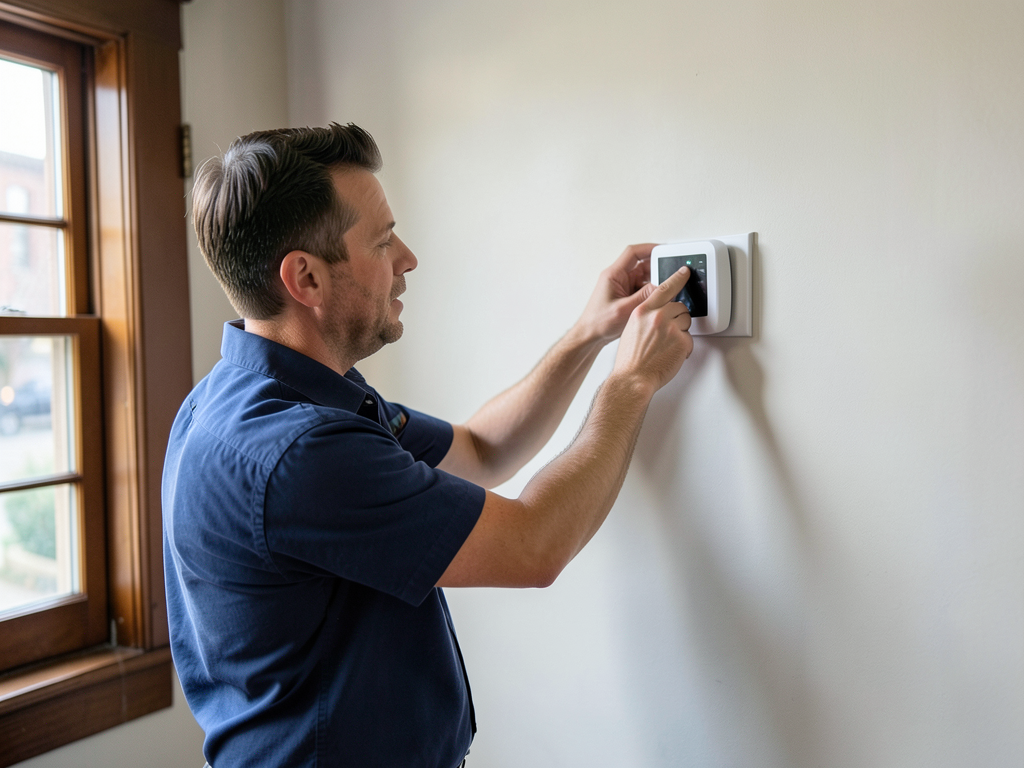
The Best Spot to Install Your Thermostat for Accurate Readings in an SF Layout
Finding the perfect thermostat location in a San Francisco home can mean the difference between consistent comfort and frustrating temperature swings. The right spot ensures your HVAC system responds accurately to your home’s true ambient temperature, saving energy and preventing short cycling. This guide covers the science behind optimal placement, common mistakes to avoid, and San Francisco-specific considerations for everything from foggy Sunset District homes to sunny Mission District Victorians. Short Cycling.
Why Placement Dictates Your Energy Bills and Comfort
Your thermostat acts as the brain of your HVAC system. When it’s placed near a heat source like a kitchen oven or in direct sunlight streaming through a Victorian bay window, it reads artificially high temperatures. This causes your air conditioner to run longer than necessary, driving up energy bills. Conversely, a drafty location near an old lath-and-plaster wall can make your furnace run constantly, creating uncomfortable hot and cold spots throughout your home.
The phenomenon of ‘ghost readings’ occurs when localized temperature variations trick your thermostat. In San Francisco’s mixed-humidity climate, this problem is amplified. A thermostat mounted on an exterior wall in the Richmond District might read 5-7 degrees cooler than your living room due to coastal fog infiltration through aging window seals.. Read more about Why a Standard Size AC Might Not Work for Your Unique San Francisco Home Layout.
The Golden Rules of Thermostat Placement
Following these fundamental principles ensures your thermostat accurately represents your home’s average temperature:
Interior Walls Only
Always mount your thermostat on an interior wall away from exterior temperature influences. Exterior walls in San Francisco’s older homes often have poor insulation, causing the thermostat to register outside temperatures instead of your home’s true ambient conditions.
The Five-Foot Rule
Position the thermostat approximately five feet from the floor. This height captures the average air temperature where you actually live and breathe, avoiding the warmer air that rises to ceilings in homes with high Victorian ceilings or the cooler air that settles near the floor.
Centralized Location for Whole-Home Accuracy
Place the thermostat in a central location that represents the average temperature of your living spaces. For most San Francisco homes, this means avoiding extreme corners and instead mounting it in a main hallway or central living area where air circulates freely.
5 Places to Avoid at All Costs
Certain locations virtually guarantee poor thermostat performance. Here are the five worst spots for your San Francisco home:
Direct Sunlight
Never mount a thermostat where it receives direct sunlight, especially in south-facing rooms common in Noe Valley and Bernal Heights. Solar heat gain can cause temperature readings 10-15 degrees higher than actual room temperature, leading to excessive cooling cycles.
Kitchens and Bathrooms
Kitchens generate substantial heat from appliances and cooking, while bathrooms produce humidity from showers. Both conditions create false readings that cause your HVAC system to run inefficiently. The steam from a Mission District Victorian’s original clawfoot tub can significantly impact thermostat accuracy. Quiet and Efficient Furnace Replacement Options for Pacific Heights Residents.
Hallways and Near Drafty Windows
While central hallways are often good locations, avoid mounting near drafty windows common in San Francisco’s historic homes. Cold drafts from aging single-pane windows can cause your furnace to run continuously, wasting energy and creating temperature imbalances.
Near Supply Vents
Mounting a thermostat too close to supply vents creates a ‘feedback loop’ where the thermostat reads the temperature of conditioned air rather than room air. This causes short cycling and prevents your system from running long enough to properly condition your entire home.
San Francisco Specific Considerations: Victorians and Microclimates
San Francisco’s unique housing stock and microclimates require special thermostat placement strategies. Victorian homes in Pacific Heights often have high ceilings and large bay windows that create temperature stratification. In these cases, consider mounting the thermostat slightly higher than five feet to account for heat rising, or use a smart thermostat with remote sensors in different zones.
The Sunset District’s persistent fog creates unique challenges. Homes here often benefit from thermostats with humidity sensors, as the damp coastal air affects how we perceive temperature. A thermostat in a foggy area might need to run slightly warmer than one in the sunnier Mission District to achieve the same comfort level.
Multi-story San Francisco townhomes require careful consideration. Heat naturally rises, so a single thermostat on the main floor may not adequately control upstairs temperatures. Modern smart thermostats with remote sensors can monitor and control different zones independently, solving this common Bay Area problem.
Smart Thermostats and Remote Sensors
Modern smart thermostats offer solutions for challenging San Francisco layouts. Models from Nest, Ecobee, and Honeywell allow you to place remote sensors in different rooms, giving you a more accurate picture of your home’s overall temperature. This is particularly valuable in homes with:
- Historic architecture with uneven heating patterns
- Multiple levels with significant temperature differences
- Rooms with unique usage patterns (home offices, nurseries)
Smart thermostats also offer learning capabilities that adapt to your schedule and preferences. They can factor in San Francisco’s microclimates, automatically adjusting for the temperature differences between foggy mornings in the Richmond and sunny afternoons in the Mission.
Thermostat Calibration and Maintenance
Even perfectly placed thermostats need occasional calibration. Over time, temperature sensors can drift, especially in San Francisco’s humid coastal environment. Here’s how to ensure your thermostat remains accurate:
- Check Current Accuracy
Use a separate thermometer placed next to your thermostat. After 15 minutes, compare readings. A difference greater than 2-3 degrees indicates calibration is needed. EPA energy savings information.
- Clean the Sensor
Dust accumulation on the temperature sensor can affect readings. Gently clean with compressed air, being careful not to damage delicate components.
- Test in Different Conditions
Check accuracy during both heating and cooling cycles, as some thermostats perform differently under various conditions. Who to Call for 24 Hour Emergency Heating Repair in San Francisco.
For San Francisco homes, consider having your thermostat professionally calibrated annually. The coastal humidity and salt air can accelerate sensor degradation in homes near the bay or ocean. Professional Commercial HVAC Maintenance for SOMA Office Buildings.
Professional Installation Considerations
While many homeowners attempt DIY thermostat installation, professional installation ensures optimal performance. A qualified HVAC technician will: The Best Way to Install Heat Pumps in Historic San Francisco Victorians.
- Assess your home’s unique layout and microclimate factors
- Verify proper wiring and compatibility with your HVAC system
- Test and calibrate the new thermostat
- Provide recommendations for smart thermostat features that benefit your specific situation
Professional installation is particularly important for San Francisco’s older homes, where electrical systems may need updates to support modern smart thermostats. The narrow walls of Victorian homes often require specialized mounting hardware to ensure secure installation.
Energy Efficiency and Cost Savings
Proper thermostat placement can reduce your energy bills by 10-15% annually. In San Francisco’s high-cost electricity market, this translates to significant savings. Smart thermostats with optimal placement and proper programming can pay for themselves within 1-2 years through energy savings.
Many San Francisco residents qualify for PG&E rebates when installing smart thermostats. These programs often require professional installation and documentation of proper placement to ensure maximum energy efficiency benefits.
Common Mistakes to Avoid
Even with good intentions, homeowners often make these thermostat placement errors:
- Mounting too high on walls with high ceilings
- Placing near electronics that generate heat
- Installing in rarely used rooms that don’t represent home temperature
- Ignoring the impact of large windows and doors
In San Francisco’s mixed-humidity climate, also consider how seasonal changes affect placement. What works in summer might be problematic in winter when heating is required.
Future-Proofing Your Thermostat Installation
As San Francisco moves toward electrification and heat pump technology becomes more common, thermostat placement becomes even more critical. Heat pumps operate differently than traditional furnaces, often running longer at lower output levels. This makes accurate temperature sensing essential for optimal performance.
Consider installing a thermostat with capabilities that support future upgrades. Even if you currently have a traditional system, choosing a model that works with heat pumps ensures you won’t need to replace it when you upgrade your HVAC system.
Frequently Asked Questions
Can I move my existing thermostat to a better location?
Yes, thermostats can be relocated, but it often requires running new wiring through walls. In San Francisco’s older homes with lath-and-plaster construction, this can be challenging and may require professional assistance to avoid damaging historic walls.
How do I know if my thermostat is in a bad location?
Signs of poor placement include uneven temperatures throughout your home, your HVAC system running constantly or cycling on and off frequently, and rooms feeling too hot or cold compared to your thermostat setting. If you experience these issues, your thermostat location may be the culprit.
Are smart thermostats worth it for San Francisco homes?
Smart thermostats offer significant benefits for Bay Area homes, particularly those with unique layouts or microclimates. Features like remote sensors, learning capabilities, and integration with other smart home devices can provide better comfort control and energy savings.
Ready to Optimize Your Home’s Comfort?
Don’t let poor thermostat placement cost you money and comfort. Our NATE-certified technicians understand the unique challenges of San Francisco homes and can help you find the perfect location for your thermostat. We’ll assess your home’s layout, consider your specific needs, and ensure optimal placement for maximum efficiency.
Call (628) 201-6600 today to schedule your thermostat assessment. Our team serves all San Francisco neighborhoods and can often provide same-day service for urgent comfort issues. Stop guessing about your home’s temperature and start enjoying consistent, efficient comfort.
Pick up the phone and call (628) 201-6600 before the next heat wave or cold snap hits. Your perfect home temperature is just one call away. For more information, visit U.S. Department of Energy thermostat guide.
{
“@context”: “https://schema.org”,
“@type”: “BlogPosting”,
“headline”: “The Best Spot to Install Your Thermostat for Accurate Readings in an SF Layout”,
“description”: “Learn the ideal thermostat placement for San Francisco homes. Avoid ghost readings and optimize comfort with expert tips for Victorian layouts and microclimates.”,
“wordCount”: 1623,
“datePublished”: “2026-04-15T11:39:00.000Z”,
“dateModified”: “2026-04-15T11:39:00.000Z”,
“inLanguage”: “en-US”,
“mainEntityOfPage”: {
“@type”: “WebPage”,
“@id”: “https://atlashvacsanfrancisco.com”
},
“publisher”: {
“@type”: “LocalBusiness”,
“name”: “Atlas HVAC San Francisco”,
“url”: “https://atlashvacsanfrancisco.com”
},
“author”: {
“@type”: “Organization”,
“name”: “Atlas HVAC San Francisco”,
“url”: “https://atlashvacsanfrancisco.com”
},
“image”: {
“@type”: “ImageObject”,
“url”: “https://atlashvacsanfrancisco.com/wp-content/uploads/2026/03/the-best-spot-to-install-your-thermostat-for-accur-1.png”
}
}
{
“@context”: “https://schema.org”,
“@type”: “HVACBusiness”,
“name”: “Atlas HVAC San Francisco”,
“url”: “https://atlashvacsanfrancisco.com”,
“address”: {
“@type”: “PostalAddress”,
“addressLocality”: “San Francisco”
},
“areaServed”: {
“@type”: “City”,
“name”: “San Francisco”
}
}
{
“@context”: “https://schema.org”,
“@type”: “FAQPage”,
“mainEntity”: [
{
“@type”: “Question”,
“name”: “Can I move my existing thermostat to a better location?”,
“acceptedAnswer”: {
“@type”: “Answer”,
“text”: “Yes, thermostats can be relocated, but it often requires running new wiring through walls. In San Francisco’s older homes with lath-and-plaster construction, this can be challenging and may require professional assistance to avoid damaging historic walls.”
}
},
{
“@type”: “Question”,
“name”: “How do I know if my thermostat is in a bad location?”,
“acceptedAnswer”: {
“@type”: “Answer”,
“text”: “Signs of poor placement include uneven temperatures throughout your home, your HVAC system running constantly or cycling on and off frequently, and rooms feeling too hot or cold compared to your thermostat setting. If you experience these issues, your thermostat location may be the culprit.”
}
},
{
“@type”: “Question”,
“name”: “Are smart thermostats worth it for San Francisco homes?”,
“acceptedAnswer”: {
“@type”: “Answer”,
“text”: “Smart thermostats offer significant benefits for Bay Area homes, particularly those with unique layouts or microclimates. Features like remote sensors, learning capabilities, and integration with other smart home devices can provide better comfort control and energy savings.”
}
},
{
“@type”: “Question”,
“name”: “Ready to Optimize Your Home’s Comfort?”,
“acceptedAnswer”: {
“@type”: “Answer”,
“text”: “Don’t let poor thermostat placement cost you money and comfort. Our NATE-certified technicians understand the unique challenges of San Francisco homes and can help you find the perfect location for your thermostat. We’ll assess your home’s layout, consider your specific needs, and ensure optimal placement for maximum efficiency.”
}
}
]
}
{
“@context”: “https://schema.org”,
“@type”: “HowTo”,
“name”: “Thermostat Calibration Process”,
“step”: [
{
“@type”: “HowToStep”,
“position”: 1,
“name”: “Check Current Accuracy”,
“text”: “Use a separate thermometer placed next to your thermostat. After 15 minutes, compare readings. A difference greater than 2-3 degrees indicates calibration is needed. EPA energy savings information.”
},
{
“@type”: “HowToStep”,
“position”: 2,
“name”: “Clean the Sensor”,
“text”: “Dust accumulation on the temperature sensor can affect readings. Gently clean with compressed air, being careful not to damage delicate components.”
},
{
“@type”: “HowToStep”,
“position”: 3,
“name”: “Test in Different Conditions”,
“text”: “Check accuracy during both heating and cooling cycles, as some thermostats perform differently under various conditions. Who to Call for 24 Hour Emergency Heating Repair in San Francisco.”
}
],
“image”: “https://atlashvacsanfrancisco.com/wp-content/uploads/2026/03/the-best-spot-to-install-your-thermostat-for-accur-1.png”
}
{
“@context”: “https://schema.org”,
“@type”: “BreadcrumbList”,
“itemListElement”: [
{
“@type”: “ListItem”,
“position”: 1,
“name”: “Home”,
“item”: “https://atlashvacsanfrancisco.com”
},
{
“@type”: “ListItem”,
“position”: 2,
“name”: “Blog”,
“item”: “https://atlashvacsanfrancisco.com/blog”
},
{
“@type”: “ListItem”,
“position”: 3,
“name”: “The Best Spot to Install Your Thermostat for Accurate Readings in an SF Layout”
}
]
}
{
“@context”: “https://schema.org”,
“@type”: “Service”,
“serviceType”: “HVAC”,
“provider”: {
“@type”: “LocalBusiness”,
“name”: “Atlas HVAC San Francisco”,
“url”: “https://atlashvacsanfrancisco.com”
},
“areaServed”: {
“@type”: “City”,
“name”: “San Francisco”
},
“description”: “Learn the ideal thermostat placement for San Francisco homes. Avoid ghost readings and optimize comfort with expert tips for Victorian layouts and microclimates.”
}