
Understanding Air Circulation Challenges in Transbay High-Rises
High-rise living in San Francisco’s Transbay District presents unique air circulation challenges that standard apartment advice doesn’t address. The combination of sealed modern windows, dense urban pollution, and the area’s notorious marine layer creates air quality issues specific to buildings near Salesforce Tower and the Transbay Transit Center. Many residents experience stuffy apartments, lingering cooking odors, and concerns about wildfire smoke infiltration during California’s increasingly volatile fire seasons. California Title 24 Energy Standards.
The fundamental issue stems from the “stack effect” – where temperature differences between your heated apartment and the cool San Francisco outdoors create pressure imbalances. In a 30-story building, this pressure differential can be significant enough to reverse airflow through vents, bringing in street-level pollutants or pushing your conditioned air into neighboring units. This is particularly problematic in the Transbay area where buildings like the Millennium Tower and 181 Fremont sit in close proximity, creating urban wind tunnels that complicate natural ventilation. HVAC Fremont.
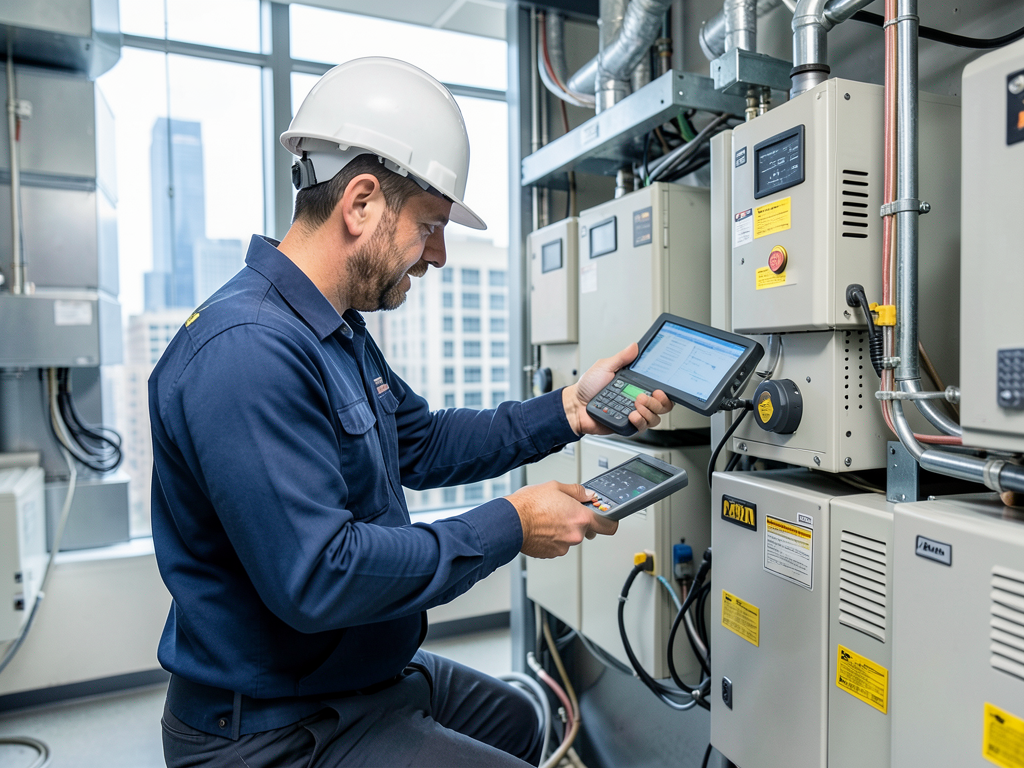
Image description: Cross-section diagram showing stack effect pressure zones in a 30-story San Francisco high-rise, with arrows indicating airflow direction and pressure differentials between floors.
Common Air Quality Issues for Transbay District Residents
Residents in the 94105 and 94107 zip codes face specific air quality challenges. The proximity to major transit hubs means higher levels of vehicle exhaust and brake dust entering through mechanical ventilation systems. During summer months, wildfire smoke from Northern California can settle in the urban bowl created by the Financial District and South Beach, reducing outdoor air quality to unhealthy levels for days at a time.
Condensation problems plague many units due to the temperature differential between the cool marine layer outside and heated interiors. Windows fog up regularly, and in some cases, moisture accumulates on interior walls – a breeding ground for mold if not addressed. The airtight construction that makes these buildings energy efficient also traps volatile organic compounds (VOCs) from furniture, cleaning products, and building materials, creating what’s known as “sick building syndrome” in extreme cases. Quiet and Efficient Furnace Replacement Options for Pacific Heights Residents.
Mechanical Ventilation Solutions for High-Rise Living
Modern high-rises in the Transbay area typically use either 4-pipe fan coil systems or Variable Refrigerant Flow (VRF) technology. Understanding which system your building uses is crucial for troubleshooting air circulation problems. Fan coil units circulate water through coils to heat or cool air, while VRF systems use refrigerant lines to individual units – each with different maintenance requirements and airflow characteristics.
For residents seeking better air circulation, Heat Recovery Ventilators (HRVs) and Energy Recovery Ventilators (ERVs) offer significant improvements. These systems exchange stale indoor air with filtered outdoor air while recovering energy from the exhaust stream. In San Francisco’s climate, ERVs are particularly effective because they also transfer moisture, helping maintain optimal humidity levels between 30-50% – the range recommended by ASHRAE Standard 62.1 for indoor air quality. ASHRAE Indoor Air Quality Standards.
Comparing Ventilation System Options
| System Type | Energy Efficiency | Best For | Installation Complexity |
|---|---|---|---|
| Heat Recovery Ventilator (HRV) | 85-95% heat recovery | Cool, dry climates | Moderate – requires dedicated ductwork |
| Energy Recovery Ventilator (ERV) | 70-80% heat recovery, moisture transfer | Coastal humid climates like SF | High – integrated with existing HVAC |
| Standalone HEPA Filtration | No energy recovery | Smoke and allergen removal | Low – portable or ceiling-mounted |
| UV-C Air Purification | Complements existing systems | Bacteria and virus control | Low – installed in ductwork |
California Title 24 Compliance and Your Air Quality
California’s Title 24, Part 6 energy efficiency standards directly impact how air circulates in your high-rise. These regulations require minimum ventilation rates measured in cubic feet per minute (CFM) per person – typically 15 CFM for residential bedrooms and 30 CFM for living areas. However, the actual performance depends on proper system commissioning and maintenance.
Many Transbay buildings were constructed under different code cycles, meaning some units may not meet current ventilation requirements. The San Francisco Department of Building Inspection (DBI) enforces these standards, and buildings undergoing major renovations must upgrade to comply with current Title 24 requirements. This often includes installing MERV 13+ filters – capable of capturing particles as small as 1 micron, including most wildfire smoke particles. The Best Way to Install Heat Pumps in Historic San Francisco Victorians.
Maintenance Checklist for Better Air Circulation
- Filter Replacement Schedule
Replace MERV 13 filters every 60-90 days in Transbay buildings due to higher pollution levels. Mark your calendar and keep spares on hand.
- Coil Cleaning Protocol
Have evaporator and condenser coils professionally cleaned annually. Dirty coils reduce airflow by up to 30% and increase energy costs. Professional Commercial HVAC Maintenance for SOMA Office Buildings.
- Duct Inspection Points
Check accessible ductwork every 6 months for dust accumulation, especially return air grilles near kitchen and bathroom areas.
- Static Pressure Testing
Measure system static pressure annually – readings above 0.5 inches water column indicate airflow restrictions.
Wildfire Smoke Protection Strategies
California’s wildfire seasons have intensified dramatically, with smoke events now common from July through October. The 2017-2020 fire seasons saw multiple days where outdoor air quality in San Francisco reached “hazardous” levels on the EPA’s Air Quality Index. For high-rise residents, this creates a critical need for effective filtration strategies.
During smoke events, your building’s mechanical system may not provide adequate protection. Most standard MERV 8 filters only capture particles larger than 3-10 microns – allowing the fine particulate matter (PM2.5) from wildfire smoke to pass through. Upgrading to MERV 13 or HEPA filtration can remove 99.97% of particles 0.3 microns and larger, dramatically improving indoor air quality during smoke events.
Consider creating a “clean room” within your apartment – a sealed space with a portable HEPA air purifier rated for your room size. Look for units with CADR (Clean Air Delivery Rate) ratings appropriate for your space. For a 500 square foot room, you’ll need a purifier with a CADR of at least 250 for smoke particles.
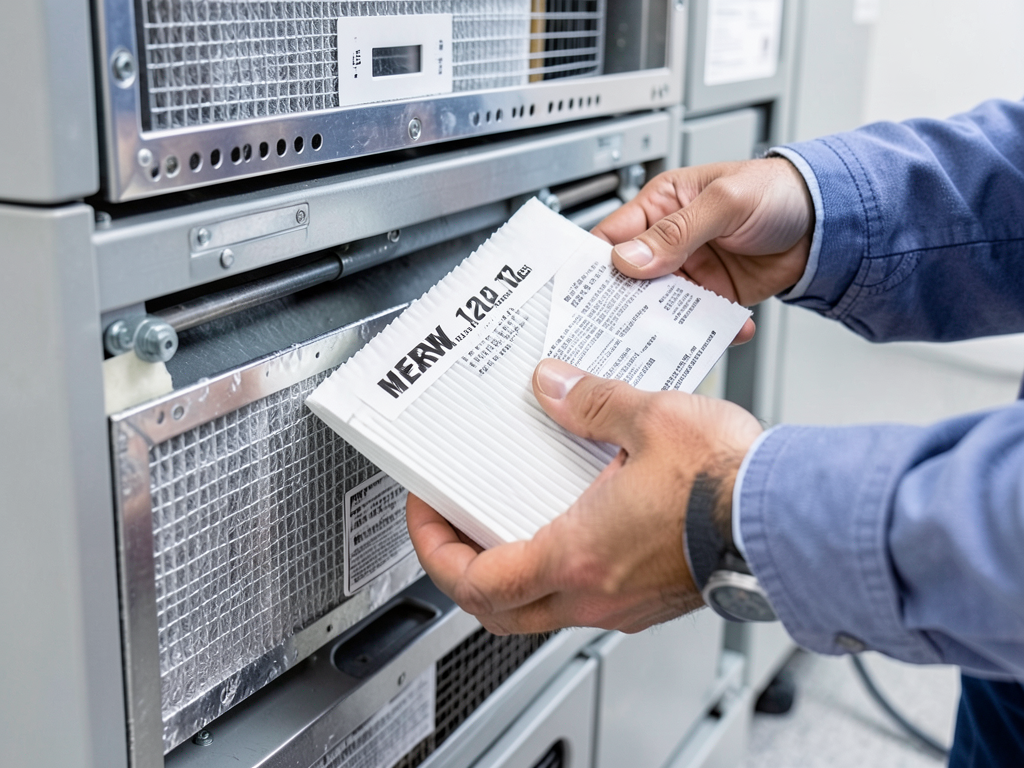
Image description: Technician installing MERV 13 filter in a high-rise HVAC system, showing proper filter orientation and seal to prevent bypass air.
Energy Efficiency and Air Circulation Balance
Improving air circulation often conflicts with energy efficiency goals – a particular concern in San Francisco where electricity rates average 29 cents per kilowatt-hour, among the highest in the nation. Running additional ventilation fans or portable air purifiers increases energy consumption, but the health benefits often outweigh the costs.
Smart ventilation controllers can optimize this balance by monitoring outdoor air quality and only introducing fresh air when conditions are favorable. These systems use EPA AirNow API data to automatically adjust ventilation rates, reducing energy waste while maintaining healthy indoor air quality. Some advanced systems even integrate with your building’s energy management system to coordinate ventilation with off-peak electricity rates.
The “neutral pressure plane” concept is crucial for high-rise residents to understand. In a tall building, there’s a theoretical elevation where indoor and outdoor pressures equalize. Above this plane, buildings experience positive pressure (air leaking out), while below it, negative pressure (air leaking in) dominates. This explains why residents on lower floors often report more drafts and outside odors, while upper-floor residents may experience positive pressure forcing air out through gaps.
DIY Improvements Residents Can Make
While major HVAC modifications require building management approval, several improvements fall within tenant rights. First, assess your current airflow by holding a tissue near supply and return vents – weak airflow indicates filter clogs or duct restrictions. Keep vents unobstructed by furniture, and consider vent deflectors to direct air where needed.
Humidity control is often overlooked but critical in San Francisco’s marine climate. Indoor humidity above 60% promotes mold growth, while below 30% causes respiratory irritation. A hygrometer (under $20) helps monitor levels. If humidity is consistently high, a dehumidifier can improve comfort and air quality, especially in north-facing units that receive less direct sunlight.
Houseplants can improve air quality, but choose wisely. While popular culture suggests plants significantly purify air, the effect is minimal in typical room volumes. However, certain plants like peace lilies and snake plants can help maintain humidity and have been shown to remove some VOCs. Just be aware that overwatered plants can contribute to humidity problems.
When to Call a Professional
Several signs indicate you need professional HVAC assessment. If certain rooms consistently feel stuffy while others are drafty, you may have imbalanced airflow requiring duct modifications. Unusual system noises – grinding, squealing, or rattling – suggest mechanical problems that reduce efficiency and air circulation.
Sudden increases in energy bills often indicate HVAC problems. If your electricity usage jumps 20% or more without obvious cause, your system may be working harder due to restricted airflow or failing components. Professional technicians use thermal imaging cameras to identify hot and cold spots, revealing insulation gaps or duct leaks that affect air circulation.
Building-wide air quality issues affecting multiple residents typically require professional investigation. If you and your neighbors experience similar symptoms – headaches, fatigue, or respiratory irritation – your building may have inadequate ventilation or contamination issues requiring comprehensive assessment by a certified HVAC professional familiar with California’s Title 24 requirements.
Future-Proofing Your Air Quality
The HVAC industry is rapidly evolving toward electrification and smart building integration. California’s building code updates through 2025 will require all new residential construction to be all-electric, eliminating natural gas appliances that can contribute to indoor air pollution. This shift makes heat pump technology increasingly important for both heating/cooling and ventilation. Who to Call for 24 Hour Emergency Heating Repair in San Francisco.
Emerging technologies like bipolar ionization and photocatalytic oxidation offer new approaches to air purification. These systems can neutralize viruses, bacteria, and VOCs without the energy penalty of increased outdoor air ventilation. While still premium options, prices are decreasing as adoption increases in commercial buildings, potentially making them viable for high-end residential applications within the next few years.
Climate change projections suggest San Francisco will experience more extreme heat days by 2030, increasing cooling demands and potentially straining existing HVAC systems. Proactive upgrades – such as improving building envelope insulation or installing high-efficiency heat pumps – can prepare your home for these changes while improving year-round air quality and comfort.
Legal Rights and Responsibilities
California Civil Code Section 1941.7 requires landlords to maintain heating systems in good working order, but ventilation requirements are less clearly defined. The implied warranty of habitability generally covers basic ventilation, but specific air quality standards are primarily enforced through building codes rather than tenant law.
For condominium owners in buildings with common HVAC systems, understanding your HOA’s maintenance responsibilities is crucial. Most CC&Rs (Covenants, Conditions & Restrictions) specify which components are common area responsibilities versus owner responsibilities. Typically, the building maintains central equipment while individual owners maintain their fan coil units or VRF terminals.
If air quality issues persist despite reasonable efforts, California’s Department of Fair Employment and Housing recognizes multiple chemical sensitivity and environmental illness as disabilities requiring reasonable accommodation under the Fair Employment and Housing Act. This can require landlords to make modifications or allow tenants to install approved air purification equipment.
Cost Considerations and ROI
Improving air circulation and quality involves various cost levels. Basic MERV 13 filter upgrades cost $30-60 per filter and pay for themselves through improved health and HVAC efficiency within one year. Portable HEPA air purifiers range from $200-800 depending on capacity and features, with operating costs of $30-100 annually for filter replacements.
Whole-house ERV installations typically cost $3,000-8,000 but can reduce energy costs by 10-15% while providing continuous fresh air. The payback period depends on your local utility rates and whether your building qualifies for any energy efficiency rebates. California’s Energy Upgrade California program occasionally offers incentives for ventilation improvements that meet specific efficiency criteria.
Consider the health cost savings as part of your ROI calculation. Reduced allergy symptoms, fewer respiratory infections, and better sleep quality have measurable economic value. Some employers even offer wellness incentives for home air quality improvements, recognizing the productivity benefits of better indoor environments.
Conclusion: Taking Control of Your Indoor Air
Living in San Francisco’s Transbay District offers incredible urban amenities but requires proactive management of indoor air quality. The unique combination of marine climate, urban density, and California’s wildfire seasons creates air quality challenges that standard apartment living advice doesn’t address. By understanding your building’s HVAC system, implementing appropriate filtration upgrades, and maintaining proper ventilation rates, you can significantly improve your indoor environment.
Start with the basics: replace filters regularly, keep vents unobstructed, and monitor humidity levels. For more significant issues, work with your building management to explore system upgrades or consider portable solutions for your specific unit. Remember that air quality improvements often provide immediate comfort benefits while also protecting your long-term health and property value.
The investment in better air circulation pays dividends through improved sleep, reduced allergy symptoms, and greater peace of mind during wildfire season. Whether you’re in a luxury high-rise near Salesforce Park or a converted loft in the historic core, these strategies can help you breathe easier in your San Francisco home.
Frequently Asked Questions
How often should I replace my HVAC filters in a high-rise building?
In San Francisco’s Transbay District, replace MERV 13 filters every 60-90 days due to higher urban pollution levels. During wildfire season, check filters monthly as they may need more frequent replacement. Always use the filter size and type specified by your building’s HVAC system to maintain proper airflow.
Can I install my own air purifier or ventilation system in my apartment?
Portable air purifiers are generally allowed under most lease agreements and don’t require building approval. However, modifications to existing HVAC systems, including installing ERVs or modifying ductwork, typically require written permission from building management and must comply with local building codes and your HOA’s architectural guidelines.
What’s the difference between an HRV and an ERV, and which do I need?
HRVs transfer heat between incoming and outgoing air streams but don’t transfer moisture, making them better for cool, dry climates. ERVs transfer both heat and moisture, which is ideal for San Francisco’s coastal climate where humidity control is important. ERVs also help prevent indoor air from becoming too dry in winter or too humid in summer.
How can I tell if my building has poor air quality?
Signs of poor air quality include persistent stuffiness, lingering odors, condensation on windows, visible dust accumulation near vents, and symptoms like headaches, fatigue, or allergy-like reactions that improve when you leave the building. Consider using a low-cost indoor air quality monitor to measure particulate matter, VOCs, and humidity levels.
Are there any financial assistance programs for air quality improvements?
California’s Energy Upgrade California program occasionally offers rebates for ventilation improvements that meet specific efficiency criteria. Additionally, some utility companies provide incentives for high-efficiency HVAC equipment. Check the Database of State Incentives for Renewables & Efficiency (DSIRE) for current programs available in San Francisco and California.
Image description: Before and after comparison showing particle count reduction in a Transbay high-rise apartment after installing MERV 13 filtration and ERV system, with data chart displaying PM2.5 levels.
Take Action for Better Air Quality Today
Don’t wait until air quality issues affect your health or comfort. Call (628) 201-6600 today to schedule a professional assessment of your high-rise HVAC system. Our certified technicians understand the unique challenges of Transbay District buildings and can recommend solutions tailored to your specific situation. Whether you need a simple filter upgrade or a comprehensive ventilation assessment, we’re here to help you breathe easier in your San Francisco home.
Pick up the phone and call (628) 201-6600 before the next wildfire season hits. The right air quality improvements now can protect your health and comfort for years to come. Our team serves all high-rise buildings in the 94105 and 94107 zip codes, with same-week appointments often available for urgent air quality concerns.
Visit our website to learn more about our specialized high-rise HVAC services and read customer reviews from your neighbors in the Transbay area. Better air quality is just a phone call away – make the call that protects your health and enhances your urban living experience.
{
“@context”: “https://schema.org”,
“@type”: “BlogPosting”,
“headline”: “Better Air Circulation Tips for High Rise Residents in the Transbay District”,
“description”: “Struggling with stale air in your Transbay high-rise? Discover expert HVAC tips for better ventilation, energy efficiency, and indoor air quality in San Francisco’s dense urban core.”,
“wordCount”: 2677,
“datePublished”: “2026-04-01T06:14:00.000Z”,
“dateModified”: “2026-04-01T06:14:00.000Z”,
“inLanguage”: “en-US”,
“mainEntityOfPage”: {
“@type”: “WebPage”,
“@id”: “https://atlashvacsanfrancisco.com”
},
“publisher”: {
“@type”: “LocalBusiness”,
“name”: “Atlas HVAC San Francisco”,
“url”: “https://atlashvacsanfrancisco.com”
},
“author”: {
“@type”: “Organization”,
“name”: “Atlas HVAC San Francisco”,
“url”: “https://atlashvacsanfrancisco.com”
},
“image”: {
“@type”: “ImageObject”,
“url”: “https://atlashvacsanfrancisco.com/wp-content/uploads/2026/03/better-air-circulation-tips-for-high-rise-resident-1.png”
}
}
{
“@context”: “https://schema.org”,
“@type”: “HVACBusiness”,
“name”: “Atlas HVAC San Francisco”,
“url”: “https://atlashvacsanfrancisco.com”,
“address”: {
“@type”: “PostalAddress”,
“addressLocality”: “San Francisco”
},
“areaServed”: {
“@type”: “City”,
“name”: “San Francisco”
}
}
{
“@context”: “https://schema.org”,
“@type”: “FAQPage”,
“mainEntity”: [
{
“@type”: “Question”,
“name”: “How often should I replace my HVAC filters in a high-rise building?”,
“acceptedAnswer”: {
“@type”: “Answer”,
“text”: “In San Francisco’s Transbay District, replace MERV 13 filters every 60-90 days due to higher urban pollution levels. During wildfire season, check filters monthly as they may need more frequent replacement. Always use the filter size and type specified by your building’s HVAC system to maintain proper airflow.”
}
},
{
“@type”: “Question”,
“name”: “Can I install my own air purifier or ventilation system in my apartment?”,
“acceptedAnswer”: {
“@type”: “Answer”,
“text”: “Portable air purifiers are generally allowed under most lease agreements and don’t require building approval. However, modifications to existing HVAC systems, including installing ERVs or modifying ductwork, typically require written permission from building management and must comply with local building codes and your HOA’s architectural guidelines.”
}
},
{
“@type”: “Question”,
“name”: “What’s the difference between an HRV and an ERV, and which do I need?”,
“acceptedAnswer”: {
“@type”: “Answer”,
“text”: “HRVs transfer heat between incoming and outgoing air streams but don’t transfer moisture, making them better for cool, dry climates. ERVs transfer both heat and moisture, which is ideal for San Francisco’s coastal climate where humidity control is important. ERVs also help prevent indoor air from becoming too dry in winter or too humid in summer.”
}
},
{
“@type”: “Question”,
“name”: “How can I tell if my building has poor air quality?”,
“acceptedAnswer”: {
“@type”: “Answer”,
“text”: “Signs of poor air quality include persistent stuffiness, lingering odors, condensation on windows, visible dust accumulation near vents, and symptoms like headaches, fatigue, or allergy-like reactions that improve when you leave the building. Consider using a low-cost indoor air quality monitor to measure particulate matter, VOCs, and humidity levels.”
}
},
{
“@type”: “Question”,
“name”: “Are there any financial assistance programs for air quality improvements?”,
“acceptedAnswer”: {
“@type”: “Answer”,
“text”: “California’s Energy Upgrade California program occasionally offers rebates for ventilation improvements that meet specific efficiency criteria. Additionally, some utility companies provide incentives for high-efficiency HVAC equipment. Check the Database of State Incentives for Renewables & Efficiency (DSIRE) for current programs available in San Francisco and California.”
}
}
]
}
{
“@context”: “https://schema.org”,
“@type”: “HowTo”,
“name”: “How to Maintain High-Rise HVAC Systems”,
“step”: [
{
“@type”: “HowToStep”,
“position”: 1,
“name”: “Filter Replacement Schedule”,
“text”: “Replace MERV 13 filters every 60-90 days in Transbay buildings due to higher pollution levels. Mark your calendar and keep spares on hand.”
},
{
“@type”: “HowToStep”,
“position”: 2,
“name”: “Coil Cleaning Protocol”,
“text”: “Have evaporator and condenser coils professionally cleaned annually. Dirty coils reduce airflow by up to 30% and increase energy costs. Professional Commercial HVAC Maintenance for SOMA Office Buildings.”
},
{
“@type”: “HowToStep”,
“position”: 3,
“name”: “Duct Inspection Points”,
“text”: “Check accessible ductwork every 6 months for dust accumulation, especially return air grilles near kitchen and bathroom areas.”
},
{
“@type”: “HowToStep”,
“position”: 4,
“name”: “Static Pressure Testing”,
“text”: “Measure system static pressure annually – readings above 0.5 inches water column indicate airflow restrictions.”
}
],
“image”: “https://atlashvacsanfrancisco.com/wp-content/uploads/2026/03/better-air-circulation-tips-for-high-rise-resident-1.png”
}
{
“@context”: “https://schema.org”,
“@type”: “BreadcrumbList”,
“itemListElement”: [
{
“@type”: “ListItem”,
“position”: 1,
“name”: “Home”,
“item”: “https://atlashvacsanfrancisco.com”
},
{
“@type”: “ListItem”,
“position”: 2,
“name”: “Blog”,
“item”: “https://atlashvacsanfrancisco.com/blog”
},
{
“@type”: “ListItem”,
“position”: 3,
“name”: “Better Air Circulation Tips for High Rise Residents in the Transbay District”
}
]
}
{
“@context”: “https://schema.org”,
“@type”: “Service”,
“serviceType”: “HVAC”,
“provider”: {
“@type”: “LocalBusiness”,
“name”: “Atlas HVAC San Francisco”,
“url”: “https://atlashvacsanfrancisco.com”
},
“areaServed”: {
“@type”: “City”,
“name”: “San Francisco”
},
“description”: “Struggling with stale air in your Transbay high-rise? Discover expert HVAC tips for better ventilation, energy efficiency, and indoor air quality in San Francisco’s dense urban core.”
}