
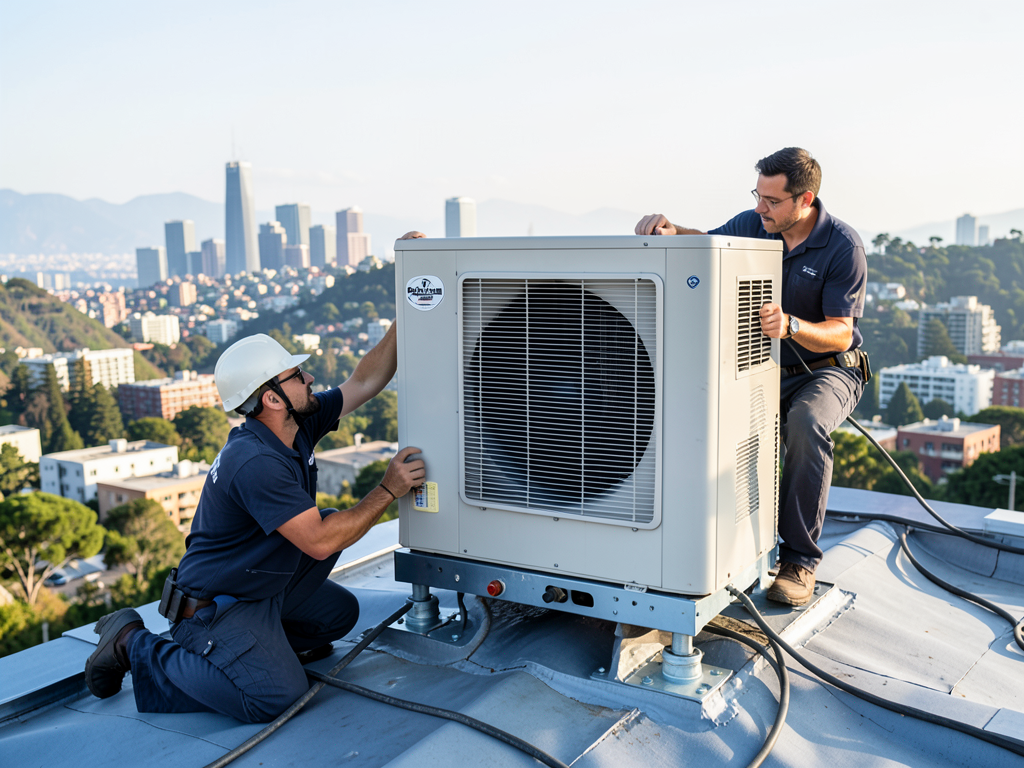
How We Handle Difficult HVAC Installations for Steep Telegraph Hill Properties
Telegraph Hill’s steep slopes and historic Victorian homes create unique HVAC installation challenges. Our team specializes in navigating narrow Filbert Steps, managing hillside access, and preserving architectural integrity while delivering modern heating and cooling solutions. We’ve installed systems in properties near Coit Tower and along the Greenwich Steps, understanding that each project requires careful planning for San Francisco’s 94133 zip code. San Francisco Department of Building Inspection.
Telegraph Hill’s microclimates demand specialized equipment. The fog-driven humidity near the Embarcadero requires corrosion-resistant condensers and proper condensate drainage. Our installations account for the hill’s 30-degree grades, using specialized mounting brackets and seismic anchoring that meets San Francisco Building Code Chapter 16A earthquake safety requirements. The Best Way to Install Heat Pumps in Historic San Francisco Victorians.
Why Telegraph Hill HVAC Projects Require Special Expertise
The neighborhood’s 100-year-old Victorian and Edwardian homes weren’t designed for modern HVAC systems. Many lack attic space for ductwork, forcing creative solutions like high-velocity mini-duct systems or ductless mini-splits. The narrow, winding streets make equipment transport challenging, often requiring hand-carrying condensers up the Filbert Steps or using specialized dollies for the Greenwich Steps.
Salt air corrosion presents another major challenge. Properties near the Embarcadero experience accelerated metal degradation, requiring stainless steel components and marine-grade coatings. We conduct thorough site assessments to identify corrosion risks before recommending equipment, ensuring your system withstands San Francisco’s coastal environment.. Read more about The Best Ways to Heat and Cool a San Francisco Garage Conversion or ADU.
Historic Preservation Requirements for Telegraph Hill HVAC
Telegraph Hill falls under San Francisco’s Historic Preservation guidelines. Any exterior modifications require approval from the Planning Department’s Historic Preservation Commission. This includes condenser placement, refrigerant line routing, and even the color of outdoor units. We handle all permitting through the San Francisco Department of Building Inspection, ensuring compliance with both historic preservation and modern energy efficiency standards.
California Title 24 energy efficiency requirements apply to all new installations. This means proper insulation, sealed ductwork, and high-SEER equipment. For historic homes, we balance preservation with performance, often recommending ductless systems that maintain the home’s original character while providing modern comfort. California Title 24 Energy Efficiency Standards.
Specialized Equipment for Steep San Francisco Properties
Ductless mini-split systems excel in Telegraph Hill’s historic homes. These systems require minimal wall penetration and can be installed in tight spaces where traditional ductwork won’t fit. We mount indoor units high on walls to maximize limited ceiling heights common in Victorian construction.
For properties with existing radiators, high-efficiency heat pumps provide both heating and cooling without major structural changes. These systems integrate with existing plumbing, preserving the home’s original features while adding modern climate control. We’ve successfully installed heat pumps in homes along Montgomery Street where space constraints made traditional systems impossible. Who to Call for 24 Hour Emergency Heating Repair in San Francisco.
Condenser placement requires strategic thinking on Telegraph Hill. We evaluate roof strength, seismic requirements, and neighbor proximity before recommending installation locations. Many hillside homes need reinforced mounting platforms to support equipment weight on sloped surfaces.
Navigating Telegraph Hill’s Unique Access Challenges
Service vehicle access poses significant logistical hurdles. The steep grades and narrow streets often prevent large trucks from reaching properties. We use compact vans and specialized equipment dollies to transport condensers and furnaces up the hill. For the steepest properties near Coit Tower, we sometimes hand-carry equipment using stair-climbing dollies.
Parking restrictions in 94133 require careful scheduling. We coordinate with the San Francisco Municipal Transportation Agency for temporary no-parking permits when needed. Our technicians arrive with all necessary tools and materials to minimize return trips, reducing both time and disruption to your neighborhood.
Weather considerations affect installation timing. Telegraph Hill experiences rapid fog movement and occasional high winds. We monitor conditions closely, scheduling work during optimal weather windows to ensure safe equipment handling and proper system charging.
Noise Compliance for High-Density Hill Living
San Francisco’s noise ordinance limits outdoor equipment sound levels, particularly important in Telegraph Hill’s dense hillside living. We select ultra-quiet condensers with sound ratings below 60 decibels and position units to minimize noise impact on neighbors. Proper vibration isolation prevents structure-borne noise transmission through shared walls. Quiet and Efficient Furnace Replacement Options for Pacific Heights Residents.
Indoor unit placement considers both performance and noise. We position air handlers away from bedrooms and living spaces, using insulated refrigerant lines to reduce operational noise. For historic homes with thin walls, we add sound barriers during installation to maintain the property’s peaceful atmosphere.
Energy Efficiency Solutions for Telegraph Hill Homes
High-efficiency systems reduce both energy costs and environmental impact. Modern heat pumps achieve SEER2 ratings of 18+ while providing reliable heating during San Francisco’s mild winters. We recommend variable-speed compressors that adjust output based on demand, eliminating the temperature swings common in older systems.
Smart thermostats optimize performance for Telegraph Hill’s unique climate. These devices learn your schedule and adjust settings based on local weather patterns, reducing energy waste. Many historic home owners appreciate the remote monitoring capabilities, allowing them to verify system operation while away from their Telegraph Hill properties.
Proper system sizing proves critical on the hill. We conduct detailed load calculations considering the home’s orientation, window placement, and insulation levels. Oversized systems short cycle, reducing efficiency and comfort, while undersized units struggle to maintain temperatures during heat waves. Short Cycling.
Maintenance Considerations for Steep Properties
Regular maintenance extends system life in Telegraph Hill’s challenging environment. Salt air requires quarterly condenser coil cleaning, while the fog increases condensate drain maintenance needs. We provide scheduled maintenance plans specifically designed for hillside properties, addressing the unique wear patterns these installations experience.
Emergency repair access requires strategic planning. We maintain spare parts inventory for common Telegraph Hill system configurations and establish clear service routes for rapid response. Our technicians carry specialized tools for hillside work, including extended ladders and safety equipment for steep-slope service calls. Fast and Affordable AC Repair Services in Daly City and South San Francisco.
Seasonal preparation helps prevent mid-winter failures. We inspect electrical connections for corrosion, test safety controls, and verify proper drainage before the rainy season. These preventative measures reduce emergency calls and extend equipment life in Telegraph Hill’s demanding conditions.
Permit Process for Historic District HVAC Work
San Francisco’s permitting process for historic districts involves multiple agencies. We handle applications through the Department of Building Inspection while coordinating with the Historic Preservation Commission. This includes submitting detailed drawings showing equipment locations, refrigerant line routing, and any required structural modifications.
Permit timelines vary based on project complexity. Simple ductless installations often receive approval within 2-3 weeks, while projects requiring structural modifications may take 6-8 weeks. We provide realistic timelines upfront and handle all communication with city agencies throughout the process.
Post-installation inspections verify compliance with all applicable codes. San Francisco Building Inspectors check seismic anchoring, electrical connections, and energy efficiency compliance. We ensure all work passes inspection on the first visit, avoiding costly delays and rework.
Cost Factors for Telegraph Hill HVAC Projects
Installation costs in Telegraph Hill typically run 15-25% higher than flat-land properties due to access challenges and specialized equipment needs. Factors affecting pricing include property grade, historic designation requirements, and equipment transport logistics. We provide detailed written estimates breaking down all cost components before work begins.
Long-term energy savings often offset higher installation costs. Modern high-efficiency systems can reduce heating and cooling costs by 30-40% compared to legacy equipment. We calculate payback periods based on your specific usage patterns and local utility rates.
Maintenance contracts provide budget predictability for hillside properties. These plans include priority service, discounted repairs, and regular system optimization. Given Telegraph Hill’s unique conditions, ongoing maintenance proves essential for system reliability and efficiency.
Customer Success Stories from Telegraph Hill
We recently completed a challenging installation on Filbert Street where the 35-degree grade prevented standard equipment delivery. Using specialized stair-climbing dollies and a team of three technicians, we successfully installed a high-efficiency heat pump system without damaging the home’s historic facade. The homeowner reported 40% energy savings and improved comfort throughout their Victorian home.
Another project near Coit Tower required navigating historic preservation requirements while upgrading a failing furnace. We installed a modern modulating furnace with smart thermostat controls, maintaining the home’s architectural integrity while providing reliable heating for the property’s three stories. The system’s quiet operation proved essential for the home’s proximity to neighboring units.
A Greenwich Steps property presented unique challenges with its narrow lot and shared walls. We designed a ductless solution with strategically placed indoor units that provided zoned comfort without disturbing neighbors. The installation included specialized vibration isolation to prevent noise transmission through the hillside structure.
Frequently Asked Questions
How long does an HVAC installation take in a Telegraph Hill historic home?
Most installations require 2-3 days for equipment setup plus 2-4 weeks for permit processing. Complex projects involving structural modifications may extend to 1-2 weeks of active installation time. We provide detailed timelines during the planning phase.
Will my new HVAC system damage my home’s historic features?
We specialize in preserving historic character. Our installations use minimally invasive techniques, often routing refrigerant lines through existing wall cavities or along exterior surfaces in historically appropriate ways. All work complies with San Francisco’s historic preservation guidelines.
What happens if my system needs emergency repair on Telegraph Hill?
We maintain 24/7 emergency service for Telegraph Hill properties. Our technicians carry common parts and specialized tools for hillside work. Response times vary based on weather and access conditions, but we prioritize emergency calls for heating failures during cold weather.
Ready to Upgrade Your Telegraph Hill HVAC System?
Telegraph Hill’s unique challenges demand specialized expertise. Our team understands the neighborhood’s historic preservation requirements, access limitations, and climate considerations. We’ve successfully installed hundreds of systems in 94133 properties, from Coit Tower to the Embarcadero.
Don’t trust your historic home to general contractors unfamiliar with San Francisco’s specific requirements. Our technicians hold California C-20 HVAC licenses and maintain current knowledge of San Francisco Building Code updates. We handle everything from initial assessment through final inspection, ensuring your project meets all local requirements.
Call (628) 201-6600 today to schedule your free Telegraph Hill HVAC assessment. Our estimates include detailed system recommendations, permit requirements, and projected energy savings. We’ll show you exactly how we’ll handle your property’s unique challenges while preserving its historic character.
Pick up the phone and call (628) 201-6600 before the next heat wave hits. Telegraph Hill homes need reliable cooling just as much as heating, and our modern systems provide both while respecting your home’s architectural heritage.
Don’t wait for your failing system to leave you without heat or cooling. Contact us now to learn how we can solve your Telegraph Hill HVAC challenges with solutions designed specifically for San Francisco’s steep hillside properties.
{
“@context”: “https://schema.org”,
“@type”: “BlogPosting”,
“headline”: “How We Handle Difficult HVAC Installations for Steep Telegraph Hill Properties”,
“description”: “Expert HVAC solutions for Telegraph Hill’s steep hillside homes. We navigate narrow streets, historic building codes, and salt air corrosion to deliver reliable heating and cooling.”,
“wordCount”: 1785,
“datePublished”: “2026-04-23T15:21:00.000Z”,
“dateModified”: “2026-04-23T15:21:00.000Z”,
“inLanguage”: “en-US”,
“mainEntityOfPage”: {
“@type”: “WebPage”,
“@id”: “https://atlashvacsanfrancisco.com”
},
“publisher”: {
“@type”: “LocalBusiness”,
“name”: “Atlas HVAC San Francisco”,
“url”: “https://atlashvacsanfrancisco.com”
},
“author”: {
“@type”: “Organization”,
“name”: “Atlas HVAC San Francisco”,
“url”: “https://atlashvacsanfrancisco.com”
},
“image”: {
“@type”: “ImageObject”,
“url”: “https://atlashvacsanfrancisco.com/wp-content/uploads/2026/03/how-we-handle-difficult-hvac-installations-for-ste-1.png”
}
}
{
“@context”: “https://schema.org”,
“@type”: “HVACBusiness”,
“name”: “Atlas HVAC San Francisco”,
“url”: “https://atlashvacsanfrancisco.com”,
“address”: {
“@type”: “PostalAddress”,
“addressLocality”: “San Francisco”
},
“areaServed”: {
“@type”: “City”,
“name”: “San Francisco”
}
}
{
“@context”: “https://schema.org”,
“@type”: “FAQPage”,
“mainEntity”: [
{
“@type”: “Question”,
“name”: “How long does an HVAC installation take in a Telegraph Hill historic home?”,
“acceptedAnswer”: {
“@type”: “Answer”,
“text”: “Most installations require 2-3 days for equipment setup plus 2-4 weeks for permit processing. Complex projects involving structural modifications may extend to 1-2 weeks of active installation time. We provide detailed timelines during the planning phase.”
}
},
{
“@type”: “Question”,
“name”: “Will my new HVAC system damage my home’s historic features?”,
“acceptedAnswer”: {
“@type”: “Answer”,
“text”: “We specialize in preserving historic character. Our installations use minimally invasive techniques, often routing refrigerant lines through existing wall cavities or along exterior surfaces in historically appropriate ways. All work complies with San Francisco’s historic preservation guidelines.”
}
},
{
“@type”: “Question”,
“name”: “What happens if my system needs emergency repair on Telegraph Hill?”,
“acceptedAnswer”: {
“@type”: “Answer”,
“text”: “We maintain 24/7 emergency service for Telegraph Hill properties. Our technicians carry common parts and specialized tools for hillside work. Response times vary based on weather and access conditions, but we prioritize emergency calls for heating failures during cold weather.”
}
},
{
“@type”: “Question”,
“name”: “Ready to Upgrade Your Telegraph Hill HVAC System?”,
“acceptedAnswer”: {
“@type”: “Answer”,
“text”: “Telegraph Hill’s unique challenges demand specialized expertise. Our team understands the neighborhood’s historic preservation requirements, access limitations, and climate considerations. We’ve successfully installed hundreds of systems in 94133 properties, from Coit Tower to the Embarcadero.”
}
}
]
}
{
“@context”: “https://schema.org”,
“@type”: “BreadcrumbList”,
“itemListElement”: [
{
“@type”: “ListItem”,
“position”: 1,
“name”: “Home”,
“item”: “https://atlashvacsanfrancisco.com”
},
{
“@type”: “ListItem”,
“position”: 2,
“name”: “Blog”,
“item”: “https://atlashvacsanfrancisco.com/blog”
},
{
“@type”: “ListItem”,
“position”: 3,
“name”: “How We Handle Difficult HVAC Installations for Steep Telegraph Hill Properties”
}
]
}
{
“@context”: “https://schema.org”,
“@type”: “Service”,
“serviceType”: “HVAC”,
“provider”: {
“@type”: “LocalBusiness”,
“name”: “Atlas HVAC San Francisco”,
“url”: “https://atlashvacsanfrancisco.com”
},
“areaServed”: {
“@type”: “City”,
“name”: “San Francisco”
},
“description”: “Expert HVAC solutions for Telegraph Hill’s steep hillside homes. We navigate narrow streets, historic building codes, and salt air corrosion to deliver reliable heating and cooling.”
}