
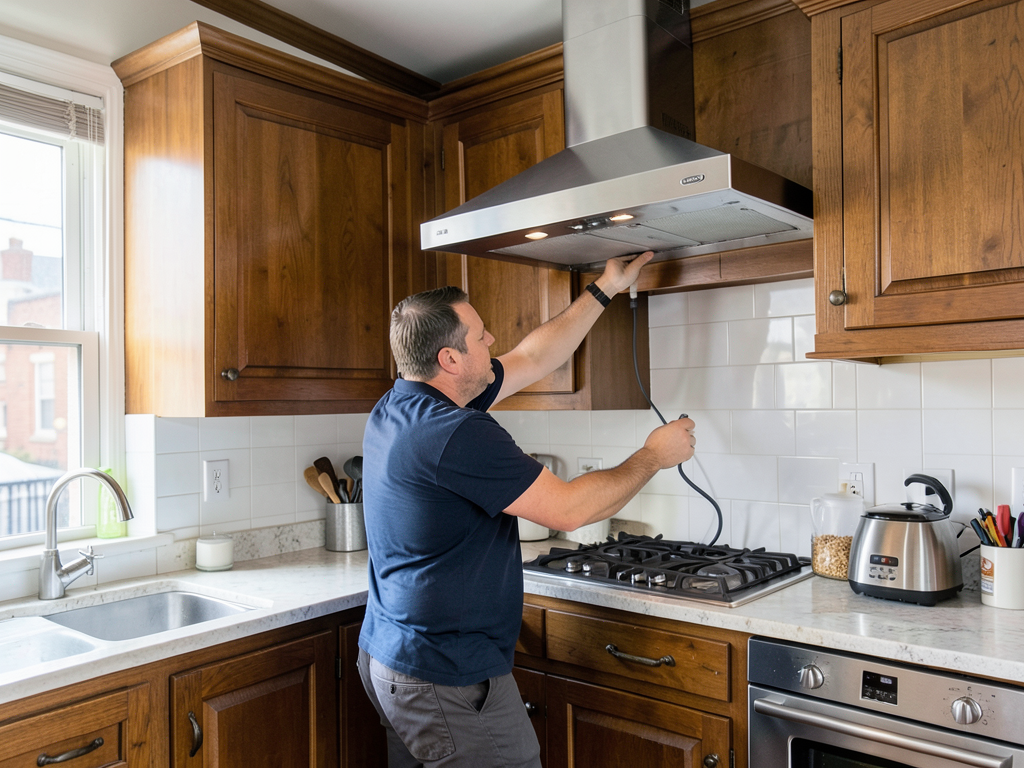
Improving Kitchen Ventilation in Tight San Francisco Floor Plans
Small kitchens in San Francisco apartments face unique ventilation challenges. Steam, grease, and cooking odors can linger for hours in compact spaces where every cubic foot counts. This guide breaks down how to improve kitchen ventilation while meeting San Francisco building codes and maximizing limited space. San Francisco Department of Building Inspection.
Why San Francisco Kitchens Need Special Ventilation Solutions
San Francisco’s building stock includes everything from Victorian flats to modern high-rises, each presenting different ventilation hurdles. Many apartments were built before modern kitchen exhaust requirements existed. Retrofit projects must work around existing walls, plumbing, and electrical systems while maintaining historic character.
Local air quality concerns add another layer. San Francisco sits in a coastal marine environment where moisture and fog are common. Poor ventilation in tight spaces can lead to mold growth, condensation on windows, and accelerated deterioration of cabinetry. The city’s mild but variable climate means ventilation systems need to handle both cool, damp conditions and occasional heat spikes.
California Title 24 energy efficiency standards require specific ventilation performance levels. In San Francisco, this translates to minimum airflow rates based on kitchen size and cooking appliance type. Gas ranges need higher ventilation rates than electric cooktops due to combustion byproducts. California Title 24 Energy Standards.
Understanding San Francisco Building Code Requirements
The San Francisco Department of Building Inspection enforces ventilation standards that often exceed state minimums. For residential kitchens, the baseline requirement is 100 CFM (cubic feet per minute) intermittent exhaust or 25 CFM continuous ventilation.
Gas cooking appliances trigger additional requirements. A standard 30-inch gas range needs at least 150 CFM exhaust capacity. Professional-style ranges with higher BTU outputs may require 300-600 CFM systems. These numbers assume direct ducted exhaust to the exterior. Professional Commercial HVAC Maintenance for SOMA Office Buildings.
Noise considerations matter in multi-family buildings. San Francisco’s noise ordinances limit exhaust fan sound levels to 3 sones or less in residential units. This requirement often eliminates the cheapest fans from consideration.
Makeup air becomes critical when exhaust exceeds 400 CFM. Without proper makeup air systems, powerful range hoods can create negative pressure that pulls exhaust gases back into the home through water heater flues or fireplace chimneys.
Ducted vs. Ductless Systems: What Works in San Francisco Apartments
Ducted range hoods vent cooking byproducts directly outdoors through wall or roof penetrations. This approach provides the best air quality improvement but requires exterior access. In San Francisco’s dense urban environment, finding a clear path for ductwork can be challenging.
Recirculating (ductless) hoods filter air through charcoal and mesh filters before returning it to the kitchen. These units work where duct installation is impossible but capture only grease and large particles. They cannot remove heat, moisture, or combustion gases. The Best Way to Install Heat Pumps in Historic San Francisco Victorians.
Hybrid systems offer a middle ground. Some high-end recirculating hoods include heat exchangers that capture thermal energy before filtering. While expensive, these can provide better performance than basic ductless units.
Under-cabinet installations maximize space in tight kitchens. These slim-profile hoods mount directly beneath cabinets, preserving precious headroom. Ceiling-mounted units work well in kitchens with high ceilings but require more complex duct routing.
Common Ventilation Challenges in Historic San Francisco Victorians
Victorian-era construction presents specific ventilation obstacles. Lath-and-plaster walls cannot support modern heavy-duty range hoods without reinforcement. Original woodwork and built-in cabinetry limit modification options.
Many Victorians lack exterior walls near the kitchen, forcing creative duct routing through interior walls or closets. Some properties require permission from historic preservation boards before making exterior modifications.
Balloon framing common in older homes creates fire spread pathways that complicate duct installation. Modern fire-stopping requirements may necessitate opening walls in multiple locations to install proper barriers.
Single-pane windows common in historic buildings provide poor insulation and can develop condensation when ventilation is inadequate. This moisture can damage window frames and surrounding walls over time.
Health Risks of Poor Kitchen Ventilation in Small Spaces
Indoor air quality directly impacts health, especially in small San Francisco apartments where cooking happens in close proximity to living areas. Gas stoves produce nitrogen dioxide, carbon monoxide, and formaldehyde during operation.
Fine particulate matter (PM2.5) from cooking can reach levels comparable to outdoor air during wildfire events. These particles penetrate deep into lungs and can trigger asthma attacks or cardiovascular problems.
Moisture from cooking without proper ventilation creates ideal conditions for mold growth. San Francisco’s naturally high humidity means excess kitchen moisture lingers longer than in drier climates.
Volatile organic compounds (VOCs) from heated cooking oils and food can accumulate in poorly ventilated spaces. Long-term exposure may contribute to respiratory irritation and other health issues.
Professional Installation Services in San Francisco
Professional installation ensures ventilation systems meet code requirements and perform as intended. Licensed contractors understand local permitting processes and can navigate the complexities of San Francisco’s building regulations.
Proper sizing analysis considers kitchen dimensions, appliance specifications, and existing home dynamics. Oversized systems waste energy and create excessive noise. Undersized units fail to remove contaminants effectively.
Installation quality affects long-term performance. Sealed duct connections prevent air leaks that reduce efficiency. Proper damper placement prevents backdrafting when systems are off.
Electrical requirements for modern ventilation systems often exceed original kitchen wiring capacity. Professional assessment can identify needed upgrades before installation begins.
DIY Ventilation Improvements for Renters
Renters can improve kitchen ventilation without permanent modifications. Window fans with exhaust mode can pull cooking air outdoors. These units cost less than $50 and require no installation.
Portable air purifiers with HEPA and activated carbon filters remove particulates and odors. Units rated for at least 100 CFM work best for small kitchens.
Strategic window opening creates cross-ventilation. Opening windows on opposite sides of the apartment produces airflow that carries cooking odors away from living spaces.
Induction cooktops produce no combustion byproducts and generate less waste heat than gas or traditional electric ranges. Portable induction units offer a temporary upgrade for renters.
Maintenance Tips for Optimal Performance
Regular filter cleaning maintains ventilation efficiency. Grease filters should be washed monthly in hot, soapy water. Charcoal filters in recirculating units need replacement every 3-6 months depending on usage.
Duct inspection prevents blockages that reduce airflow. Professional cleaning every 2-3 years removes accumulated grease that poses fire hazards.
Fan blade balance affects noise levels and efficiency. Loose mounting hardware or debris on blades creates vibration that increases sound output.
Damper function ensures proper airflow direction. Stuck dampers can cause backdrafting or prevent exhaust when systems are activated.
Cost Considerations and ROI
Basic under-cabinet range hoods start around $150 but often lack the power needed for effective ventilation in San Francisco apartments. Mid-range units ($300-700) offer better performance and durability.
Professional installation typically costs $200-500, depending on complexity. Projects requiring new ductwork or electrical work can exceed $1,000.
Energy-efficient models with ECM motors use 60-70% less electricity than standard units. While more expensive upfront, they provide ongoing utility savings. Quiet and Efficient Furnace Replacement Options for Pacific Heights Residents.
Improved indoor air quality may reduce health-related costs and improve quality of life. These benefits are difficult to quantify but significant for sensitive individuals.
Future Trends in Kitchen Ventilation
Smart ventilation systems automatically adjust fan speed based on cooking activity. Sensors detect heat, smoke, and steam to optimize performance while minimizing noise and energy use.
Heat recovery ventilators (HRVs) capture thermal energy from exhaust air to preheat incoming fresh air. This technology improves efficiency while maintaining air quality.
Integrated kitchen designs conceal ventilation components within cabinetry for cleaner aesthetics. These systems often provide better performance than traditional exposed hoods.
California’s push toward all-electric buildings may eliminate gas cooking in new construction, changing ventilation requirements. Electric cooking produces fewer combustion byproducts but still generates heat and moisture.
Frequently Asked Questions
How much ventilation do I need for my San Francisco kitchen?
Minimum requirements start at 100 CFM for electric cooktops and 150 CFM for gas ranges. Larger or professional-style appliances may need 300-600 CFM. Local codes and building layout affect final specifications.
Can I install a range hood without exterior ducting?
Yes, recirculating hoods filter and return air to the kitchen. While better than no ventilation, they cannot remove heat, moisture, or combustion gases. For gas cooking, exterior ducting is strongly recommended.
How often should kitchen ventilation systems be cleaned?
Grease filters need monthly cleaning. Professional duct cleaning every 2-3 years prevents buildup that reduces efficiency and creates fire hazards. Charcoal filters in recirculating units require replacement every 3-6 months.
Will improving ventilation increase my energy bills?
Proper ventilation may slightly increase heating or cooling costs by exchanging indoor air. However, modern energy-efficient fans use minimal electricity, and the health benefits often outweigh small energy increases. Who to Call for 24 Hour Emergency Heating Repair in San Francisco.
Do I need a permit for kitchen ventilation upgrades in San Francisco?
Most ventilation modifications require permits from the San Francisco Department of Building Inspection. This includes new duct installations, electrical modifications, and changes to exterior walls. Professional contractors typically handle permitting as part of the installation process.
- Assess Your Cooking Habits
Consider how often you cook, what types of food you prepare, and whether you use gas or electric appliances. High-heat cooking and gas ranges require more powerful ventilation.
- Measure Your Space
Record kitchen dimensions and ceiling height. Calculate the room’s volume to determine minimum CFM requirements. Factor in any architectural constraints that might limit installation options.
- Check Local Codes
Review San Francisco building code requirements for ventilation in your specific area. Consider noise restrictions, duct routing limitations, and any historic preservation requirements.
- Set Your Budget
Balance initial costs against long-term performance and efficiency. Remember to factor in installation, potential electrical upgrades, and ongoing maintenance expenses.
Take Control of Your Kitchen Air Quality Today
Don’t let cooking odors, moisture, and pollutants compromise your San Francisco apartment’s comfort and health. Whether you need a complete ventilation system installation or expert advice on improving existing airflow, professional help makes all the difference.
Call (628) 201-6600 today to schedule your free ventilation assessment. Our San Francisco-based technicians understand local building codes, architectural challenges, and the specific needs of compact urban kitchens. We’ll help you breathe easier with a system that works for your space and budget.
Pick up the phone and call (628) 201-6600 before the next meal leaves your kitchen smelling like last week’s fish. Your indoor air quality can’t wait.
{
“@context”: “https://schema.org”,
“@type”: “BlogPosting”,
“headline”: “Improving Kitchen Ventilation in Tight San Francisco Floor Plans”,
“description”: “Learn how to improve kitchen ventilation in compact San Francisco apartments. Find out about code requirements, ducted vs ductless systems, and professional solutions for better indoor air quality.”,
“wordCount”: 1734,
“datePublished”: “2026-05-18T15:58:00.000Z”,
“dateModified”: “2026-05-18T15:58:00.000Z”,
“inLanguage”: “en-US”,
“mainEntityOfPage”: {
“@type”: “WebPage”,
“@id”: “https://atlashvacsanfrancisco.com”
},
“publisher”: {
“@type”: “LocalBusiness”,
“name”: “Atlas HVAC San Francisco”,
“url”: “https://atlashvacsanfrancisco.com”
},
“author”: {
“@type”: “Organization”,
“name”: “Atlas HVAC San Francisco”,
“url”: “https://atlashvacsanfrancisco.com”
},
“image”: {
“@type”: “ImageObject”,
“url”: “https://atlashvacsanfrancisco.com/wp-content/uploads/2026/03/improving-kitchen-ventilation-in-tight-san-francis-1.png”
}
}
{
“@context”: “https://schema.org”,
“@type”: “HVACBusiness”,
“name”: “Atlas HVAC San Francisco”,
“url”: “https://atlashvacsanfrancisco.com”,
“address”: {
“@type”: “PostalAddress”,
“addressLocality”: “San Francisco”
},
“areaServed”: {
“@type”: “City”,
“name”: “San Francisco”
}
}
{
“@context”: “https://schema.org”,
“@type”: “FAQPage”,
“mainEntity”: [
{
“@type”: “Question”,
“name”: “How much ventilation do I need for my San Francisco kitchen?”,
“acceptedAnswer”: {
“@type”: “Answer”,
“text”: “Minimum requirements start at 100 CFM for electric cooktops and 150 CFM for gas ranges. Larger or professional-style appliances may need 300-600 CFM. Local codes and building layout affect final specifications.”
}
},
{
“@type”: “Question”,
“name”: “Can I install a range hood without exterior ducting?”,
“acceptedAnswer”: {
“@type”: “Answer”,
“text”: “Yes, recirculating hoods filter and return air to the kitchen. While better than no ventilation, they cannot remove heat, moisture, or combustion gases. For gas cooking, exterior ducting is strongly recommended.”
}
},
{
“@type”: “Question”,
“name”: “Will improving ventilation increase my energy bills?”,
“acceptedAnswer”: {
“@type”: “Answer”,
“text”: “Proper ventilation may slightly increase heating or cooling costs by exchanging indoor air. However, modern energy-efficient fans use minimal electricity, and the health benefits often outweigh small energy increases. Who to Call for 24 Hour Emergency Heating Repair in San Francisco.”
}
},
{
“@type”: “Question”,
“name”: “Do I need a permit for kitchen ventilation upgrades in San Francisco?”,
“acceptedAnswer”: {
“@type”: “Answer”,
“text”: “Most ventilation modifications require permits from the San Francisco Department of Building Inspection. This includes new duct installations, electrical modifications, and changes to exterior walls. Professional contractors typically handle permitting as part of the installation process.”
}
}
]
}
{
“@context”: “https://schema.org”,
“@type”: “HowTo”,
“name”: “How to Choose the Right Kitchen Ventilation”,
“step”: [
{
“@type”: “HowToStep”,
“position”: 1,
“name”: “Assess Your Cooking Habits”,
“text”: “Consider how often you cook, what types of food you prepare, and whether you use gas or electric appliances. High-heat cooking and gas ranges require more powerful ventilation.”
},
{
“@type”: “HowToStep”,
“position”: 2,
“name”: “Measure Your Space”,
“text”: “Record kitchen dimensions and ceiling height. Calculate the room’s volume to determine minimum CFM requirements. Factor in any architectural constraints that might limit installation options.”
},
{
“@type”: “HowToStep”,
“position”: 3,
“name”: “Check Local Codes”,
“text”: “Review San Francisco building code requirements for ventilation in your specific area. Consider noise restrictions, duct routing limitations, and any historic preservation requirements.”
},
{
“@type”: “HowToStep”,
“position”: 4,
“name”: “Set Your Budget”,
“text”: “Balance initial costs against long-term performance and efficiency. Remember to factor in installation, potential electrical upgrades, and ongoing maintenance expenses.”
}
],
“image”: “https://atlashvacsanfrancisco.com/wp-content/uploads/2026/03/improving-kitchen-ventilation-in-tight-san-francis-1.png”
}
{
“@context”: “https://schema.org”,
“@type”: “BreadcrumbList”,
“itemListElement”: [
{
“@type”: “ListItem”,
“position”: 1,
“name”: “Home”,
“item”: “https://atlashvacsanfrancisco.com”
},
{
“@type”: “ListItem”,
“position”: 2,
“name”: “Blog”,
“item”: “https://atlashvacsanfrancisco.com/blog”
},
{
“@type”: “ListItem”,
“position”: 3,
“name”: “Improving Kitchen Ventilation in Tight San Francisco Floor Plans”
}
]
}
{
“@context”: “https://schema.org”,
“@type”: “Service”,
“serviceType”: “HVAC”,
“provider”: {
“@type”: “LocalBusiness”,
“name”: “Atlas HVAC San Francisco”,
“url”: “https://atlashvacsanfrancisco.com”
},
“areaServed”: {
“@type”: “City”,
“name”: “San Francisco”
},
“description”: “Learn how to improve kitchen ventilation in compact San Francisco apartments. Find out about code requirements, ducted vs ductless systems, and professional solutions for better indoor air quality.”
}