
Why You Might Need a Dedicated Dehumidifier for Your San Francisco Garage or Workspace
The marine layer that blankets San Francisco most mornings creates unique humidity challenges for garages and workspaces. Your garage sits at ground level where cool concrete slabs meet warm, moisture-laden air from the Pacific Ocean. This combination produces condensation that can damage vehicles, tools, and stored items. A dedicated dehumidifier becomes essential when relative humidity consistently exceeds 60% in your unconditioned space.
San Francisco’s average humidity ranges from 65% to 80% year-round, with coastal neighborhoods like the Sunset and Richmond districts experiencing even higher levels. The constant moisture creates perfect conditions for mold growth, rust formation, and musty odors. Without proper moisture control, your garage workspace becomes unusable and your stored possessions deteriorate rapidly.. Read more about Why Your New Home Office in the Outer Sunset Needs Its Own Climate Control.
How San Francisco’s Climate Creates Garage Moisture Problems
The Pacific marine layer brings dense, cool air that settles in low-lying areas throughout the city. When this air contacts your garage’s concrete slab, which often remains at 55-60 degrees Fahrenheit, condensation forms on surfaces. This process happens daily during summer months when afternoon sun heats the garage interior while the slab stays cool.
Coastal fog contributes additional moisture that seeps through vents and door gaps. The combination of salt air and persistent dampness accelerates corrosion on metal tools, vehicle components, and electrical equipment. Many San Francisco homeowners discover their garage dehumidifiers running continuously during summer months when fog is most prevalent.
Common Garage Moisture Issues in San Francisco Homes
Victorian and Edwardian homes throughout neighborhoods like Noe Valley and Pacific Heights often feature ground-level garages with poor ventilation. These spaces trap moisture against walls and ceilings, creating ideal conditions for black mold growth. The mold releases spores that can spread throughout your home via air ducts and wall cavities.
Classic car collectors in the Marina District face unique challenges protecting vehicles from salt-air corrosion. Even with garage doors closed, microscopic salt particles penetrate through tiny gaps and settle on chrome, aluminum, and steel surfaces. The combination of salt and moisture creates electrochemical reactions that cause pitting and discoloration within weeks.. Read more about How to Protect Your Dogpatch Hardwood Floors from SF Humidity Swings.
Fitness enthusiasts converting garages to home gyms in the Mission District encounter another problem. Exercise equipment generates heat and moisture through sweat and respiration. Without proper dehumidification, this moisture accumulates on rubber flooring, metal weights, and electronic displays, causing deterioration and creating slippery hazards.
Why Standard HVAC Systems Cannot Handle Garage Humidity
Most San Francisco homes use ductless mini-splits or central air systems designed for living spaces. These systems lack the capacity to remove the 30-50 pints of moisture that accumulates daily in a typical two-car garage. The air exchange rate through garage doors and vents overwhelms standard HVAC dehumidification capabilities.
Building codes in San Francisco require separate ventilation systems for garages due to fire safety concerns. This separation prevents your main HVAC system from effectively conditioning garage air. The result is a moisture trap that standard systems cannot address without dedicated equipment. EPA mold prevention guidelines.
Energy efficiency standards under California Title 24 also limit how much conditioned air can escape from living spaces into garages. While this saves energy, it creates stagnant conditions where moisture accumulates without proper removal mechanisms. ENERGY STAR certified dehumidifiers.
Types of Dedicated Garage Dehumidifiers
Refrigerant dehumidifiers work by cooling air below its dew point, causing moisture to condense on cold coils. These units excel in San Francisco’s moderate temperatures but struggle when garage temperatures drop below 65 degrees Fahrenheit. Most refrigerant models remove 30-70 pints of moisture daily, sufficient for garages up to 1,500 square feet.
Desiccant dehumidifiers use silica gel or other moisture-absorbing materials to extract water from air. These units perform better in cooler conditions and can operate effectively at temperatures as low as 33 degrees Fahrenheit. However, they typically cost more and remove less moisture per energy dollar than refrigerant models.
Whole-house ventilating dehumidifiers connect to your existing HVAC system but provide dedicated moisture removal. These units introduce fresh, filtered air while removing stale, moisture-laden air. They work well for larger garages or workshops where you need both dehumidification and air exchange.
Commercial-grade units offer features like automatic condensate pumps, washable filters, and corrosion-resistant components. These units handle continuous operation and can remove up to 150 pints of moisture daily. They prove essential for automotive shops, woodworking studios, and other high-moisture environments. Professional Commercial HVAC Maintenance for SOMA Office Buildings.
Installation Considerations for San Francisco Garages
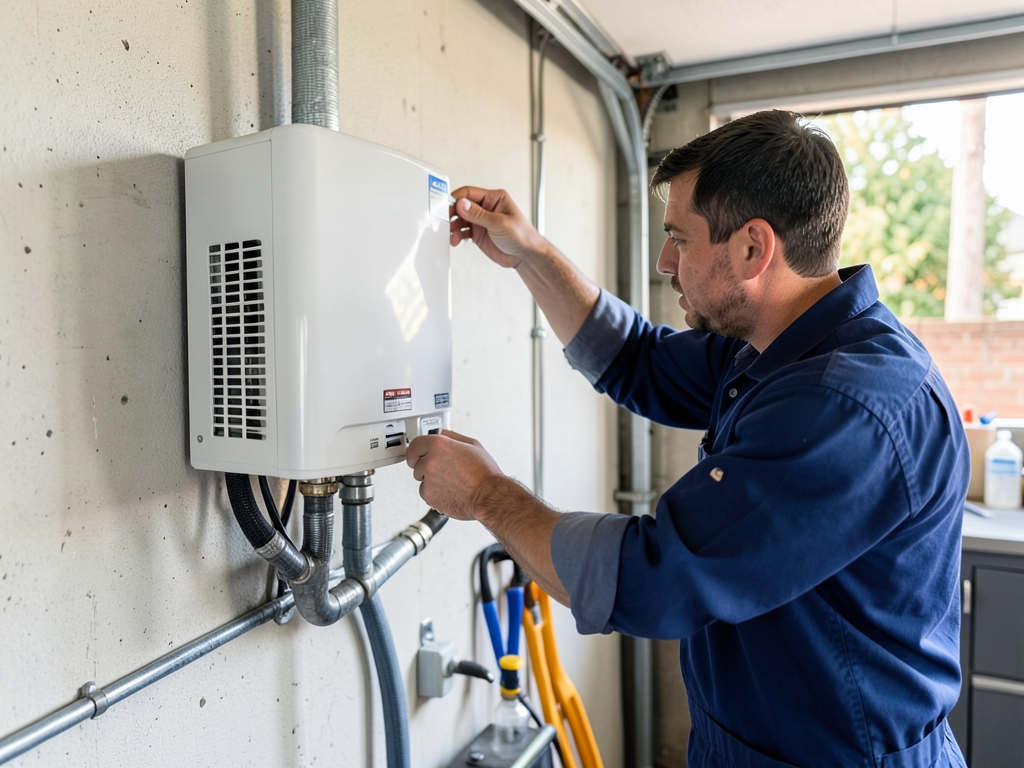
San Francisco building codes require proper drainage for all dehumidification equipment. Condensate cannot simply drain onto garage floors due to slip hazards and potential water damage to stored items. Professional installation includes dedicated drain lines that connect to existing plumbing or direct exterior drainage. The Best Way to Install Heat Pumps in Historic San Francisco Victorians.
Seismic anchoring becomes critical in earthquake-prone areas. All dehumidification equipment must secure to walls or floors using approved hardware that meets San Francisco seismic standards. This prevents equipment from tipping during earthquakes and potentially causing water damage or blocking emergency exits. Who to Call for 24 Hour Emergency Heating Repair in San Francisco.
Electrical requirements vary by unit size. Most residential dehumidifiers need 15-amp circuits, while commercial units may require 20-amp or dedicated 240-volt circuits. San Francisco’s older electrical systems often need upgrades to support high-capacity dehumidification equipment safely.
Ventilation placement affects performance significantly. Units placed near garage doors or vents struggle to maintain consistent humidity levels due to constant air exchange. Optimal placement places equipment in corners away from air infiltration points, allowing for proper air circulation patterns.
Cost Factors for Garage Dehumidification in San Francisco
Initial equipment costs range from $300 for portable units to $3,000+ for commercial-grade systems. San Francisco’s higher labor costs and permit requirements add $500-1,500 to installation expenses. Older homes in neighborhoods like the Castro or Haight-Ashbury often require additional electrical or structural work.
Operating costs depend on unit size and local electricity rates. PG&E’s tiered pricing means dehumidifiers running during peak hours cost significantly more than those operating during off-peak times. Many San Francisco homeowners install timers or smart controls to optimize energy usage.
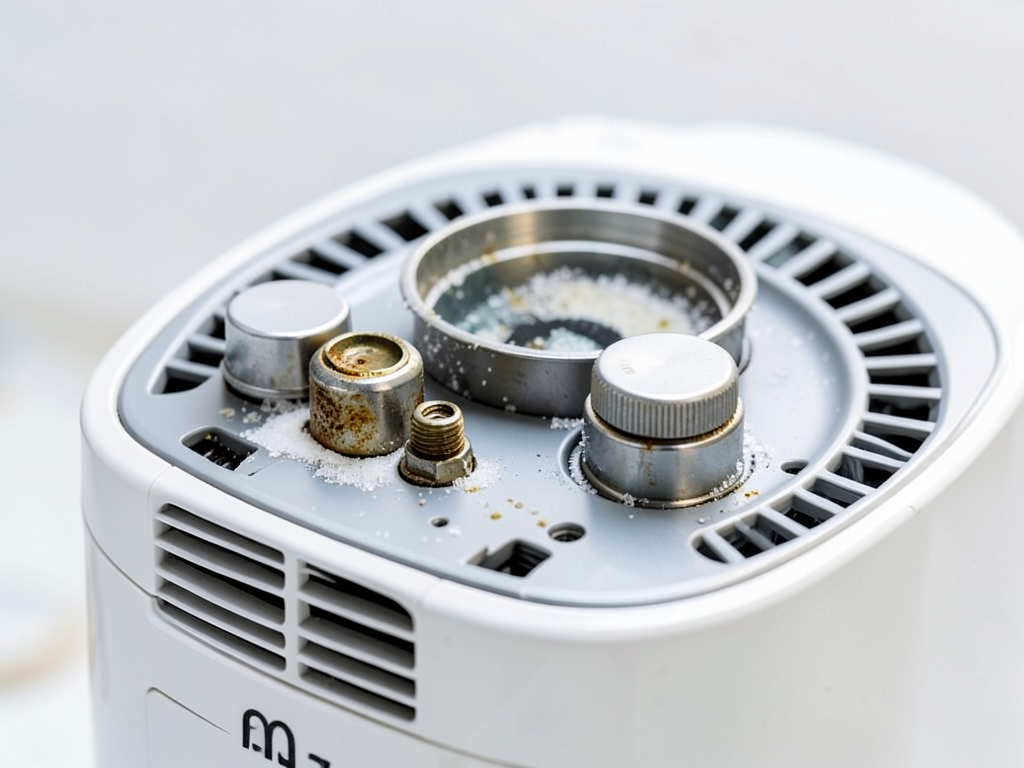
Maintenance represents an ongoing expense. Filters require cleaning every 2-3 months, and condensate pumps need annual inspection. San Francisco’s salty air causes corrosion that may require more frequent component replacement than inland areas experience.
Energy efficiency ratings help predict operating costs. ENERGY STAR certified units use 15% less energy than standard models. Given San Francisco’s high electricity rates, this efficiency difference can save $100-200 annually over the unit’s lifetime.
Benefits of Professional Installation vs. DIY
Professional installation ensures proper sizing based on your specific garage dimensions and local climate conditions. Technicians calculate cubic footage, air exchange rates, and moisture generation to select appropriately sized equipment. This prevents the common DIY mistake of installing undersized units that run continuously without achieving desired results.
Code compliance represents another critical difference. San Francisco requires permits for electrical modifications and sometimes for HVAC equipment installation. Professional contractors handle permitting, inspections, and ensure all work meets current building codes and safety standards.
Warranty protection often requires professional installation. Many manufacturers void warranties if equipment installs without certified technicians. This becomes especially important for commercial-grade units that represent significant investments.
Integration with existing systems provides additional benefits. Professionals can connect dehumidifiers to smart home systems, set up automatic drainage, and ensure proper ventilation patterns. These integrations require expertise that most DIY installations lack.
Maintenance Requirements for Optimal Performance
Regular filter cleaning maintains airflow and efficiency. San Francisco’s urban environment means garages accumulate dust, pollen, and salt particles that clog filters quickly. Monthly inspection and cleaning prevent performance degradation and extend equipment life.
Coil cleaning prevents efficiency losses. Dust and debris buildup on evaporator coils reduces heat transfer efficiency by up to 30%. Annual professional cleaning restores original performance and prevents premature component failure.
Drain line maintenance prevents water damage. Clogged condensate lines cause water to back up and overflow, potentially damaging stored items and creating slip hazards. Quarterly inspection and cleaning of drain lines prevents these issues.
Refrigerant level checks ensure proper operation. Low refrigerant causes units to run longer without removing adequate moisture. Annual professional inspection catches these issues before they cause complete system failure.
Energy Efficiency and Environmental Considerations
Modern dehumidifiers use variable-speed compressors that adjust output based on humidity levels. This technology reduces energy consumption by 30-40% compared to older single-speed units. San Francisco’s mild climate means units rarely need maximum capacity, making variable-speed technology particularly effective.
Heat recovery ventilators complement dehumidification by exchanging stale indoor air for fresh outdoor air without significant energy loss. These systems work well in San Francisco’s moderate climate, where outdoor temperatures rarely require additional heating or cooling.
Smart controls optimize energy usage by running dehumidifiers during off-peak hours or when humidity levels exceed set points. Integration with home automation systems allows remote monitoring and control, preventing energy waste when spaces remain unoccupied.
Refrigerant selection affects environmental impact. Newer units use R-410A or R-32 refrigerants with lower global warming potential than older R-22 systems. Professional installation ensures proper refrigerant handling and prevents harmful leaks.
Special Considerations for Different Garage Uses
Vehicle storage requires maintaining 45-50% relative humidity to prevent rust while avoiding overly dry conditions that can damage leather and wood interiors. Classic car collectors often need commercial-grade units with precise humidity control and corrosion-resistant components.
Woodworking shops generate additional moisture through lumber and adhesives. These environments benefit from higher-capacity units and may require supplementary ventilation to remove volatile organic compounds along with moisture.
Music studios in converted garages need stable humidity to protect instruments and recording equipment. Acoustic guitars, pianos, and electronic gear all have specific humidity requirements that dedicated dehumidification can maintain consistently.
Home gyms require rapid moisture removal due to exercise-generated humidity. Units with higher air exchange rates and washable filters handle the additional contaminants from sweat and outdoor air better than standard residential models.
Local San Francisco Success Stories
A Sunset District homeowner converted their garage to a home office and discovered persistent moisture problems affecting electronics and paperwork. Professional installation of a 70-pint commercial unit with dedicated drainage solved the problem, allowing year-round comfortable use without mold concerns.
An automotive restoration shop in the Mission District struggled with rust forming on classic car projects within weeks of storage. Installation of commercial-grade dehumidification with corrosion-resistant components reduced humidity from 75% to 45%, eliminating rust formation and protecting valuable investments.
A Noe Valley resident using their garage as a pottery studio faced challenges with clay drying too quickly in summer and too slowly in winter. A whole-house ventilating dehumidifier with humidity control maintained optimal conditions year-round, improving production efficiency and product quality.
Frequently Asked Questions
What size dehumidifier do I need for my garage?
Calculate your garage’s cubic footage and consider local humidity levels. San Francisco’s high humidity typically requires units rated for 1.5-2 times your calculated needs. A two-car garage often needs 50-70 pint capacity minimum.
How much does professional installation cost in San Francisco?
Installation costs range from $500-1,500 depending on electrical requirements, drainage solutions, and permit needs. Older homes in historic districts may require additional work to meet current codes.
Can I install a dehumidifier myself?
While portable units install easily, permanent installations require electrical work and proper drainage that must meet San Francisco building codes. DIY installations often void warranties and may create safety hazards.
How often should I maintain my garage dehumidifier?
Filters need cleaning monthly, coils require annual cleaning, and drain lines need quarterly inspection. San Francisco’s salty air means more frequent maintenance than inland areas require.
Will a dehumidifier help with musty odors?
Yes, dehumidifiers eliminate the moisture that causes musty odors from mold and mildew. Most users notice odor improvement within 24-48 hours of proper operation.
Take Control of Your Garage Environment Today
San Francisco’s unique climate creates moisture challenges that standard solutions cannot address. Your garage deserves the same climate control attention as your living spaces. Whether you store classic cars, work on projects, or simply want a dry, usable space, professional dehumidification provides the solution.
Don’t wait for mold damage or rust to destroy your valuable possessions. Call (628) 201-6600 today to schedule your inspection. Our technicians understand San Francisco’s specific challenges and can recommend the perfect solution for your needs.
Pick up the phone and call (628) 201-6600 before the next foggy morning creates more moisture problems in your garage. Professional installation ensures your investment protects your property for years to come.
Call (628) 201-6600 now to learn how dedicated dehumidification can transform your garage from a moisture trap into a usable, protected space.
{
“@context”: “https://schema.org”,
“@type”: “BlogPosting”,
“headline”: “Why You Might Need a Dedicated Dehumidifier for Your San Francisco Garage or Workspace”,
“description”: “San Francisco’s coastal humidity causes garage moisture problems. Learn how dedicated dehumidifiers protect your vehicles, tools, and equipment from mold and corrosion.”,
“wordCount”: 2095,
“datePublished”: “2026-05-26T12:07:00.000Z”,
“dateModified”: “2026-05-26T12:07:00.000Z”,
“inLanguage”: “en-US”,
“mainEntityOfPage”: {
“@type”: “WebPage”,
“@id”: “https://atlashvacsanfrancisco.com”
},
“publisher”: {
“@type”: “LocalBusiness”,
“name”: “Atlas HVAC San Francisco”,
“url”: “https://atlashvacsanfrancisco.com”
},
“author”: {
“@type”: “Organization”,
“name”: “Atlas HVAC San Francisco”,
“url”: “https://atlashvacsanfrancisco.com”
},
“image”: {
“@type”: “ImageObject”,
“url”: “https://atlashvacsanfrancisco.com/wp-content/uploads/2026/03/why-you-might-need-a-dedicated-dehumidifier-for-yo-1.png”
}
}
{
“@context”: “https://schema.org”,
“@type”: “HVACBusiness”,
“name”: “Atlas HVAC San Francisco”,
“url”: “https://atlashvacsanfrancisco.com”,
“address”: {
“@type”: “PostalAddress”,
“addressLocality”: “San Francisco”
},
“areaServed”: {
“@type”: “City”,
“name”: “San Francisco”
}
}
{
“@context”: “https://schema.org”,
“@type”: “FAQPage”,
“mainEntity”: [
{
“@type”: “Question”,
“name”: “What size dehumidifier do I need for my garage?”,
“acceptedAnswer”: {
“@type”: “Answer”,
“text”: “Calculate your garage’s cubic footage and consider local humidity levels. San Francisco’s high humidity typically requires units rated for 1.5-2 times your calculated needs. A two-car garage often needs 50-70 pint capacity minimum.”
}
},
{
“@type”: “Question”,
“name”: “How much does professional installation cost in San Francisco?”,
“acceptedAnswer”: {
“@type”: “Answer”,
“text”: “Installation costs range from $500-1,500 depending on electrical requirements, drainage solutions, and permit needs. Older homes in historic districts may require additional work to meet current codes.”
}
},
{
“@type”: “Question”,
“name”: “Can I install a dehumidifier myself?”,
“acceptedAnswer”: {
“@type”: “Answer”,
“text”: “While portable units install easily, permanent installations require electrical work and proper drainage that must meet San Francisco building codes. DIY installations often void warranties and may create safety hazards.”
}
},
{
“@type”: “Question”,
“name”: “How often should I maintain my garage dehumidifier?”,
“acceptedAnswer”: {
“@type”: “Answer”,
“text”: “Filters need cleaning monthly, coils require annual cleaning, and drain lines need quarterly inspection. San Francisco’s salty air means more frequent maintenance than inland areas require.”
}
},
{
“@type”: “Question”,
“name”: “Will a dehumidifier help with musty odors?”,
“acceptedAnswer”: {
“@type”: “Answer”,
“text”: “Yes, dehumidifiers eliminate the moisture that causes musty odors from mold and mildew. Most users notice odor improvement within 24-48 hours of proper operation.”
}
}
]
}
{
“@context”: “https://schema.org”,
“@type”: “BreadcrumbList”,
“itemListElement”: [
{
“@type”: “ListItem”,
“position”: 1,
“name”: “Home”,
“item”: “https://atlashvacsanfrancisco.com”
},
{
“@type”: “ListItem”,
“position”: 2,
“name”: “Blog”,
“item”: “https://atlashvacsanfrancisco.com/blog”
},
{
“@type”: “ListItem”,
“position”: 3,
“name”: “Why You Might Need a Dedicated Dehumidifier for Your San Francisco Garage or Workspace”
}
]
}
{
“@context”: “https://schema.org”,
“@type”: “Service”,
“serviceType”: “HVAC”,
“provider”: {
“@type”: “LocalBusiness”,
“name”: “Atlas HVAC San Francisco”,
“url”: “https://atlashvacsanfrancisco.com”
},
“areaServed”: {
“@type”: “City”,
“name”: “San Francisco”
},
“description”: “San Francisco’s coastal humidity causes garage moisture problems. Learn how dedicated dehumidifiers protect your vehicles, tools, and equipment from mold and corrosion.”
}