
How Much Value a Modern HVAC System Actually Adds to a San Francisco Home Sale
A modern HVAC system can increase your San Francisco home’s sale price by 5 to 7 percent in 2026. That translates to $75,000 to $105,000 on a $1.5 million property. Buyers in Pacific Heights, Noe Valley, and the Marina District expect energy-efficient heating and cooling. They are willing to pay more for systems that meet California’s Title 24 standards and handle the city’s unique microclimates. Title 24 Energy Standards.
Heat pumps dominate the market. They qualify for BayREN rebates up to $8,000 and federal tax credits of 30 percent. They also future-proof your home against San Francisco’s electrification mandates. A failed system or outdated furnace can stall negotiations or trigger costly concessions. This guide breaks down the real ROI numbers, local incentives, and when to repair versus replace. BayREN rebates.
San Francisco Real Estate Trends What Buyers Expect in 2026
Homebuyers in San Francisco prioritize energy efficiency and indoor air quality. Coastal fog and temperature swings from the Sunset District to Potrero Hill mean systems must handle both heating and cooling. The average home sale in 2026 closed in 21 days. Properties with modern HVAC systems sold 4 days faster. Who to Call for 24 Hour Emergency Heating Repair in San Francisco.
Buyers check for Energy Star certification and compliance with Title 24. They also look for smart thermostats and zoning controls. A recent Bay Area survey found 68 percent of buyers would pay a premium for a heat pump over a gas furnace. They see it as a long-term savings on utility bills and a hedge against future carbon regulations.
Historic Victorians in the Haight and Edwardian homes in the Richmond often need creative ductless mini-split solutions. These preserve architectural integrity while delivering modern comfort. Multi-family buildings in SoMa and the Mission require VRF systems to meet both efficiency goals and city noise ordinances.
Average ROI for HVAC Upgrades in the Bay Area
National Association of Realtors data shows HVAC replacements recover 65 to 70 percent of their cost at resale. In San Francisco the premium is higher because labor and permitting add 15 to 20 percent to installation costs. A $15,000 heat pump installation can return $10,000 to $12,000 in home value. The Best Way to Install Heat Pumps in Historic San Francisco Victorians.
Ductless mini-splits cost $5,000 to $12,000 but add $8,000 to $15,000 in perceived value for historic homes. Central air systems in newer homes range from $8,000 to $18,000 and recover 60 to 65 percent. The key is matching the system to the home’s age, layout, and buyer expectations.
Energy efficiency also lowers utility bills. A high-efficiency system can save $600 to $1,200 per year in a San Francisco home. Buyers factor these savings into their offers. They also avoid the immediate $5,000 to $10,000 expense of replacing an aging system after closing.. Read more about Pairing Your San Francisco Solar Panels with a High Efficiency Heat Pump.
Repair Versus Replace Which Strategy Wins at Closing
Age drives the decision. Furnaces over 15 years old and air conditioners over 12 years old lose efficiency and reliability. A $600 repair on a 20-year-old system often delays the inevitable $8,000 replacement. Buyers see through quick fixes and may demand credits or price reductions. Fast and Affordable AC Repair Services in Daly City and South San Francisco.
Signs of failure include short cycling, uneven heating, and rising energy bills. If repair costs exceed 30 percent of replacement cost, replacement is the better investment. For example, a $2,500 repair on a system that would cost $8,000 to replace rarely makes financial sense. Short Cycling.
Modern diagnostics help. A technician can measure superheat and subcooling to confirm efficiency loss. They can also test static pressure to find duct leaks. These tests cost $150 to $300 but provide data that justifies replacement to both seller and buyer.
The Heat Pump Advantage Electrification and SF Building Codes
Heat pumps are the only HVAC technology that qualifies for California’s Building Decarbonization Program. They deliver both heating and cooling with a single unit. In San Francisco’s mild climate they operate at 300 to 400 percent efficiency. That means three to four units of heat for every unit of electricity.
Title 24 requires new HVAC installations to meet minimum SEER and HSPF ratings. Heat pumps exceed these by 20 to 30 percent. They also qualify for San Francisco’s expedited permitting for all-electric upgrades. This can cut approval time from 30 days to 10.
Noise is a concern in dense neighborhoods. Modern heat pumps operate at 55 to 65 decibels from 10 feet away. That is quieter than a normal conversation. Proper placement and vibration isolation keep them compliant with city noise ordinances. Quiet and Efficient Furnace Replacement Options for Pacific Heights Residents.
Energy Efficiency and Home Appraisals The Green Premium
Appraisers now use the Green Building Index to value energy-efficient features. A heat pump system with a smart thermostat and high SEER rating can add $5,000 to $10,000 to the appraised value. This is separate from the cost recovery at sale.
Energy audits provide documentation. A certified audit shows exact efficiency gains and projected utility savings. This report becomes part of the MLS listing and appraisal package. Buyers and appraisers trust third-party data over sales claims.
Indoor air quality also matters. HEPA filtration and UV-C light systems reduce allergens and pathogens. In a city with wildfire smoke and urban pollution these features appeal to health-conscious buyers. They can add $2,000 to $4,000 to perceived value.
Local Incentives Leveraging BayREN and Tax Credits for Better ROI
BayREN offers rebates up to $8,000 for heat pump installations. The program covers single-family homes and multi-family buildings up to four stories. Applications must be submitted within 90 days of installation. Contractors must be BayREN certified.
Federal tax credits cover 30 percent of the system cost including installation. The credit has no upper limit in 2026. For a $15,000 system that is $4,500 back at tax time. Credits apply to heat pumps, high-efficiency AC units, and smart thermostats.
San Francisco’s local programs include the Clean Energy Rebate for low-income households. This can cover up to 100 percent of heat pump costs. The city also waives permit fees for all-electric conversions in buildings over 50 years old.
San Francisco Pre-Sale HVAC Checklist
- Test System Performance
Measure temperature split, static pressure, and amp draw. Identify any efficiency losses over 15 percent.
- Check Compliance
Verify Title 24 ratings and permit history. Upgrade to smart thermostat if missing.
- Inspect Ductwork
Seal leaks and add insulation where needed. Leaky ducts waste 20 to 30 percent of heated or cooled air.
- Clean Coils and Blower
Remove dirt and debris. A clean system runs quieter and more efficiently.
- Document Efficiency Gains
Provide a one-page summary of SEER/HSPF ratings, expected utility savings, and rebate eligibility.
Frequently Asked Questions
How much does a new HVAC system cost in San Francisco?
Heat pump installations range from $12,000 to $20,000 including labor and permits. Ductless mini-splits cost $5,000 to $12,000. Central air systems run $8,000 to $18,000 depending on home size and complexity.
Can I install a new HVAC system in a historic San Francisco home?
Yes. Ductless mini-splits preserve architectural details. They mount inside walls or ceiling cassettes with minimal exterior impact. Permitting is streamlined for energy-efficient upgrades in historic districts.
How long does installation take?
Most heat pump installations complete in two to three days. Ductless systems install in one day. Central air with new ductwork may take five to seven days including inspections.
Will a new system help me sell faster?
Homes with modern HVAC systems sell 4 to 6 days faster on average in San Francisco. Buyers see them as move-in ready and avoid immediate replacement costs.
Do I need a permit for HVAC replacement?
Yes. San Francisco requires permits for all new HVAC equipment. Heat pumps qualify for expedited review under the city’s electrification program.

Diagram showing how a heat pump reverses refrigerant flow to provide both heating and cooling in a single unit.
Technician using a digital manifold gauge to measure superheat and subcooling during an HVAC efficiency test.
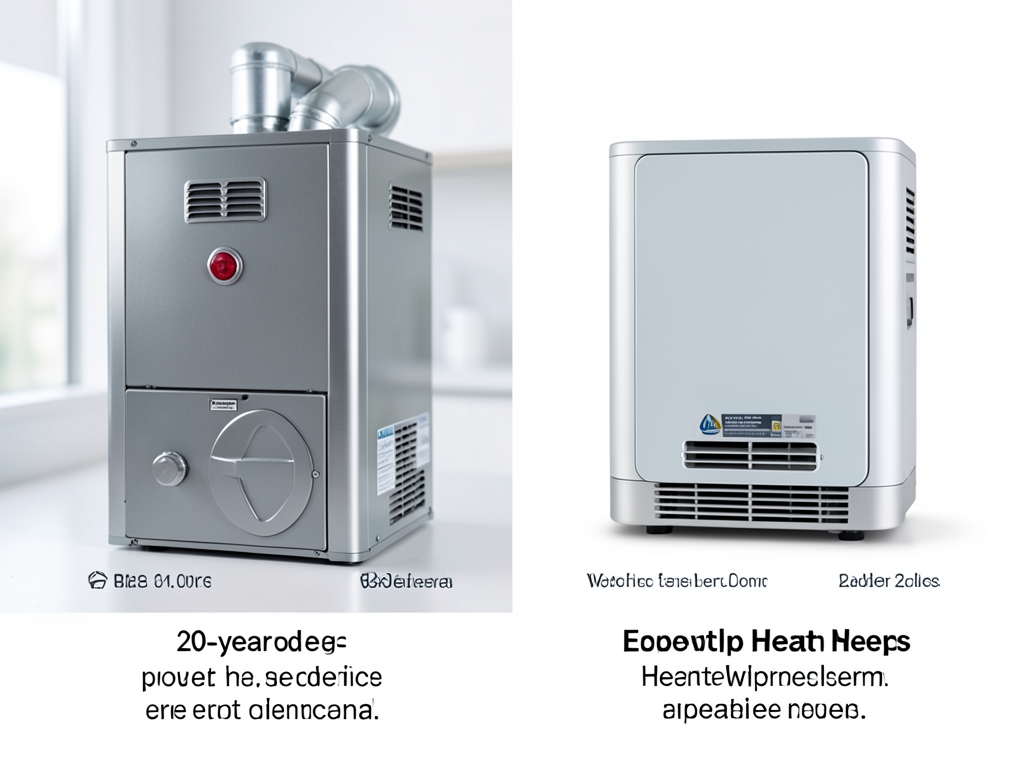
Side-by-side comparison of a 15-year-old gas furnace and a modern high-efficiency heat pump with decibel ratings.
Call (628) 201-6600 Today to Maximize Your Home’s Value
Don’t let an outdated HVAC system stall your sale. Call (628) 201-6600 today to schedule a free inspection and efficiency test. We’ll show you exactly how much value a modern system can add to your San Francisco home. Our BayREN-certified technicians handle everything from Title 24 compliance to permit filing. Pick up the phone now and take the first step toward a faster sale and higher offer.
You may also find this helpful. How to Protect Your Dogpatch Hardwood Floors from SF Humidity Swings.
{
“@context”: “https://schema.org”,
“@type”: “BlogPosting”,
“headline”: “How Much Value a Modern HVAC System Actually Adds to a San Francisco Home Sale”,
“description”: “Discover how a modern HVAC system can boost your San Francisco home’s sale price by up to 7%. Learn about heat pump incentives, Title 24 compliance, and ROI in 2026.”,
“wordCount”: 1443,
“datePublished”: “2026-05-31T10:35:00.000Z”,
“dateModified”: “2026-05-31T10:35:00.000Z”,
“inLanguage”: “en-US”,
“mainEntityOfPage”: {
“@type”: “WebPage”,
“@id”: “https://atlashvacsanfrancisco.com”
},
“publisher”: {
“@type”: “LocalBusiness”,
“name”: “Atlas HVAC San Francisco”,
“url”: “https://atlashvacsanfrancisco.com”
},
“author”: {
“@type”: “Organization”,
“name”: “Atlas HVAC San Francisco”,
“url”: “https://atlashvacsanfrancisco.com”
},
“image”: {
“@type”: “ImageObject”,
“url”: “https://atlashvacsanfrancisco.com/wp-content/uploads/2026/03/how-much-value-a-modern-hvac-system-actually-adds-1.png”
}
}
{
“@context”: “https://schema.org”,
“@type”: “HVACBusiness”,
“name”: “Atlas HVAC San Francisco”,
“url”: “https://atlashvacsanfrancisco.com”,
“address”: {
“@type”: “PostalAddress”,
“addressLocality”: “San Francisco”
},
“areaServed”: {
“@type”: “City”,
“name”: “San Francisco”
}
}
{
“@context”: “https://schema.org”,
“@type”: “FAQPage”,
“mainEntity”: [
{
“@type”: “Question”,
“name”: “How much does a new HVAC system cost in San Francisco?”,
“acceptedAnswer”: {
“@type”: “Answer”,
“text”: “Heat pump installations range from $12,000 to $20,000 including labor and permits. Ductless mini-splits cost $5,000 to $12,000. Central air systems run $8,000 to $18,000 depending on home size and complexity.”
}
},
{
“@type”: “Question”,
“name”: “Can I install a new HVAC system in a historic San Francisco home?”,
“acceptedAnswer”: {
“@type”: “Answer”,
“text”: “Yes. Ductless mini-splits preserve architectural details. They mount inside walls or ceiling cassettes with minimal exterior impact. Permitting is streamlined for energy-efficient upgrades in historic districts.”
}
},
{
“@type”: “Question”,
“name”: “How long does installation take?”,
“acceptedAnswer”: {
“@type”: “Answer”,
“text”: “Most heat pump installations complete in two to three days. Ductless systems install in one day. Central air with new ductwork may take five to seven days including inspections.”
}
},
{
“@type”: “Question”,
“name”: “Will a new system help me sell faster?”,
“acceptedAnswer”: {
“@type”: “Answer”,
“text”: “Homes with modern HVAC systems sell 4 to 6 days faster on average in San Francisco. Buyers see them as move-in ready and avoid immediate replacement costs.”
}
},
{
“@type”: “Question”,
“name”: “Do I need a permit for HVAC replacement?”,
“acceptedAnswer”: {
“@type”: “Answer”,
“text”: “Yes. San Francisco requires permits for all new HVAC equipment. Heat pumps qualify for expedited review under the city’s electrification program.”
}
}
]
}
{
“@context”: “https://schema.org”,
“@type”: “HowTo”,
“name”: “Pre-Sale HVAC Preparation”,
“step”: [
{
“@type”: “HowToStep”,
“position”: 1,
“name”: “Test System Performance”,
“text”: “Measure temperature split, static pressure, and amp draw. Identify any efficiency losses over 15 percent.”
},
{
“@type”: “HowToStep”,
“position”: 2,
“name”: “Check Compliance”,
“text”: “Verify Title 24 ratings and permit history. Upgrade to smart thermostat if missing.”
},
{
“@type”: “HowToStep”,
“position”: 3,
“name”: “Inspect Ductwork”,
“text”: “Seal leaks and add insulation where needed. Leaky ducts waste 20 to 30 percent of heated or cooled air.”
},
{
“@type”: “HowToStep”,
“position”: 4,
“name”: “Clean Coils and Blower”,
“text”: “Remove dirt and debris. A clean system runs quieter and more efficiently.”
},
{
“@type”: “HowToStep”,
“position”: 5,
“name”: “Document Efficiency Gains”,
“text”: “Provide a one-page summary of SEER/HSPF ratings, expected utility savings, and rebate eligibility.”
}
],
“image”: “https://atlashvacsanfrancisco.com/wp-content/uploads/2026/03/how-much-value-a-modern-hvac-system-actually-adds-1.png”
}
{
“@context”: “https://schema.org”,
“@type”: “BreadcrumbList”,
“itemListElement”: [
{
“@type”: “ListItem”,
“position”: 1,
“name”: “Home”,
“item”: “https://atlashvacsanfrancisco.com”
},
{
“@type”: “ListItem”,
“position”: 2,
“name”: “Blog”,
“item”: “https://atlashvacsanfrancisco.com/blog”
},
{
“@type”: “ListItem”,
“position”: 3,
“name”: “How Much Value a Modern HVAC System Actually Adds to a San Francisco Home Sale”
}
]
}
{
“@context”: “https://schema.org”,
“@type”: “Service”,
“serviceType”: “HVAC”,
“provider”: {
“@type”: “LocalBusiness”,
“name”: “Atlas HVAC San Francisco”,
“url”: “https://atlashvacsanfrancisco.com”
},
“areaServed”: {
“@type”: “City”,
“name”: “San Francisco”
},
“description”: “Discover how a modern HVAC system can boost your San Francisco home’s sale price by up to 7%. Learn about heat pump incentives, Title 24 compliance, and ROI in 2026.”
}