
The Surprising Reason Your San Francisco Home is Dustier Than It Should Be
Your San Francisco home feels dustier than it should even after cleaning. The culprit might be hiding in your HVAC system. When air pressure imbalances and duct leaks pull dust from attics, crawlspaces, and wall cavities into your living space, no amount of dusting solves the problem. This isn’t about laziness or poor housekeeping. It’s about physics and pressure differentials that your HVAC system creates.
Many San Francisco homes built before 1980 have duct systems with gaps at joints, disconnected sections, or unsealed return plenums. These openings act like dust vacuums, pulling in particles from areas you never want to breathe. The problem gets worse during San Francisco’s fog cycles when moisture causes dust to clump and stick to surfaces more aggressively.
Understanding the real causes of excessive dust requires looking beyond the obvious. Let’s examine how your HVAC system contributes to the problem and what makes San Francisco homes particularly vulnerable.
5 Ways Your HVAC System Contributes to House Dust
Most homeowners blame dust on outdoor air or poor cleaning habits. The truth runs deeper through your ductwork. Here are the five most common HVAC-related causes of excessive dust in San Francisco homes.
1. Leaky Return Ducts Pulling Dust from Unwanted Areas
Return ducts in your attic or crawlspace develop gaps over time. When your HVAC system runs, it creates negative pressure that sucks air through these openings. That air carries dust from insulation, construction debris, and rodent droppings directly into your living space.
Common leak locations include duct joints, where flexible duct connects to rigid duct, and around the air handler cabinet. A single one-square-inch hole can pull hundreds of cubic feet of dusty air per hour when the system runs.
2. Low MERV Filters Allowing Fine Particles Through
Standard one-inch fiberglass filters trap less than 20% of particles in the 3-10 micron range. That means most dust, pollen, and mold spores pass right through. When your blower motor runs, it’s essentially circulating fine dust through every room.
Many San Francisco homes have filters with gaps around the edges where air bypasses the filter entirely. This unfiltered air carries the smallest, most irritating particles directly into your breathing space.
3. Dirty Evaporator Coils Creating Particle Fallout
When evaporator coils get dirty, they become breeding grounds for mold and bacteria. As air passes over these contaminated surfaces, it picks up microscopic particles that settle throughout your home. The problem compounds when moisture from San Francisco’s humid air causes these particles to stick to surfaces.
Coil fins also restrict airflow when dirty, forcing the system to run longer cycles. Longer run times mean more dust circulation through your home.
4. Aged Duct Insulation Breaking Down
Fiberglass duct liner deteriorates over decades, especially in San Francisco’s variable climate. When the liner breaks down, it releases microscopic glass fibers into your air stream. These particles are so fine they bypass most filters and settle on every surface.
Older homes often have duct interiors lined with fiberglass rather than sheet metal. This material breaks down faster and releases more particles than modern alternatives.
5. Blower Motor Contaminants Spreading Through Ducts
The blower motor and its housing can accumulate dust, oil, and debris over years of operation. When the motor spins, it aerosolizes these contaminants and distributes them through your ductwork. This creates a constant source of fine dust that no filter can catch.
Motor bearings also wear down over time, releasing microscopic metal particles into the air stream. These particles are particularly problematic because they’re so small and lightweight.
The San Francisco Factor: Why Local Homes Are Dustier
San Francisco’s unique climate and building patterns create perfect conditions for HVAC-related dust problems. The combination of fog, salt air, and historic construction methods means local homes face challenges you won’t find elsewhere.
Fog and Moisture Creating Dust Clumping
San Francisco’s famous fog increases indoor humidity levels, especially in homes near the coast. When moisture levels rise above 60%, dust particles absorb water and become heavier. This causes them to settle on surfaces more quickly but also makes them stickier and harder to remove.
The moisture also creates ideal conditions for mold growth inside ductwork. Mold spores become airborne and settle throughout your home, appearing as a fine gray dust on surfaces.
Victorian and Edwardian Construction Dust
Many San Francisco homes built between 1890 and 1940 have unique construction methods that contribute to dust problems. Lath and plaster walls deteriorate over time, releasing fine gypsum dust. Horsehair plaster reinforcement breaks down into microscopic fibers that circulate through your home.
Older homes also have more air leakage through windows, doors, and wall cavities. This infiltration brings in outdoor dust that gets trapped and recirculated by your HVAC system.
Salt Air Corrosion Affecting Outdoor Units
Homes within three miles of the coast experience salt air corrosion on outdoor HVAC components. This corrosion creates fine metal particles that get drawn into your system and distributed indoors. The closer you live to Ocean Beach or the Embarcadero, the more severe this problem becomes.
Salt air also accelerates the breakdown of rubber components and electrical connections, creating additional sources of fine particles.
Earthquake Retrofit Dust
Many San Francisco homes have undergone earthquake retrofitting in the past decade. This construction work disturbs settled dust in wall cavities and crawlspaces. When your HVAC system runs, it pulls this construction dust into your living space.
Common retrofit activities like foundation bolting, cripple wall bracing, and shear panel installation create significant dust that settles in areas your HVAC system can access. The Best Way to Install Heat Pumps in Historic San Francisco Victorians.
Wildfire Smoke Impact on Indoor Air Quality
California’s increasing wildfire frequency affects San Francisco’s air quality for weeks each year. During smoke events, fine particulate matter (PM2.5) infiltrates homes and gets trapped by HVAC systems. These particles are so small they pass through standard filters and settle as a fine layer on all surfaces. California Air Resources Board Duct Cleaning Regulations.
The problem compounds when smoke particles combine with indoor dust, creating a mixture that’s more visible and irritating than either component alone.
DIY vs. Professional HVAC Dust Diagnostics
Before calling a professional, you can perform several diagnostic tests to identify potential dust sources. Some issues require professional equipment and expertise, while others you can check yourself. Professional Commercial HVAC Maintenance for SOMA Office Buildings.
| Test Type | DIY Method | Professional Method | Accuracy |
|---|---|---|---|
| Filter Inspection | Check for gaps, proper fit, MERV rating | Pressure testing, air flow measurement | Moderate |
| Duct Inspection | Visual check of accessible ducts | Camera inspection, pressure testing | High |
| Air Quality Testing | Particle counter (basic models) | Professional IAQ testing | Very High |
| System Performance | Temperature split measurement | Comprehensive diagnostics | High |
DIY Diagnostic Steps
Start with these simple tests to identify obvious dust sources. These steps require no special tools and can reveal major problems.
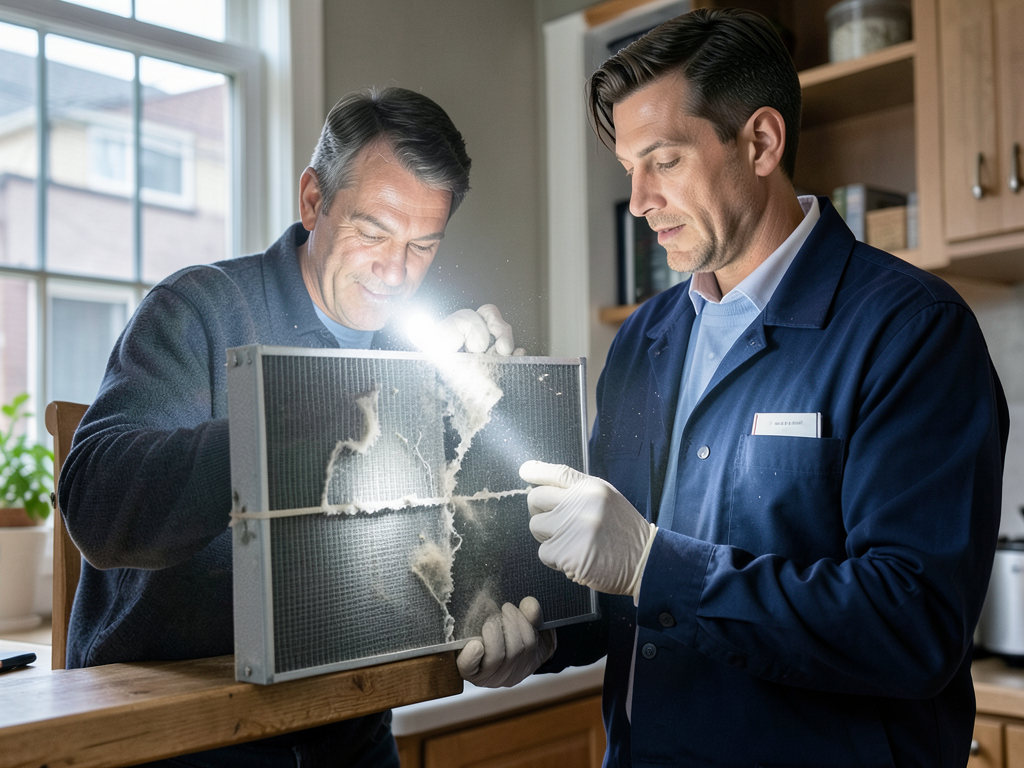
- Check filter installation. Remove your air filter and inspect for gaps around the edges. Hold it up to light to see if air can bypass the filter. A properly installed filter should fit snugly with no visible light around the edges.
- Inspect return vents. Remove a few return vent covers and look inside with a flashlight. You should see smooth, clean duct surfaces. If you see gaps, disconnected sections, or debris, you’ve found a dust source.
- Test pressure differentials. Hold a tissue near return vents while the system runs. If the tissue gets pulled strongly toward the vent, you have good negative pressure. Weak suction might indicate duct leaks elsewhere.
- Check attic and crawlspace access points. Look for unsealed openings where ductwork passes through floors or ceilings. Even small gaps can pull significant dust into your system.
Professional Diagnostic Services
When DIY tests reveal problems or you want definitive answers, professional diagnostics provide comprehensive analysis using specialized equipment.
Professional duct pressure testing uses calibrated fans to measure air leakage throughout your system. This test identifies leaks as small as one square inch and quantifies how much conditioned air you’re losing to unconditioned spaces.
Thermal imaging cameras detect temperature differences that reveal duct leaks, insulation gaps, and airflow problems. These cameras can see through walls to identify hidden issues affecting your dust levels.
Indoor air quality testing measures particle counts by size, humidity levels, and volatile organic compounds. This testing establishes baseline conditions and identifies specific pollutants contributing to your dust problems.
Improving Indoor Air Quality in the Bay Area
Once you’ve identified the sources of dust in your San Francisco home, several solutions can dramatically improve your indoor air quality. The right approach depends on your specific problems and budget.
Filter Upgrades for Maximum Particle Capture
Standard one-inch filters are inadequate for San Francisco’s air quality challenges. Upgrading to high-efficiency filters makes an immediate difference in dust levels throughout your home.
MERV 11 filters capture 85% of particles in the 3-10 micron range, including most dust, pollen, and mold spores. These filters work well in most residential systems without restricting airflow.
MERV 13 filters capture 90% of particles down to 1 micron, including bacteria and smoke particles. However, they may require system modifications to maintain proper airflow in older systems.
HEPA filters capture 99.97% of particles down to 0.3 microns but require special housings and may need system modifications. They’re ideal for severe allergy sufferers or homes in high-smoke areas. EPA Indoor Air Quality.
Whole-Home Air Purification Systems
Standalone air purifiers only clean one room at a time. Whole-home systems integrate with your existing HVAC equipment to clean all the air in your house continuously.
UV light systems installed in your ductwork kill mold, bacteria, and viruses as air passes through. These systems prevent biological growth on coils and in ducts, reducing the source of many dust problems.
Electronic air cleaners use charged plates to attract and capture particles. They’re highly effective for smoke and fine dust but require regular cleaning to maintain efficiency.
Media air cleaners combine high-efficiency filters with increased surface area for better airflow and longer service intervals. They’re the most practical solution for most San Francisco homes.
Professional Duct Cleaning and Sealing
Professional duct cleaning removes accumulated dust, debris, and contaminants from your entire duct system. This process uses specialized vacuums and brushes to clean every section of ductwork, including areas you can’t access yourself.
Duct sealing follows cleaning to close gaps and leaks that allow dust infiltration. Professional sealing uses mastic compounds or aerosol sealants that create permanent barriers to air leakage.
The process typically reduces dust levels by 50-80% and can improve system efficiency by 20-30% by eliminating air leaks.
Regular Maintenance Schedules
Preventative maintenance prevents dust problems from developing in the first place. A comprehensive maintenance plan includes filter changes, coil cleaning, and system inspections at regular intervals.. Read more about That Burning Smell From Your Vents (Is It Normal or an Emergency?).
Quarterly filter changes ensure your system always has clean, properly fitting filters. This simple step prevents many dust problems before they start.
Annual professional cleaning of evaporator and condenser coils removes the buildup that creates particle fallout and restricts airflow. Clean coils also improve system efficiency and reduce energy costs.
Biannual system inspections catch developing problems before they create major dust issues. These inspections check for duct leaks, motor wear, and other conditions that contribute to dust circulation.
Local Building Codes and Standards
San Francisco and California have specific requirements that affect HVAC installation and maintenance. Understanding these codes helps ensure your system meets current standards and operates efficiently. Quiet and Efficient Furnace Replacement Options for Pacific Heights Residents.
California Title 24 Energy Efficiency Standards require specific duct leakage rates for new installations. Existing homes undergoing major renovations must meet these standards when replacing HVAC equipment.
San Francisco Building Code Section 1302.4 requires proper duct insulation in unconditioned spaces. This code prevents condensation and reduces energy loss, both of which affect dust levels and system performance.
California Air Resources Board (CARB) regulations govern duct cleaning practices and disposal of contaminated materials. Professional duct cleaners must follow these guidelines to protect both workers and occupants.
EPA Lead Renovation, Repair and Painting Rule applies to homes built before 1978. Any duct work in these homes must follow lead-safe practices to prevent lead dust contamination. Fast and Affordable AC Repair Services in Daly City and South San Francisco.
Frequently Asked Questions
Why does my house get dusty so quickly after cleaning?
Rapid dust accumulation usually indicates duct leaks pulling dust from unconditioned spaces. When your HVAC system runs, it creates pressure differentials that suck dusty air through gaps in your ductwork. This contaminated air circulates through your home and settles on surfaces within hours of cleaning.
How often should I change my HVAC filter in San Francisco?
San Francisco’s climate requires more frequent filter changes than inland areas. Change one-inch filters every 30-45 days during fog season and every 60-90 days during dry summer months. Homes near the coast or in high-traffic areas may need changes every 30 days year-round.
Can dirty ducts make my family sick?
Yes. Contaminated ducts can harbor mold, bacteria, dust mites, and other allergens that trigger respiratory problems. People with asthma, allergies, or compromised immune systems are particularly vulnerable to airborne contaminants from dirty ducts.
How much does professional duct cleaning cost in San Francisco?
Professional duct cleaning in San Francisco typically costs $400-$800 for an average home, depending on system size and contamination level. Additional services like duct sealing, coil cleaning, or filter upgrades increase the total cost but provide better long-term results.
Should I be concerned about asbestos in my old ducts?
Homes built before 1980 may have asbestos-containing materials in duct insulation or tape. Never disturb suspected asbestos materials. Professional testing can identify asbestos, and certified contractors can safely remove it if necessary.
How can I tell if my HVAC system is causing my dust problems?
Place a new, clean filter in your system and run it for 24 hours. If the filter is dark or clogged after one day, your system is pulling in excessive dust. Also, check if dust accumulates faster near return vents than other areas.
Take Control of Your Home’s Air Quality Today
Dusty homes aren’t just annoying. They can affect your family’s health, increase cleaning time, and reduce your HVAC system’s efficiency. The good news is that most dust problems have identifiable causes and effective solutions.
Start with simple DIY diagnostics to identify obvious issues. If problems persist, professional testing can pinpoint exact sources of contamination. Whether you need basic filter upgrades or comprehensive duct sealing, addressing the root causes provides lasting relief from excessive dust.
Don’t let another day of dusty surfaces and poor air quality affect your San Francisco home. Call (628) 201-6600 today to schedule your professional HVAC inspection and air quality assessment. Our certified technicians will identify the specific causes of your dust problems and recommend targeted solutions that work for your home and budget.
Your family deserves to breathe clean, healthy air. Pick up the phone and call (628) 201-6600 before the next fog cycle makes your dust problems even worse. We’ll help you reclaim your home from excessive dust and enjoy the clean, comfortable living space you deserve.
{
“@context”: “https://schema.org”,
“@type”: “BlogPosting”,
“headline”: “The Surprising Reason Your San Francisco Home is Dustier Than It Should Be”,
“description”: “Is your San Francisco home dustier than it should be? Discover the hidden HVAC causes and local factors affecting your indoor air quality.”,
“wordCount”: 2524,
“datePublished”: “2026-05-30T06:37:00.000Z”,
“dateModified”: “2026-05-30T06:37:00.000Z”,
“inLanguage”: “en-US”,
“mainEntityOfPage”: {
“@type”: “WebPage”,
“@id”: “https://atlashvacsanfrancisco.com”
},
“publisher”: {
“@type”: “LocalBusiness”,
“name”: “Atlas HVAC San Francisco”,
“url”: “https://atlashvacsanfrancisco.com”
},
“author”: {
“@type”: “Organization”,
“name”: “Atlas HVAC San Francisco”,
“url”: “https://atlashvacsanfrancisco.com”
},
“image”: {
“@type”: “ImageObject”,
“url”: “https://atlashvacsanfrancisco.com/wp-content/uploads/2026/03/the-surprising-reason-your-san-francisco-home-is-d-1.png”
}
}
{
“@context”: “https://schema.org”,
“@type”: “HVACBusiness”,
“name”: “Atlas HVAC San Francisco”,
“url”: “https://atlashvacsanfrancisco.com”,
“address”: {
“@type”: “PostalAddress”,
“addressLocality”: “San Francisco”
},
“areaServed”: {
“@type”: “City”,
“name”: “San Francisco”
}
}
{
“@context”: “https://schema.org”,
“@type”: “FAQPage”,
“mainEntity”: [
{
“@type”: “Question”,
“name”: “Why does my house get dusty so quickly after cleaning?”,
“acceptedAnswer”: {
“@type”: “Answer”,
“text”: “Rapid dust accumulation usually indicates duct leaks pulling dust from unconditioned spaces. When your HVAC system runs, it creates pressure differentials that suck dusty air through gaps in your ductwork. This contaminated air circulates through your home and settles on surfaces within hours of cleaning.”
}
},
{
“@type”: “Question”,
“name”: “How often should I change my HVAC filter in San Francisco?”,
“acceptedAnswer”: {
“@type”: “Answer”,
“text”: “San Francisco’s climate requires more frequent filter changes than inland areas. Change one-inch filters every 30-45 days during fog season and every 60-90 days during dry summer months. Homes near the coast or in high-traffic areas may need changes every 30 days year-round.”
}
},
{
“@type”: “Question”,
“name”: “Can dirty ducts make my family sick?”,
“acceptedAnswer”: {
“@type”: “Answer”,
“text”: “Yes. Contaminated ducts can harbor mold, bacteria, dust mites, and other allergens that trigger respiratory problems. People with asthma, allergies, or compromised immune systems are particularly vulnerable to airborne contaminants from dirty ducts.”
}
},
{
“@type”: “Question”,
“name”: “How much does professional duct cleaning cost in San Francisco?”,
“acceptedAnswer”: {
“@type”: “Answer”,
“text”: “Professional duct cleaning in San Francisco typically costs $400-$800 for an average home, depending on system size and contamination level. Additional services like duct sealing, coil cleaning, or filter upgrades increase the total cost but provide better long-term results.”
}
},
{
“@type”: “Question”,
“name”: “Should I be concerned about asbestos in my old ducts?”,
“acceptedAnswer”: {
“@type”: “Answer”,
“text”: “Homes built before 1980 may have asbestos-containing materials in duct insulation or tape. Never disturb suspected asbestos materials. Professional testing can identify asbestos, and certified contractors can safely remove it if necessary.”
}
},
{
“@type”: “Question”,
“name”: “How can I tell if my HVAC system is causing my dust problems?”,
“acceptedAnswer”: {
“@type”: “Answer”,
“text”: “Place a new, clean filter in your system and run it for 24 hours. If the filter is dark or clogged after one day, your system is pulling in excessive dust. Also, check if dust accumulates faster near return vents than other areas.”
}
}
]
}
{
“@context”: “https://schema.org”,
“@type”: “BreadcrumbList”,
“itemListElement”: [
{
“@type”: “ListItem”,
“position”: 1,
“name”: “Home”,
“item”: “https://atlashvacsanfrancisco.com”
},
{
“@type”: “ListItem”,
“position”: 2,
“name”: “Blog”,
“item”: “https://atlashvacsanfrancisco.com/blog”
},
{
“@type”: “ListItem”,
“position”: 3,
“name”: “The Surprising Reason Your San Francisco Home is Dustier Than It Should Be”
}
]
}
{
“@context”: “https://schema.org”,
“@type”: “Service”,
“serviceType”: “HVAC”,
“provider”: {
“@type”: “LocalBusiness”,
“name”: “Atlas HVAC San Francisco”,
“url”: “https://atlashvacsanfrancisco.com”
},
“areaServed”: {
“@type”: “City”,
“name”: “San Francisco”
},
“description”: “Is your San Francisco home dustier than it should be? Discover the hidden HVAC causes and local factors affecting your indoor air quality.”
}