
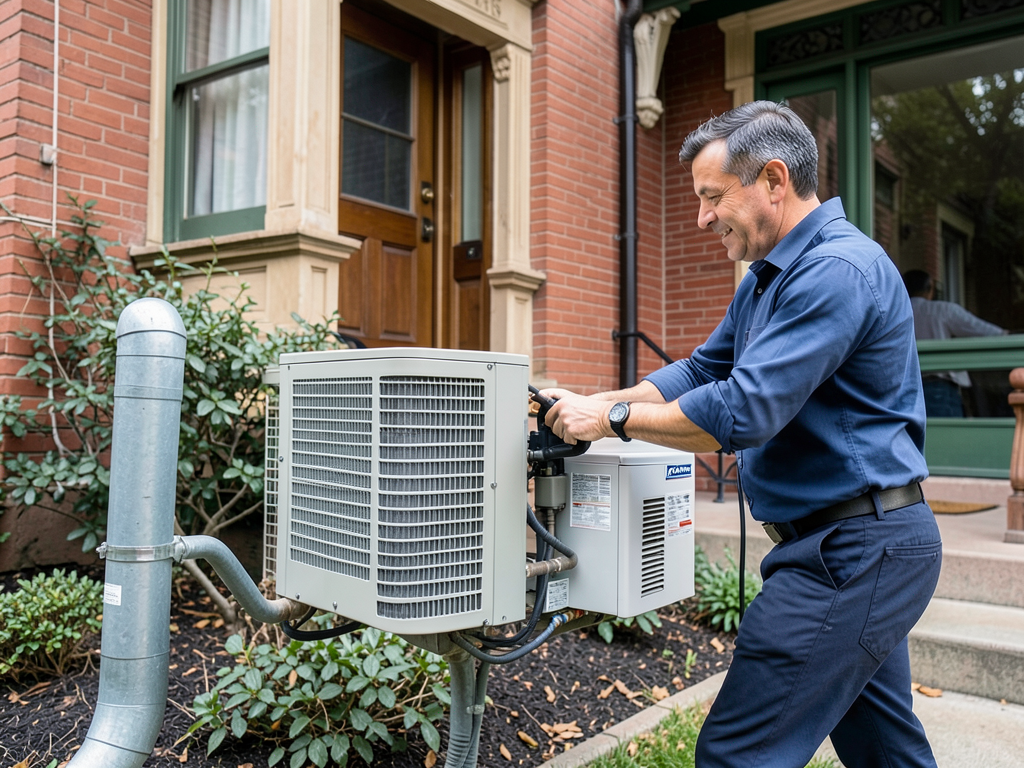
San Francisco Homeowners Face a Heating Decision
San Francisco’s mild winters and foggy summers create a unique challenge for heating systems. A dual-fuel hybrid heating system combines an electric heat pump with a gas furnace to deliver year-round comfort while maximizing energy efficiency. But is this the right choice for your home in 2026? The answer depends on your neighborhood’s microclimate, your energy rates, and the specific rebates available in San Francisco. Who to Call for 24 Hour Emergency Heating Repair in San Francisco.
What Makes a Dual-Fuel System Different
A dual-fuel system automatically switches between an electric heat pump and a gas furnace based on outdoor temperatures. The heat pump handles heating when temperatures stay above 40°F, providing efficient warmth during most San Francisco winters. When temperatures drop below the balance point, the gas furnace takes over, ensuring reliable heat even on the coldest nights. Quiet and Efficient Furnace Replacement Options for Pacific Heights Residents.
The Pros: Why San Francisco Homeowners Choose Hybrid
Dual-fuel systems offer several advantages specific to the Bay Area climate. The mild winters mean the electric heat pump operates most of the time, delivering heating costs that are 30-50% lower than traditional gas furnaces. The system provides built-in redundancy since you have two heating sources, which proves valuable during power outages or equipment failures. Carbon emissions drop significantly compared to pure gas systems, aligning with San Francisco’s decarbonization goals. The heat pump also handles dehumidification during foggy summer months, improving indoor air quality in neighborhoods like the Sunset District and Richmond where marine layer moisture is constant.
The Cons: Potential Drawbacks to Consider
Installation costs run 20-30% higher than single-system setups due to the need for both indoor and outdoor units plus complex controls. The system requires space for two separate heating components, which can challenge older homes in Pacific Heights and Noe Valley with limited mechanical rooms. Maintenance complexity increases since you’re essentially managing two systems, though most modern units handle this automatically. The switchover point must be properly calibrated for San Francisco’s climate, and incorrect settings can reduce efficiency. The Best Way to Install Heat Pumps in Historic San Francisco Victorians.
San Francisco Cost Analysis: PG&E and ROI
| System Type | Annual Heating Cost | Installation Cost | Payback Period |
|---|---|---|---|
| Pure Gas Furnace | $900-1,200 | $6,000-8,000 | N/A |
| Electric Heat Pump Only | $600-900 | $12,000-15,000 | 10-12 years |
| Dual-Fuel Hybrid | $700-1,000 | $10,000-13,000 | 8-10 years |
Rebates and Incentives Available in San Francisco
San Francisco homeowners can access multiple incentives that significantly reduce the cost of dual-fuel systems. The federal Inflation Reduction Act offers up to $2,000 in tax credits for heat pump installations. BayREN provides rebates up to $3,000 for qualifying high-efficiency systems. PG&E offers additional incentives for customers switching from gas to electric heating. The TECH Clean California program provides rebates for heat pump installations that meet specific efficiency standards. These incentives can reduce the net installation cost by 30-50%, making dual-fuel systems more affordable than ever. federal tax credits for heat pumps.
San Francisco Building Codes and Permitting
Installing a dual-fuel system in San Francisco requires compliance with California Title 24 energy efficiency standards and local mechanical permits. The San Francisco Department of Building Inspection mandates seismic anchoring for all HVAC equipment due to earthquake risk. Outdoor condenser units must meet strict noise ordinances, particularly in residential neighborhoods like the Marina and Pacific Heights. Electrical panel upgrades may be necessary for homes with older 100-amp service to support the heat pump’s electrical demands. Atlas HVAC handles all permitting and ensures installations meet current San Francisco building codes.
Is Dual-Fuel Right for Your Specific Neighborhood
The decision varies significantly by microclimate. Homes in the Sunset District and Richmond benefit most from dual-fuel systems due to the persistent marine layer and higher humidity levels. The heat pump’s dehumidification capabilities prove particularly valuable in these areas. Properties in the Mission District and Potrero Hill, which experience more temperature variation, see excellent efficiency gains from the system’s ability to handle both heating and cooling. Downtown high-rises and newer construction in SoMa often already have the electrical infrastructure to support heat pumps without costly upgrades.
Performance in San Francisco’s Unique Climate
San Francisco’s average winter temperatures rarely drop below 45°F, meaning the heat pump handles most heating needs throughout the year. The system’s balance point typically sits around 38-40°F, which means the gas furnace rarely activates during normal winter conditions. However, the occasional cold snap when temperatures dip into the 30s proves where dual-fuel systems shine compared to pure electric heat pumps. The gas furnace provides reliable backup without the performance drop that affects air-source heat pumps in extreme cold.
Installation Considerations for Older San Francisco Homes
Victorian and Edwardian homes in neighborhoods like Pacific Heights and Noe Valley present unique installation challenges. These properties often have limited space for new equipment and may require creative ductwork solutions. Many older homes have gas lines that need upgrading to support modern high-efficiency furnaces. The lath-and-plaster walls common in historic San Francisco homes make running new refrigerant lines more complex. Atlas HVAC specializes in retrofitting these challenging properties while preserving architectural integrity.
Maintenance and Long-Term Reliability
Dual-fuel systems require annual maintenance from technicians familiar with both heat pump and furnace technology. The control system that manages the switchover point needs periodic calibration to ensure optimal efficiency. Air filters require more frequent replacement due to San Francisco’s urban air quality and occasional wildfire smoke. The heat pump’s outdoor coil needs regular cleaning to maintain efficiency, especially in areas near the bay where salt air can cause corrosion. Atlas HVAC provides comprehensive maintenance plans specifically designed for dual-fuel systems in the Bay Area climate.
Environmental Impact and San Francisco’s Climate Goals
Dual-fuel systems align with San Francisco’s aggressive climate action plan by reducing carbon emissions while providing reliable heating. The electric heat pump component produces zero on-site emissions when operating, and modern high-efficiency gas furnaces minimize emissions when the backup heat is needed. Many homeowners use the system as a stepping stone toward full electrification, knowing they can eventually replace the gas component as renewable energy becomes more prevalent in PG&E’s grid. The system’s flexibility allows you to adapt to changing energy policies and environmental regulations.. Read more about Moving Toward an All-Electric Home with San Francisco Green Energy Rules.
Making the Final Decision
The right choice depends on your specific situation. Dual-fuel systems make the most sense if you’re replacing an aging system and want maximum efficiency with backup reliability. They’re ideal for homeowners planning to stay in their homes for 5+ years to realize the energy savings. The systems work best in homes with adequate electrical service and space for both components. If you’re in a historic home with space constraints or have a very tight budget, a high-efficiency single-system approach might be more practical.
Frequently Asked Questions
How long does installation take?
Most dual-fuel installations in San Francisco take 2-3 days, including permitting, equipment removal, and system commissioning. Complex retrofits in older homes may require additional time.
Will I need electrical upgrades?
Homes built before 2000 often need 200-amp service upgrades to support heat pumps. Atlas HVAC provides free electrical assessments to determine if upgrades are necessary.
What’s the warranty coverage?
Most manufacturers offer 10-year parts warranties on heat pumps and furnaces, with Atlas HVAC providing 2-year labor warranties on all installations.
Ready to Upgrade Your Home’s Heating System
Dual-fuel hybrid heating systems offer San Francisco homeowners the perfect balance of efficiency, reliability, and environmental responsibility. The mild climate means you’ll enjoy maximum heat pump operation while having gas backup for those rare cold nights. With current rebates and incentives, there’s never been a better time to upgrade.
Call (628) 201-6600 today to schedule your free assessment. Atlas HVAC will evaluate your home’s specific needs, explain your options clearly, and provide a detailed quote with all available rebates factored in. Don’t wait until your old system fails – upgrade now and start saving on your energy bills while improving your home’s comfort and environmental impact.
Pick up the phone and call (628) 201-6600 before the next cold snap hits. Our experienced technicians understand San Francisco’s unique heating challenges and will recommend the perfect system for your home and budget. For more information, visit BayREN rebates for energy efficiency.
{
“@context”: “https://schema.org”,
“@type”: “BlogPosting”,
“headline”: “Is a Dual-Fuel Hybrid Heating System the Best Choice for the San Francisco Climate”,
“description”: “Discover if a dual-fuel hybrid heating system makes sense for your San Francisco home. Compare costs, efficiency, and local rebates with our 2026 expert guide.”,
“wordCount”: 1364,
“datePublished”: “2026-03-25T07:45:00.000Z”,
“dateModified”: “2026-03-25T07:45:00.000Z”,
“inLanguage”: “en-US”,
“mainEntityOfPage”: {
“@type”: “WebPage”,
“@id”: “https://atlashvacsanfrancisco.com”
},
“publisher”: {
“@type”: “LocalBusiness”,
“name”: “Atlas HVAC San Francisco”,
“url”: “https://atlashvacsanfrancisco.com”
},
“author”: {
“@type”: “Organization”,
“name”: “Atlas HVAC San Francisco”,
“url”: “https://atlashvacsanfrancisco.com”
},
“image”: {
“@type”: “ImageObject”,
“url”: “https://atlashvacsanfrancisco.com/wp-content/uploads/2026/03/is-a-dual-fuel-hybrid-heating-system-the-best-choi-1.png”
}
}
{
“@context”: “https://schema.org”,
“@type”: “HVACBusiness”,
“name”: “Atlas HVAC San Francisco”,
“url”: “https://atlashvacsanfrancisco.com”,
“address”: {
“@type”: “PostalAddress”,
“addressLocality”: “San Francisco”
},
“areaServed”: {
“@type”: “City”,
“name”: “San Francisco”
}
}
{
“@context”: “https://schema.org”,
“@type”: “FAQPage”,
“mainEntity”: [
{
“@type”: “Question”,
“name”: “How long does installation take?”,
“acceptedAnswer”: {
“@type”: “Answer”,
“text”: “Most dual-fuel installations in San Francisco take 2-3 days, including permitting, equipment removal, and system commissioning. Complex retrofits in older homes may require additional time.”
}
},
{
“@type”: “Question”,
“name”: “Will I need electrical upgrades?”,
“acceptedAnswer”: {
“@type”: “Answer”,
“text”: “Homes built before 2000 often need 200-amp service upgrades to support heat pumps. Atlas HVAC provides free electrical assessments to determine if upgrades are necessary.”
}
},
{
“@type”: “Question”,
“name”: “What’s the warranty coverage?”,
“acceptedAnswer”: {
“@type”: “Answer”,
“text”: “Most manufacturers offer 10-year parts warranties on heat pumps and furnaces, with Atlas HVAC providing 2-year labor warranties on all installations.”
}
}
]
}
{
“@context”: “https://schema.org”,
“@type”: “BreadcrumbList”,
“itemListElement”: [
{
“@type”: “ListItem”,
“position”: 1,
“name”: “Home”,
“item”: “https://atlashvacsanfrancisco.com”
},
{
“@type”: “ListItem”,
“position”: 2,
“name”: “Blog”,
“item”: “https://atlashvacsanfrancisco.com/blog”
},
{
“@type”: “ListItem”,
“position”: 3,
“name”: “Is a Dual-Fuel Hybrid Heating System the Best Choice for the San Francisco Climate”
}
]
}
{
“@context”: “https://schema.org”,
“@type”: “Service”,
“serviceType”: “HVAC”,
“provider”: {
“@type”: “LocalBusiness”,
“name”: “Atlas HVAC San Francisco”,
“url”: “https://atlashvacsanfrancisco.com”
},
“areaServed”: {
“@type”: “City”,
“name”: “San Francisco”
},
“description”: “Discover if a dual-fuel hybrid heating system makes sense for your San Francisco home. Compare costs, efficiency, and local rebates with our 2026 expert guide.”
}