
Keeping Your Furnace Pilot Light from Blowing Out in Windy Twin Peaks Homes
Your furnace pilot light keeps going out and you’re freezing in Twin Peaks. The combination of San Francisco’s notorious wind gusts, older Victorian-era heating systems, and the microclimates that make Twin Peaks 5-10 degrees cooler than downtown creates a perfect storm for pilot light problems. This isn’t just annoying—it’s a safety concern that needs immediate attention. San Francisco Fire Department carbon monoxide safety guidelines.
Before you call for help, understanding why your pilot light won’t stay lit can save you time and ensure you’re not overlooking a simple fix. From thermocouple issues to downdraft problems unique to Twin Peaks’ hillside location, we’ll walk through the most common causes and what you can do about them.
Safety First: What to Do If You Smell Gas
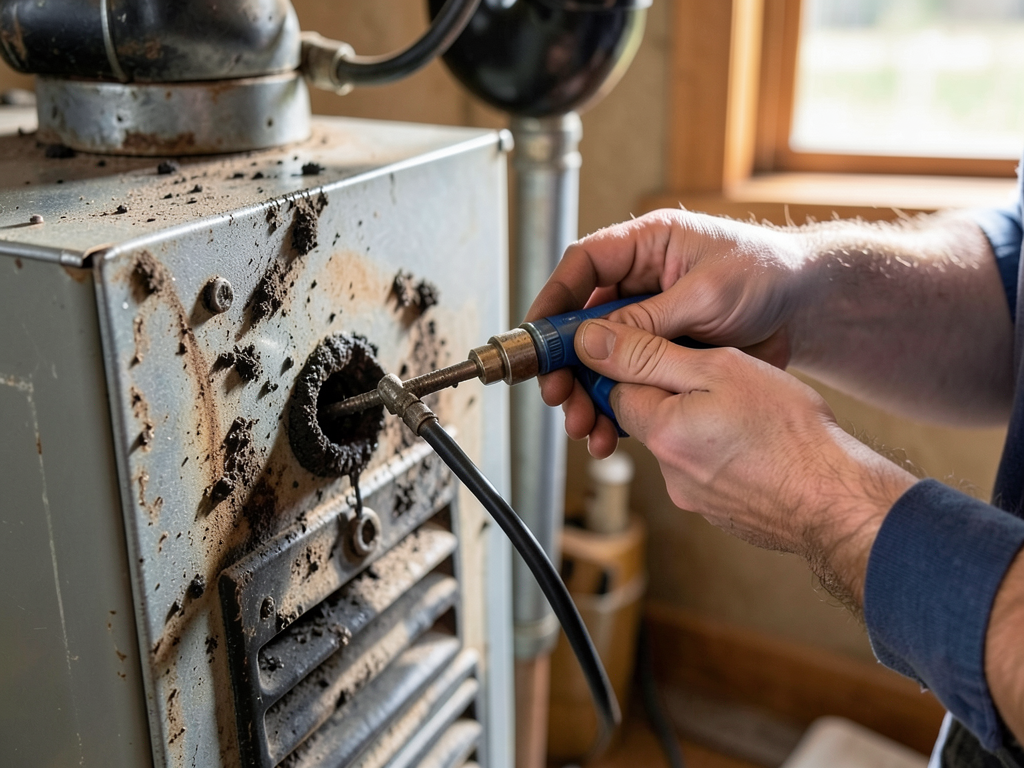
Before troubleshooting anything, know this: if you smell gas near your furnace, stop immediately. The rotten egg odor means natural gas is leaking. Do not flip any switches, use your phone inside, or try to relight the pilot. Open windows, evacuate everyone including pets, and call PG&E’s emergency line at 1-800-743-5000 from outside your home. PG&E emergency gas line information.
Carbon monoxide is another silent danger. Install battery-powered CO detectors on every level of your Twin Peaks home, especially near sleeping areas. The San Francisco Fire Department recommends testing these monthly and replacing them every 5-7 years. If your CO alarm sounds, get outside immediately and call 911. The Best Way to Install Heat Pumps in Historic San Francisco Victorians.
5 Common Reasons Your Pilot Light Won’t Stay Lit
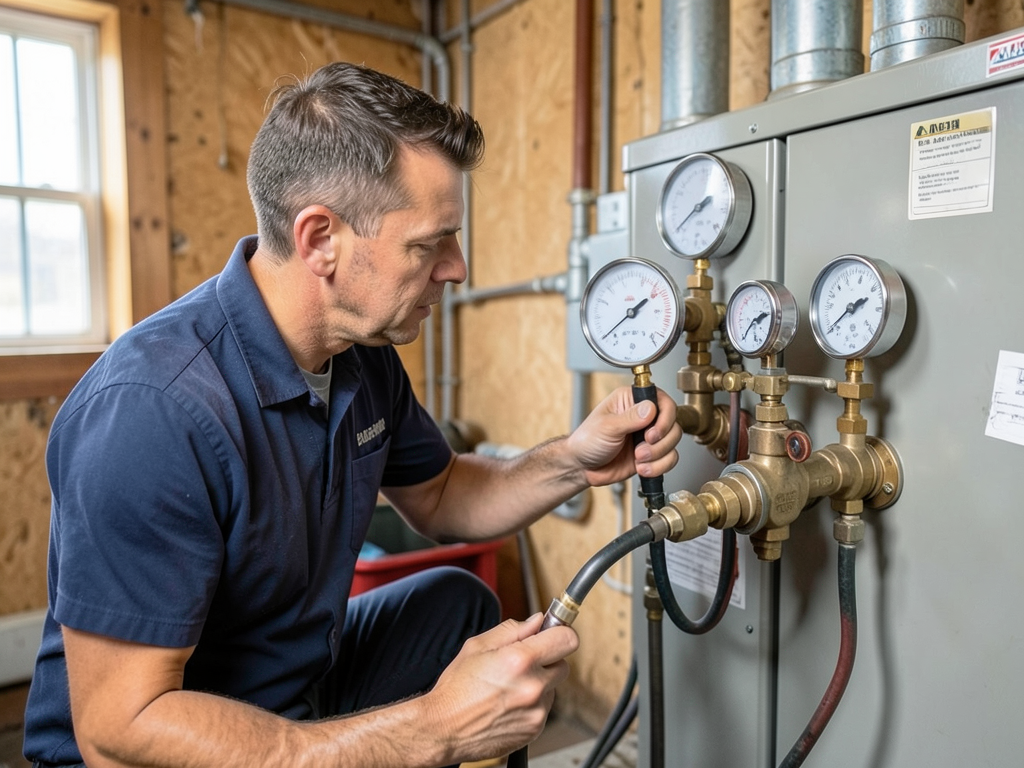
Understanding the root cause helps you decide whether it’s a DIY fix or time to call (628) 201-6600 for professional help. Here are the five most frequent culprits we see in Twin Peaks homes: Professional Commercial HVAC Maintenance for SOMA Office Buildings.
1. Dirty or Failing Thermocouple
The thermocouple is a safety device that senses when the pilot flame is lit. If it’s coated with soot or corroded from Twin Peaks’ salt-air exposure, it won’t generate the millivolt signal needed to keep the gas valve open. You’ll notice the pilot lights but goes out as soon as you release the reset button.
2. Clogged Pilot Orifice
Dust, spider webs, and debris can block the tiny opening where gas flows to the pilot. This creates a weak, flickering flame that wind easily blows out. Twin Peaks homes near the edge of the hillside often experience this more frequently due to increased air movement around the foundation.
3. Draft Issues in Older Chimneys
Many Twin Peaks Victorians have original brick chimneys that develop downdraft problems. When wind hits the hillside at certain angles, it creates negative pressure that pulls air down the chimney, extinguishing the pilot. This is especially common on the western slopes where prevailing winds are strongest.
4. Faulty Gas Control Valve
If the gas valve isn’t maintaining proper pressure or has internal failure, the pilot won’t get consistent gas flow. This requires professional diagnosis with a manometer to test gas pressure against manufacturer specifications.
5. Cracked Heat Exchanger
A more serious issue where cracks in the heat exchanger allow exhaust gases to interfere with the pilot flame. This creates a dangerous situation requiring immediate professional attention and often complete furnace replacement.
DIY Troubleshooting: How to Clean a Dirty Thermocouple
If you’re comfortable with basic tools and want to try cleaning the thermocouple yourself, here’s the process. But if your furnace is over 15 years old or you smell gas at any point, stop and call a professional.
- Turn Off Gas Supply
Locate the gas shut-off valve near your furnace and turn it perpendicular to the gas line. Wait 30 minutes for any residual gas to clear.
- Remove Thermocouple
Using an adjustable wrench, disconnect the thermocouple from both the pilot assembly and gas valve. Note the orientation for reassembly.
- Clean the Probe
Using fine-grit sandpaper (400 grit), gently sand the tip of the thermocouple until it shines. Remove all soot and corrosion. Wipe clean with a lint-free cloth.
- Check Pilot Orifice
While disassembled, inspect the pilot orifice for debris. Use compressed air to blow out any dust or webs.
- Reassemble and Test
Reconnect everything, turn gas back on, and follow your furnace’s relighting instructions. The pilot should burn with a strong blue flame about 1-1.5 inches tall.. Read more about Why Every San Francisco Homeowner Needs a Carbon Monoxide Detector Near Their Furnace.
San Francisco Specific Issues: Wind and Salt Air
Twin Peaks’ elevation and exposure create unique challenges for furnace operation. The area sits at approximately 900 feet above sea level, making it one of the windiest residential zones in San Francisco. Prevailing westerly winds can exceed 25 mph, especially during winter storm systems.
The combination of salt air from the Pacific and frequent fog accelerates corrosion on metal components. Thermocouples in Twin Peaks homes typically fail 2-3 years earlier than those in sheltered areas like the Mission District. The constant moisture also promotes rust on burner assemblies and gas valves.
Many Twin Peaks homes were built between 1900-1930 with original heating systems. These older units often lack modern draft diverters and wind-resistant pilot assemblies found in newer furnaces. The hillside construction also means many homes have exposed crawl spaces where wind can create negative pressure zones affecting furnace operation. Who to Call for 24 Hour Emergency Heating Repair in San Francisco.
When to Call a San Francisco HVAC Professional
Some furnace problems require professional tools, parts, and expertise. Call (628) 201-6600 if you experience any of these situations:
- The pilot won’t stay lit after cleaning the thermocouple
- You smell gas or hear hissing sounds
- The furnace cycles on and off rapidly (short cycling)
- You notice yellow or orange flames instead of blue
- Your energy bills suddenly spike without explanation
- The furnace is over 15-20 years old and showing multiple issues
Professional diagnosis includes testing gas pressure (typically 3.5-5 inches water column for natural gas), checking for proper draft with a draft gauge, and inspecting the heat exchanger with a boroscope for cracks. We also verify compliance with California Title 24 energy efficiency standards and San Francisco building codes.
Schedule a Furnace Inspection in San Francisco
Don’t wait until your furnace completely fails during a cold snap. Annual maintenance prevents 80% of common pilot light issues and extends equipment life by 3-5 years. Our Twin Peaks service area includes homes along Clarendon Avenue, Twin Peaks Boulevard, and the surrounding hillside neighborhoods.
We offer same-day emergency service for heating failures, with most Twin Peaks calls responded to within 2 hours. Our technicians carry common thermocouple and pilot assembly parts on their trucks, allowing most repairs to be completed in a single visit. Fast and Affordable AC Repair Services in Daly City and South San Francisco.
Call (628) 201-6600 today to schedule your furnace inspection. Don’t let another windy night leave you in the cold.
Frequently Asked Questions
How much does it cost to replace a thermocouple in San Francisco?
Thermocouple replacement typically costs $150-250 including parts and labor in the San Francisco area. The part itself costs $20-40, but labor is the primary factor due to the diagnostic time and safety procedures required.
Can I relight my pilot light if it goes out?
Yes, if you follow proper safety procedures. Turn the gas valve to “off” for 5 minutes, then to “pilot.” Hold down the reset button while lighting with a long match or lighter. Continue holding for 30-60 seconds after the pilot lights, then release. If it won’t stay lit, stop and call a professional.
How long should a furnace last in San Francisco’s climate?
Most furnaces last 15-20 years in San Francisco, but coastal exposure can reduce this by 2-3 years. Regular maintenance, including annual cleaning and inspection, can add 3-5 years to your furnace’s lifespan.
What’s the difference between a standing pilot and electronic ignition?
A standing pilot burns continuously while electronic ignition only lights when the furnace calls for heat. Electronic ignition is more energy-efficient and less prone to wind-related outages, which is why most furnaces installed after 2010 use this technology. Quiet and Efficient Furnace Replacement Options for Pacific Heights Residents.
Should I convert from natural gas to electric heating?
California is moving toward electrification, and San Francisco offers rebates for heat pump conversions. However, the decision depends on your home’s electrical capacity, insulation quality, and local climate. Heat pumps work best in the milder coastal areas but may struggle during Twin Peaks’ colder winter nights.
How can I prevent my pilot light from blowing out during storms?
Install a wind guard around the pilot assembly, ensure proper venting with a draft diverter, and consider upgrading to an electronic ignition system. For severe cases, we can install a direct-vent furnace that draws combustion air from outside rather than your home’s interior.
Is it safe to use my furnace if the pilot light keeps going out?
No. A pilot light that won’t stay lit indicates a safety system is activating. Continuing to attempt relighting without fixing the underlying issue could lead to gas buildup or carbon monoxide production. Turn off the gas and call a professional immediately.
What causes a yellow pilot flame instead of blue?
Yellow flames indicate incomplete combustion, often caused by dirt in the pilot assembly, incorrect gas pressure, or a cracked heat exchanger. This is a safety hazard that requires immediate professional attention.
How often should I have my furnace inspected in San Francisco?
Annual inspections are recommended for San Francisco homes, with biannual inspections for coastal and hillside properties like those in Twin Peaks. This prevents emergency breakdowns and ensures your system meets current safety standards.
Can a dirty air filter cause pilot light problems?
Indirectly, yes. A clogged filter restricts airflow, causing the furnace to overheat and shut down. This can sometimes affect the pilot light circuit or gas valve operation. Change your filter every 1-3 months depending on usage and indoor air quality.
What should I do if my carbon monoxide detector goes off?
Evacuate immediately, call 911 from outside, and do not re-enter until emergency responders declare it safe. CO has no odor and can be fatal within minutes. Never ignore a CO alarm, even if your furnace seems to be working normally.
How do I know if my furnace needs replacement vs. repair?
Consider replacement if your furnace is over 15 years old, requires frequent repairs, has a cracked heat exchanger, or if repair costs exceed 40% of replacement cost. New high-efficiency furnaces can reduce heating costs by 30-40% and often qualify for utility rebates.
Remember: working on gas appliances carries serious risks. If you’re unsure about any step or the problem persists after basic troubleshooting, call (628) 201-6600. Our licensed technicians are standing by to keep your Twin Peaks home warm and safe.
Don’t wait for the next cold, windy night to discover your furnace won’t work. Pick up the phone and call (628) 201-6600 before the next storm hits. Your comfort and safety are worth a quick call.
{
“@context”: “https://schema.org”,
“@type”: “BlogPosting”,
“headline”: “Keeping Your Furnace Pilot Light from Blowing Out in Windy Twin Peaks Homes”,
“description”: “Struggling with a furnace pilot light that keeps going out in Twin Peaks? Learn the 5 most common causes and how San Francisco’s wind and microclimates create unique challenges.”,
“wordCount”: 1830,
“datePublished”: “2026-03-29T10:57:00.000Z”,
“dateModified”: “2026-03-29T10:57:00.000Z”,
“inLanguage”: “en-US”,
“mainEntityOfPage”: {
“@type”: “WebPage”,
“@id”: “https://atlashvacsanfrancisco.com”
},
“publisher”: {
“@type”: “LocalBusiness”,
“name”: “Atlas HVAC San Francisco”,
“url”: “https://atlashvacsanfrancisco.com”
},
“author”: {
“@type”: “Organization”,
“name”: “Atlas HVAC San Francisco”,
“url”: “https://atlashvacsanfrancisco.com”
},
“image”: {
“@type”: “ImageObject”,
“url”: “https://atlashvacsanfrancisco.com/wp-content/uploads/2026/03/keeping-your-furnace-pilot-light-from-blowing-out-1.png”
}
}
{
“@context”: “https://schema.org”,
“@type”: “HVACBusiness”,
“name”: “Atlas HVAC San Francisco”,
“url”: “https://atlashvacsanfrancisco.com”,
“address”: {
“@type”: “PostalAddress”,
“addressLocality”: “San Francisco”
},
“areaServed”: {
“@type”: “City”,
“name”: “San Francisco”
}
}
{
“@context”: “https://schema.org”,
“@type”: “FAQPage”,
“mainEntity”: [
{
“@type”: “Question”,
“name”: “How much does it cost to replace a thermocouple in San Francisco?”,
“acceptedAnswer”: {
“@type”: “Answer”,
“text”: “Thermocouple replacement typically costs $150-250 including parts and labor in the San Francisco area. The part itself costs $20-40, but labor is the primary factor due to the diagnostic time and safety procedures required.”
}
},
{
“@type”: “Question”,
“name”: “Can I relight my pilot light if it goes out?”,
“acceptedAnswer”: {
“@type”: “Answer”,
“text”: “Yes, if you follow proper safety procedures. Turn the gas valve to \”off\” for 5 minutes, then to \”pilot.\” Hold down the reset button while lighting with a long match or lighter. Continue holding for 30-60 seconds after the pilot lights, then release. If it won’t stay lit, stop and call a professional.”
}
},
{
“@type”: “Question”,
“name”: “How long should a furnace last in San Francisco’s climate?”,
“acceptedAnswer”: {
“@type”: “Answer”,
“text”: “Most furnaces last 15-20 years in San Francisco, but coastal exposure can reduce this by 2-3 years. Regular maintenance, including annual cleaning and inspection, can add 3-5 years to your furnace’s lifespan.”
}
},
{
“@type”: “Question”,
“name”: “What’s the difference between a standing pilot and electronic ignition?”,
“acceptedAnswer”: {
“@type”: “Answer”,
“text”: “A standing pilot burns continuously while electronic ignition only lights when the furnace calls for heat. Electronic ignition is more energy-efficient and less prone to wind-related outages, which is why most furnaces installed after 2010 use this technology. Quiet and Efficient Furnace Replacement Options for Pacific Heights Residents.”
}
},
{
“@type”: “Question”,
“name”: “Should I convert from natural gas to electric heating?”,
“acceptedAnswer”: {
“@type”: “Answer”,
“text”: “California is moving toward electrification, and San Francisco offers rebates for heat pump conversions. However, the decision depends on your home’s electrical capacity, insulation quality, and local climate. Heat pumps work best in the milder coastal areas but may struggle during Twin Peaks’ colder winter nights.”
}
},
{
“@type”: “Question”,
“name”: “How can I prevent my pilot light from blowing out during storms?”,
“acceptedAnswer”: {
“@type”: “Answer”,
“text”: “Install a wind guard around the pilot assembly, ensure proper venting with a draft diverter, and consider upgrading to an electronic ignition system. For severe cases, we can install a direct-vent furnace that draws combustion air from outside rather than your home’s interior.”
}
},
{
“@type”: “Question”,
“name”: “Is it safe to use my furnace if the pilot light keeps going out?”,
“acceptedAnswer”: {
“@type”: “Answer”,
“text”: “No. A pilot light that won’t stay lit indicates a safety system is activating. Continuing to attempt relighting without fixing the underlying issue could lead to gas buildup or carbon monoxide production. Turn off the gas and call a professional immediately.”
}
},
{
“@type”: “Question”,
“name”: “What causes a yellow pilot flame instead of blue?”,
“acceptedAnswer”: {
“@type”: “Answer”,
“text”: “Yellow flames indicate incomplete combustion, often caused by dirt in the pilot assembly, incorrect gas pressure, or a cracked heat exchanger. This is a safety hazard that requires immediate professional attention.”
}
},
{
“@type”: “Question”,
“name”: “How often should I have my furnace inspected in San Francisco?”,
“acceptedAnswer”: {
“@type”: “Answer”,
“text”: “Annual inspections are recommended for San Francisco homes, with biannual inspections for coastal and hillside properties like those in Twin Peaks. This prevents emergency breakdowns and ensures your system meets current safety standards.”
}
},
{
“@type”: “Question”,
“name”: “Can a dirty air filter cause pilot light problems?”,
“acceptedAnswer”: {
“@type”: “Answer”,
“text”: “Indirectly, yes. A clogged filter restricts airflow, causing the furnace to overheat and shut down. This can sometimes affect the pilot light circuit or gas valve operation. Change your filter every 1-3 months depending on usage and indoor air quality.”
}
},
{
“@type”: “Question”,
“name”: “What should I do if my carbon monoxide detector goes off?”,
“acceptedAnswer”: {
“@type”: “Answer”,
“text”: “Evacuate immediately, call 911 from outside, and do not re-enter until emergency responders declare it safe. CO has no odor and can be fatal within minutes. Never ignore a CO alarm, even if your furnace seems to be working normally.”
}
},
{
“@type”: “Question”,
“name”: “How do I know if my furnace needs replacement vs. repair?”,
“acceptedAnswer”: {
“@type”: “Answer”,
“text”: “Consider replacement if your furnace is over 15 years old, requires frequent repairs, has a cracked heat exchanger, or if repair costs exceed 40% of replacement cost. New high-efficiency furnaces can reduce heating costs by 30-40% and often qualify for utility rebates.”
}
}
]
}
{
“@context”: “https://schema.org”,
“@type”: “HowTo”,
“name”: “How to Clean a Thermocouple”,
“step”: [
{
“@type”: “HowToStep”,
“position”: 1,
“name”: “Turn Off Gas Supply”,
“text”: “Locate the gas shut-off valve near your furnace and turn it perpendicular to the gas line. Wait 30 minutes for any residual gas to clear.”
},
{
“@type”: “HowToStep”,
“position”: 2,
“name”: “Remove Thermocouple”,
“text”: “Using an adjustable wrench, disconnect the thermocouple from both the pilot assembly and gas valve. Note the orientation for reassembly.”
},
{
“@type”: “HowToStep”,
“position”: 3,
“name”: “Clean the Probe”,
“text”: “Using fine-grit sandpaper (400 grit), gently sand the tip of the thermocouple until it shines. Remove all soot and corrosion. Wipe clean with a lint-free cloth.”
},
{
“@type”: “HowToStep”,
“position”: 4,
“name”: “Check Pilot Orifice”,
“text”: “While disassembled, inspect the pilot orifice for debris. Use compressed air to blow out any dust or webs.”
},
{
“@type”: “HowToStep”,
“position”: 5,
“name”: “Reassemble and Test”,
“text”: “Reconnect everything, turn gas back on, and follow your furnace’s relighting instructions. The pilot should burn with a strong blue flame about 1-1.5 inches tall.”
}
],
“image”: “https://atlashvacsanfrancisco.com/wp-content/uploads/2026/03/keeping-your-furnace-pilot-light-from-blowing-out-1.png”
}
{
“@context”: “https://schema.org”,
“@type”: “BreadcrumbList”,
“itemListElement”: [
{
“@type”: “ListItem”,
“position”: 1,
“name”: “Home”,
“item”: “https://atlashvacsanfrancisco.com”
},
{
“@type”: “ListItem”,
“position”: 2,
“name”: “Blog”,
“item”: “https://atlashvacsanfrancisco.com/blog”
},
{
“@type”: “ListItem”,
“position”: 3,
“name”: “Keeping Your Furnace Pilot Light from Blowing Out in Windy Twin Peaks Homes”
}
]
}
{
“@context”: “https://schema.org”,
“@type”: “Service”,
“serviceType”: “HVAC”,
“provider”: {
“@type”: “LocalBusiness”,
“name”: “Atlas HVAC San Francisco”,
“url”: “https://atlashvacsanfrancisco.com”
},
“areaServed”: {
“@type”: “City”,
“name”: “San Francisco”
},
“description”: “Struggling with a furnace pilot light that keeps going out in Twin Peaks? Learn the 5 most common causes and how San Francisco’s wind and microclimates create unique challenges.”
}