
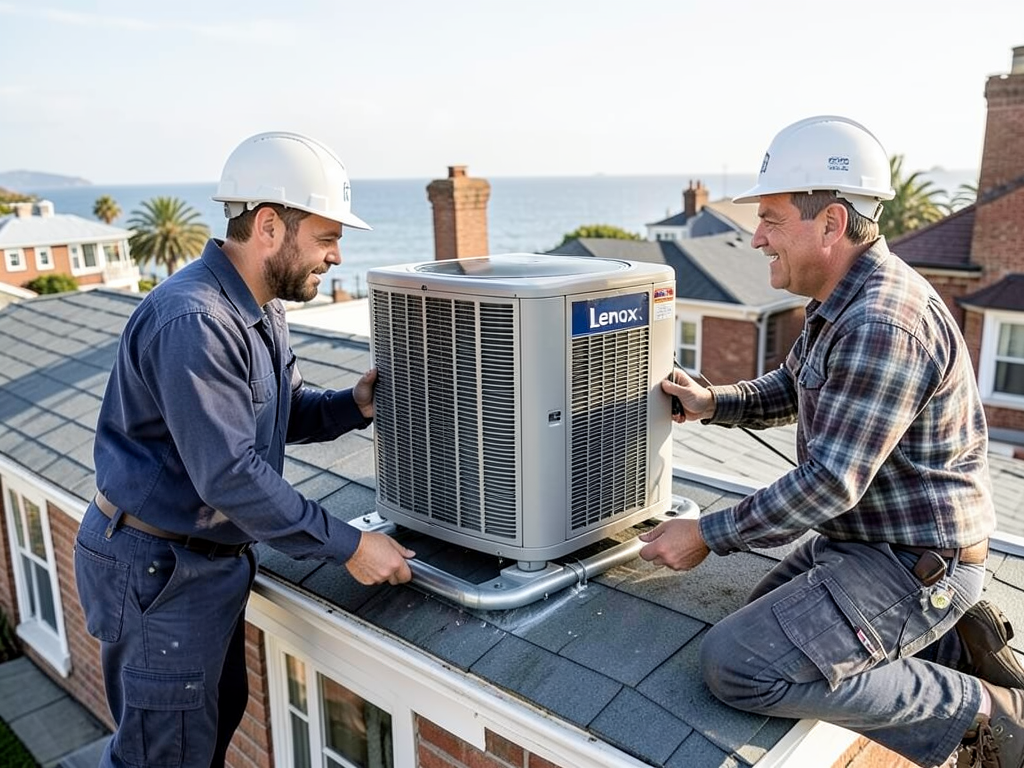
Lennox vs Carrier (The Best Heat Pump Brands for San Francisco Homes)
San Francisco homeowners face unique challenges when choosing a heat pump. The city’s microclimates range from the foggy Sunset District to the sun-baked Mission, and coastal salt air can eat through outdoor coils in just a few seasons. In 2026, the decision between Lennox and Carrier isn’t just about efficiency—it’s about finding a system that survives the marine layer, qualifies for BayREN rebates, and keeps your home comfortable year-round. BayREN rebate programs.
Heat pumps have become the go-to heating and cooling solution for Bay Area homes, especially with California’s push toward electrification. Both Lennox and Carrier offer premium inverter-driven systems, but their strengths differ when it comes to San Francisco’s specific needs. Lennox often leads in ultra-high efficiency and quiet operation, while Carrier excels in coastal durability and parts availability. Let’s break down which brand actually makes sense for your San Francisco home. The Best Way to Install Heat Pumps in Historic San Francisco Victorians.
Brand Overviews: Innovation Meets Reliability
Lennox positions itself as the technology leader with its Signature Series, particularly the XP25 model. This unit uses Precise Comfort technology to adjust heating and cooling in 1% increments, which matters in San Francisco’s mild but variable climate. The inverter-driven compressor can maintain exact temperatures without the noisy on-off cycling of older units. Lennox also offers some of the quietest outdoor units on the market—critical for San Francisco’s zero-lot-line properties where condensers sit just feet from bedroom windows. Quiet and Efficient Furnace Replacement Options for Pacific Heights Residents.
Carrier takes a different approach with its Infinity Series and Greenspeed Intelligence. The Carrier 24ANV is built with a focus on reliability and serviceability. In coastal areas, the aluminum coil construction resists the pitting that copper coils often suffer from in salt-air environments. Carrier’s nationwide distribution network means faster parts delivery in the Bay Area, which translates to shorter repair times when something does go wrong. Fast and Affordable AC Repair Services in Daly City and South San Francisco.
The fundamental difference comes down to philosophy. Lennox pushes the efficiency envelope with SEER2 ratings up to 23 and HSPF2 ratings up to 10.2. Carrier focuses on proven technology that balances efficiency with longevity in harsh coastal conditions.
Side-by-Side Technical Comparison
| Feature | Lennox XP25 | Carrier Infinity 24ANV |
|---|---|---|
| SEER2 Rating | 23 | 22.5 |
| HSPF2 Rating | 10.2 | 10 |
| Sound Level (dB) | 58 | 62 |
| Compressor Type | Variable-speed inverter | Greenspeed inverter |
| Coil Material | Copper with tin plating | Aluminum |
| Best For | Maximum efficiency, quiet operation | Coastal durability, quick service |
The efficiency gap between these units is real but narrowing. Both exceed California Title 24 requirements for 2026, which mandate minimum SEER2 of 15 and HSPF2 of 7.7 for heat pumps. The real-world difference shows up in utility bills and comfort levels.
Sound levels matter more in San Francisco than in suburban areas. At 58 decibels, the Lennox XP25 operates quieter than a normal conversation. The Carrier unit at 62 decibels is still relatively quiet but might be noticeable in a bedroom window scenario. This 4-decibel difference represents a 60% reduction in perceived loudness.. Read more about Pairing Your San Francisco Solar Panels with a High Efficiency Heat Pump.
San Francisco Specific Financials
Installation costs in the Bay Area run significantly higher than national averages due to labor rates, permit fees, and the complexity of retrofitting older homes. A Lennox XP25 installation typically costs between $12,000 and $16,000, while a Carrier Infinity 24ANV ranges from $11,000 to $15,000. These prices include the outdoor unit, indoor air handler, new line sets, electrical upgrades if needed, and city permits.
BayREN (Bay Area Regional Energy Network) offers rebates up to $1,500 for qualifying heat pump installations. The California Energy Smart Homes program provides additional incentives, and federal tax credits through 2032 cover 30% of equipment costs up to $2,000 under the Energy Efficient Home Improvement Credit (25C). PG&E also offers occasional rebates that can add another $300 to $500. Energy Department heat pump guide.
Operating costs depend heavily on your home’s insulation and the specific microclimate. In the foggy Sunset District, a heat pump might run 1,500 hours per year for heating. In the warmer Mission District, cooling season adds another 300-400 hours. At current PG&E rates averaging $0.32 per kilowatt-hour, annual operating costs range from $450 to $750 for most single-family homes. Who to Call for 24 Hour Emergency Heating Repair in San Francisco.
Maintenance and Longevity in Coastal Air
Coastal corrosion is the silent killer of HVAC equipment in San Francisco. The combination of salt air, high humidity, and temperature fluctuations creates perfect conditions for coil degradation. Lennox uses copper coils with tin plating, which provides good initial protection but can deteriorate over 7-10 years in beachfront properties. Carrier’s aluminum coils resist pitting better but can be more susceptible to formicary corrosion in areas with poor indoor air quality.
Regular maintenance becomes critical in coastal environments. Technicians should clean coils with specialized coil cleaners designed for marine environments every 18-24 months. The condensate drain lines in San Francisco’s high-humidity areas need more frequent cleaning to prevent algae growth. A properly maintained unit should last 15-20 years, but neglect can cut that lifespan in half.
Warranty support differs significantly between brands. Lennox offers a 12-year warranty on compressors and covered components when installed by a certified dealer. Carrier provides similar coverage but with a larger network of certified technicians throughout the Bay Area. Parts availability often determines how quickly repairs happen—Carrier’s broader distribution network typically means same-day or next-day part availability in San Francisco.
Heat Pump Performance in San Francisco’s Microclimates
San Francisco’s temperature rarely drops below 45°F, which actually benefits heat pump efficiency. Both Lennox and Carrier units maintain their rated efficiency down to about 35°F, but they rarely need to work that hard in most San Francisco neighborhoods. The real challenge comes from humidity and the marine layer.
In the Sunset District and along the Great Highway, morning fog can saturate outdoor coils with moisture. This affects defrost cycles and can temporarily reduce efficiency. Lennox’s Precise Comfort technology handles these conditions better by making smaller, more frequent adjustments rather than the larger swings that can stress the system. Carrier’s robust defrost controls prevent ice buildup but may use slightly more energy during foggy conditions.
The Mission District and Potrero Hill experience more temperature variation and occasional heat waves. During these periods, the ability to provide cooling becomes as important as heating. Both brands offer cooling capacities that handle San Francisco’s rare but intense heat events, though Lennox’s higher SEER2 rating provides a slight edge in extreme conditions.
Noise ordinances in San Francisco limit outdoor unit sound levels to 70 decibels at the property line. Both units comply easily, but the difference between 58 and 62 decibels becomes noticeable in zero-lot-line situations common in neighborhoods like Noe Valley and the Castro.
Installation Considerations for San Francisco Homes
San Francisco’s building codes require specific considerations for heat pump installations. The San Francisco Department of Building Inspection mandates seismic anchoring for all outdoor units, even on ground-level pads. Units installed on rooftops need additional wind loading calculations and specialized mounting hardware.
Historic districts like those in Pacific Heights and the Haight require additional approvals for any exterior modifications. The visual impact of outdoor units must be minimized, often requiring screening or strategic placement. Some Victorian homes need electrical panel upgrades to handle the 240-volt circuits heat pumps require.
Permitting typically takes 2-4 weeks in San Francisco, longer if the installation involves structural modifications. The city’s aggressive electrification goals mean heat pump permits are prioritized, but historic preservation reviews can add delays. Working with a contractor familiar with San Francisco’s specific requirements prevents costly mistakes and rework.
Space constraints in San Francisco homes often dictate equipment choices. Many Victorians and Edwardians have limited attic or closet space for air handlers. Some installations require creative solutions like ceiling-mounted units or compact ductless mini-splits for specific rooms.
Making the Right Choice for Your Home
The decision between Lennox and Carrier ultimately depends on your specific situation. Choose Lennox if you prioritize maximum efficiency, quietest operation, and cutting-edge technology. The XP25’s ability to maintain exact temperatures makes it ideal for homes where comfort is paramount and the budget allows for premium equipment.
Choose Carrier if you want proven reliability, better coastal durability, and the fastest possible service response. The Infinity 24ANV’s aluminum coils and extensive service network make it the safer choice for homes within a few blocks of the ocean or bay.
Consider your home’s age and construction. Older homes with poor insulation benefit more from efficiency gains, making Lennox’s higher SEER2 rating more valuable. Newer construction with good insulation might see minimal difference in operating costs between the two brands.
Your tolerance for potential service disruptions matters too. If you need absolute reliability and minimal downtime, Carrier’s parts availability and technician network provide peace of mind. If you’re comfortable with scheduled maintenance and don’t mind waiting a day or two for parts, Lennox offers better efficiency and comfort.
Both brands offer excellent warranties and performance when properly installed. The key is matching the right features to your home’s specific needs and your personal priorities. A professional load calculation and site assessment will reveal which system truly fits your situation. Professional Commercial HVAC Maintenance for SOMA Office Buildings.
Frequently Asked Questions
Which heat pump brand is more energy efficient for San Francisco homes?
Lennox typically offers slightly higher efficiency ratings with SEER2 up to 23 and HSPF2 up to 10.2. However, both brands exceed California’s Title 24 requirements, and the real-world efficiency difference in San Francisco’s mild climate is often less than 5% on annual utility bills.
How do coastal conditions affect heat pump longevity?
San Francisco’s salt air and humidity can corrode outdoor coils within 7-10 years without proper maintenance. Carrier’s aluminum coils resist pitting better than Lennox’s copper coils in coastal environments, though both require regular cleaning with marine-grade coil cleaners to maximize lifespan.
Are there specific rebates for heat pump installations in San Francisco?
Yes. BayREN offers up to $1,500 in rebates, and federal tax credits cover 30% of equipment costs up to $2,000 through 2032. PG&E occasionally offers additional rebates of $300 to $500. These incentives significantly reduce the net installation cost.
How long does a heat pump installation take in San Francisco?
Installation typically requires 1-2 days for the physical work. Permitting through the San Francisco Department of Building Inspection adds 2-4 weeks, though the city prioritizes heat pump permits due to electrification goals. Historic district approvals can extend this timeline.
Can heat pumps provide enough heating for San Francisco’s coldest days?
Absolutely. San Francisco’s winter temperatures rarely drop below 45°F, well within the efficient operating range of modern heat pumps. Both Lennox and Carrier units maintain their rated efficiency down to about 35°F, providing more than adequate heating for even the coldest San Francisco mornings.
Call (628) 201-6600 Today for Your Heat Pump Consultation
Ready to upgrade your home’s heating and cooling system? Call (628) 201-6600 today to schedule a professional assessment. Our technicians understand San Francisco’s unique climate challenges and can recommend the perfect Lennox or Carrier system for your specific needs. Don’t wait until your old system fails—plan your upgrade now and take advantage of current rebates while they last.
Pick up the phone and call (628) 201-6600 before the next heat wave or cold snap hits. We’ll help you choose between Lennox and Carrier based on your home’s layout, your budget, and your comfort priorities. Serving all San Francisco neighborhoods with fast, professional installation and service.
{
“@context”: “https://schema.org”,
“@type”: “BlogPosting”,
“headline”: “Lennox vs Carrier (The Best Heat Pump Brands for San Francisco Homes)”,
“description”: “Comparing Lennox vs Carrier heat pumps for San Francisco homes. Find out which brand handles coastal humidity, meets SF codes, and qualifies for local rebates.”,
“wordCount”: 1923,
“datePublished”: “2026-06-04T08:18:00.000Z”,
“dateModified”: “2026-06-04T08:18:00.000Z”,
“inLanguage”: “en-US”,
“mainEntityOfPage”: {
“@type”: “WebPage”,
“@id”: “https://atlashvacsanfrancisco.com”
},
“publisher”: {
“@type”: “LocalBusiness”,
“name”: “Atlas HVAC San Francisco”,
“url”: “https://atlashvacsanfrancisco.com”
},
“author”: {
“@type”: “Organization”,
“name”: “Atlas HVAC San Francisco”,
“url”: “https://atlashvacsanfrancisco.com”
},
“image”: {
“@type”: “ImageObject”,
“url”: “https://atlashvacsanfrancisco.com/wp-content/uploads/2026/03/lennox-vs-carrier-the-best-heat-pump-brands-for-sa-1.png”
}
}
{
“@context”: “https://schema.org”,
“@type”: “HVACBusiness”,
“name”: “Atlas HVAC San Francisco”,
“url”: “https://atlashvacsanfrancisco.com”,
“address”: {
“@type”: “PostalAddress”,
“addressLocality”: “San Francisco”
},
“areaServed”: {
“@type”: “City”,
“name”: “San Francisco”
}
}
{
“@context”: “https://schema.org”,
“@type”: “FAQPage”,
“mainEntity”: [
{
“@type”: “Question”,
“name”: “Which heat pump brand is more energy efficient for San Francisco homes?”,
“acceptedAnswer”: {
“@type”: “Answer”,
“text”: “Lennox typically offers slightly higher efficiency ratings with SEER2 up to 23 and HSPF2 up to 10.2. However, both brands exceed California’s Title 24 requirements, and the real-world efficiency difference in San Francisco’s mild climate is often less than 5% on annual utility bills.”
}
},
{
“@type”: “Question”,
“name”: “How do coastal conditions affect heat pump longevity?”,
“acceptedAnswer”: {
“@type”: “Answer”,
“text”: “San Francisco’s salt air and humidity can corrode outdoor coils within 7-10 years without proper maintenance. Carrier’s aluminum coils resist pitting better than Lennox’s copper coils in coastal environments, though both require regular cleaning with marine-grade coil cleaners to maximize lifespan.”
}
},
{
“@type”: “Question”,
“name”: “Are there specific rebates for heat pump installations in San Francisco?”,
“acceptedAnswer”: {
“@type”: “Answer”,
“text”: “Yes. BayREN offers up to $1,500 in rebates, and federal tax credits cover 30% of equipment costs up to $2,000 through 2032. PG&E occasionally offers additional rebates of $300 to $500. These incentives significantly reduce the net installation cost.”
}
},
{
“@type”: “Question”,
“name”: “How long does a heat pump installation take in San Francisco?”,
“acceptedAnswer”: {
“@type”: “Answer”,
“text”: “Installation typically requires 1-2 days for the physical work. Permitting through the San Francisco Department of Building Inspection adds 2-4 weeks, though the city prioritizes heat pump permits due to electrification goals. Historic district approvals can extend this timeline.”
}
},
{
“@type”: “Question”,
“name”: “Can heat pumps provide enough heating for San Francisco’s coldest days?”,
“acceptedAnswer”: {
“@type”: “Answer”,
“text”: “Absolutely. San Francisco’s winter temperatures rarely drop below 45°F, well within the efficient operating range of modern heat pumps. Both Lennox and Carrier units maintain their rated efficiency down to about 35°F, providing more than adequate heating for even the coldest San Francisco mornings.”
}
}
]
}
{
“@context”: “https://schema.org”,
“@type”: “BreadcrumbList”,
“itemListElement”: [
{
“@type”: “ListItem”,
“position”: 1,
“name”: “Home”,
“item”: “https://atlashvacsanfrancisco.com”
},
{
“@type”: “ListItem”,
“position”: 2,
“name”: “Blog”,
“item”: “https://atlashvacsanfrancisco.com/blog”
},
{
“@type”: “ListItem”,
“position”: 3,
“name”: “Lennox vs Carrier (The Best Heat Pump Brands for San Francisco Homes)”
}
]
}
{
“@context”: “https://schema.org”,
“@type”: “Service”,
“serviceType”: “HVAC”,
“provider”: {
“@type”: “LocalBusiness”,
“name”: “Atlas HVAC San Francisco”,
“url”: “https://atlashvacsanfrancisco.com”
},
“areaServed”: {
“@type”: “City”,
“name”: “San Francisco”
},
“description”: “Comparing Lennox vs Carrier heat pumps for San Francisco homes. Find out which brand handles coastal humidity, meets SF codes, and qualifies for local rebates.”
}