
Moving Toward an All-Electric Home with San Francisco Green Energy Rules
San Francisco homeowners face a critical transition as the city pushes toward decarbonization through strict electrification mandates. The shift from gas furnaces and water heaters to high-efficiency electric heat pumps represents both an environmental imperative and a complex technical challenge for properties across the Bay Area’s unique microclimates. San Francisco Environment Department.
The city’s building electrification requirements affect every homeowner planning HVAC upgrades. Current regulations mandate electric heat pumps for new construction and strongly encourage retrofits in existing buildings. Property owners must navigate specific San Francisco Department of Building Inspection (DBI) permit requirements, PG&E electrical infrastructure limitations, and evolving rebate programs designed to offset conversion costs. The Best Way to Install Heat Pumps in Historic San Francisco Victorians.
Heat pump technology has advanced significantly, making these systems viable for San Francisco’s coastal conditions. Modern cold-climate heat pumps maintain efficiency even during the city’s occasional cold snaps and foggy periods. The systems provide both heating and cooling through a single unit, eliminating the need for separate air conditioning systems in most cases. Who to Call for 24 Hour Emergency Heating Repair in San Francisco.
Financial incentives through BayREN Home+ and TECH Clean California programs can reduce installation costs by thousands of dollars. Federal tax credits through the Inflation Reduction Act provide additional savings for qualifying equipment. However, homeowners must understand specific eligibility requirements and application deadlines to maximize benefits. BayREN Home+ Rebates.
The electrical infrastructure in many San Francisco homes requires upgrades to support heat pump systems. Most properties need 200-amp service panels to handle the additional electrical load. Older homes with knob-and-tube wiring or undersized service face more extensive and costly electrical work before heat pump installation can proceed.. Read more about The Secret to Lower Electric Bills in San Francisco with Inverter Technology.
San Francisco’s noise ordinances affect outdoor unit placement for heat pump systems. Condensers must meet specific decibel requirements and maintain minimum distances from property lines. The city’s dense urban environment requires careful planning to avoid neighbor complaints and permit violations.
Professional HVAC contractors with San Francisco-specific experience understand these challenges. They know how to work with the city’s historic building stock, navigate the DBI permitting process, and select equipment that performs reliably in coastal conditions. Atlas HVAC San Francisco provides comprehensive heat pump installation services throughout the city, from the Sunset District to the Marina. Professional Commercial HVAC Maintenance for SOMA Office Buildings.
Understanding SF’s Move to All-Electric HVAC
San Francisco’s electrification journey began with the Climate Action Plan, which mandates carbon neutrality by 2040. The city prohibits natural gas infrastructure in new construction and phases out gas appliances in existing buildings through updated building codes and incentive programs.
Current regulations require heat pumps for all new HVAC installations. The San Francisco Department of Building Inspection enforces these rules through the permitting process. Homeowners replacing gas furnaces must install electric heat pumps or face permit denial.
The transition timeline varies by neighborhood. Areas with older housing stock, like the Richmond and Sunset Districts, face more extensive retrofitting challenges. Victorian homes in Pacific Heights require specialized installation approaches due to their historic status and construction methods.
PG&E’s electrical grid capacity affects conversion feasibility. Some neighborhoods experience voltage drop issues that limit heat pump size options. Professional load calculations determine whether existing electrical service can support new equipment or if panel upgrades become necessary.
Building code compliance extends beyond equipment selection. Heat pump installations must meet Title 24 energy efficiency standards, seismic anchoring requirements, and specific venting regulations. The city’s strict enforcement means DIY installations or work by unlicensed contractors often results in failed inspections.
Commercial properties face additional requirements. Office buildings in the Financial District must comply with both city regulations and corporate sustainability goals. Multi-family buildings need systems that balance individual unit control with centralized efficiency.
Understanding these requirements helps homeowners plan realistic conversion timelines. The process typically takes 4-6 weeks from initial consultation to final inspection, longer for properties requiring electrical upgrades or historic preservation approvals.
The Benefits of Heat Pumps in the SF Microclimate
Heat pumps provide reliable heating and cooling for San Francisco’s unique weather patterns. The systems extract heat from outdoor air even in cool conditions, making them effective year-round in the Bay Area’s mild climate.
Modern heat pumps operate efficiently in temperatures as low as 5°F, well below San Francisco’s typical winter lows. The technology uses variable-speed compressors that adjust output based on demand, reducing energy consumption compared to traditional furnaces that cycle on and off. Quiet and Efficient Furnace Replacement Options for Pacific Heights Residents.
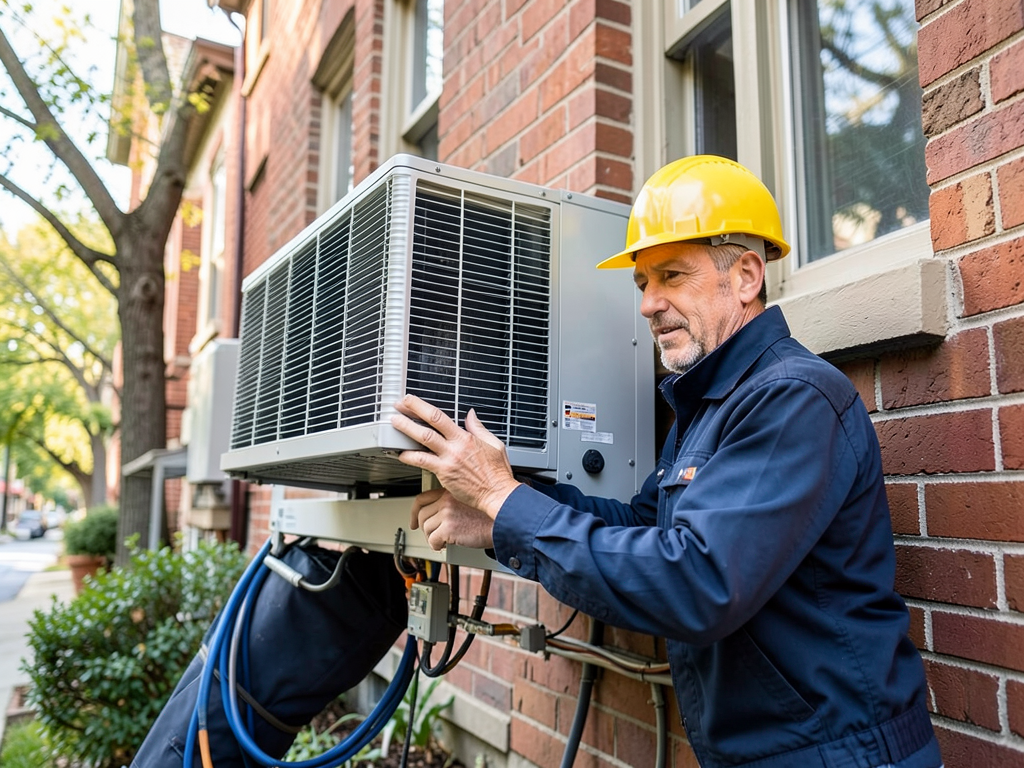
Coastal salt air and fog create specific challenges for HVAC equipment. Heat pumps with corrosion-resistant coatings and proper mounting protect against premature failure. Professional installation includes elevated mounting pads and protective covers for outdoor units.
The city’s temperature variations between neighborhoods affect system sizing. Properties in the warmer Mission District need different capacity than homes in the cooler Sunset. Professional load calculations account for these microclimatic differences.
Heat pumps provide dehumidification benefits during San Francisco’s foggy periods. The systems remove moisture from indoor air, improving comfort and reducing mold growth risks in the city’s humid conditions.
Variable Refrigerant Flow (VRF) systems offer advanced zoning capabilities for larger homes. These systems allow different temperature settings in various rooms, ideal for San Francisco’s multi-level Victorians and Edwardian homes.
Energy efficiency translates to lower utility bills. Heat pumps typically achieve 300-400% efficiency compared to 80-95% for gas furnaces. PG&E’s E-ELEC rate plan provides additional savings for all-electric homes.
Indoor air quality improves with heat pump systems. The continuous air filtration removes urban pollutants, pollen, and wildfire smoke particles common in the Bay Area. This benefit particularly matters for families with respiratory conditions.
San Francisco Rebates & Financial Incentives
BayREN Home+ offers rebates up to $5,000 for heat pump installations in existing homes. The program covers both air source heat pumps and heat pump water heaters. Applications require proof of existing gas equipment and professional installation.
TECH Clean California provides additional incentives for heat pump conversions. The program focuses on reducing greenhouse gas emissions through equipment replacement. Homeowners can combine TECH incentives with BayREN rebates for maximum savings.
Federal tax credits through the Inflation Reduction Act cover 30% of heat pump installation costs, up to $2,000. The credits apply to both equipment and installation labor. Homeowners must file IRS Form 5695 to claim the credit.
PG&E offers instant rebates at participating contractors for qualifying heat pump systems. These rebates range from $300 to $1,000 depending on equipment efficiency ratings. The instant rebate reduces upfront costs without requiring separate applications.
San Francisco’s Property Assessed Clean Energy (PACE) financing allows homeowners to finance heat pump installations through property tax assessments. The program offers 10-20 year terms with fixed interest rates. No credit score requirements make PACE accessible to more homeowners.
Low-income residents qualify for enhanced incentives through the California Alternate Rates for Energy (CARE) program. These incentives can cover up to 100% of heat pump installation costs for qualifying households.
Time-of-use rate optimization affects heat pump operating costs. Running heat pumps during off-peak hours reduces electricity expenses. Professional contractors program systems to maximize savings based on PG&E rate schedules.
Equipment selection impacts rebate eligibility. Systems must meet specific SEER2 and HSPF2 efficiency ratings to qualify for incentives. Professional contractors understand these requirements and recommend qualifying equipment.
Application processes vary by program. Some require pre-approval before installation, while others process rebates after completion. Professional contractors handle paperwork to ensure homeowners receive maximum available incentives.
The SF Permitting Process for HVAC Electrification
San Francisco’s permitting process requires detailed plans and professional certification. The Department of Building Inspection reviews applications for code compliance, structural impact, and energy efficiency before issuing permits.
Electrical panel upgrades trigger separate permits from HVAC work. The city requires load calculations showing existing service can support new equipment. Homes with 100-amp service typically need upgrades to 200-amp panels for heat pump installations.
Historic preservation requirements affect properties in designated districts. Victorian and Edwardian homes in Pacific Heights and the Haight require additional approvals from the Historic Preservation Commission. Exterior modifications must maintain architectural integrity.
Noise ordinances limit outdoor unit placement. Condensers must maintain minimum distances from property lines and meet decibel requirements. The city uses specific testing procedures to verify compliance before final approval.
Seismic anchoring requirements affect equipment mounting. Heat pumps must attach to structures that can withstand earthquake forces. Professional installers use specific hardware and techniques approved by the city.
Ventilation requirements extend beyond equipment specifications. The city mandates minimum fresh air exchange rates and specific duct sealing standards. Professional contractors use specialized testing equipment to verify compliance.
Inspection scheduling affects project timelines. The city requires multiple inspections during installation, including rough electrical, mechanical, and final inspections. Weather delays and inspector availability can extend project duration by weeks.
Contractor licensing affects permit approval. Only C-20 licensed HVAC contractors can pull permits for heat pump installations. The city verifies license status and insurance coverage before processing applications.
Permit fees vary by project scope. Simple heat pump replacements cost $300-500 in fees, while projects requiring electrical upgrades can exceed $1,000. These costs are separate from installation expenses.
Post-installation documentation requirements include equipment manuals, warranty information, and compliance certificates. Professional contractors provide complete documentation packages to satisfy final inspection requirements.

Our SF Project Gallery
Atlas HVAC San Francisco has completed hundreds of heat pump installations throughout the city. Each project demonstrates our expertise in handling San Francisco’s unique building stock and regulatory requirements.
A recent Sunset District project involved converting a 1920s bungalow from gas furnace to heat pump. The home’s original knob-and-tube wiring required complete electrical system replacement before heat pump installation could proceed. The project took six weeks total, including electrical upgrades and historic district approvals.
In the Marina, we installed a VRF system in a 1940s apartment building. The project required navigating both city permitting and HOA approval processes. The system provides individual unit control while maintaining centralized efficiency, reducing overall energy consumption by 40%.
A Pacific Heights Victorian presented unique challenges due to its historic status. We worked with the Historic Preservation Commission to ensure exterior condenser placement maintained the home’s architectural character. The project included specialized vibration isolation to protect the home’s original plaster walls.
Daly City homeowners benefit from our expertise in hillside properties. One project required custom mounting solutions to address soil stability concerns on a steep lot. The heat pump system included enhanced seismic bracing to meet both city and homeowner association requirements.
Commercial projects demonstrate our capability with larger systems. A South of Market office building conversion required replacing a 20-ton gas boiler with multiple heat pump units. The project involved coordinating with PG&E to upgrade building electrical service while maintaining tenant operations.
Each project includes comprehensive testing and commissioning. We verify system performance, measure airflow, and confirm noise levels before final acceptance. This thorough approach prevents post-installation issues and ensures customer satisfaction.
Our technicians receive ongoing training in heat pump technology and San Francisco building codes. This expertise allows us to handle complex installations that other contractors might avoid. We understand how to work within the city’s constraints while delivering reliable, efficient systems.
Customer testimonials highlight our attention to detail and code compliance. Homeowners appreciate our ability to navigate the permitting process and our transparent communication about project timelines and requirements.
Heat Pump Selection for San Francisco Homes
Equipment selection requires understanding San Francisco’s specific conditions. Coastal salt air, fog, and temperature variations affect heat pump performance and longevity. Professional contractors recommend systems with enhanced corrosion protection and cold-weather capabilities.
Mitsubishi Hyper-Heat systems perform exceptionally well in San Francisco’s climate. These units maintain efficiency in temperatures as low as -13°F, providing reliable heating even during cold snaps. The systems include advanced filtration that captures urban pollutants and wildfire smoke particles.
Ductless mini-split systems offer advantages for San Francisco’s older homes. These systems avoid extensive ductwork modifications in historic properties. Each indoor unit operates independently, allowing customized temperature control throughout the home.
Ducted systems work well for homes with existing ductwork. Modern variable-speed air handlers provide superior comfort compared to older furnace systems. The systems integrate seamlessly with existing thermostats and zoning controls.
Heat pump water heaters complement space heating systems. These units extract heat from ambient air to heat water, providing additional energy savings. Professional contractors often recommend combined systems for maximum efficiency.
Noise considerations affect equipment selection. Some heat pumps operate at lower decibel levels than others. Professional contractors consider both outdoor noise impact and indoor sound levels when recommending systems.
Warranty coverage varies by manufacturer and contractor. Professional installation ensures warranty validity and provides access to extended coverage options. Atlas HVAC offers comprehensive warranty packages that cover both parts and labor.
Smart thermostat integration enhances heat pump performance. Modern systems work with Wi-Fi enabled controls that optimize operation based on occupancy patterns and weather forecasts. Professional contractors program these systems for maximum efficiency.
Future technology compatibility affects equipment selection. Heat pumps with open protocols work with emerging smart home systems and energy management platforms. Professional contractors recommend forward-compatible equipment to protect homeowner investments.
Professional load calculations determine appropriate system sizing. Oversized units short cycle, reducing efficiency and comfort. Undersized systems struggle to maintain temperatures. Professional contractors use Manual J calculations to ensure proper sizing.
Cost Considerations and ROI Analysis
Heat pump installation costs vary based on home characteristics and system complexity. Basic replacements in homes with existing electrical capacity cost $8,000-12,000. Projects requiring electrical upgrades or historic preservation compliance can exceed $20,000.
Energy savings offset installation costs over time. Heat pumps typically reduce heating costs by 30-50% compared to gas furnaces. The exact savings depend on home insulation, local utility rates, and system efficiency.
PG&E’s E-ELEC rate plan provides additional savings for all-electric homes. The plan offers lower rates for electricity used during off-peak hours. Professional contractors program heat pumps to maximize operation during these periods.
Increased home value represents another return on investment. Energy-efficient heat pump systems appeal to environmentally conscious buyers. Studies show heat pump installations can increase home resale values by 3-5%.
Maintenance costs affect long-term ownership expenses. Heat pumps require annual professional maintenance to maintain efficiency and warranty coverage. Professional contractors offer maintenance plans that include priority service and discounted repairs. Fast and Affordable AC Repair Services in Daly City and South San Francisco.
Insurance considerations affect total cost of ownership. Some insurance companies offer premium discounts for homes with modern, efficient HVAC systems. Professional contractors can provide documentation for insurance purposes.
Financing options affect project affordability. Property Assessed Clean Energy (PACE) financing allows homeowners to spread costs over 10-20 years. The low monthly payments often cost less than energy savings achieved.
Utility rate trends impact long-term savings projections. PG&E’s shift toward time-of-use rates affects heat pump operating costs. Professional contractors analyze local rate structures when calculating ROI.
Carbon reduction benefits provide non-financial returns. Each heat pump installation eliminates approximately 3-5 tons of carbon emissions annually. Homeowners increasingly value these environmental benefits alongside financial returns.
Professional contractors provide detailed cost-benefit analyses before project commencement. These analyses include installation costs, expected energy savings, available incentives, and projected payback periods. This transparency helps homeowners make informed decisions.
Common Challenges and Solutions
Electrical capacity limitations affect many San Francisco homes. Properties with 100-amp service require panel upgrades before heat pump installation. Professional contractors coordinate with licensed electricians to ensure proper electrical infrastructure.
Historic preservation requirements create design constraints. Victorian and Edwardian homes must maintain exterior character while accommodating modern systems. Professional contractors develop creative solutions that satisfy both code requirements and preservation guidelines.
Space constraints affect equipment placement in San Francisco’s dense urban environment. Professional contractors use compact equipment and innovative mounting solutions to fit systems in limited spaces. Some installations require custom-built enclosures to meet code requirements.
Noise concerns affect neighbor relations in close-packed neighborhoods. Professional contractors use sound attenuation technology and strategic placement to minimize noise impact. Some installations require acoustic testing to verify compliance with city ordinances.
Permitting delays affect project timelines. The city’s permitting process can take 2-4 weeks for standard projects, longer for complex installations. Professional contractors submit complete applications and maintain communication with inspectors to minimize delays.
Supply chain issues affect equipment availability. Some heat pump models experience extended lead times due to global component shortages. Professional contractors maintain relationships with multiple suppliers to ensure timely project completion.
Building code changes create compliance challenges. The city updates energy efficiency requirements annually. Professional contractors stay current with code changes to ensure all installations meet current standards.
Tenant disruption affects multi-family properties. Professional contractors develop phased installation plans that minimize impact on building occupants. Some projects require temporary heating solutions during installation.
Weather delays affect outdoor work. San Francisco’s rainy season can delay electrical upgrades and outdoor equipment mounting. Professional contractors build weather contingencies into project schedules.
Post-installation issues require prompt resolution. Professional contractors provide comprehensive warranties and rapid response services. Atlas HVAC offers 24/7 emergency service for heat pump systems we install.
Future of HVAC in San Francisco
Building electrification will accelerate as the city approaches its 2040 carbon neutrality goal. Future regulations will likely mandate heat pumps for all HVAC replacements, regardless of system condition. Homeowners who convert now avoid future compliance pressures.
Heat pump technology continues advancing. Next-generation systems will achieve higher efficiencies and integrate more seamlessly with smart home platforms. Professional contractors recommend equipment with upgradeable controls to protect against obsolescence.
Grid integration will become more important as heat pump adoption increases. Future systems will likely include demand response capabilities that adjust operation based on grid conditions. Professional contractors will program systems to maximize both homeowner savings and grid stability.
Building automation will expand beyond individual homes. Future systems will communicate with utility providers to optimize energy consumption across neighborhoods. Professional contractors will need new skills in network integration and data analysis.
Climate change affects equipment sizing requirements. Rising temperatures and changing weather patterns may require larger heat pumps than current calculations indicate. Professional contractors will need to incorporate climate projections into load calculations.
Indoor air quality will become more critical as urban pollution increases. Future heat pumps will include advanced filtration and air quality monitoring. Professional contractors will recommend systems based on both climate control and air quality performance.
Workforce development presents challenges for the industry. The transition to electrification requires training existing technicians and attracting new workers to HVAC careers. Professional contractors invest in ongoing training to maintain expertise.
Material costs will continue fluctuating due to global supply chain dynamics. Professional contractors will need to develop relationships with multiple suppliers and maintain inventory to ensure project continuity.
Regulatory complexity will increase as electrification expands. Professional contractors will need to navigate evolving building codes, utility requirements, and incentive programs. Atlas HVAC maintains dedicated staff to track regulatory changes and ensure compliance.
Homeowner education becomes increasingly important. Many residents don’t understand heat pump technology or electrification requirements. Professional contractors will need to provide comprehensive education to help homeowners make informed decisions.
Making Your Decision
Converting to an all-electric home represents a significant investment but offers substantial benefits. Heat pumps provide reliable heating and cooling while reducing carbon emissions and energy costs. The transition aligns with San Francisco’s environmental goals while improving home comfort.
Professional consultation helps determine project feasibility. Atlas HVAC San Francisco provides free assessments that evaluate your home’s electrical capacity, identify potential challenges, and recommend appropriate systems. Our assessments include detailed cost estimates and ROI projections.
Timing affects project costs and complexity. Converting before equipment failure avoids emergency replacement costs and allows for proper planning. Professional contractors can schedule work during convenient times rather than responding to urgent breakdowns.
Neighborhood characteristics affect project approach. Homes in historic districts require different strategies than modern constructions. Professional contractors understand these differences and develop appropriate solutions for each property type.
Financial planning helps manage conversion costs. Professional contractors can explain available incentives, financing options, and expected energy savings. This information helps homeowners budget appropriately and maximize available benefits.
Professional installation ensures code compliance and system performance. DIY installations or work by unlicensed contractors often results in failed inspections and system problems. Professional contractors provide warranties and guarantee code compliance.
The environmental benefits extend beyond individual homes. Each heat pump installation reduces carbon emissions and supports San Francisco’s climate goals. Homeowners increasingly value these environmental contributions alongside personal benefits.
Quality contractors provide ongoing support after installation. Regular maintenance ensures system efficiency and longevity. Professional contractors offer maintenance plans that include priority service and discounted repairs.
Atlas HVAC San Francisco combines technical expertise with San Francisco-specific knowledge. Our team understands local building codes, permit requirements, and climate conditions. We provide comprehensive heat pump installation services throughout the city.
Ready to explore heat pump options for your San Francisco home? Call (628) 201-6600 today to schedule your free assessment. Our experts will evaluate your property, explain available options, and help you understand the electrification process. Don’t wait until your old system fails – plan your conversion now and take advantage of current incentives while ensuring a smooth transition to electric heating and cooling.
Frequently Asked Questions
How long does a heat pump installation take in San Francisco?
Standard heat pump installations typically require 2-3 days for the HVAC work itself. However, the complete process from initial consultation to final inspection usually takes 4-6 weeks due to permitting requirements and potential electrical upgrades. Complex projects involving historic preservation or major electrical work can extend to 8-10 weeks total.
Can my old San Francisco home handle a heat pump system?
Most San Francisco homes can accommodate heat pump systems, but many require electrical upgrades first. Homes built before 1980 often have 100-amp service panels that need upgrading to 200 amps. Older wiring may need replacement to handle the electrical load. Professional load calculations determine specific requirements for your home.
Are heat pumps effective in San Francisco’s cool, foggy climate?
Yes, modern cold-climate heat pumps work effectively in San Francisco’s conditions. Quality systems maintain efficiency in temperatures as low as 5°F, well below the city’s typical winter lows. The variable-speed compressors adjust output based on demand, providing reliable heating even during foggy periods and occasional cold snaps.
What rebates are available for heat pump installations in San Francisco?
San Francisco homeowners can access multiple rebate programs. BayREN Home+ offers up to $5,000 for heat pump installations. TECH Clean California provides additional incentives. Federal tax credits through the Inflation Reduction Act cover 30% of costs up to $2,000. PG&E also offers instant rebates at participating contractors.
Will I need permits for a heat pump installation?
Yes, San Francisco requires permits for all heat pump installations. The Department of Building Inspection reviews applications for code compliance, structural impact, and energy efficiency. Electrical upgrades trigger separate permits. Historic properties may need additional approvals from the Historic Preservation Commission. Professional contractors handle the entire permitting process.
{
“@context”: “https://schema.org”,
“@type”: “BlogPosting”,
“headline”: “Moving Toward an All-Electric Home with San Francisco Green Energy Rules”,
“description”: “Learn how San Francisco’s electrification rules affect your HVAC system. Discover heat pump technology, local rebates, and the permitting process for converting your home.”,
“wordCount”: 3798,
“datePublished”: “2026-03-20T07:24:00.000Z”,
“dateModified”: “2026-03-20T07:24:00.000Z”,
“inLanguage”: “en-US”,
“mainEntityOfPage”: {
“@type”: “WebPage”,
“@id”: “https://atlashvacsanfrancisco.com”
},
“publisher”: {
“@type”: “LocalBusiness”,
“name”: “Atlas HVAC San Francisco”,
“url”: “https://atlashvacsanfrancisco.com”
},
“author”: {
“@type”: “Organization”,
“name”: “Atlas HVAC San Francisco”,
“url”: “https://atlashvacsanfrancisco.com”
},
“image”: {
“@type”: “ImageObject”,
“url”: “https://atlashvacsanfrancisco.com/wp-content/uploads/2026/03/moving-toward-an-all-electric-home-with-san-franci-1.png”
}
}
{
“@context”: “https://schema.org”,
“@type”: “HVACBusiness”,
“name”: “Atlas HVAC San Francisco”,
“url”: “https://atlashvacsanfrancisco.com”,
“address”: {
“@type”: “PostalAddress”,
“addressLocality”: “San Francisco”
},
“areaServed”: {
“@type”: “City”,
“name”: “San Francisco”
}
}
{
“@context”: “https://schema.org”,
“@type”: “FAQPage”,
“mainEntity”: [
{
“@type”: “Question”,
“name”: “How long does a heat pump installation take in San Francisco?”,
“acceptedAnswer”: {
“@type”: “Answer”,
“text”: “Standard heat pump installations typically require 2-3 days for the HVAC work itself. However, the complete process from initial consultation to final inspection usually takes 4-6 weeks due to permitting requirements and potential electrical upgrades. Complex projects involving historic preservation or major electrical work can extend to 8-10 weeks total.”
}
},
{
“@type”: “Question”,
“name”: “Can my old San Francisco home handle a heat pump system?”,
“acceptedAnswer”: {
“@type”: “Answer”,
“text”: “Most San Francisco homes can accommodate heat pump systems, but many require electrical upgrades first. Homes built before 1980 often have 100-amp service panels that need upgrading to 200 amps. Older wiring may need replacement to handle the electrical load. Professional load calculations determine specific requirements for your home.”
}
},
{
“@type”: “Question”,
“name”: “Are heat pumps effective in San Francisco’s cool, foggy climate?”,
“acceptedAnswer”: {
“@type”: “Answer”,
“text”: “Yes, modern cold-climate heat pumps work effectively in San Francisco’s conditions. Quality systems maintain efficiency in temperatures as low as 5°F, well below the city’s typical winter lows. The variable-speed compressors adjust output based on demand, providing reliable heating even during foggy periods and occasional cold snaps.”
}
},
{
“@type”: “Question”,
“name”: “What rebates are available for heat pump installations in San Francisco?”,
“acceptedAnswer”: {
“@type”: “Answer”,
“text”: “San Francisco homeowners can access multiple rebate programs. BayREN Home+ offers up to $5,000 for heat pump installations. TECH Clean California provides additional incentives. Federal tax credits through the Inflation Reduction Act cover 30% of costs up to $2,000. PG&E also offers instant rebates at participating contractors.”
}
},
{
“@type”: “Question”,
“name”: “Will I need permits for a heat pump installation?”,
“acceptedAnswer”: {
“@type”: “Answer”,
“text”: “Yes, San Francisco requires permits for all heat pump installations. The Department of Building Inspection reviews applications for code compliance, structural impact, and energy efficiency. Electrical upgrades trigger separate permits. Historic properties may need additional approvals from the Historic Preservation Commission. Professional contractors handle the entire permitting process.”
}
}
]
}
{
“@context”: “https://schema.org”,
“@type”: “BreadcrumbList”,
“itemListElement”: [
{
“@type”: “ListItem”,
“position”: 1,
“name”: “Home”,
“item”: “https://atlashvacsanfrancisco.com”
},
{
“@type”: “ListItem”,
“position”: 2,
“name”: “Blog”,
“item”: “https://atlashvacsanfrancisco.com/blog”
},
{
“@type”: “ListItem”,
“position”: 3,
“name”: “Moving Toward an All-Electric Home with San Francisco Green Energy Rules”
}
]
}
{
“@context”: “https://schema.org”,
“@type”: “Service”,
“serviceType”: “HVAC”,
“provider”: {
“@type”: “LocalBusiness”,
“name”: “Atlas HVAC San Francisco”,
“url”: “https://atlashvacsanfrancisco.com”
},
“areaServed”: {
“@type”: “City”,
“name”: “San Francisco”
},
“description”: “Learn how San Francisco’s electrification rules affect your HVAC system. Discover heat pump technology, local rebates, and the permitting process for converting your home.”
}