
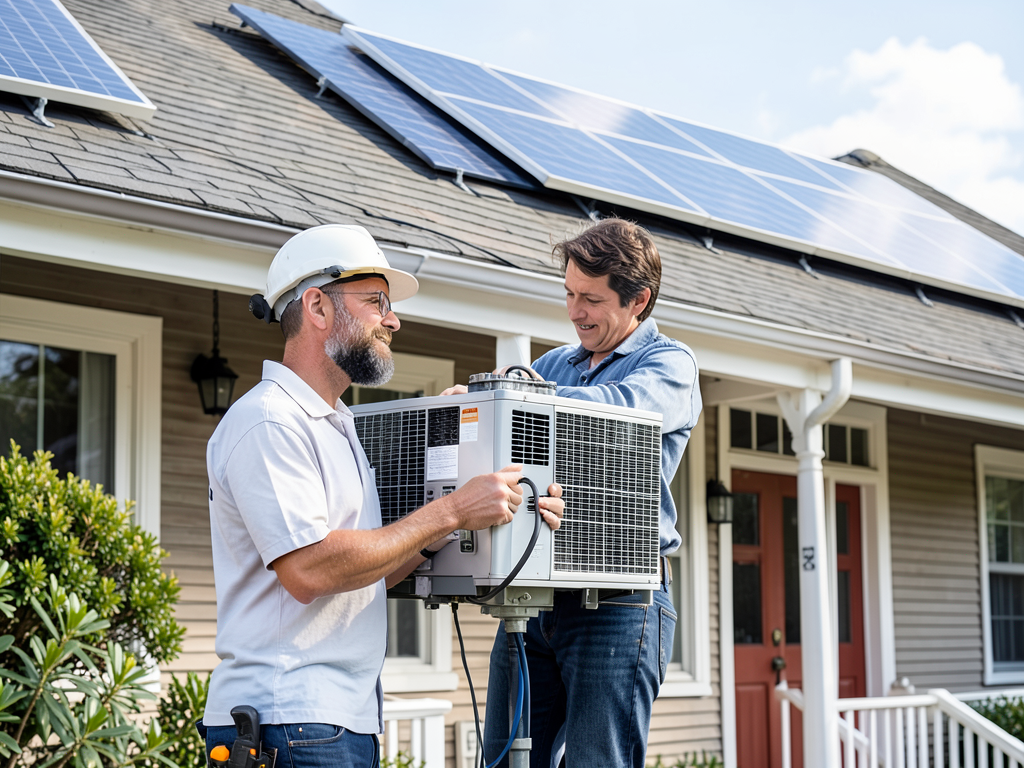
Pairing Your San Francisco Solar Panels with a High Efficiency Heat Pump
If you have solar panels on your San Francisco home you are already ahead of the curve. But if you are still using gas for heating you are leaving significant money on the table. A high-efficiency heat pump can transform your solar investment into a complete home energy solution by using clean electricity to heat and cool your home. Who to Call for 24 Hour Emergency Heating Repair in San Francisco.
San Francisco’s mild climate and progressive energy policies make it the perfect place to pair solar with heat pump technology. With NEM 3.0 changing how solar credits work and new rebates making heat pumps more affordable than ever the timing has never been better to electrify your home heating system. The Best Way to Install Heat Pumps in Historic San Francisco Victorians.
Why Heat Pumps and Solar Make Perfect Partners
Heat pumps use electricity to move heat rather than generate it which makes them up to three times more efficient than traditional gas furnaces. When powered by your own solar panels the cost to heat and cool your home drops dramatically. A typical San Francisco household can reduce heating costs by 50% to 70% while eliminating gas bills entirely. Quiet and Efficient Furnace Replacement Options for Pacific Heights Residents.
The real magic happens when you consider San Francisco’s climate. Our mild winters mean heat pumps rarely need to work in extreme cold so they maintain high efficiency year-round. During summer our cool evenings actually help heat pumps cool more efficiently than in hotter climates.. Read more about Energy Efficient HVAC Upgrades for Small Businesses in Chinatown.
Understanding San Francisco’s Unique Climate Impact
San Francisco’s microclimates create distinct challenges for HVAC systems. The Sunset District and Richmond neighborhoods experience frequent fog and cooler temperatures averaging 50-55°F in winter. In contrast the Mission and Potrero Hill areas stay warmer and sunnier year-round often 5-10°F warmer than coastal zones.
These temperature differences directly affect heat pump sizing. A home in the foggy Sunset needs a slightly larger capacity unit than the same size home in the sunny Mission to maintain the same comfort level. Our high humidity also means proper dehumidification becomes critical for comfort even when cooling isn’t needed.
Coastal salt air presents another challenge. Homes within a mile of the Pacific Ocean require corrosion-resistant outdoor units with special coatings to prevent premature failure. This is especially important for Victorians and Edwardian homes common in the Richmond and Sunset districts.
Navigating NEM 3.0 and Battery Storage
The transition from NEM 2.0 to NEM 3.0 in 2023 changed the economics of solar in California. Under NEM 3.0 you receive about 75% less credit for excess solar energy sent to the grid compared to what you pay to buy electricity back. This makes battery storage essential for maximizing solar ROI.
For heat pump users battery storage becomes even more critical. Heat pumps draw the most power during early morning and evening hours when solar production is low. A properly sized battery system can power your heat pump during these peak demand times using stored solar energy instead of expensive grid electricity.
PG&E’s E-ELEC rate plan specifically benefits homes with electric heating and cooling. This time-of-use plan offers lower rates during off-peak hours making it ideal for heat pump operation when paired with solar and battery storage.
SF-Specific Rebates and Incentives
San Francisco homeowners can stack multiple incentives to dramatically reduce the cost of heat pump installation. The federal Inflation Reduction Act provides a 30% tax credit on both solar and heat pump equipment through 2032. This applies to the full system cost including installation. federal tax credits for heat pumps.
BayREN offers rebates up to $8,000 for replacing gas furnaces with heat pumps in single-family homes. CleanPowerSF’s GreenSource program provides additional incentives for customers who commit to 100% renewable electricity. These programs can reduce your net cost by 50% or more. BayREN heat pump rebates.
San Francisco’s Department of Building Inspection requires specific permits for heat pump installation including electrical panel upgrades if needed. The permitting process typically takes 2-3 weeks and requires proof of proper refrigerant handling and seismic anchoring for outdoor units.
Installation Challenges in Historic San Francisco Homes
Victorian and Edwardian homes present unique installation challenges. Many were built before electrical codes required adequate service capacity. A typical 100-year-old home might have only 60-100 amp service when modern heat pumps require 200 amps minimum.
Historic preservation guidelines in neighborhoods like Pacific Heights and the Haight restrict exterior modifications. This means outdoor heat pump units must be carefully positioned to minimize visual impact. Some installations require custom screening or placement in side yards to comply with both building codes and historic guidelines.
Balloon-frame construction common in older San Francisco homes creates additional challenges for ductwork. Running new ducts through walls without damaging historic plaster requires specialized techniques and sometimes creative routing through existing chases or utility spaces.
Heat Pump Water Heaters vs. Space Heating
Many homeowners don’t realize heat pumps can also heat water. Heat pump water heaters use the same technology as space heating heat pumps but are optimized for water temperature and recovery rates. They typically use 60% less energy than conventional electric water heaters.
For solar homes the decision between a heat pump water heater and a traditional electric resistance heater becomes critical. Heat pump water heaters work best in unconditioned spaces like garages where they can draw heat from the surrounding air. In San Francisco’s mild climate they maintain excellent efficiency year-round.
The key difference is that heat pump water heaters have a higher upfront cost but lower operating costs. Over a 10-year period the energy savings typically offset the additional purchase price, especially when powered by solar electricity.
Electrical Panel and Load Calculations
Adding a heat pump often requires electrical panel upgrades. A typical heat pump system needs a dedicated 30-50 amp circuit plus additional capacity for the air handler and controls. This can push older panels beyond their safe operating limits.
Modern smart electrical panels like SPAN can help avoid expensive service upgrades. These panels monitor and control individual circuits allowing you to manage your total electrical load without replacing your main service. They can automatically shed non-essential loads when the heat pump needs maximum power.
Load calculations must account for San Francisco’s unique conditions. Our high humidity means heat pumps often run in dehumidification mode even when cooling isn’t needed. This increases electrical demand compared to drier climates where cooling is more intermittent.
Choosing the Right Heat Pump for Your Home
Not all heat pumps perform equally in San Francisco’s climate. Look for units with high Seasonal Energy Efficiency Ratio 2 (SEER2) ratings for cooling and Heating Seasonal Performance Factor 2 (HSPF2) ratings for heating. In our mild climate a SEER2 of 18 or higher and HSPF2 of 10 or higher provide excellent efficiency.
Variable-speed compressors offer significant advantages in San Francisco. They can adjust output to match your home’s exact heating and cooling needs rather than cycling on and off like single-speed units. This provides better comfort, lower noise levels, and higher efficiency especially in our mild climate where full capacity is rarely needed.
Noise considerations are particularly important in San Francisco’s dense urban environment. Many neighborhoods have specific noise ordinances for outdoor equipment. Modern heat pumps with sound ratings below 60 decibels can operate without violating these ordinances even in quiet residential areas.
Real-World Performance and ROI
Homeowners who have completed solar plus heat pump installations report 60-80% reductions in annual heating and cooling costs. A typical 2,000 square foot home in San Francisco can expect to save $800-1,200 per year on energy bills after switching from gas to a solar-powered heat pump system.
The payback period depends on your specific situation. Homes with high electricity rates and older, inefficient gas systems see the fastest returns, often 5-7 years. Those with newer gas systems or lower rates might take 8-10 years to recoup the investment through energy savings.
Beyond direct energy savings heat pumps eliminate the need for gas line maintenance and reduce your carbon footprint. For many San Francisco homeowners the environmental benefits and energy independence justify the investment even before considering the financial returns.
Installation Timeline and What to Expect
A complete solar plus heat pump installation typically takes 2-3 days for the heat pump portion and 3-5 days for solar, though these can overlap. The process includes site assessment, system design, permit acquisition, installation, and final inspection.
During installation your home will have intermittent power interruptions for panel upgrades and equipment connections. Most homeowners find the temporary inconvenience worthwhile for the long-term benefits. Professional installers use protective measures to minimize dust and disruption, especially important in historic homes. Professional Commercial HVAC Maintenance for SOMA Office Buildings.
After installation you will need to adjust to new thermostat settings and operation patterns. Heat pumps provide steady, even heating rather than the blast of hot air from gas furnaces. This takes a few days to get used to but provides superior comfort once you adapt.
Maintaining Your Heat Pump System
Heat pumps require regular maintenance to maintain peak efficiency. Annual professional service should include checking refrigerant levels, cleaning coils, inspecting electrical connections, and testing thermostat operation. In San Francisco’s salt-air environment coastal units need more frequent cleaning of outdoor coils.
Homeowners can perform simple monthly maintenance like replacing air filters and keeping outdoor units clear of debris. Dirty filters can reduce efficiency by 15% or more. In our foggy climate filters may need replacement every 30-60 days rather than the standard 90 days.
Heat pumps have fewer moving parts than gas furnaces so they typically require less maintenance overall. The elimination of combustion also means no more concerns about carbon monoxide or gas leaks, providing both safety and peace of mind.
Common Questions About Heat Pump Performance
Many homeowners worry that heat pumps won’t provide enough heat for San Francisco’s chilly mornings. Modern cold-climate heat pumps maintain excellent efficiency down to 25-30°F, well below our typical winter temperatures. Even on the coldest San Francisco mornings heat pumps can extract sufficient heat from the outside air.
Another concern is noise. Today’s high-efficiency heat pumps operate at sound levels comparable to a refrigerator. Variable-speed models are particularly quiet because they rarely run at full capacity. Proper installation with vibration isolation and strategic placement can make them virtually unnoticeable.
Some people worry about the appearance of outdoor units. Modern heat pump designs are much more compact and attractive than older models. Many units can be painted to match your home’s exterior or screened with landscaping to minimize visual impact.
Future-Proofing Your Home
California’s building codes are increasingly favoring all-electric construction. San Francisco has already banned natural gas in new construction and many experts expect similar requirements for existing homes in the coming years. Installing a heat pump now prepares your home for these inevitable changes.
Heat pumps also provide cooling capability, increasingly important as San Francisco experiences more heat waves. While we historically needed little cooling, recent summers have shown that having air conditioning provides crucial comfort during extreme heat events.
The combination of solar panels and heat pumps creates a resilient home energy system. During power outages a properly configured solar plus battery system can keep your heat pump running, maintaining comfort when the grid is down.
Getting Started with Your Heat Pump Project
The first step is a professional energy assessment to determine your home’s specific needs. This includes evaluating your current heating system, electrical service capacity, and solar production potential. The assessment will identify any necessary electrical upgrades and help size your heat pump system correctly.
Next comes system design and permit acquisition. Your contractor will handle the permitting process with San Francisco’s Department of Building Inspection, including submitting plans for both the heat pump and any required electrical work. This process typically takes 2-3 weeks.
Installation follows once permits are approved. Professional installers will protect your home during the process and ensure all work meets current building codes. After installation they will test the system thoroughly and show you how to operate and maintain your new equipment.
Call (628) 201-6600 today to schedule your inspection and learn how much you can save by pairing your solar panels with a high-efficiency heat pump. Our San Francisco experts will evaluate your home’s unique needs and show you exactly how this upgrade will benefit your comfort and budget.
Frequently Asked Questions
How much does it cost to install a heat pump in San Francisco?
The total cost typically ranges from $8,000 to $15,000 for a complete system including installation. Federal tax credits and local rebates can reduce this by 50% or more, making the net cost much more affordable than many homeowners expect. Fast and Affordable AC Repair Services in Daly City and South San Francisco.
Will a heat pump work in my foggy Sunset District home?
Yes, modern heat pumps work excellently in San Francisco’s coastal climate. They maintain high efficiency even in the cool, foggy conditions common in the Sunset and Richmond districts. The key is proper sizing and selecting units designed for marine environments.
Do I need to upgrade my electrical panel for a heat pump?
Many older San Francisco homes need electrical panel upgrades to accommodate heat pumps. However, smart electrical panels can sometimes avoid this expensive upgrade by managing your home’s electrical loads more efficiently.
How long does a heat pump installation take?
Most heat pump installations take 2-3 days once permits are approved. The entire process from initial assessment to final inspection typically takes 4-6 weeks, though this can vary based on permit processing times and your specific installation requirements.
{
“@context”: “https://schema.org”,
“@type”: “BlogPosting”,
“headline”: “Pairing Your San Francisco Solar Panels with a High Efficiency Heat Pump”,
“description”: “Maximize your solar investment in San Francisco by pairing it with a high-efficiency heat pump. Learn about NEM 3.0, BayREN rebates, and SF-specific installation strategies.”,
“wordCount”: 2279,
“datePublished”: “2026-06-08T15:35:00.000Z”,
“dateModified”: “2026-06-08T15:35:00.000Z”,
“inLanguage”: “en-US”,
“mainEntityOfPage”: {
“@type”: “WebPage”,
“@id”: “https://atlashvacsanfrancisco.com”
},
“publisher”: {
“@type”: “LocalBusiness”,
“name”: “Atlas HVAC San Francisco”,
“url”: “https://atlashvacsanfrancisco.com”
},
“author”: {
“@type”: “Organization”,
“name”: “Atlas HVAC San Francisco”,
“url”: “https://atlashvacsanfrancisco.com”
},
“image”: {
“@type”: “ImageObject”,
“url”: “https://atlashvacsanfrancisco.com/wp-content/uploads/2026/03/pairing-your-san-francisco-solar-panels-with-a-hig-1.png”
}
}
{
“@context”: “https://schema.org”,
“@type”: “HVACBusiness”,
“name”: “Atlas HVAC San Francisco”,
“url”: “https://atlashvacsanfrancisco.com”,
“address”: {
“@type”: “PostalAddress”,
“addressLocality”: “San Francisco”
},
“areaServed”: {
“@type”: “City”,
“name”: “San Francisco”
}
}
{
“@context”: “https://schema.org”,
“@type”: “FAQPage”,
“mainEntity”: [
{
“@type”: “Question”,
“name”: “How much does it cost to install a heat pump in San Francisco?”,
“acceptedAnswer”: {
“@type”: “Answer”,
“text”: “The total cost typically ranges from $8,000 to $15,000 for a complete system including installation. Federal tax credits and local rebates can reduce this by 50% or more, making the net cost much more affordable than many homeowners expect. Fast and Affordable AC Repair Services in Daly City and South San Francisco.”
}
},
{
“@type”: “Question”,
“name”: “Will a heat pump work in my foggy Sunset District home?”,
“acceptedAnswer”: {
“@type”: “Answer”,
“text”: “Yes, modern heat pumps work excellently in San Francisco’s coastal climate. They maintain high efficiency even in the cool, foggy conditions common in the Sunset and Richmond districts. The key is proper sizing and selecting units designed for marine environments.”
}
},
{
“@type”: “Question”,
“name”: “Do I need to upgrade my electrical panel for a heat pump?”,
“acceptedAnswer”: {
“@type”: “Answer”,
“text”: “Many older San Francisco homes need electrical panel upgrades to accommodate heat pumps. However, smart electrical panels can sometimes avoid this expensive upgrade by managing your home’s electrical loads more efficiently.”
}
},
{
“@type”: “Question”,
“name”: “How long does a heat pump installation take?”,
“acceptedAnswer”: {
“@type”: “Answer”,
“text”: “Most heat pump installations take 2-3 days once permits are approved. The entire process from initial assessment to final inspection typically takes 4-6 weeks, though this can vary based on permit processing times and your specific installation requirements.”
}
}
]
}
{
“@context”: “https://schema.org”,
“@type”: “BreadcrumbList”,
“itemListElement”: [
{
“@type”: “ListItem”,
“position”: 1,
“name”: “Home”,
“item”: “https://atlashvacsanfrancisco.com”
},
{
“@type”: “ListItem”,
“position”: 2,
“name”: “Blog”,
“item”: “https://atlashvacsanfrancisco.com/blog”
},
{
“@type”: “ListItem”,
“position”: 3,
“name”: “Pairing Your San Francisco Solar Panels with a High Efficiency Heat Pump”
}
]
}
{
“@context”: “https://schema.org”,
“@type”: “Service”,
“serviceType”: “HVAC”,
“provider”: {
“@type”: “LocalBusiness”,
“name”: “Atlas HVAC San Francisco”,
“url”: “https://atlashvacsanfrancisco.com”
},
“areaServed”: {
“@type”: “City”,
“name”: “San Francisco”
},
“description”: “Maximize your solar investment in San Francisco by pairing it with a high-efficiency heat pump. Learn about NEM 3.0, BayREN rebates, and SF-specific installation strategies.”
}