
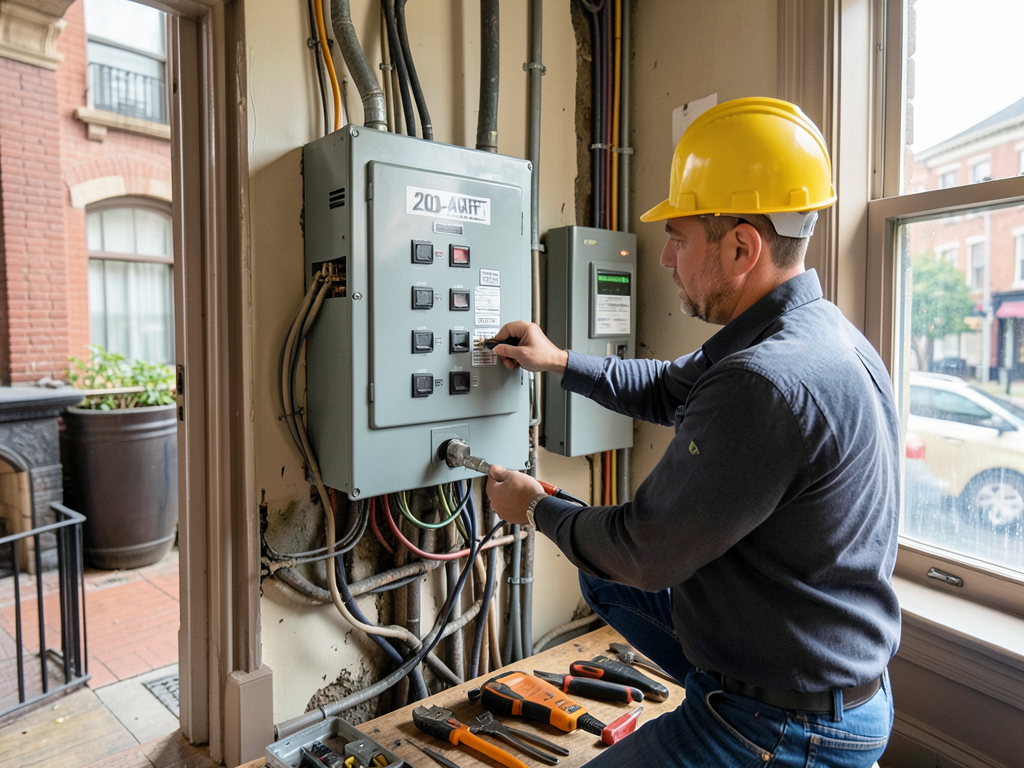
Preparing Your Home Electrical Panel for a Future Heat Pump Upgrade
Heat pumps are transforming home heating and cooling in San Francisco. Most homes built before 2000 have 100-amp electrical panels that cannot handle the additional load. Upgrading your panel now prevents installation delays and ensures your home is ready when you decide to switch from gas to electric heating. This guide covers San Francisco-specific requirements including PG&E transformer capacity SFDBI permitting and available rebates. The Best Way to Install Heat Pumps in Historic San Francisco Victorians.
Why Your San Francisco Home Needs a Panel Upgrade for a Heat Pump
San Francisco homes built before 1980 typically have 100-amp service panels while modern heat pumps require 200-amp service to operate safely. The average heat pump air handler draws 30 to 60 amps on its own plus additional circuits for the condenser and backup heating elements. A 100-amp panel running at full capacity leaves no room for these new circuits and creates fire hazards from overloaded breakers. Who to Call for 24 Hour Emergency Heating Repair in San Francisco.
Older panels in the Sunset District and Richmond often use aluminum wiring which degrades over time and cannot handle the sustained loads of modern heat pumps. The San Francisco Department of Building Inspection requires AFCI and GFCI breakers for all new circuits which older panels cannot accommodate without a full replacement.. Read more about Pairing Your San Francisco Solar Panels with a High Efficiency Heat Pump.
Calculating the Electrical Load for Heat Pump Installation
Heat pump electrical requirements depend on the unit size and efficiency rating. A 2-ton air source heat pump typically needs a 30-amp dedicated circuit while a 5-ton unit requires a 60-amp circuit. The National Electrical Code Article 440.4 mandates specific wire gauges and breaker sizes based on the unit’s minimum circuit ampacity which is listed on the manufacturer’s data plate.
SFDBI requires a load calculation using NEC 220.82 method for existing homes. This calculation accounts for all current appliances lighting and the new heat pump load. A typical San Francisco Victorian with gas appliances might have a connected load of 125 amps but only a 100-amp service. Adding a heat pump could push the total demand to 175 amps requiring an immediate panel upgrade.
Heat Pump Load Requirements by Size
| Heat Pump Size | Minimum Circuit Ampacity | Recommended Breaker Size | Typical Wire Gauge |
|---|---|---|---|
| 1.5 tons | 15-20 amps | 20 amps | 12 AWG |
| 2.5 tons | 20-30 amps | 30 amps | 10 AWG |
| 3.5 tons | 30-45 amps | 45 amps | 8 AWG |
| 5 tons | 45-60 amps | 60 amps | 6 AWG |
Navigating SFDBI Permits and PG&E Requirements
San Francisco requires an electrical permit for any panel upgrade or new circuit installation. The SFDBI permit process takes 2 to 4 weeks and requires detailed load calculations signed by a licensed electrical contractor. PG&E must approve the service upgrade before any work begins especially if the transformer serving your home needs upgrading.
PG&E’s transformer capacity assessment is critical in San Francisco’s dense neighborhoods. A single transformer might serve 10 to 15 homes and adding a heat pump could exceed the transformer’s kVA rating. PG&E will notify you if the transformer needs upgrading which adds 4 to 8 weeks to the timeline and costs $3000 to $8000 depending on location.
San Francisco’s Green Building Code Section 13-405 mandates that all new electrical service must be sized for future electrification. This means if you upgrade to 200 amps you must install a 200-amp main breaker even if you only need 150 amps today. This forward-thinking requirement prevents costly future upgrades.
Financial Incentives: BayREN HEEHRA and Federal Tax Credits
Bay Area Regional Energy Network offers rebates up to $2500 for electrical panel upgrades when combined with heat pump installation. The Home Electrification and Energy Rebate Act provides point-of-sale rebates for low and moderate-income households covering 100% of panel upgrade costs up to $2500.
The federal Inflation Reduction Act provides a 30% tax credit on electrical panel upgrades with no upper limit when part of a whole-home energy efficiency project. San Francisco’s CleanPowerSF offers an additional $500 rebate for customers who switch from gas to electric heating systems.
PG&E’s Income Qualified Energy Savings program provides free electrical panel assessments and upgrades for qualifying households. These programs can reduce the $3000 to $5000 cost of a standard 200-amp panel upgrade by 50% to 100% depending on income and project scope.
Smart Panel Options: SPAN and Alternatives for Limited Space
San Francisco’s historic Victorians and Edwardian homes often have limited wall space for electrical panels. SPAN smart panels offer a solution by replacing the main breaker with a digital control system that can manage up to 32 circuits in the space of a traditional 12-circuit panel.
SPAN panels cost $3500 to $5000 installed but provide load management features that prevent overloads. The system can automatically shed non-essential loads like EV chargers or water heaters when the heat pump needs maximum power. This capability can eliminate the need for a full 200-amp service upgrade in some homes.
Traditional sub-panel installations cost $1500 to $2500 and work well when the main panel is full but still functional. A sub-panel installed near the heat pump location reduces wire runs and improves system efficiency. SFDBI requires a 4-foot clearance in front of all panels and prohibits installation in clothes closets or bathrooms.
Common Electrical Panel Issues in San Francisco Homes
Knob-and-tube wiring in homes built before 1950 cannot support heat pump loads and must be completely replaced before any panel upgrade. This replacement work often reveals deteriorated insulation and fire hazards that make the panel upgrade just one part of a larger safety project.
Federal Pacific Stab-Lok panels installed between 1950 and 1980 have a known failure rate and are banned by SFDBI for new installations. These panels often appear to function normally but can fail to trip during overloads creating extreme fire hazards. Replacement is mandatory before adding any new circuits.
Double-tapped breakers where two wires connect to a single breaker are common in older panels and violate NEC 408.41. This condition creates loose connections and arcing that can cause fires. Heat pump installation requires correcting all double-tapped conditions which often means adding breakers or upgrading the panel.
Timeline and Cost Considerations
A typical electrical panel upgrade in San Francisco takes 1 to 2 days for the electrical work plus 2 to 4 weeks for permits. PG&E service upgrades add 4 to 8 weeks if transformer work is needed. The total project from start to finish usually takes 3 to 6 weeks depending on permit backlog and utility coordination.
Costs vary significantly based on home age and existing conditions. A straightforward 100-amp to 200-amp upgrade in a Marina District condo might cost $3000 to $4000 while a complete service replacement in a Noe Valley Victorian with knob-and-tube wiring could cost $8000 to $12000.
Hidden costs often include drywall repair ($500 to $1500) and permit fees ($200 to $500). SFDBI requires a final inspection before power can be restored which can delay the project if corrections are needed. Working with an experienced San Francisco electrical contractor prevents these delays. Fast and Affordable AC Repair Services in Daly City and South San Francisco.
Preparing for Your Heat Pump Installation
Start the electrical assessment 3 to 4 months before your planned heat pump installation. This timeline allows for permit processing PG&E coordination and any unexpected discoveries like deteriorated wiring or structural issues. Early planning prevents the stress of delaying your heat pump installation due to electrical constraints.
Document your home’s electrical history including any previous upgrades or known issues. This information helps the electrical contractor provide accurate estimates and identify potential problems before work begins. San Francisco homes often have undocumented modifications that affect the upgrade scope.
Consider future electrification plans when sizing your new panel. If you plan to add an electric vehicle charger or induction cooktop within the next 5 years sizing for those loads now prevents another expensive upgrade later. A 200-amp service provides headroom for most future electrification projects.
Frequently Asked Questions
Can I install a heat pump with my current 100-amp panel?
Most 100-amp panels cannot support a heat pump plus existing loads. A load calculation using NEC 220.82 will determine if your panel has capacity. Homes with gas appliances and minimal electric loads might have enough spare capacity but most San Francisco homes need an upgrade.
How long does PG&E take to approve a service upgrade?
PG&E typically responds to service upgrade requests within 2 weeks. If transformer work is needed the process takes 4 to 8 weeks. PG&E will not energize a new panel until all inspections are complete and the meter socket meets current code requirements.
Are smart panels worth the extra cost?
Smart panels like SPAN provide load management that can prevent overloads and eliminate the need for a full 200-amp upgrade in some cases. They cost $1500 to $2500 more than traditional panels but offer features like remote monitoring and automatic load shedding that provide long-term value.
What permits are required for a panel upgrade?
San Francisco requires an electrical permit from SFDBI for any panel upgrade or new circuit installation. The permit process includes plan review load calculations and final inspection. PG&E also requires approval for service upgrades and may need to upgrade the transformer or meter socket.
Can I keep my existing breakers in a new panel?
No. SFDBI requires all new installations to meet current code which includes AFCI and GFCI protection for specific circuits. Existing breakers are typically obsolete and cannot be reused. The new panel must have breakers that match the bus bar configuration and meet 2020 NEC requirements.
Ready to Upgrade Your Electrical Panel
Call (628) 201-6600 today to schedule your electrical panel assessment. Our San Francisco-licensed electricians will evaluate your current service calculate your heat pump requirements and provide a detailed plan for your upgrade. Don’t let electrical constraints delay your transition to efficient electric heating. Quiet and Efficient Furnace Replacement Options for Pacific Heights Residents.
Pick up the phone and call (628) 201-6600 before the next heat wave hits. A properly sized electrical panel ensures your home stays comfortable year-round while meeting San Francisco’s strict building codes and electrification requirements.
Additional Resources
Learn more about San Francisco’s building requirements at the San Francisco Department of Building Inspection website. Review PG&E’s service requirements at PG&E’s residential service page. Find heat pump rebates through BayREN’s energy efficiency programs.
You may also find this helpful. Lennox vs Carrier (The Best Heat Pump Brands for San Francisco Homes).
{
“@context”: “https://schema.org”,
“@type”: “BlogPosting”,
“headline”: “Preparing Your Home Electrical Panel for a Future Heat Pump Upgrade”,
“description”: “Learn how to upgrade your San Francisco home’s electrical panel for heat pump installation. Get local permit requirements, PG&E approval steps, and available rebates.”,
“wordCount”: 1726,
“datePublished”: “2026-05-28T08:07:00.000Z”,
“dateModified”: “2026-05-28T08:07:00.000Z”,
“inLanguage”: “en-US”,
“mainEntityOfPage”: {
“@type”: “WebPage”,
“@id”: “https://atlashvacsanfrancisco.com”
},
“publisher”: {
“@type”: “LocalBusiness”,
“name”: “Atlas HVAC San Francisco”,
“url”: “https://atlashvacsanfrancisco.com”
},
“author”: {
“@type”: “Organization”,
“name”: “Atlas HVAC San Francisco”,
“url”: “https://atlashvacsanfrancisco.com”
},
“image”: {
“@type”: “ImageObject”,
“url”: “https://atlashvacsanfrancisco.com/wp-content/uploads/2026/03/preparing-your-home-electrical-panel-for-a-future-1.png”
}
}
{
“@context”: “https://schema.org”,
“@type”: “HVACBusiness”,
“name”: “Atlas HVAC San Francisco”,
“url”: “https://atlashvacsanfrancisco.com”,
“address”: {
“@type”: “PostalAddress”,
“addressLocality”: “San Francisco”
},
“areaServed”: {
“@type”: “City”,
“name”: “San Francisco”
}
}
{
“@context”: “https://schema.org”,
“@type”: “FAQPage”,
“mainEntity”: [
{
“@type”: “Question”,
“name”: “Can I install a heat pump with my current 100-amp panel?”,
“acceptedAnswer”: {
“@type”: “Answer”,
“text”: “Most 100-amp panels cannot support a heat pump plus existing loads. A load calculation using NEC 220.82 will determine if your panel has capacity. Homes with gas appliances and minimal electric loads might have enough spare capacity but most San Francisco homes need an upgrade.”
}
},
{
“@type”: “Question”,
“name”: “How long does PG&E take to approve a service upgrade?”,
“acceptedAnswer”: {
“@type”: “Answer”,
“text”: “PG&E typically responds to service upgrade requests within 2 weeks. If transformer work is needed the process takes 4 to 8 weeks. PG&E will not energize a new panel until all inspections are complete and the meter socket meets current code requirements.”
}
},
{
“@type”: “Question”,
“name”: “Are smart panels worth the extra cost?”,
“acceptedAnswer”: {
“@type”: “Answer”,
“text”: “Smart panels like SPAN provide load management that can prevent overloads and eliminate the need for a full 200-amp upgrade in some cases. They cost $1500 to $2500 more than traditional panels but offer features like remote monitoring and automatic load shedding that provide long-term value.”
}
},
{
“@type”: “Question”,
“name”: “What permits are required for a panel upgrade?”,
“acceptedAnswer”: {
“@type”: “Answer”,
“text”: “San Francisco requires an electrical permit from SFDBI for any panel upgrade or new circuit installation. The permit process includes plan review load calculations and final inspection. PG&E also requires approval for service upgrades and may need to upgrade the transformer or meter socket.”
}
},
{
“@type”: “Question”,
“name”: “Can I keep my existing breakers in a new panel?”,
“acceptedAnswer”: {
“@type”: “Answer”,
“text”: “No. SFDBI requires all new installations to meet current code which includes AFCI and GFCI protection for specific circuits. Existing breakers are typically obsolete and cannot be reused. The new panel must have breakers that match the bus bar configuration and meet 2020 NEC requirements.”
}
}
]
}
{
“@context”: “https://schema.org”,
“@type”: “BreadcrumbList”,
“itemListElement”: [
{
“@type”: “ListItem”,
“position”: 1,
“name”: “Home”,
“item”: “https://atlashvacsanfrancisco.com”
},
{
“@type”: “ListItem”,
“position”: 2,
“name”: “Blog”,
“item”: “https://atlashvacsanfrancisco.com/blog”
},
{
“@type”: “ListItem”,
“position”: 3,
“name”: “Preparing Your Home Electrical Panel for a Future Heat Pump Upgrade”
}
]
}
{
“@context”: “https://schema.org”,
“@type”: “Service”,
“serviceType”: “HVAC”,
“provider”: {
“@type”: “LocalBusiness”,
“name”: “Atlas HVAC San Francisco”,
“url”: “https://atlashvacsanfrancisco.com”
},
“areaServed”: {
“@type”: “City”,
“name”: “San Francisco”
},
“description”: “Learn how to upgrade your San Francisco home’s electrical panel for heat pump installation. Get local permit requirements, PG&E approval steps, and available rebates.”
}