





menu

Understanding Ductless Systems in San Francisco – Your Complete Guide to Ductless Mini Splits and Heat Pumps

Get the clarity you need about ductless air conditioning, how mini split systems work, and whether ductless heat pumps are the right fit for your San Francisco home or business.

Slider Image 1
Slider Image 2
Slider Image 3
Slider Image 4
Slider Image 5
Slider Image 7
Slider Image 8
Slider Image 9
Slider Image 10
Slider Image 11

Why San Francisco Homes Are Turning to Ductless HVAC Systems

San Francisco's unique microclimates create a challenge most HVAC guides ignore. A home in the Sunset District might need heat when the Mission is running air conditioning. The same building can swing 20 degrees between floors. Traditional ducted systems force you to choose one setting for the entire home, which wastes energy and leaves half your rooms uncomfortable.

Ductless mini splits solve this problem through zone-based climate control. Each indoor unit operates independently, so you heat the bedroom while cooling the sunroom. This matters in San Francisco because our Victorian and Edwardian homes were built without ductwork. Running new ducts means tearing into original plaster, dropping ceilings, and losing architectural details.

A ductless air conditioning guide starts with understanding the basics of mini split systems. The outdoor compressor connects to one or more indoor air handlers through a small refrigerant line. No ducts means no energy loss through leaky ductwork, which the California Energy Commission estimates can waste up to 30% of your heating and cooling output.

What are ductless heat pumps? They are reversible systems that cool in summer and heat in winter by moving thermal energy instead of generating it. How ductless mini splits work is through refrigerant cycling between the outdoor and indoor units, absorbing heat from one space and releasing it in another. This ductless HVAC system explained in simple terms means lower utility bills, better comfort, and faster installation than traditional forced air systems.

San Francisco's temperate climate makes ductless systems particularly efficient because the units never work at extreme capacity. You are not fighting 100-degree heat or sub-zero cold. The sweet spot for heat pump efficiency is exactly where we live most of the year.

Why San Francisco Homes Are Turning to Ductless HVAC Systems
How Ductless Mini Split Systems Actually Operate

How Ductless Mini Split Systems Actually Operate

The core technology behind ductless systems is the vapor compression refrigeration cycle. The outdoor condenser compresses refrigerant into a high-pressure, high-temperature gas. That gas moves through the copper line set into your indoor evaporator unit, where it releases heat and condenses back into liquid. In cooling mode, the process reverses. The indoor unit absorbs heat from your room air and pumps it outside.

The indoor air handler contains the evaporator coil, a blower fan, and a drain pan for condensate. You mount these units high on the wall, recessed into the ceiling, or floor-standing depending on your room layout. Each unit connects to the outdoor compressor through a three-inch penetration in your exterior wall. That small hole carries the refrigerant lines, condensate drain, and control wiring.

Inverter-driven compressors are what make modern ductless systems efficient. Traditional HVAC systems run at full capacity or shut off completely. Inverter technology modulates the compressor speed to match your exact heating or cooling load. The system ramps up when you need it, then throttles down to maintain temperature without the energy spike of constant on-off cycling.

Multi-zone systems connect up to eight indoor units to one outdoor condenser. Each zone gets independent temperature control through its own thermostat and remote. You program different setpoints, fan speeds, and operating modes for each room. The outdoor unit balances refrigerant flow between active zones using electronic expansion valves.

San Francisco's mild winters mean heat pumps maintain efficiency year-round. The systems pull heat from outdoor air down to about 5 degrees Fahrenheit. We rarely see temperatures that low, so the backup electric resistance heat almost never kicks in. That translates to lower operating costs compared to cities with harsher climates where heat pumps struggle during cold snaps.

What Happens When You Choose Ductless for Your San Francisco Property

Understanding Ductless Systems in San Francisco – Your Complete Guide to Ductless Mini Splits and Heat Pumps
01

System Assessment and Design

We calculate the thermal load for each room based on square footage, window exposure, insulation values, and ceiling height. San Francisco's building stock ranges from uninsulated Victorians to modern construction, so the heat loss and gain calculations vary dramatically. We measure your existing electrical service to confirm capacity for the new outdoor condenser and verify the best mounting locations for both indoor and outdoor units based on refrigerant line length limitations and aesthetic preferences.
02

Equipment Selection and Specifications

Matching the correct BTU capacity to each zone prevents short cycling and maintains efficiency. Oversized units waste energy and fail to dehumidify properly. Undersized units run continuously without reaching setpoint. We specify SEER ratings, HSPF ratings, and sound levels based on your priorities. A bedroom needs whisper-quiet operation while a workshop can handle higher decibel output. The refrigerant type, line set diameter, and maximum run length all factor into equipment selection for optimal performance.
03

Installation and Commissioning

Proper installation determines system longevity and efficiency. We mount the outdoor condenser on vibration isolators with adequate clearance for airflow and service access. Indoor units get secured to structural framing, not just drywall. The refrigerant lines run through walls with proper insulation and protection. We pull a vacuum on the system to remove moisture and air, then charge it to manufacturer specifications. Commissioning includes verifying airflow, testing defrost cycles, and programming zone controls.

Why Local Expertise Matters for Ductless Systems in San Francisco

San Francisco enforces California Title 24 energy code requirements that exceed national standards. Ductless installations must meet specific SEER minimums, and the permit process requires load calculations and equipment specifications submitted to the Department of Building Inspection. Contractors unfamiliar with local procedures create delays and compliance issues that stall your project.

Our Building Code dictates where you can mount outdoor condensers. Setback requirements, noise ordinances, and historical preservation rules all affect equipment placement. The Richmond and Sunset Districts have different fog exposure than Potrero Hill, which impacts corrosion protection requirements for coastal installations. We factor these variables into every system design.

The electrical infrastructure in older San Francisco neighborhoods often needs upgrades before installing ductless systems. Many homes still run 100-amp service panels that lack capacity for additional HVAC load. We coordinate with electrical contractors to upsize panels or add subpanels as needed. Understanding PG&E rebate programs and how to submit applications correctly can reduce your project cost significantly.

Multi-family buildings face additional complications. Condo associations and homeowner associations have rules about exterior modifications. Mounting condensers on shared walls or rooftops requires board approval and adherence to CC&Rs. We navigate these approval processes regularly and know how to present installations that satisfy both code requirements and architectural review committees.

Atlas HVAC San Francisco has installed ductless systems in every neighborhood from Bernal Heights to Pacific Heights. We understand the difference between heating a drafty Edwardian with 12-foot ceilings and a modern loft with floor-to-ceiling glass. That experience translates to accurate sizing, efficient installations, and systems that perform as designed from day one.

What to Expect from Your Ductless System Installation

Installation Timeline and Scheduling

A single-zone ductless installation takes one day from start to finish. Multi-zone systems require two to three days depending on the number of indoor units and complexity of the refrigerant runs. We schedule installations around your availability and coordinate any electrical work needed beforehand. Permit approval through the San Francisco Department of Building Inspection adds one to two weeks to the timeline. We handle all permitting and inspection scheduling so you do not need to take multiple days off work waiting for city inspectors.

Pre-Installation Assessment and Planning

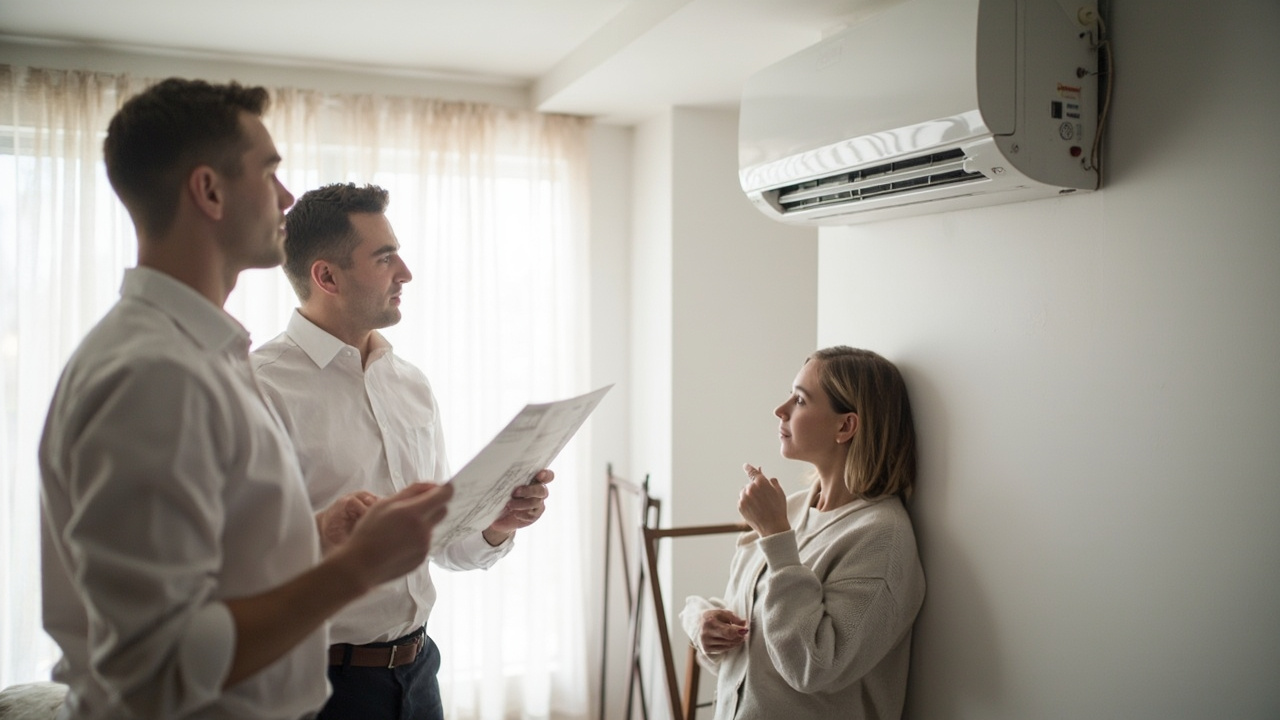
The initial consultation includes a room-by-room walkthrough to identify the best mounting locations for indoor units and outdoor condensers. We measure electrical service capacity, identify the cleanest refrigerant line routing, and discuss aesthetic preferences for where the units will be visible. You receive a detailed proposal showing equipment specifications, BTU capacities for each zone, projected energy savings compared to your current system, and available rebates. We answer questions about operation, maintenance requirements, and what to expect from the system in different seasons based on San Francisco's climate patterns.

System Performance and Efficiency

Properly sized and installed ductless systems maintain temperature within one degree of setpoint while using less energy than ducted forced air systems. You control each zone independently through wireless remotes or smartphone apps. The units ramp up quickly when you need heating or cooling, then modulate to maintain comfort without temperature swings. Expect quieter operation than window units or central air handlers. Premium indoor units operate at 19 decibels on low speed, quieter than a whisper. You notice better air quality because each unit includes a multi-stage filter that captures dust, pollen, and particulates.

Ongoing Maintenance and Service

Ductless systems need annual maintenance to maintain efficiency and prevent breakdowns. Service includes cleaning the indoor filters, inspecting the condensate drain, checking refrigerant pressures, and testing the defrost cycle. You clean the indoor filters yourself every month by popping off the front panel and rinsing them under a faucet. The outdoor condenser needs periodic coil cleaning to remove dirt, leaves, and salt spray if you live near the coast. We offer maintenance plans that include annual tune-ups and priority service if you ever need repairs. Manufacturer warranties cover parts for five to ten years depending on the model.

Frequently Asked Questions

You Have Questions,
We Have Answers

What is the $5000 AC rule? +

The $5000 AC rule refers to the IRS tax credit cap for residential energy-efficient HVAC equipment under the Inflation Reduction Act. You can claim up to $2000 for qualifying air conditioners and heat pumps, with an annual cap of $3200 for combined home improvements. Ductless mini-splits often qualify if they meet SEER2 and HSPF2 efficiency standards. San Francisco homeowners upgrading older systems in Victorian or Edwardian homes may benefit, but you need proper documentation and contractor certification. Consult a tax professional to confirm eligibility based on your specific installation and filing status.

What are the disadvantages of a ductless mini-split? +

Ductless mini-splits have three main drawbacks. First, upfront costs run higher than window units, though energy savings offset this over time. Second, visible indoor wall units can clash with San Francisco's historic architecture if not placed carefully. Third, refrigerant line sets require exterior mounting, which may not suit multi-unit buildings or strict HOA rules. Performance drops in extreme cold, though San Francisco's mild climate makes this irrelevant. Maintenance requires cleaning filters monthly and annual professional service. For homes without existing ductwork, mini-splits still beat the cost and disruption of installing traditional ducted systems.

Why is my electric bill so high with mini-split? +

High electric bills with mini-splits usually stem from improper sizing, poor installation, or misuse. Oversized units short cycle, wasting energy without dehumidifying. Undersized systems run constantly in San Francisco's microclimates where fog-belt homes need more capacity than sun-belt neighborhoods. Leaky refrigerant lines force compressors to work harder. Dirty filters block airflow, reducing efficiency by 15 percent. Running multiple zones at extreme temperatures simultaneously spikes demand. Many homeowners leave units on 24/7 instead of using programmable timers. Check your SEER rating. Older or poorly maintained systems use far more energy than modern high-efficiency models rated SEER2 20 or higher.

How many mini splits do I need for a 2000 square foot house? +

A 2000 square foot house typically needs two to four mini-split zones, depending on layout and insulation. Open floor plans may need only two multi-zone units, while compartmentalized Victorian homes in San Francisco require three to four for even coverage. Calculate 20 to 30 BTUs per square foot as a baseline, then adjust for ceiling height, sun exposure, and window efficiency. Fog-heavy western neighborhoods need less cooling capacity than Mission District homes. Each zone should have its own indoor air handler for temperature control. Consult an HVAC professional who understands San Francisco's microclimates to size your system correctly and avoid wasted energy.

What is the 3 minute rule for air conditioners? +

The 3 minute rule requires waiting at least three minutes after shutting off your air conditioner before restarting it. This pause lets refrigerant pressures equalize between the high-pressure and low-pressure sides of the system. Restarting too quickly forces the compressor to work against unbalanced pressure, causing mechanical strain, potential failure, and voided warranties. Modern mini-splits often include built-in delay timers to protect the compressor automatically. San Francisco's mild climate means fewer frequent on-off cycles than hotter regions, but the rule still applies. If your system trips breakers repeatedly, the compressor may be failing from short cycling.

Can I write off my new AC unit on my taxes? +

You can claim federal tax credits for energy-efficient AC units under the Inflation Reduction Act. Qualifying systems must meet ENERGY STAR SEER2 and HSPF2 ratings. Central air conditioners and ductless heat pumps qualify for up to $2000, with a combined annual cap of $3200 for all home efficiency improvements. You need Manufacturer Certification Statements and contractor documentation. San Francisco homeowners replacing old systems in older homes often qualify. State and local utility rebates may stack with federal credits. Consult a tax professional for your specific situation. Simple repairs or standard replacements without efficiency upgrades do not qualify.

How do Amish cool their homes without air conditioning? +

Amish communities cool homes through passive design, not refrigerated air conditioning. Thick stone or brick walls provide thermal mass. Deep roof overhangs and strategic window placement create cross-ventilation. Many open windows at night to flush hot air, then close them during the day. Basements stay naturally cool year-round. Shade trees block afternoon sun. Some use propane or diesel-powered cooling in commercial settings where religious guidelines permit. San Francisco's natural cooling from ocean fog and Delta breezes mirrors these passive strategies. Homes built before central air in the Sunset and Richmond districts used similar ventilation techniques that still work today.

Do mini splits work in 100 degree weather? +

Mini-splits work effectively in 100 degree heat, but efficiency drops as outdoor temperatures climb. Most systems maintain full capacity up to 95 to 100 degrees, then output declines 10 to 20 percent beyond that threshold. San Francisco rarely hits 100 degrees, even in heat waves. Fog-cooled western neighborhoods stay comfortable naturally. Inland areas like Potrero Hill and Bernal Heights reach the 90s occasionally. Quality units rated for high ambient temperatures handle heat better than budget models. Proper sizing matters more than peak capacity. If your system struggles in normal San Francisco weather, it's likely undersized or needs refrigerant service.

Where should you not install a mini split? +

Avoid installing mini-splits in unventilated spaces, direct sunlight, or areas with obstructed airflow. Indoor units need 6 to 12 inches of clearance on all sides for proper circulation. Do not mount them above heat sources like stoves or fireplaces. Avoid exterior walls facing harsh afternoon sun in San Francisco's Mission or Potrero districts, as this reduces efficiency. Outdoor condensers need firm, level ground away from dryer vents or combustion exhaust. Do not install near bedroom windows where compressor noise disrupts sleep. Tight attic spaces or crawlspaces complicate refrigerant line routing. Historic homes may face façade restrictions on visible exterior mounting.

Why is my AC set to 72 but reads 78? +

Your AC reads 78 when set to 72 for several reasons. A failing compressor cannot cool sufficiently. Dirty filters block airflow by 15 percent. Refrigerant leaks reduce cooling capacity. Poor insulation in San Francisco's older homes lets heat infiltrate faster than the system can remove it. Undersized units cannot keep up during afternoon sun exposure. Thermostat placement near windows or heat sources gives false readings. Ductless systems in multi-zone setups may have one struggling zone. Check filter cleanliness first. If the problem persists after cleaning, you likely need professional diagnosis for refrigerant levels, compressor function, or system sizing issues.

How San Francisco's Microclimates Make Ductless Systems the Smart Choice

San Francisco experiences temperature variations of 15 to 20 degrees between neighborhoods on the same day. The fog belt along the western neighborhoods stays cool and damp while the eastern neighborhoods bake in sun. Traditional single-zone systems cannot adapt to these microclimates. A ductless setup lets you heat the foggy bedroom in the Sunset while cooling the sunny kitchen in Noe Valley. The ability to control each room independently matches how you actually live in a city where indoor and outdoor temperatures shift dramatically within a few blocks. Victorian and Edwardian homes compound this challenge with poor insulation, single-pane windows, and room-to-room temperature swings that make whole-house systems inefficient.

San Francisco's push toward electrification and carbon neutrality makes ductless heat pumps a future-proof choice. The city offers rebates through BayREN and incentives for switching from natural gas to electric heat. Ductless systems qualify because they eliminate combustion heating and reduce energy consumption. Local contractors who understand Title 24 compliance, DBI permitting procedures, and PG&E rebate applications save you time and money. We work within the constraints of landmark districts, historic preservation rules, and the specific challenges of San Francisco's building stock every day. That local knowledge prevents costly mistakes and ensures your system performs efficiently in this unique coastal climate.

HVAC Services in The San Francisco Area

While we provide mobile service across the entire San Francisco area, you can locate our main office and service dispatch hub on the map below. We are proud to serve all neighborhoods, from the Financial District to the Sunset and Richmond areas, ensuring swift response times for all your heating and cooling needs. Feel free to stop by our location or easily invite our professional team to your residential or commercial property for a consultation.

Address:
Atlas HVAC San Francisco, 1390 Market St, San Francisco, CA, 94102

Additional Services We Offer

Our news updates

Latest Articles & News from The Blogs

Lorem ipsum dolor sit amet. Aut expedita quaerat quo eligendi numquam et laudantium perspiciatis qui minima expedita rem consequatur ducimus.…

Test Blog 4

Lorem ipsum dolor sit amet. Aut expedita quaerat quo eligendi numquam et laudantium perspiciatis qui minima expedita rem consequatur ducimus.…

Test Blog 3

Lorem ipsum dolor sit amet. Aut expedita quaerat quo eligendi numquam et laudantium perspiciatis qui minima expedita rem consequatur ducimus.…

Test Blog 2

Lorem ipsum dolor sit amet. Aut expedita quaerat quo eligendi numquam et laudantium perspiciatis qui minima expedita rem consequatur ducimus.…

Contact Us

Call Atlas HVAC San Francisco at (628) 201-6600 for a free consultation. We will assess your space, explain your options, and design a ductless system that matches your comfort needs and budget.