
Understanding the Warning Signs of a Cracked Heat Exchanger in Your Furnace
A cracked heat exchanger is one of the most dangerous problems your furnace can develop. It creates a pathway for carbon monoxide to leak into your living space putting your entire household at risk. The heat exchanger is the metal chamber that separates combustion gases from the air circulating through your home. When cracks form they allow toxic gases to escape and can lead to serious health issues or even fatalities.
In San Francisco where many homes rely on aging heating systems the risk increases significantly. Our coastal environment with salty air and frequent temperature swings accelerates metal fatigue in furnace components. Understanding what to look for can save lives and prevent costly emergency repairs. Who to Call for 24 Hour Emergency Heating Repair in San Francisco.
6 Critical Signs of a Cracked Heat Exchanger
Recognizing these warning signs early gives you time to address the problem before it becomes a safety hazard. Here are the most common indicators that your heat exchanger may have developed cracks.
- Unusual odors A formaldehyde-like smell often indicates combustion gases leaking from cracks in the heat exchanger. This distinct chemical odor is different from typical furnace smells.
- Soot buildup Black soot appearing around your furnace or on registers suggests incomplete combustion. This happens when gases escape the heat exchanger instead of venting properly.
- Visible cracks or corrosion During maintenance technicians may spot hairline cracks corrosion or discoloration on the heat exchanger surface. These often appear near welds or stress points.
- Yellow or flickering burner flame A healthy furnace flame burns steady and blue. Yellow flames or excessive flickering indicate improper combustion possibly caused by air mixing with escaping gases.
- Water pooling Condensation forming around your furnace might seem harmless but it can signal exhaust gases cooling and condensing prematurely due to heat exchanger issues.
- Carbon monoxide alarms If your CO detectors activate while the furnace runs this is an immediate red flag requiring emergency shutdown and professional inspection.
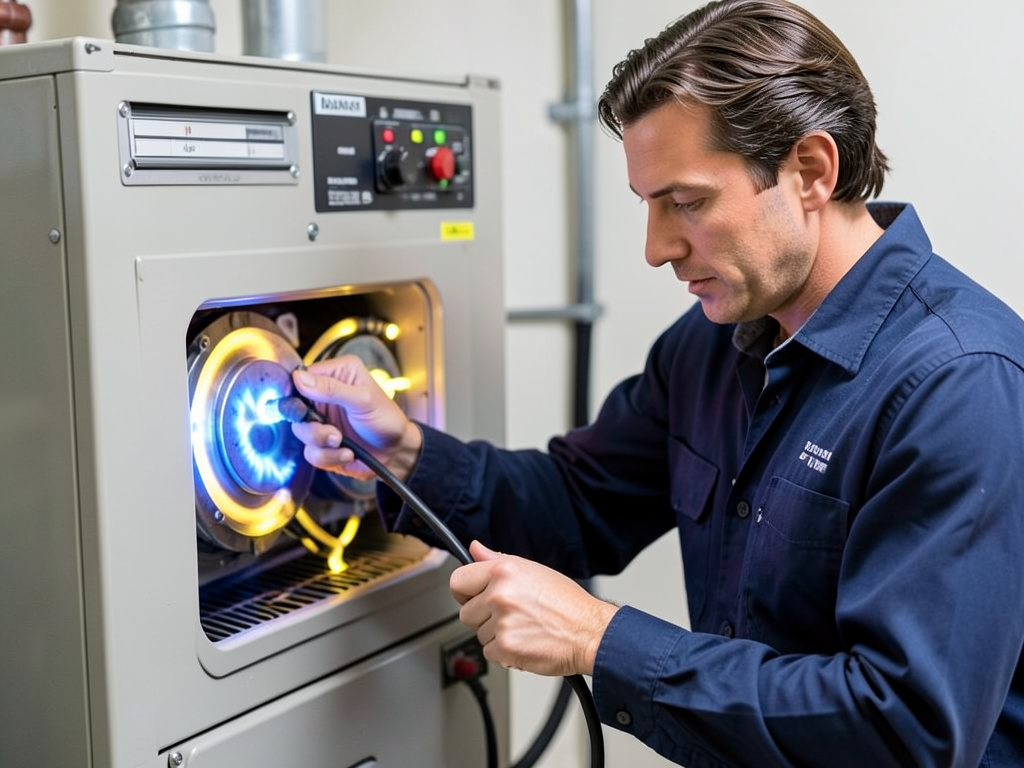
Photo of a technician using a combustion analyzer to test furnace emissions showing normal blue flame versus abnormal yellow flame patterns.
Physical Health Symptoms to Watch For
Cracked heat exchangers release carbon monoxide and other combustion byproducts into your home. These invisible gases cause symptoms that mimic common illnesses making them particularly dangerous. Pay attention to these warning signs especially if they improve when you leave the house.
- Headaches and dizziness Frequent unexplained headaches particularly when at home may indicate CO exposure.
- Nausea and fatigue Feeling sick or unusually tired without other explanations could signal carbon monoxide poisoning.
- Confusion or disorientation Difficulty concentrating or feeling mentally foggy especially in the evening hours points to CO exposure.
- Eye and throat irritation Burning sensations in your eyes nose or throat while the furnace runs suggest combustion byproducts in the air.
- Flu-like symptoms Multiple household members experiencing similar symptoms that improve when away from home strongly suggests CO exposure rather than illness.
Carbon monoxide is odorless and colorless. By the time you notice these symptoms the exposure may already be significant. Never ignore these warning signs.
Why Heat Exchangers Crack in SF Homes
San Francisco’s unique climate and building characteristics create specific challenges for furnace longevity. Understanding these factors helps you anticipate problems and maintain your system properly.
Our coastal location exposes metal components to salt air corrosion. The combination of moisture and salt accelerates oxidation creating weak points in the heat exchanger metal. Victorian and Edwardian homes common throughout the city often have original heating systems now decades beyond their intended lifespan.
Temperature fluctuations in San Francisco stress furnace components. The daily cycle of cooling at night and warming during the day causes metal expansion and contraction. Over years this thermal cycling creates microscopic cracks that grow larger with each heating season.
Many SF homes have undersized ductwork or poor insulation forcing furnaces to work harder than designed. This leads to overheating and excessive thermal stress on the heat exchanger. The California Energy Commission reports that properly sized and maintained systems last 30% longer than those operating under strain. California Title 24 energy standards.
According to the International Fuel Gas Code Section 304.6 heat exchangers must maintain specific temperature differentials to prevent stress cracking. When airflow restrictions or improper gas pressure force the system outside these parameters cracks develop more rapidly. International Fuel Gas Code Section 304.6.
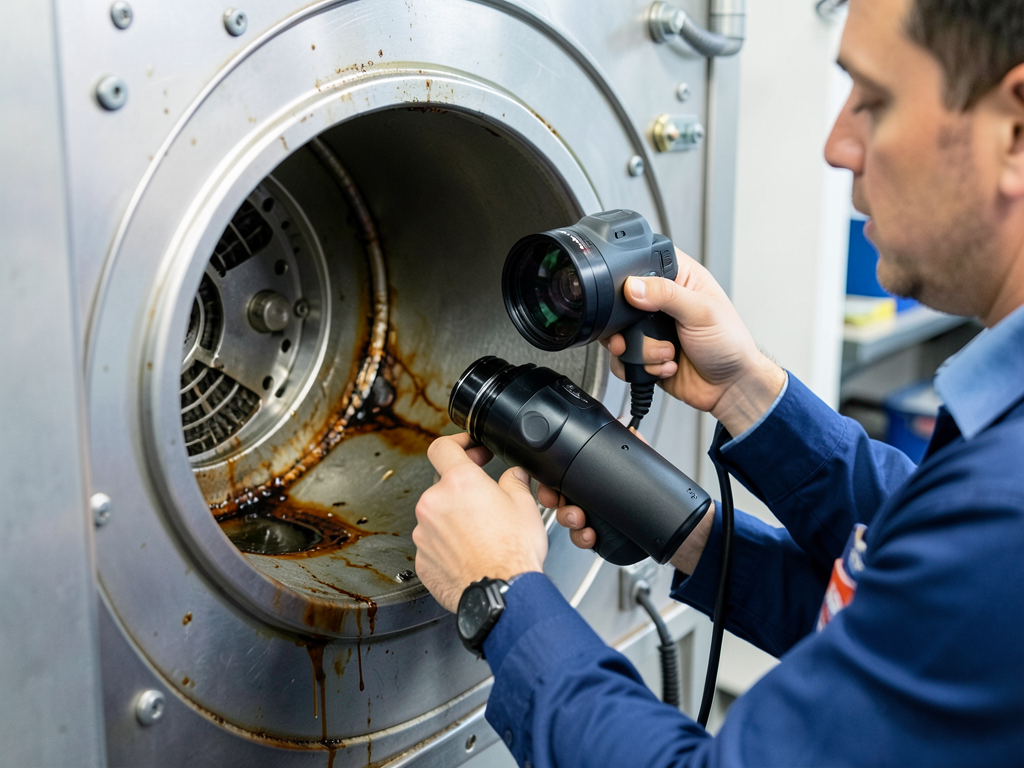
Technician using a borescope camera to inspect heat exchanger interior showing early-stage corrosion near a weld joint.
What to Do If You Suspect a Crack
Finding potential heat exchanger problems requires immediate action. Follow these steps to protect your household while getting professional help. Professional Commercial HVAC Maintenance for SOMA Office Buildings.
- Shut down the system
Turn off your furnace immediately at the thermostat and the emergency switch near the unit. This prevents further gas leakage.. Read more about That Burning Smell From Your Vents (Is It Normal or an Emergency?).
- Ventilate the space
Open windows and doors to dilute any accumulated gases. Fresh air circulation is critical while you arrange professional inspection.
- Evacuate if necessary
If anyone shows severe symptoms like confusion or loss of consciousness leave the building immediately and call emergency services.
- Avoid DIY inspection
Heat exchanger inspection requires specialized tools and training. Do not attempt to examine the unit yourself.
- Document symptoms
Write down when symptoms occur what you observe and any recent changes to your heating system. This helps technicians diagnose the problem.
- Call a certified technician
Only NATE-certified HVAC professionals should inspect heat exchangers. They use combustion analyzers and inspection cameras to detect cracks safely.
PG&E maintains authority to red-tag unsafe heating equipment. If they determine your furnace poses an immediate hazard they will shut off gas service until repairs are completed. This protects you but also means you cannot heat your home until the issue is resolved. Fast and Affordable AC Repair Services in Daly City and South San Francisco.
San Francisco Building Code Section 1602.1 requires all gas-fired equipment to maintain proper venting and combustion air supply. Violations can result in fines and mandatory system replacement.
Repair vs. Replace: San Francisco HVAC Standards
Deciding between repairing a cracked heat exchanger or replacing the entire furnace depends on several factors specific to Bay Area homes. Here is what to consider.
| Factor | Repair Heat Exchanger | Replace Entire Furnace |
|---|---|---|
| Unit Age | Under 10 years | Over 15 years |
| Cost Range | $800 – $1,500 | $3,000 – $6,000 |
| Energy Efficiency | Same as current | Up to 98% efficient |
| Warranty Impact | May void existing warranty | New full warranty |
| Safety Risk | High if not done perfectly | Eliminates heat exchanger risk |
| Permitting Required | Often not required | SF Building Permit needed |
Heat exchangers in San Francisco typically last 15 to 20 years under normal conditions. If your unit is approaching this age replacement often makes more financial sense. New high-efficiency furnaces can reduce heating costs by 30% or more while eliminating safety concerns.
California Title 24 energy standards now require minimum efficiency levels for new installations. Upgrading to a compliant system may qualify for rebates through Bay Area utility programs. The Best Way to Install Heat Pumps in Historic San Francisco Victorians.
Consider your home’s specific needs. Victorian homes in Pacific Heights often benefit from quieter variable-speed furnaces that minimize noise through historic walls. Homes in the Sunset District near the ocean may need enhanced corrosion protection due to salt air exposure. Quiet and Efficient Furnace Replacement Options for Pacific Heights Residents.
Professional inspection determines whether repair is even possible. Some cracks in older units cannot be safely welded due to metal fatigue. Technicians use dye penetrant testing and ultrasonic inspection to assess crack severity and determine the safest course of action.
Prevention Through Professional Maintenance
Annual furnace maintenance prevents most heat exchanger problems. Professional technicians perform specific tests that catch issues before they become dangerous.
Combustion analysis measures gas ratios and flame characteristics. Technicians check for proper venting draft and ensure exhaust gases reach required temperatures. They inspect the heat exchanger using mirrors and cameras to spot early corrosion or stress cracks.
Airflow measurement ensures your system moves the correct volume of air. Restricted airflow causes overheating and accelerates heat exchanger fatigue. Technicians clean burners and adjust gas pressure to maintain optimal combustion conditions.
San Francisco’s damp climate requires additional attention to condensation management. Proper drainage prevents water accumulation that accelerates corrosion. Technicians verify that condensate lines remain clear and that drain pans function correctly.
Regular filter changes prevent dust buildup that restricts airflow. Use high-quality filters rated for your specific system. Cheap filters allow particles to accumulate on heat exchanger surfaces reducing efficiency and promoting corrosion.
Schedule maintenance before heating season begins. This ensures your system operates safely when you need it most. Many SF homeowners wait until cold weather arrives only to discover problems that could have been prevented.
Local Resources and Support
San Francisco residents have access to specific resources for furnace safety and efficiency. PG&E offers free safety inspections for qualifying households. The Bay Area Air Quality Management District provides information on proper furnace operation and emissions standards.
Local HVAC contractors familiar with San Francisco building codes understand the unique challenges of our climate and architecture. They can recommend systems specifically designed for coastal conditions and older home construction.
When selecting a contractor verify their California Contractor License and check for NATE certification. These credentials ensure proper training and adherence to safety standards. Ask about experience with your specific furnace brand and model.
Consider joining neighborhood groups or online forums where SF residents share experiences with local HVAC companies. Personal recommendations often lead to finding trustworthy technicians who understand our specific needs.
Carbon monoxide detectors provide essential backup protection. Install detectors on every level of your home and near sleeping areas. Test them monthly and replace batteries annually. California law requires CO detectors in all residential units.
Take Action Today
Don’t wait for symptoms to appear. If your furnace is over ten years old or you cannot remember the last professional inspection schedule one today. Heat exchanger problems develop gradually but can become dangerous without warning.
Early detection saves money and protects your family. A simple inspection costs far less than emergency repairs or medical treatment for CO exposure. Plus you gain peace of mind knowing your heating system operates safely.
Call (628) 201-6600 today to schedule your comprehensive furnace inspection. Our NATE-certified technicians serve San Francisco neighborhoods from the Marina to the Mission and everywhere in between. We provide honest assessments and clear recommendations based on your specific situation.
Pick up the phone and call (628) 201-6600 before the next cold snap hits. Don’t risk your family’s safety with an aging furnace that may have hidden problems. Professional inspection is the only way to know for certain that your heat exchanger remains intact and your home stays safe.
Before and after comparison showing a clean heat exchanger versus one with visible cracks and corrosion requiring replacement.
Frequently Asked Questions
How long does a heat exchanger typically last in San Francisco?
Most heat exchangers last 15 to 20 years under normal conditions. San Francisco’s coastal environment with salt air and temperature fluctuations can reduce this to 12 to 15 years for some systems.
Can I continue using my furnace if I suspect a crack?
No. Operating a furnace with a cracked heat exchanger risks carbon monoxide poisoning. Shut down the system immediately and call a professional for inspection.
What does a cracked heat exchanger repair cost in SF?
Repair costs typically range from $800 to $1,500 depending on the crack location and furnace model. However, if your unit is over 15 years old replacement is often more cost-effective.
How can I tell if my carbon monoxide detector is working?
Test your CO detector monthly using the test button. Replace batteries annually and the entire unit every 5 to 7 years. Most detectors have an end-of-life signal that chirps when replacement is needed.
Do I need permits for heat exchanger replacement in San Francisco?
Simple heat exchanger repairs often don’t require permits. However, full furnace replacement requires a building permit from the San Francisco Department of Building Inspection to ensure code compliance.
{
“@context”: “https://schema.org”,
“@type”: “BlogPosting”,
“headline”: “Understanding the Warning Signs of a Cracked Heat Exchanger in Your Furnace”,
“description”: “Learn to spot cracked heat exchanger symptoms before they become dangerous. San Francisco HVAC expert explains CO risks, warning signs, and when to call for inspection.”,
“wordCount”: 2016,
“datePublished”: “2026-05-27T14:54:00.000Z”,
“dateModified”: “2026-05-27T14:54:00.000Z”,
“inLanguage”: “en-US”,
“mainEntityOfPage”: {
“@type”: “WebPage”,
“@id”: “https://atlashvacsanfrancisco.com”
},
“publisher”: {
“@type”: “LocalBusiness”,
“name”: “Atlas HVAC San Francisco”,
“url”: “https://atlashvacsanfrancisco.com”
},
“author”: {
“@type”: “Organization”,
“name”: “Atlas HVAC San Francisco”,
“url”: “https://atlashvacsanfrancisco.com”
},
“image”: {
“@type”: “ImageObject”,
“url”: “https://atlashvacsanfrancisco.com/wp-content/uploads/2026/03/understanding-the-warning-signs-of-a-cracked-heat-1.png”
}
}
{
“@context”: “https://schema.org”,
“@type”: “HVACBusiness”,
“name”: “Atlas HVAC San Francisco”,
“url”: “https://atlashvacsanfrancisco.com”,
“address”: {
“@type”: “PostalAddress”,
“addressLocality”: “San Francisco”
},
“areaServed”: {
“@type”: “City”,
“name”: “San Francisco”
}
}
{
“@context”: “https://schema.org”,
“@type”: “FAQPage”,
“mainEntity”: [
{
“@type”: “Question”,
“name”: “How long does a heat exchanger typically last in San Francisco?”,
“acceptedAnswer”: {
“@type”: “Answer”,
“text”: “Most heat exchangers last 15 to 20 years under normal conditions. San Francisco’s coastal environment with salt air and temperature fluctuations can reduce this to 12 to 15 years for some systems.”
}
},
{
“@type”: “Question”,
“name”: “Can I continue using my furnace if I suspect a crack?”,
“acceptedAnswer”: {
“@type”: “Answer”,
“text”: “No. Operating a furnace with a cracked heat exchanger risks carbon monoxide poisoning. Shut down the system immediately and call a professional for inspection.”
}
},
{
“@type”: “Question”,
“name”: “What does a cracked heat exchanger repair cost in SF?”,
“acceptedAnswer”: {
“@type”: “Answer”,
“text”: “Repair costs typically range from $800 to $1,500 depending on the crack location and furnace model. However, if your unit is over 15 years old replacement is often more cost-effective.”
}
},
{
“@type”: “Question”,
“name”: “How can I tell if my carbon monoxide detector is working?”,
“acceptedAnswer”: {
“@type”: “Answer”,
“text”: “Test your CO detector monthly using the test button. Replace batteries annually and the entire unit every 5 to 7 years. Most detectors have an end-of-life signal that chirps when replacement is needed.”
}
},
{
“@type”: “Question”,
“name”: “Do I need permits for heat exchanger replacement in San Francisco?”,
“acceptedAnswer”: {
“@type”: “Answer”,
“text”: “Simple heat exchanger repairs often don’t require permits. However, full furnace replacement requires a building permit from the San Francisco Department of Building Inspection to ensure code compliance.”
}
}
]
}
{
“@context”: “https://schema.org”,
“@type”: “HowTo”,
“name”: “Emergency Heat Exchanger Safety”,
“step”: [
{
“@type”: “HowToStep”,
“position”: 1,
“name”: “Shut down the system”,
“text”: “Turn off your furnace immediately at the thermostat and the emergency switch near the unit. This prevents further gas leakage.”
},
{
“@type”: “HowToStep”,
“position”: 2,
“name”: “Ventilate the space”,
“text”: “Open windows and doors to dilute any accumulated gases. Fresh air circulation is critical while you arrange professional inspection.”
},
{
“@type”: “HowToStep”,
“position”: 3,
“name”: “Evacuate if necessary”,
“text”: “If anyone shows severe symptoms like confusion or loss of consciousness leave the building immediately and call emergency services.”
},
{
“@type”: “HowToStep”,
“position”: 4,
“name”: “Avoid DIY inspection”,
“text”: “Heat exchanger inspection requires specialized tools and training. Do not attempt to examine the unit yourself.”
},
{
“@type”: “HowToStep”,
“position”: 5,
“name”: “Document symptoms”,
“text”: “Write down when symptoms occur what you observe and any recent changes to your heating system. This helps technicians diagnose the problem.”
},
{
“@type”: “HowToStep”,
“position”: 6,
“name”: “Call a certified technician”,
“text”: “Only NATE-certified HVAC professionals should inspect heat exchangers. They use combustion analyzers and inspection cameras to detect cracks safely.”
}
],
“image”: “https://atlashvacsanfrancisco.com/wp-content/uploads/2026/03/understanding-the-warning-signs-of-a-cracked-heat-1.png”
}
{
“@context”: “https://schema.org”,
“@type”: “BreadcrumbList”,
“itemListElement”: [
{
“@type”: “ListItem”,
“position”: 1,
“name”: “Home”,
“item”: “https://atlashvacsanfrancisco.com”
},
{
“@type”: “ListItem”,
“position”: 2,
“name”: “Blog”,
“item”: “https://atlashvacsanfrancisco.com/blog”
},
{
“@type”: “ListItem”,
“position”: 3,
“name”: “Understanding the Warning Signs of a Cracked Heat Exchanger in Your Furnace”
}
]
}
{
“@context”: “https://schema.org”,
“@type”: “Service”,
“serviceType”: “HVAC”,
“provider”: {
“@type”: “LocalBusiness”,
“name”: “Atlas HVAC San Francisco”,
“url”: “https://atlashvacsanfrancisco.com”
},
“areaServed”: {
“@type”: “City”,
“name”: “San Francisco”
},
“description”: “Learn to spot cracked heat exchanger symptoms before they become dangerous. San Francisco HVAC expert explains CO risks, warning signs, and when to call for inspection.”
}