
Carbon Monoxide Safety: The San Francisco Homeowner’s Essential Guide
Carbon monoxide is an invisible threat that can build up in your San Francisco home without warning. This odorless colorless gas can cause serious illness or death before you even realize there’s a problem. Every furnace produces some CO during normal operation but a properly functioning system vents it safely outside. When something goes wrong with your heating system or ventilation you could be at risk. Understanding the dangers and taking proper precautions is essential for every San Francisco homeowner. Who to Call for 24 Hour Emergency Heating Repair in San Francisco.
What is Carbon Monoxide and Why is it the ‘Silent Killer’?
Carbon monoxide forms when fuels like natural gas oil or propane burn incompletely. Your furnace produces CO as part of its normal combustion process but the heat exchanger and venting system are designed to keep it contained and direct it outside. Problems occur when the heat exchanger cracks or the flue becomes blocked. The gas then leaks into your living space where it can quickly reach dangerous levels. CO prevents your blood from carrying oxygen to your organs and tissues which can cause severe damage or death within minutes at high concentrations.
Recognizing the Symptoms of CO Poisoning
CO poisoning symptoms often mimic the flu without the fever. You might experience headache dizziness nausea vomiting chest pain and confusion. People often dismiss these warning signs until it’s too late. The symptoms can affect everyone in your home simultaneously which is a key indicator that CO might be present. Pets may show signs first since they are more sensitive to the gas. If multiple people feel ill when the furnace runs or symptoms improve when you leave the house you should evacuate immediately and call emergency services.. Read more about Should You Repair or Replace That Aging Furnace in Your Forest Hill Home.
Common HVAC Sources of CO in SF Homes
Older San Francisco homes face unique CO risks. Many Victorians and Edwardians still have floor furnaces or wall heaters that weren’t designed for modern safety standards. These units can develop cracks in their heat exchangers over decades of use. Blocked chimneys from bird nests or debris are common in our area’s older housing stock. Some homes have unvented space heaters that should never be used as primary heating sources. Even modern high-efficiency furnaces can produce dangerous CO if installed incorrectly or if their condensate drains become blocked. The Best Way to Install Heat Pumps in Historic San Francisco Victorians.
CO Detector Requirements in San Francisco
California Senate Bill 183 requires CO detectors in all single-family homes with attached garages or fossil fuel sources. San Francisco building code goes further requiring detectors on every level of your home including basements. You need one within 15 feet of each sleeping area. The devices must be approved by Underwriters Laboratories and have a battery backup if hardwired. Many SF homeowners don’t realize their Victorian homes need multiple detectors even if they only have one furnace. The law applies to both homeowners and landlords with rental properties. California Title 24 Energy Standards.
The Role of Professional HVAC Maintenance
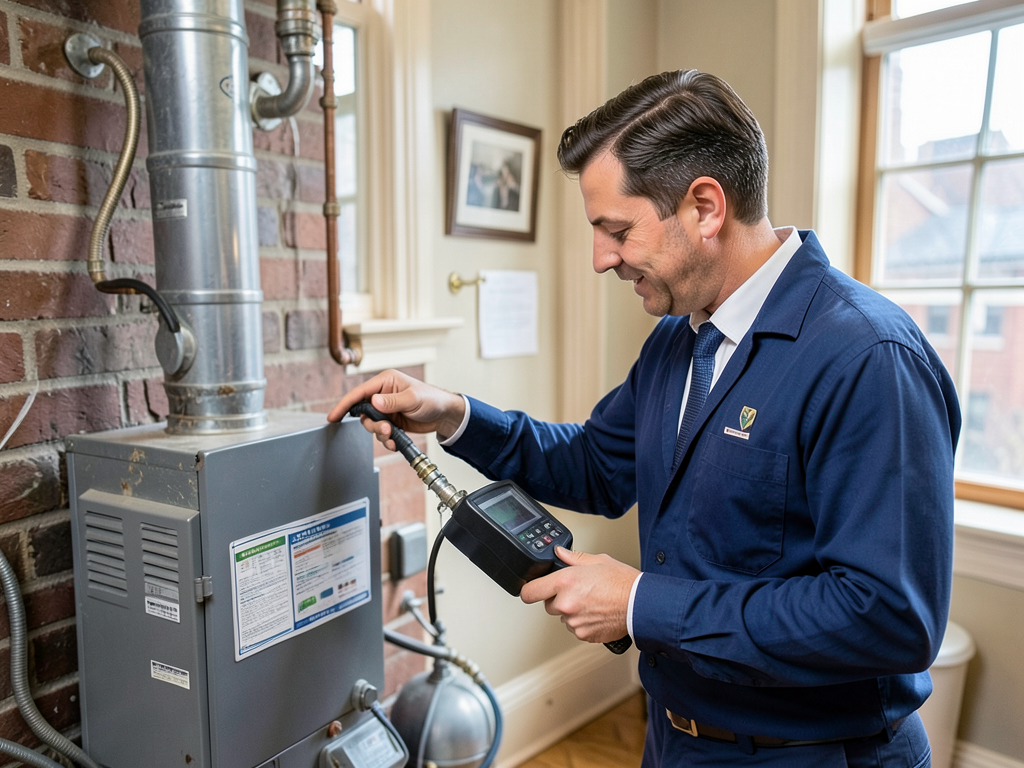
Annual furnace inspections are your best defense against CO leaks. A qualified technician performs combustion analysis using specialized equipment to measure CO levels in your flue gases. They check the heat exchanger for cracks using visual inspection and sometimes infrared cameras. The venting system gets examined for blockages corrosion or improper slope. Technicians also verify that your furnace has proper draft and that all safety controls function correctly. These 21-point inspections catch problems before they become dangerous.
Emergency Protocol: What to do if your alarm sounds
If your CO detector sounds immediate action saves lives. Evacuate everyone from your home including pets. Call 911 from outside or a neighbor’s house. Do not re-enter your home under any circumstances. Contact PG&E at 1-800-743-5000 to request a safety check. They will inspect your gas appliances and shut off service if they find a hazard. Only return when emergency responders declare your home safe. Have your furnace inspected by a qualified HVAC contractor before using it again.
CO Detector Placement and Maintenance
Proper placement maximizes your protection. Install detectors on every level including basements and near sleeping areas. Place them at least 15 feet from fuel-burning appliances to avoid false alarms. Mount them on walls about five feet above the floor or on ceilings at least six inches from walls. Test your detectors monthly by pressing the test button. Replace batteries twice yearly when you change your clocks. Replace the entire unit every five to seven years according to manufacturer specifications.
Understanding CO Levels and Alarm Thresholds
CO detectors are designed to sound before CO reaches dangerous levels. Most alarms activate when CO concentration reaches 70 parts per million for one to four hours. Lower levels between 30 and 50 ppm may not trigger the alarm but can still cause health effects with prolonged exposure. This is why professional monitoring and maintenance matter. A combustion analysis can detect problems before your alarm ever sounds giving you time to fix issues safely. Professional Commercial HVAC Maintenance for SOMA Office Buildings.
Special Considerations for San Francisco’s Housing Stock
San Francisco’s unique housing presents specific challenges. Many older buildings have shared venting systems that can cause backdrafting when multiple appliances run simultaneously. The city’s microclimates mean some homes need heating more often than others leading to different wear patterns. Victorian homes often have poor insulation causing furnaces to cycle more frequently which increases stress on heat exchangers. Basement apartments may have fuel-burning appliances in enclosed spaces creating additional risks. Understanding these factors helps you make informed safety decisions.
Carbon Monoxide Monitors vs Alarms
CO alarms are designed to alert you at dangerous levels but monitors provide continuous digital readouts of CO concentration. Monitors can detect problems at much lower levels giving you early warning of developing issues. Some advanced systems integrate with smart home technology sending alerts to your phone even when you’re away. While not required by code these devices provide an extra layer of protection especially valuable in homes with elderly residents young children or anyone with health conditions.
Professional Installation and Replacement Services
Professional installation ensures your CO detectors work correctly. Technicians know the optimal locations for maximum coverage and can identify potential interference sources. They can also install hardwired systems with battery backup that meet all code requirements. When it’s time to replace old furnaces professionals can recommend high-efficiency models with advanced safety features like sealed combustion chambers and automatic shutoff systems. These modern units significantly reduce CO risks compared to older equipment.
Seasonal Safety Checklist for SF Homeowners
Before heating season begins test all CO detectors and replace batteries if needed. Schedule professional furnace maintenance to check for heat exchanger cracks and venting issues. Clear any debris from around outdoor vents and ensure indoor vents aren’t blocked by furniture or storage. Check that your chimney cap is intact to prevent animal nesting. Test your detector’s battery backup by tripping your home’s main breaker. These simple steps can prevent emergencies.
Insurance and Liability Considerations
Many insurance companies offer discounts for homes with properly installed CO detectors. Some policies require documentation of annual HVAC maintenance to maintain coverage. Landlords face additional liability risks and must comply with all local safety regulations. Installing quality detectors and maintaining your heating system not only protects your family but also reduces your legal and financial exposure. Keep records of all maintenance and detector installations as proof of due diligence.
Frequently Asked Questions
How often should I replace my CO detector?
Replace CO detectors every 5-7 years depending on the manufacturer’s specifications. The sensors degrade over time and may not detect dangerous levels after this period. Write the installation date on the back with a permanent marker to track when replacement is due.
Can I install CO detectors myself?
Yes you can install battery-operated CO detectors yourself following the manufacturer’s instructions. However hardwired systems require a licensed electrician. Professional installation ensures optimal placement and proper integration with your home’s electrical system.
What’s the difference between CO and smoke detectors?
CO detectors sense carbon monoxide gas while smoke detectors sense airborne particles from combustion. You need both types of protection since they detect different hazards. Some combination units provide both functions but ensure they meet all local code requirements.
How do I know if my furnace is producing CO?
You cannot see smell or taste CO so professional testing is the only reliable method. Signs of potential problems include yellow flames instead of blue soot around the unit or excessive moisture on windows. Annual professional maintenance is essential for safety.
Take Action Today to Protect Your Family
Carbon monoxide poisoning is preventable with the right knowledge and precautions. Test your detectors today replace old units and schedule professional furnace maintenance before the next heating season. Don’t wait for an emergency to discover problems with your system. Your family’s safety depends on taking these simple but critical steps now.
Call (628) 201-6600 today to schedule your comprehensive furnace inspection and CO safety assessment. Our certified technicians will check your entire heating system for potential hazards and ensure your home meets all San Francisco safety requirements. Don’t risk your family’s health with outdated equipment or missing detectors. Pick up the phone and call (628) 201-6600 before the next cold snap hits.
Remember that CO safety isn’t just about having detectors it’s about having a complete system that includes proper equipment maintenance ventilation and emergency preparedness. Take the first step toward protecting your San Francisco home by contacting our team today. For more information, visit CDC Carbon Monoxide Safety Information.
{
“@context”: “https://schema.org”,
“@type”: “BlogPosting”,
“headline”: “Why Every San Francisco Homeowner Needs a Carbon Monoxide Detector Near Their Furnace”,
“description”: “Protect your family from the ‘silent killer’ with proper CO detector placement near your furnace. Learn San Francisco’s specific safety requirements and maintenance tips.”,
“wordCount”: 1603,
“datePublished”: “2026-04-13T12:02:00.000Z”,
“dateModified”: “2026-04-13T12:02:00.000Z”,
“inLanguage”: “en-US”,
“mainEntityOfPage”: {
“@type”: “WebPage”,
“@id”: “https://atlashvacsanfrancisco.com”
},
“publisher”: {
“@type”: “LocalBusiness”,
“name”: “Atlas HVAC San Francisco”,
“url”: “https://atlashvacsanfrancisco.com”
},
“author”: {
“@type”: “Organization”,
“name”: “Atlas HVAC San Francisco”,
“url”: “https://atlashvacsanfrancisco.com”
},
“image”: {
“@type”: “ImageObject”,
“url”: “https://atlashvacsanfrancisco.com/wp-content/uploads/2026/03/why-every-san-francisco-homeowner-needs-a-carbon-m-1.png”
}
}
{
“@context”: “https://schema.org”,
“@type”: “HVACBusiness”,
“name”: “Atlas HVAC San Francisco”,
“url”: “https://atlashvacsanfrancisco.com”,
“address”: {
“@type”: “PostalAddress”,
“addressLocality”: “San Francisco”
},
“areaServed”: {
“@type”: “City”,
“name”: “San Francisco”
}
}
{
“@context”: “https://schema.org”,
“@type”: “FAQPage”,
“mainEntity”: [
{
“@type”: “Question”,
“name”: “What is Carbon Monoxide and Why is it the ‘Silent Killer’?”,
“acceptedAnswer”: {
“@type”: “Answer”,
“text”: “Carbon monoxide forms when fuels like natural gas oil or propane burn incompletely. Your furnace produces CO as part of its normal combustion process but the heat exchanger and venting system are designed to keep it contained and direct it outside. Problems occur when the heat exchanger cracks or the flue becomes blocked. The gas then leaks into your living space where it can quickly reach dangerous levels. CO prevents your blood from carrying oxygen to your organs and tissues which can cause severe damage or death within minutes at high concentrations.”
}
},
{
“@type”: “Question”,
“name”: “How often should I replace my CO detector?”,
“acceptedAnswer”: {
“@type”: “Answer”,
“text”: “Replace CO detectors every 5-7 years depending on the manufacturer’s specifications. The sensors degrade over time and may not detect dangerous levels after this period. Write the installation date on the back with a permanent marker to track when replacement is due.”
}
},
{
“@type”: “Question”,
“name”: “Can I install CO detectors myself?”,
“acceptedAnswer”: {
“@type”: “Answer”,
“text”: “Yes you can install battery-operated CO detectors yourself following the manufacturer’s instructions. However hardwired systems require a licensed electrician. Professional installation ensures optimal placement and proper integration with your home’s electrical system.”
}
},
{
“@type”: “Question”,
“name”: “What’s the difference between CO and smoke detectors?”,
“acceptedAnswer”: {
“@type”: “Answer”,
“text”: “CO detectors sense carbon monoxide gas while smoke detectors sense airborne particles from combustion. You need both types of protection since they detect different hazards. Some combination units provide both functions but ensure they meet all local code requirements.”
}
},
{
“@type”: “Question”,
“name”: “How do I know if my furnace is producing CO?”,
“acceptedAnswer”: {
“@type”: “Answer”,
“text”: “You cannot see smell or taste CO so professional testing is the only reliable method. Signs of potential problems include yellow flames instead of blue soot around the unit or excessive moisture on windows. Annual professional maintenance is essential for safety.”
}
}
]
}
{
“@context”: “https://schema.org”,
“@type”: “BreadcrumbList”,
“itemListElement”: [
{
“@type”: “ListItem”,
“position”: 1,
“name”: “Home”,
“item”: “https://atlashvacsanfrancisco.com”
},
{
“@type”: “ListItem”,
“position”: 2,
“name”: “Blog”,
“item”: “https://atlashvacsanfrancisco.com/blog”
},
{
“@type”: “ListItem”,
“position”: 3,
“name”: “Why Every San Francisco Homeowner Needs a Carbon Monoxide Detector Near Their Furnace”
}
]
}
{
“@context”: “https://schema.org”,
“@type”: “Service”,
“serviceType”: “HVAC”,
“provider”: {
“@type”: “LocalBusiness”,
“name”: “Atlas HVAC San Francisco”,
“url”: “https://atlashvacsanfrancisco.com”
},
“areaServed”: {
“@type”: “City”,
“name”: “San Francisco”
},
“description”: “Protect your family from the ‘silent killer’ with proper CO detector placement near your furnace. Learn San Francisco’s specific safety requirements and maintenance tips.”
}