
Why San Francisco Homeowners are Pairing Heat Pump HVAC with Heat Pump Water Heaters
San Francisco homeowners are increasingly turning to heat pump systems as the city pushes toward electrification. The combination of heat pump HVAC and heat pump water heaters offers significant energy savings, reduced carbon emissions, and access to generous local rebates. This guide explains why pairing these systems makes sense for Bay Area homes and what the installation process involves. Energy Department heat pump guide.
Understanding Heat Pump Technology
Heat pumps work by moving heat rather than generating it. During winter, they extract heat from outdoor air and transfer it inside. In summer, the process reverses to provide cooling. Modern heat pumps operate efficiently even in San Francisco’s mild climate, where temperatures rarely drop below freezing. The Best Way to Install Heat Pumps in Historic San Francisco Victorians.
Heat pump water heaters use the same principle to heat water. They pull heat from surrounding air and transfer it to a storage tank. This process uses about 60% less energy than traditional electric resistance water heaters or gas-fired units.
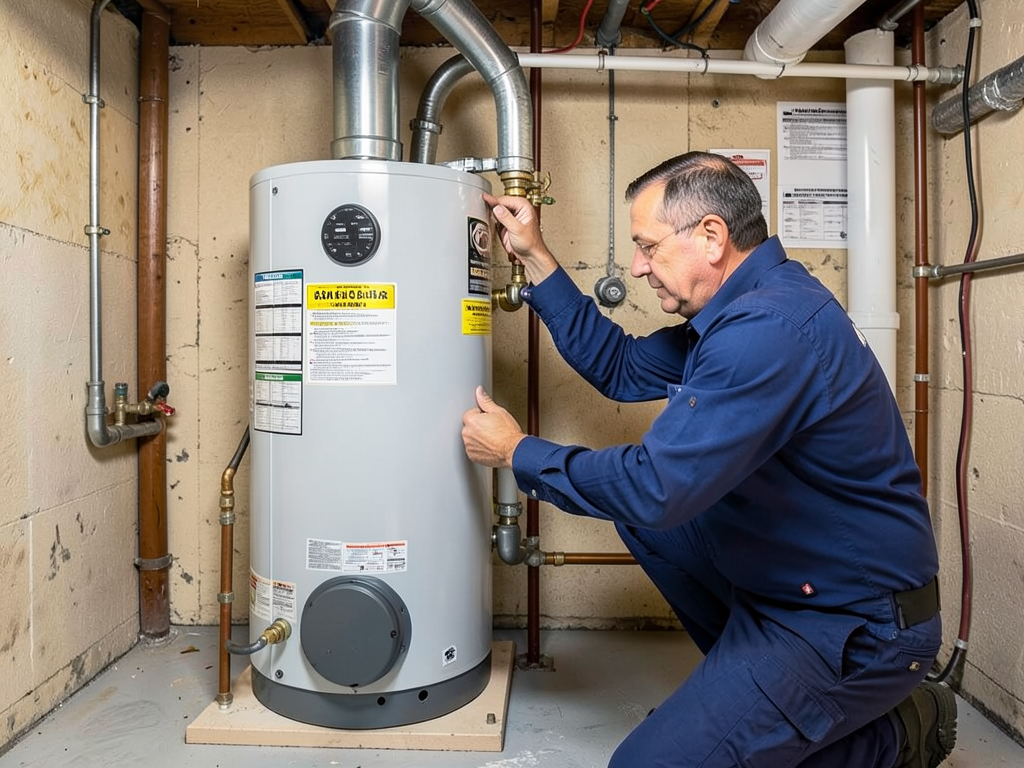
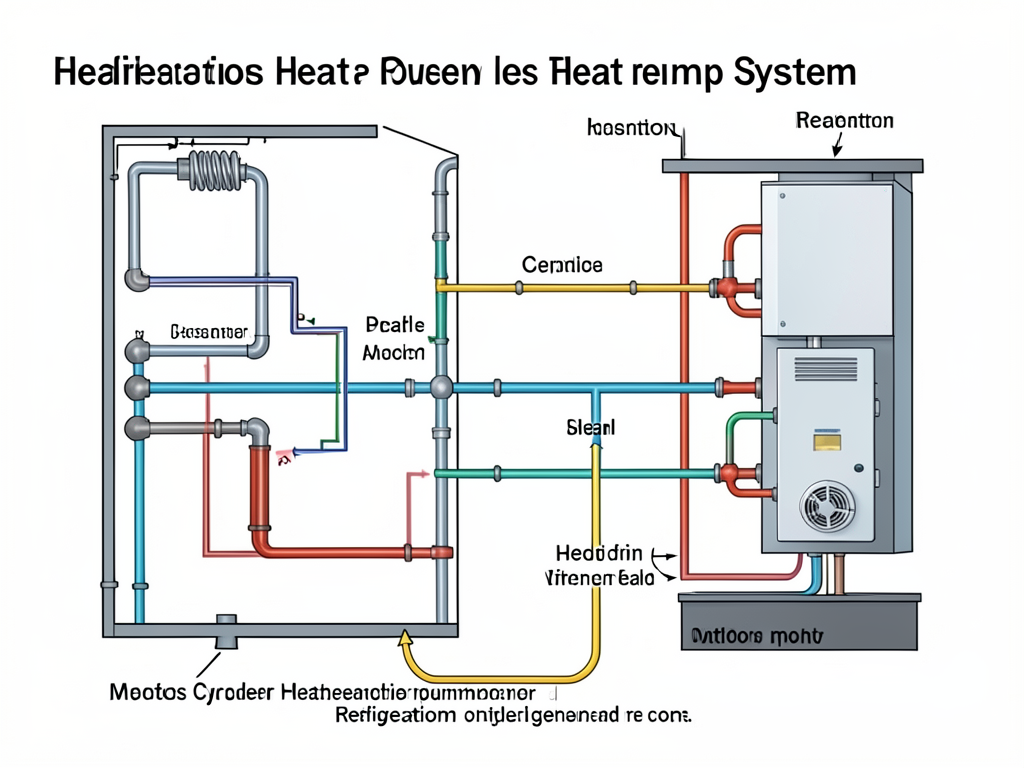
Diagram showing the refrigeration cycle in heat pump systems, illustrating how heat moves between indoor and outdoor coils.. Read more about Financing Your New HVAC System with Local San Francisco Energy Efficiency Loans.
Why Pair Both Systems
Installing both heat pump HVAC and heat pump water heaters together offers several advantages. First, both systems share similar electrical requirements, making panel upgrades more cost-effective when done simultaneously. Second, homeowners can maximize available rebates by electrifying multiple appliances at once.. Read more about Preparing Your Home Electrical Panel for a Future Heat Pump Upgrade.
Third, the combined systems reduce indoor air quality issues. Heat pump water heaters dehumidify the space they occupy, which helps prevent mold growth in San Francisco’s damp climate. Meanwhile, modern heat pump HVAC systems include advanced filtration that removes allergens and pollutants.
San Francisco’s Electrification Push
The city’s Climate Action Plan aims to reduce greenhouse gas emissions by 80% by 2050. New building codes increasingly favor all-electric construction, and existing homes are encouraged to transition away from natural gas. The Bay Area Air Quality Management District has also implemented stricter emissions standards for home appliances.
PG&E’s aging gas infrastructure in San Francisco neighborhoods like the Sunset District and Richmond means gas service disruptions are becoming more common. Electric heat pumps provide reliable heating and cooling without dependence on gas lines. Who to Call for 24 Hour Emergency Heating Repair in San Francisco.
Financial Incentives Available
BayREN (Bay Area Regional Energy Network) offers rebates up to $3,000 for heat pump HVAC installations and $1,000 for heat pump water heaters. TECH Clean California provides additional incentives when both systems are installed together. The federal Inflation Reduction Act offers tax credits covering 30% of equipment costs. BayREN rebate programs.
San Francisco’s Department of the Environment also provides low-interest financing through the Property Assessed Clean Energy (PACE) program. These programs can reduce upfront costs by 30-50% for qualifying homeowners.
Technician installing a heat pump water heater in a San Francisco basement, showing proper clearance and ventilation requirements.
Panel Upgrade Requirements
Most San Francisco homes built before 1980 have 100-amp electrical panels. Heat pump systems typically require 200-amp service. The California Electrical Code Article 210.21(B)(3) mandates proper load calculations before any major electrical work.
Older homes in neighborhoods like Noe Valley and Bernal Heights often have outdated wiring that cannot support modern heat pump loads. A licensed electrician must perform a load calculation following NEC Article 220 to determine if your panel needs upgrading.
Installation Process Overview
The installation process begins with a home energy audit to assess insulation levels and air sealing needs. Next, contractors perform Manual J calculations to properly size both systems. This prevents oversizing, which reduces efficiency and comfort.
Permitting through the San Francisco Department of Building Inspection typically takes 2-4 weeks. Inspectors verify that installations meet Title 24 energy efficiency standards and seismic anchoring requirements for earthquake safety.
- Energy Assessment
Technician evaluates home insulation, windows, and existing HVAC performance to determine system requirements.
- Load Calculation
Manual J calculation determines exact heating and cooling loads based on square footage, orientation, and local climate data.
- System Design
Engineers select appropriate equipment sizes and determine optimal placement for both indoor and outdoor units.
- Permit Acquisition
Submit plans to San Francisco DBI for approval, including electrical load calculations and seismic anchoring details.
- Installation
Remove old equipment, install new systems, and connect to existing ductwork or install new ducting as needed.
- Testing and Commissioning
Verify system performance, check refrigerant levels, and calibrate thermostats for optimal efficiency.
Performance in San Francisco’s Climate
San Francisco’s climate zone 3 designation means mild winters and cool summers. Heat pumps excel here because they rarely need to operate at extreme temperatures. The city’s average winter low of 45°F is well within heat pump efficiency range.
Coastal areas like the Marina and Pacific Heights experience more fog and humidity. Heat pump water heaters work particularly well in these areas because they dehumidify while heating water. This helps prevent the mold issues common in foggy neighborhoods.
Common Installation Challenges
Victorian homes in the Mission District often have limited outdoor space for heat pump condensers. Contractors must carefully select compact units and position them to minimize noise impact on neighbors. San Francisco’s noise ordinances restrict outdoor equipment operation between 10 PM and 7 AM.
Many older homes have asbestos-wrapped ductwork that requires professional removal before new systems can be installed. This adds time and cost but is necessary for safety and code compliance. Professional Commercial HVAC Maintenance for SOMA Office Buildings.
Before and after comparison showing heat pump HVAC installation in a San Francisco Victorian home, highlighting minimal exterior impact.
Maintenance Requirements
Heat pump systems require annual professional maintenance to maintain efficiency. Technicians check refrigerant levels, clean coils, and inspect electrical connections. Heat pump water heaters need periodic anode rod replacement and tank flushing to prevent sediment buildup.
San Francisco’s salty air near the Embarcadero and Fisherman’s Wharf accelerates corrosion on outdoor units. Protective coatings and regular cleaning extend equipment life in these areas.
Cost Considerations
A complete heat pump HVAC and water heater installation typically costs $15,000-$25,000 before rebates. Heat pump HVAC alone runs $8,000-$15,000, while heat pump water heaters cost $2,500-$4,500 installed.
Homeowners often recover these costs through energy savings within 5-7 years. Heat pump HVAC uses 50% less energy than gas furnaces, while heat pump water heaters save $200-$400 annually compared to electric resistance models.
Choosing the Right Contractor
Look for contractors with North American Technician Excellence (NATE) certification and experience with California Title 24 compliance. Ask for references from other San Francisco homeowners and verify their California C-20 license status through the Contractors State License Board.
Reputable contractors provide detailed Manual J calculations and explain their equipment recommendations. They should also handle permit acquisition and coordinate with your electrician for any necessary panel upgrades.
Frequently Asked Questions
Do heat pumps work in San Francisco’s cool climate?
Yes, modern heat pumps operate efficiently at temperatures as low as 25°F. San Francisco’s mild climate means heat pumps rarely operate outside their optimal range, providing consistent comfort year-round. Quiet and Efficient Furnace Replacement Options for Pacific Heights Residents.
How long does installation take?
Installation typically requires 2-3 days for the HVAC system and 1 day for the water heater. Total project duration including permitting is usually 4-6 weeks from contract signing.
Will I need to replace my ductwork?
Not necessarily. Many San Francisco homes can use existing ductwork with modifications. However, older ducts often leak 20-30% of conditioned air, so sealing or replacement may be recommended for optimal efficiency.
Are heat pump water heaters noisy?
Modern units operate at 45-55 decibels, similar to a refrigerator. Proper installation in basements or garages minimizes noise impact. San Francisco building codes require sound blankets for units installed near bedrooms.
What rebates are currently available?
BayREN offers up to $3,000 for heat pump HVAC and $1,000 for heat pump water heaters. TECH Clean California provides additional incentives when both are installed together. Federal tax credits cover 30% of costs through 2032.
Ready to electrify your home? Call (628) 201-6600 today to schedule your free energy assessment and learn about available rebates for your San Francisco home.
You may also find this helpful. Managing High Utility Bills in Miraloma Park Homes with Better HVAC Insulation.
{
“@context”: “https://schema.org”,
“@type”: “BlogPosting”,
“headline”: “Why San Francisco Homeowners are Pairing Heat Pump HVAC with Heat Pump Water Heaters”,
“description”: “Discover why San Francisco homeowners are switching to all-electric heat pump systems. Learn about rebates, installation, and the benefits of pairing HVAC with water heaters.”,
“wordCount”: 1350,
“datePublished”: “2026-05-08T08:37:00.000Z”,
“dateModified”: “2026-05-08T08:37:00.000Z”,
“inLanguage”: “en-US”,
“mainEntityOfPage”: {
“@type”: “WebPage”,
“@id”: “https://atlashvacsanfrancisco.com”
},
“publisher”: {
“@type”: “LocalBusiness”,
“name”: “Atlas HVAC San Francisco”,
“url”: “https://atlashvacsanfrancisco.com”
},
“author”: {
“@type”: “Organization”,
“name”: “Atlas HVAC San Francisco”,
“url”: “https://atlashvacsanfrancisco.com”
},
“image”: {
“@type”: “ImageObject”,
“url”: “https://atlashvacsanfrancisco.com/wp-content/uploads/2026/03/why-san-francisco-homeowners-are-pairing-heat-pump-1.png”
}
}
{
“@context”: “https://schema.org”,
“@type”: “HVACBusiness”,
“name”: “Atlas HVAC San Francisco”,
“url”: “https://atlashvacsanfrancisco.com”,
“address”: {
“@type”: “PostalAddress”,
“addressLocality”: “San Francisco”
},
“areaServed”: {
“@type”: “City”,
“name”: “San Francisco”
}
}
{
“@context”: “https://schema.org”,
“@type”: “FAQPage”,
“mainEntity”: [
{
“@type”: “Question”,
“name”: “Do heat pumps work in San Francisco’s cool climate?”,
“acceptedAnswer”: {
“@type”: “Answer”,
“text”: “Yes, modern heat pumps operate efficiently at temperatures as low as 25°F. San Francisco’s mild climate means heat pumps rarely operate outside their optimal range, providing consistent comfort year-round. Quiet and Efficient Furnace Replacement Options for Pacific Heights Residents.”
}
},
{
“@type”: “Question”,
“name”: “How long does installation take?”,
“acceptedAnswer”: {
“@type”: “Answer”,
“text”: “Installation typically requires 2-3 days for the HVAC system and 1 day for the water heater. Total project duration including permitting is usually 4-6 weeks from contract signing.”
}
},
{
“@type”: “Question”,
“name”: “Will I need to replace my ductwork?”,
“acceptedAnswer”: {
“@type”: “Answer”,
“text”: “Not necessarily. Many San Francisco homes can use existing ductwork with modifications. However, older ducts often leak 20-30% of conditioned air, so sealing or replacement may be recommended for optimal efficiency.”
}
},
{
“@type”: “Question”,
“name”: “Are heat pump water heaters noisy?”,
“acceptedAnswer”: {
“@type”: “Answer”,
“text”: “Modern units operate at 45-55 decibels, similar to a refrigerator. Proper installation in basements or garages minimizes noise impact. San Francisco building codes require sound blankets for units installed near bedrooms.”
}
},
{
“@type”: “Question”,
“name”: “What rebates are currently available?”,
“acceptedAnswer”: {
“@type”: “Answer”,
“text”: “BayREN offers up to $3,000 for heat pump HVAC and $1,000 for heat pump water heaters. TECH Clean California provides additional incentives when both are installed together. Federal tax credits cover 30% of costs through 2032.”
}
}
]
}
{
“@context”: “https://schema.org”,
“@type”: “HowTo”,
“name”: “Heat Pump Installation Process”,
“step”: [
{
“@type”: “HowToStep”,
“position”: 1,
“name”: “Energy Assessment”,
“text”: “Technician evaluates home insulation, windows, and existing HVAC performance to determine system requirements.”
},
{
“@type”: “HowToStep”,
“position”: 2,
“name”: “Load Calculation”,
“text”: “Manual J calculation determines exact heating and cooling loads based on square footage, orientation, and local climate data.”
},
{
“@type”: “HowToStep”,
“position”: 3,
“name”: “System Design”,
“text”: “Engineers select appropriate equipment sizes and determine optimal placement for both indoor and outdoor units.”
},
{
“@type”: “HowToStep”,
“position”: 4,
“name”: “Permit Acquisition”,
“text”: “Submit plans to San Francisco DBI for approval, including electrical load calculations and seismic anchoring details.”
},
{
“@type”: “HowToStep”,
“position”: 5,
“name”: “Installation”,
“text”: “Remove old equipment, install new systems, and connect to existing ductwork or install new ducting as needed.”
},
{
“@type”: “HowToStep”,
“position”: 6,
“name”: “Testing and Commissioning”,
“text”: “Verify system performance, check refrigerant levels, and calibrate thermostats for optimal efficiency.”
}
],
“image”: “https://atlashvacsanfrancisco.com/wp-content/uploads/2026/03/why-san-francisco-homeowners-are-pairing-heat-pump-1.png”
}
{
“@context”: “https://schema.org”,
“@type”: “BreadcrumbList”,
“itemListElement”: [
{
“@type”: “ListItem”,
“position”: 1,
“name”: “Home”,
“item”: “https://atlashvacsanfrancisco.com”
},
{
“@type”: “ListItem”,
“position”: 2,
“name”: “Blog”,
“item”: “https://atlashvacsanfrancisco.com/blog”
},
{
“@type”: “ListItem”,
“position”: 3,
“name”: “Why San Francisco Homeowners are Pairing Heat Pump HVAC with Heat Pump Water Heaters”
}
]
}
{
“@context”: “https://schema.org”,
“@type”: “Service”,
“serviceType”: “HVAC”,
“provider”: {
“@type”: “LocalBusiness”,
“name”: “Atlas HVAC San Francisco”,
“url”: “https://atlashvacsanfrancisco.com”
},
“areaServed”: {
“@type”: “City”,
“name”: “San Francisco”
},
“description”: “Discover why San Francisco homeowners are switching to all-electric heat pump systems. Learn about rebates, installation, and the benefits of pairing HVAC with water heaters.”
}