
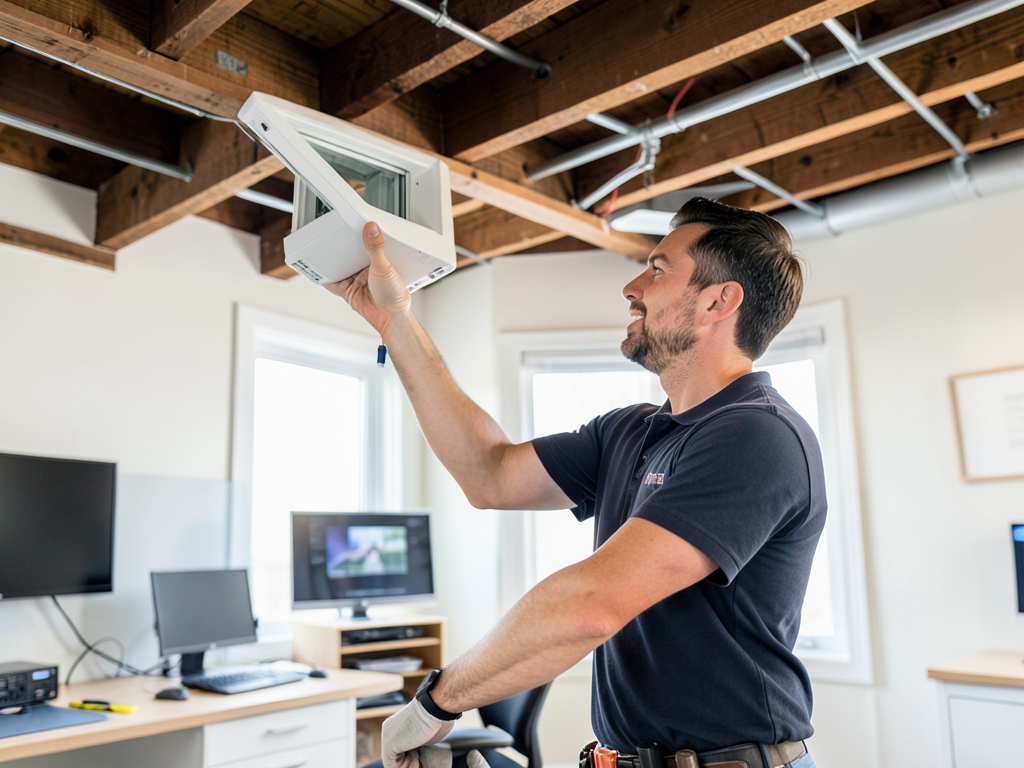
Why Your New Home Office in the Outer Sunset Needs Its Own Climate Control
The Outer Sunset’s unique microclimate creates specific challenges for home office comfort that most San Francisco neighborhoods don’t face. Your converted spare bedroom or garage workspace experiences temperature swings that can drop 15 degrees in an hour when the afternoon fog rolls in from Ocean Beach. This isn’t just about comfort—it’s about productivity, equipment protection, and creating a professional environment that works year-round. San Francisco Department of Building Inspection.
San Francisco’s fog belt means your Outer Sunset home office deals with persistent dampness and cool temperatures that central heating systems struggle to overcome. Traditional forced-air systems designed for the rest of your house often leave home offices feeling drafty and cold, while the high humidity can damage electronics and create uncomfortable working conditions. A dedicated HVAC solution addresses these specific challenges with targeted climate control. Who to Call for 24 Hour Emergency Heating Repair in San Francisco.
The Challenge of Cooling SF Home Offices
San Francisco’s microclimates create vastly different HVAC needs across neighborhoods. The Outer Sunset sits in the city’s fog belt where average temperatures run 10-15 degrees cooler than downtown or the Mission District. This means your home office requires different heating capacity than a similar space in Noe Valley or Pacific Heights.. Read more about Heating and Cooling Solutions for Sunnyside Attic and Basement Conversions.
PG&E’s high electricity rates make inefficient cooling systems expensive to operate. The average Outer Sunset home office of 150-200 square feet needs approximately 5,000-6,000 BTUs for cooling and 6,000-7,000 BTUs for heating. Running a central system for just one room wastes energy and money, especially when the rest of your house stays cool naturally. PG&E Rebates and Energy Programs.
Victorian and Edwardian homes common in the Outer Sunset present unique HVAC challenges. Many lack ductwork entirely, and retrofitting traditional systems often means destructive wall modifications. The area’s older electrical panels may not support the power demands of modern HVAC equipment, requiring panel upgrades before installation. The Best Way to Install Heat Pumps in Historic San Francisco Victorians.
Top HVAC Options for San Francisco Workspaces
Ductless mini-split systems have become the gold standard for San Francisco home offices. These units mount high on walls, connect to an outdoor compressor via small refrigerant lines, and provide both heating and cooling without ductwork. Modern mini-splits operate at whisper-quiet levels—around 25-30 decibels on low settings—making them ideal for video calls and focused work. Quiet and Efficient Furnace Replacement Options for Pacific Heights Residents.
Heat pump technology has advanced significantly for small spaces. Variable-speed compressors adjust output based on demand rather than cycling on and off, maintaining consistent temperatures while using 30-50% less energy than older systems. Look for units with SEER2 ratings above 18 for maximum efficiency in San Francisco’s climate. Short Cycling.
Window heat pumps offer budget-friendly alternatives but come with trade-offs. They block natural light, create security concerns, and typically operate louder than mini-splits. However, they install quickly and work well in spaces where wall mounting isn’t possible, such as historic buildings with preservation restrictions.
Smart zoning systems integrate with existing HVAC equipment to control single rooms independently. These systems use dampers in ductwork and wireless thermostats to direct heating and cooling where needed. While more complex to install, they eliminate the need for separate equipment when you already have a functioning central system.. Read more about Non-Permanent Cooling Solutions for Renters in the Lower Haight.
San Francisco Building Codes & Permit Requirements
San Francisco’s Department of Building Inspection requires permits for most HVAC installations, including ductless mini-splits. The permitting process ensures compliance with Title 24 energy efficiency standards and local noise ordinances. Exterior condensers must maintain minimum distances from property lines and windows of neighboring buildings.
San Francisco Municipal Code Section 106.4.4 establishes strict noise limits for mechanical equipment. Condenser units cannot exceed 70 decibels at the property line during daytime hours and 50 decibels at night. This affects equipment selection, as many budget units fail to meet these requirements.
Title 24 California Energy Code mandates specific efficiency standards for new HVAC installations. Systems must achieve minimum SEER2 ratings based on climate zone—San Francisco falls in Zone 3, requiring at least 15 SEER2 for cooling equipment. Heat pumps must meet additional heating seasonal performance factor requirements.
Seismic anchoring requirements affect how outdoor units mount to San Francisco’s varied terrain. The California Building Code requires all HVAC equipment to withstand seismic forces, often meaning reinforced concrete pads or specialized mounting brackets that account for local soil conditions and building height.
Energy Efficiency & PG&E Rebates
PG&E offers substantial rebates for high-efficiency heat pump installations through the California Energy Savings Assistance Program. Current incentives include up to $3,000 for qualifying heat pump systems that replace electric resistance heating or $1,000 for gas-to-electric conversions. These rebates significantly reduce upfront costs for Outer Sunset homeowners.
Federal tax credits through the Inflation Reduction Act provide additional savings. Homeowners can claim 30% of installation costs, up to $2,000, for qualifying high-efficiency heat pumps. These credits apply to both equipment and labor, making professional installation more affordable. Professional Commercial HVAC Maintenance for SOMA Office Buildings.
SEER2 ratings directly impact operating costs in San Francisco’s climate. A unit with SEER2 20 costs approximately $200-300 annually to operate, while a basic 14 SEER2 model might cost $400-500. Over a 15-year system life, the efficiency difference can save $1,500-2,000 in electricity costs.
Smart thermostats and zoning controls add another layer of efficiency. These devices learn your schedule, adjust temperatures automatically, and can reduce energy consumption by 10-15% without sacrificing comfort. Many qualify for additional rebates when installed as part of a complete system upgrade.
Customer Success Stories in SF
A software engineer in the Outer Sunset converted her garage into a home office last year. The space stayed cold year-round despite central heating. After installing a 9,000 BTU mini-split, her office maintains 72 degrees regardless of outside conditions. She reports her energy bills actually decreased because she no longer runs space heaters all day.
A financial analyst in the Inner Sunset struggled with noise from his window unit during client calls. He upgraded to a ductless mini-split with noise levels below 30 decibels. The new system eliminated background noise complaints and improved his professional image during video conferences.
A marketing consultant working from her Outer Sunset Victorian needed cooling for summer heat waves but couldn’t modify historic walls for ductwork. A high-wall mini-split installation preserved the room’s character while providing efficient cooling. The system’s heating function eliminated cold drafts that previously disrupted her workflow.
A tech startup founder in the Sunset District installed a multi-zone system for his home office and adjacent meeting space. The system allows independent temperature control for each area, accommodating different comfort preferences during client meetings and focused work sessions.
Installation Considerations for Outer Sunset Homes
Outer Sunset homes typically feature stucco exteriors that require specialized mounting hardware for outdoor condensers. The area’s salt air exposure means corrosion-resistant materials are essential for equipment longevity. Stainless steel mounting brackets and aluminum condenser cabinets prevent premature failure from coastal conditions.
Many Outer Sunset properties have limited outdoor space for condenser placement. Creative solutions include rooftop mounting with vibration isolation, side-yard installations with sound barriers, or compact vertical units that minimize footprint. Each option requires careful evaluation of local code compliance and neighbor impact.
Electrical service capacity often limits HVAC options in older Outer Sunset homes. Homes built before 1980 frequently have 100-amp service that cannot support new HVAC equipment plus existing loads. A professional load calculation determines whether panel upgrades are necessary before installation proceeds.
Moisture management becomes critical in the fog belt. Condensate drains must handle consistent humidity without backing up or freezing. Proper insulation of refrigerant lines prevents condensation that could damage walls or create mold conditions in enclosed spaces.
Maintenance and Longevity
San Francisco’s marine environment accelerates wear on HVAC components. Salt air corrodes aluminum fins on condenser coils, reducing efficiency by 15-20% over five years without proper maintenance. Annual cleaning and protective coatings extend equipment life and maintain performance.
Filter replacement frequency increases in the Outer Sunset due to higher particulate levels from ocean spray and urban pollution. Standard filters should be checked monthly and replaced every 2-3 months, while HEPA filtration systems may need more frequent service depending on usage patterns.
Professional maintenance includes coil cleaning, refrigerant level checks, and electrical connection inspection. These services identify potential failures before they cause system breakdowns during critical work periods. Most manufacturers require documented annual maintenance to maintain warranty coverage.
Smart diagnostics available on modern systems alert homeowners to performance issues before they become major problems. Mobile apps can track energy usage, monitor filter status, and even schedule service appointments automatically when anomalies are detected.
Making the Right Choice for Your Space
Room size determines equipment capacity requirements. A 100-square-foot office needs approximately 4,500 BTUs for cooling, while a 250-square-foot space requires 8,000-9,000 BTUs. Oversizing causes short cycling, reducing efficiency and comfort, while undersizing fails to maintain desired temperatures.
Sun exposure significantly impacts cooling loads. South-facing windows can increase heat gain by 30-40%, requiring higher capacity equipment or additional shading solutions. Window treatments, exterior shades, or low-emissivity window films reduce cooling demands and improve overall efficiency.
Existing electrical infrastructure affects installation complexity and cost. Homes with modern 200-amp service and accessible attic or crawl spaces simplify installation. Properties requiring panel upgrades or creative routing for refrigerant lines increase both time and expense.
Future plans influence system selection. If you anticipate expanding your workspace or converting adjacent areas, consider equipment with capacity for future growth. Multi-zone systems offer flexibility for changing needs without complete replacement.
Cost Considerations and ROI
Professional installation of a quality mini-split system for a 150-square-foot office typically ranges from $3,500-5,000 including equipment, labor, and permits. Window units cost $800-1,500 but sacrifice performance and aesthetics. Smart zoning systems run $4,000-7,000 when adding to existing HVAC.
Energy savings provide ongoing returns. A high-efficiency system can reduce heating and cooling costs by $200-400 annually compared to space heaters and window fans. Combined with rebates and tax credits, the net investment often pays for itself within 3-5 years.
Productivity gains represent significant but harder-to-quantify returns. Consistent comfort eliminates distractions from temperature fluctuations, while quiet operation improves focus during calls and meetings. These benefits often outweigh pure energy savings in home office environments.
Property value impacts extend beyond immediate utility. Modern, efficient HVAC systems appeal to future buyers and can increase home values by $2,000-4,000 according to real estate professionals in the San Francisco market.
Frequently Asked Questions
How long does installation take?
Most home office HVAC installations complete in one day. The actual installation takes 4-6 hours, with additional time for electrical work, mounting hardware, and system testing. Permit processing adds 1-2 weeks if not already obtained.
Will the outdoor unit be noisy?
Modern condensers operate at 50-60 decibels from 10 feet away—quieter than normal conversation. San Francisco’s noise ordinances ensure units meet strict standards. Proper mounting and sound barriers further reduce any impact on neighbors.
Do I need to replace my electrical panel?
Many Outer Sunset homes have adequate electrical service for modern HVAC. A professional load calculation determines requirements. Homes with 100-amp service or older wiring may need upgrades, typically costing $1,500-3,000.
What about air quality and filtration?
Modern systems include multi-stage filtration that removes dust, pollen, and other particulates. HEPA filters capture 99.97% of particles, while activated carbon filters reduce odors. These features improve both comfort and health in enclosed home office spaces.
Can I install this myself?
California law requires licensed HVAC contractors for most installations. DIY work voids warranties, may violate building codes, and creates safety hazards with refrigerant handling and electrical connections. Professional installation ensures proper performance and code compliance.
Ready to Transform Your Home Office?
Your Outer Sunset home office deserves climate control that matches your professional standards. The right HVAC system eliminates temperature fluctuations, reduces distractions, and creates an environment where you can focus on what matters most—your work.
Call (628) 201-6600 today to schedule your inspection. Our San Francisco HVAC experts understand the unique challenges of Outer Sunset homes and can recommend the perfect solution for your space and budget. Don’t let another foggy afternoon disrupt your productivity—take control of your home office climate now.
Pick up the phone and call (628) 201-6600 before the next heat wave hits. We’ll help you choose the right system, handle all permitting requirements, and ensure your installation meets San Francisco’s strict building codes. Your ideal home office climate is just one call away.
{
“@context”: “https://schema.org”,
“@type”: “BlogPosting”,
“headline”: “Why Your New Home Office in the Outer Sunset Needs Its Own Climate Control”,
“description”: “Discover why Outer Sunset home offices need dedicated HVAC systems. Learn about ductless mini-splits, local building codes, and energy-efficient solutions for your SF workspace.”,
“wordCount”: 2075,
“datePublished”: “2026-06-06T13:54:00.000Z”,
“dateModified”: “2026-06-06T13:54:00.000Z”,
“inLanguage”: “en-US”,
“mainEntityOfPage”: {
“@type”: “WebPage”,
“@id”: “https://atlashvacsanfrancisco.com”
},
“publisher”: {
“@type”: “LocalBusiness”,
“name”: “Atlas HVAC San Francisco”,
“url”: “https://atlashvacsanfrancisco.com”
},
“author”: {
“@type”: “Organization”,
“name”: “Atlas HVAC San Francisco”,
“url”: “https://atlashvacsanfrancisco.com”
},
“image”: {
“@type”: “ImageObject”,
“url”: “https://atlashvacsanfrancisco.com/wp-content/uploads/2026/03/why-your-new-home-office-in-the-outer-sunset-needs-1.png”
}
}
{
“@context”: “https://schema.org”,
“@type”: “HVACBusiness”,
“name”: “Atlas HVAC San Francisco”,
“url”: “https://atlashvacsanfrancisco.com”,
“address”: {
“@type”: “PostalAddress”,
“addressLocality”: “San Francisco”
},
“areaServed”: {
“@type”: “City”,
“name”: “San Francisco”
}
}
{
“@context”: “https://schema.org”,
“@type”: “FAQPage”,
“mainEntity”: [
{
“@type”: “Question”,
“name”: “How long does installation take?”,
“acceptedAnswer”: {
“@type”: “Answer”,
“text”: “Most home office HVAC installations complete in one day. The actual installation takes 4-6 hours, with additional time for electrical work, mounting hardware, and system testing. Permit processing adds 1-2 weeks if not already obtained.”
}
},
{
“@type”: “Question”,
“name”: “Will the outdoor unit be noisy?”,
“acceptedAnswer”: {
“@type”: “Answer”,
“text”: “Modern condensers operate at 50-60 decibels from 10 feet away—quieter than normal conversation. San Francisco’s noise ordinances ensure units meet strict standards. Proper mounting and sound barriers further reduce any impact on neighbors.”
}
},
{
“@type”: “Question”,
“name”: “Do I need to replace my electrical panel?”,
“acceptedAnswer”: {
“@type”: “Answer”,
“text”: “Many Outer Sunset homes have adequate electrical service for modern HVAC. A professional load calculation determines requirements. Homes with 100-amp service or older wiring may need upgrades, typically costing $1,500-3,000.”
}
},
{
“@type”: “Question”,
“name”: “What about air quality and filtration?”,
“acceptedAnswer”: {
“@type”: “Answer”,
“text”: “Modern systems include multi-stage filtration that removes dust, pollen, and other particulates. HEPA filters capture 99.97% of particles, while activated carbon filters reduce odors. These features improve both comfort and health in enclosed home office spaces.”
}
},
{
“@type”: “Question”,
“name”: “Can I install this myself?”,
“acceptedAnswer”: {
“@type”: “Answer”,
“text”: “California law requires licensed HVAC contractors for most installations. DIY work voids warranties, may violate building codes, and creates safety hazards with refrigerant handling and electrical connections. Professional installation ensures proper performance and code compliance.”
}
},
{
“@type”: “Question”,
“name”: “Ready to Transform Your Home Office?”,
“acceptedAnswer”: {
“@type”: “Answer”,
“text”: “Your Outer Sunset home office deserves climate control that matches your professional standards. The right HVAC system eliminates temperature fluctuations, reduces distractions, and creates an environment where you can focus on what matters most—your work.”
}
}
]
}
{
“@context”: “https://schema.org”,
“@type”: “BreadcrumbList”,
“itemListElement”: [
{
“@type”: “ListItem”,
“position”: 1,
“name”: “Home”,
“item”: “https://atlashvacsanfrancisco.com”
},
{
“@type”: “ListItem”,
“position”: 2,
“name”: “Blog”,
“item”: “https://atlashvacsanfrancisco.com/blog”
},
{
“@type”: “ListItem”,
“position”: 3,
“name”: “Why Your New Home Office in the Outer Sunset Needs Its Own Climate Control”
}
]
}
{
“@context”: “https://schema.org”,
“@type”: “Service”,
“serviceType”: “HVAC”,
“provider”: {
“@type”: “LocalBusiness”,
“name”: “Atlas HVAC San Francisco”,
“url”: “https://atlashvacsanfrancisco.com”
},
“areaServed”: {
“@type”: “City”,
“name”: “San Francisco”
},
“description”: “Discover why Outer Sunset home offices need dedicated HVAC systems. Learn about ductless mini-splits, local building codes, and energy-efficient solutions for your SF workspace.”
}