
The Best Way to Install Heat Pumps in Historic San Francisco Victorians
Installing heat pumps in San Francisco’s historic Victorian homes requires specialized knowledge of both the technology and the unique architectural constraints of these century-old buildings. The key to success lies in understanding how to preserve the home’s character while delivering modern heating and cooling efficiency. You need a contractor who understands San Francisco’s building codes, knows how to navigate the city’s permitting process, and can recommend the right system for your specific Victorian layout. San Francisco Department of Building Inspection.
Understanding Victorian Architecture and Heat Pump Integration
San Francisco’s Victorian homes built between 1860 and 1915 present unique challenges for HVAC installation. These homes feature high ceilings, ornate woodwork, and often lack the wall cavities or attic space needed for traditional ductwork. The lath-and-plaster walls in many Victorians make retrofitting difficult without extensive demolition.. Read more about Is Central Air Possible in Your San Francisco Home (And What it Costs).
The most successful approach involves evaluating your home’s existing infrastructure first. Many Victorians in neighborhoods like the Haight, Alamo Square, and Pacific Heights have radiators or older forced-air systems that can be leveraged. A thorough assessment reveals whether you can use existing pathways for new refrigerant lines or if you’ll need to create discrete access points through closets or utility spaces.. Read more about Upgrading the HVAC System in Your Haight Ashbury Multi Unit Building.
Modern mini-split heat pumps offer the least invasive solution for Victorians. These systems use small refrigerant lines that can run through walls with minimal disruption. The outdoor condenser units can be placed on rear decks or in small courtyards, maintaining the home’s street-facing appearance while providing efficient heating and cooling.. Read more about Who to Call for 24 Hour Emergency Heating Repair in San Francisco.
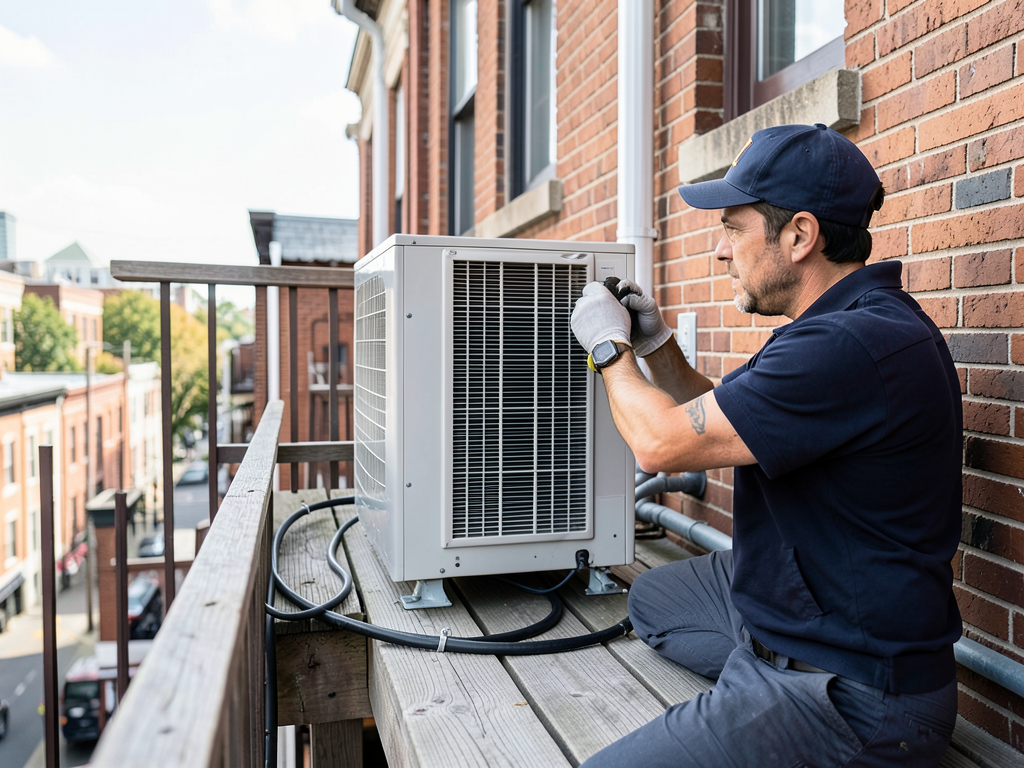
Diagram showing how mini-split heat pump lines can be routed through existing wall cavities in a Victorian home without damaging historic plaster or woodwork.
San Francisco Building Codes and Permitting Requirements
Installing heat pumps in San Francisco requires compliance with the San Francisco Department of Building Inspection (SFDBI) mechanical and electrical permit requirements. The city’s building code, based on California Title 24 energy efficiency standards, mandates specific installation practices for new HVAC equipment.. Read more about How to Claim San Francisco Heat Pump Rebates and Save on Installation.
Key permitting considerations include:
- Mechanical permits for all new heat pump installations
- Electrical permits if your panel needs upgrading (many Victorians have 60-100 amp service)
- Noise compliance with San Francisco’s sound ordinances for outdoor units
- Historic preservation review if your home is in a designated district
The permitting process typically takes 2-4 weeks in San Francisco, longer if your home is in a historic district like Alamo Square or the Haight-Ashbury. Working with a contractor familiar with SFDBI procedures ensures your installation meets all requirements and passes inspection on the first attempt.
Heat Pump Types and Victorian-Specific Solutions
Choosing the right heat pump system depends on your Victorian’s layout and your comfort priorities. Here are the main options:
| System Type | Best For | Installation Impact |
|---|---|---|
| Mini-Split (Ductless) | Most Victorians | Minimal wall penetration |
| High-Velocity | Small rooms | Small ducts through walls |
| Ducted Mini-Split | Attic access | Concealed ductwork |
Mini-split systems dominate Victorian installations because they require only small holes for refrigerant lines and condensate drains. These systems use inverter technology that adjusts compressor speed based on demand, making them ideal for San Francisco’s mild but variable climate.
For homes with existing ductwork from older furnace systems, ducted mini-splits can work well. These units fit into the same space as your old furnace but provide both heating and cooling with much higher efficiency. The key is ensuring the existing ducts are properly sealed and sized for the new system’s airflow requirements.. Read more about Quiet and Efficient Furnace Replacement Options for Pacific Heights Residents.
Energy Efficiency and San Francisco’s Climate Considerations
San Francisco’s unique microclimate affects heat pump performance. The city’s average temperature range of 45-70°F means heat pumps operate efficiently year-round without the extreme temperature swings that challenge systems in other regions. However, the coastal fog and high humidity require specific equipment features.
Look for heat pumps with:
- HSPF2 ratings of 8.5 or higher for heating efficiency
- SEER2 ratings of 16 or higher for cooling efficiency
- Defrost cycles designed for mild but damp conditions
- Corrosion-resistant coils for the salt-air environment near the coast
The inverter technology in modern heat pumps excels in San Francisco because it can maintain precise temperatures without the on-off cycling that wastes energy. This means more consistent comfort and lower utility bills, especially important given PG&E’s tiered rate structure.
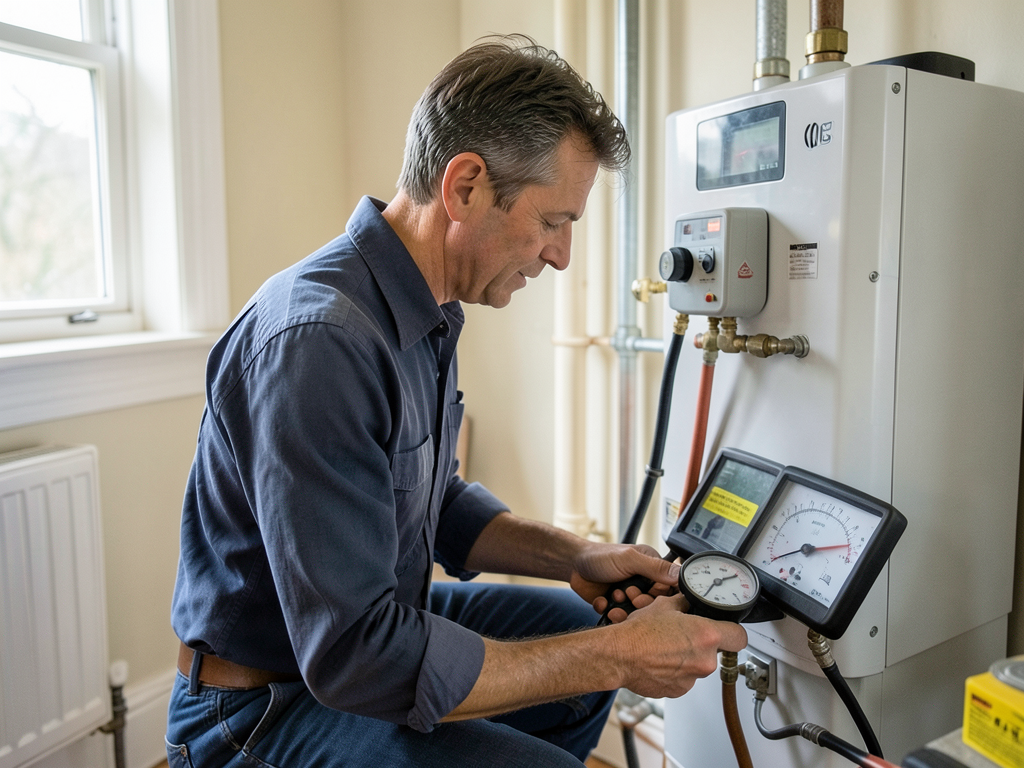
Technician using a digital manifold gauge to verify proper refrigerant charge on a heat pump installation in a San Francisco Victorian, checking both superheat and subcooling readings.
Financial Incentives and Rebate Programs
San Francisco homeowners can access multiple rebate programs that significantly reduce heat pump installation costs. The BayREN Home+ program offers rebates up to $8,000 for whole-home heat pump conversions, while TECH Clean California provides additional incentives for qualifying installations. BayREN Home+ Rebate Program.
Federal tax credits through the Inflation Reduction Act provide 30% of installation costs up to $2,000. These credits apply to both the equipment and installation labor, making heat pumps more affordable than ever for Victorian homeowners.. Read more about Fast and Affordable AC Repair Services in Daly City and South San Francisco.
The key to maximizing these incentives is working with a contractor who handles the rebate paperwork and understands the documentation requirements. Many programs require specific efficiency ratings or installation methods to qualify, so proper system selection upfront is crucial.
Common Installation Challenges and Solutions
Victorian homes present specific installation challenges that require creative solutions. The most common issues include:. Read more about Premium Heating Solutions for Luxury Homes in Presidio Heights.
Limited Outdoor Space: Many Victorians have small rear yards or shared courtyards. Compact condenser units and strategic placement can minimize visual impact while maintaining proper airflow clearance.
Historic Preservation Concerns: Homes in historic districts may require additional approvals for exterior modifications. Interior-only installations or units placed on rear elevations often satisfy preservation guidelines.
Electrical Service Limitations: Older Victorians often have undersized electrical panels. Upgrading to a 200-amp service may be necessary, but this can be coordinated with the heat pump installation to minimize disruption.
Noise Considerations: San Francisco’s strict noise ordinances require careful placement of outdoor units. Vibration isolation mounts and strategic location selection prevent noise complaints from neighbors.
Diagnostic Testing and Quality Assurance
Professional heat pump installation includes comprehensive testing to ensure optimal performance. The diagnostic process involves:. Read more about Professional Smart Thermostat Installation for Modern San Francisco Smart Homes.
- Refrigerant charge verification using digital manifold gauges
- Airflow testing with an anemometer to confirm proper distribution
- Temperature split testing across the evaporator coil
- Electrical load verification to prevent circuit overloads
During testing, technicians measure superheat and subcooling values to verify the system has the correct refrigerant charge. These measurements ensure the heat pump operates at peak efficiency and prevents premature compressor failure.
Airflow testing confirms each room receives adequate conditioned air. This step is critical in Victorians where room layouts may create unusual airflow patterns. Adjustments to fan speed or diffuser direction optimize comfort throughout the home.
Maintenance Requirements for Victorian Heat Pumps
Heat pumps in San Francisco’s coastal environment require specific maintenance to ensure longevity. The salt air and fog create conditions that can accelerate corrosion and reduce efficiency if not properly addressed.
Recommended maintenance includes:
- Annual coil cleaning to remove salt deposits and debris
- Filter replacement every 3-6 months depending on usage
- Condensate drain inspection to prevent clogs
- Electrical connection tightening to prevent corrosion
Many Victorian homeowners schedule maintenance in the fall before the rainy season begins. This timing ensures the system is ready for winter heating while addressing any issues before they become emergencies during cold, damp weather.. Read more about Why Noe Valley Homeowners are Switching to Ductless Mini Splits.
Frequently Asked Questions
Can I install a heat pump in my Victorian without changing the exterior appearance?
Yes. Mini-split systems can be installed entirely inside the home with only small refrigerant lines running to an outdoor condenser. These lines can often be concealed in existing wall cavities or run through closets to maintain the home’s historic appearance.
How long does a heat pump installation take in a Victorian home?
Most Victorian heat pump installations take 2-3 days for the actual equipment installation, plus 2-4 weeks for permitting. Complex installations requiring electrical upgrades or extensive routing may take longer, but most homeowners see completion within 2-3 weeks total.
Will a heat pump work during San Francisco’s occasional cold spells?
Modern heat pumps work efficiently down to about 25°F, which covers all but the most extreme San Francisco weather. During rare cold snaps, heat pumps maintain comfortable temperatures while using less energy than traditional electric resistance heating.
Do I need to upgrade my electrical panel for a heat pump?
Many Victorians have 60-100 amp electrical service that may need upgrading to 200 amps for heat pump installation. A professional assessment determines if your existing service can handle the new load or if an upgrade is necessary.
Call (628) 201-6600 Today to Schedule Your Victorian Heat Pump Assessment
Don’t let another season pass with inefficient heating and cooling. Heat pumps offer the perfect solution for San Francisco Victorians, combining modern efficiency with minimal impact on your home’s historic character. The combination of available rebates, lower operating costs, and improved comfort makes now the ideal time to upgrade.
Call (628) 201-6600 today to schedule your comprehensive assessment. Our specialists understand Victorian architecture, San Francisco building codes, and the specific requirements for successful heat pump installation in historic homes. We’ll evaluate your home’s unique characteristics, explain your options, and provide a detailed proposal with all available rebates factored in.
Pick up the phone and call (628) 201-6600 before the next cold, foggy San Francisco morning leaves you wishing for better heating. Our team is ready to help you join the growing number of Victorian homeowners enjoying efficient, reliable comfort year-round.
Atlas HVAC San Francisco serves the entire Bay Area with specialized expertise in historic home HVAC solutions. We handle everything from initial assessment through final inspection, ensuring your heat pump installation meets all local requirements and delivers the comfort you expect.
{
“@context”: “https://schema.org”,
“@type”: “BlogPosting”,
“headline”: “The Best Way to Install Heat Pumps in Historic San Francisco Victorians”,
“description”: “Discover expert heat pump installation for San Francisco Victorians. Learn about rebates, permitting, and solutions for historic homes with Atlas HVAC. Call (628) 201-6600.”,
“wordCount”: 1594,
“datePublished”: “2026-02-14T09:21:00.000Z”,
“dateModified”: “2026-02-14T09:21:00.000Z”,
“inLanguage”: “en-US”,
“mainEntityOfPage”: {
“@type”: “WebPage”,
“@id”: “https://atlashvacsanfrancisco.com”
},
“publisher”: {
“@type”: “LocalBusiness”,
“name”: “Atlas HVAC San Francisco”,
“url”: “https://atlashvacsanfrancisco.com”
},
“author”: {
“@type”: “Organization”,
“name”: “Atlas HVAC San Francisco”,
“url”: “https://atlashvacsanfrancisco.com”
},
“image”: {
“@type”: “ImageObject”,
“url”: “https://atlashvacsanfrancisco.com/wp-content/uploads/2026/03/the-best-way-to-install-heat-pumps-in-historic-san-1.png”
}
}
{
“@context”: “https://schema.org”,
“@type”: “HVACBusiness”,
“name”: “Atlas HVAC San Francisco”,
“url”: “https://atlashvacsanfrancisco.com”,
“address”: {
“@type”: “PostalAddress”,
“addressLocality”: “San Francisco”
},
“areaServed”: {
“@type”: “City”,
“name”: “San Francisco”
}
}
{
“@context”: “https://schema.org”,
“@type”: “FAQPage”,
“mainEntity”: [
{
“@type”: “Question”,
“name”: “Can I install a heat pump in my Victorian without changing the exterior appearance?”,
“acceptedAnswer”: {
“@type”: “Answer”,
“text”: “Yes. Mini-split systems can be installed entirely inside the home with only small refrigerant lines running to an outdoor condenser. These lines can often be concealed in existing wall cavities or run through closets to maintain the home’s historic appearance.”
}
},
{
“@type”: “Question”,
“name”: “How long does a heat pump installation take in a Victorian home?”,
“acceptedAnswer”: {
“@type”: “Answer”,
“text”: “Most Victorian heat pump installations take 2-3 days for the actual equipment installation, plus 2-4 weeks for permitting. Complex installations requiring electrical upgrades or extensive routing may take longer, but most homeowners see completion within 2-3 weeks total.”
}
},
{
“@type”: “Question”,
“name”: “Will a heat pump work during San Francisco’s occasional cold spells?”,
“acceptedAnswer”: {
“@type”: “Answer”,
“text”: “Modern heat pumps work efficiently down to about 25°F, which covers all but the most extreme San Francisco weather. During rare cold snaps, heat pumps maintain comfortable temperatures while using less energy than traditional electric resistance heating.”
}
},
{
“@type”: “Question”,
“name”: “Do I need to upgrade my electrical panel for a heat pump?”,
“acceptedAnswer”: {
“@type”: “Answer”,
“text”: “Many Victorians have 60-100 amp electrical service that may need upgrading to 200 amps for heat pump installation. A professional assessment determines if your existing service can handle the new load or if an upgrade is necessary.”
}
}
]
}
{
“@context”: “https://schema.org”,
“@type”: “BreadcrumbList”,
“itemListElement”: [
{
“@type”: “ListItem”,
“position”: 1,
“name”: “Home”,
“item”: “https://atlashvacsanfrancisco.com”
},
{
“@type”: “ListItem”,
“position”: 2,
“name”: “Blog”,
“item”: “https://atlashvacsanfrancisco.com/blog”
},
{
“@type”: “ListItem”,
“position”: 3,
“name”: “The Best Way to Install Heat Pumps in Historic San Francisco Victorians”
}
]
}
{
“@context”: “https://schema.org”,
“@type”: “Service”,
“serviceType”: “HVAC”,
“provider”: {
“@type”: “LocalBusiness”,
“name”: “Atlas HVAC San Francisco”,
“url”: “https://atlashvacsanfrancisco.com”
},
“areaServed”: {
“@type”: “City”,
“name”: “San Francisco”
},
“description”: “Discover expert heat pump installation for San Francisco Victorians. Learn about rebates, permitting, and solutions for historic homes with Atlas HVAC. Call (628) 201-6600.”
}