
Upgrading the HVAC System in Your Haight Ashbury Multi Unit Building
Managing an HVAC upgrade in a Haight-Ashbury multi-unit building requires specialized knowledge of San Francisco’s historic architecture, strict building codes, and unique climate challenges. The neighborhood’s Victorian and Edwardian structures present specific retrofitting obstacles that demand technical expertise beyond standard installations. San Francisco Department of Building Inspection.
Victorian Architecture Creates Unique HVAC Challenges
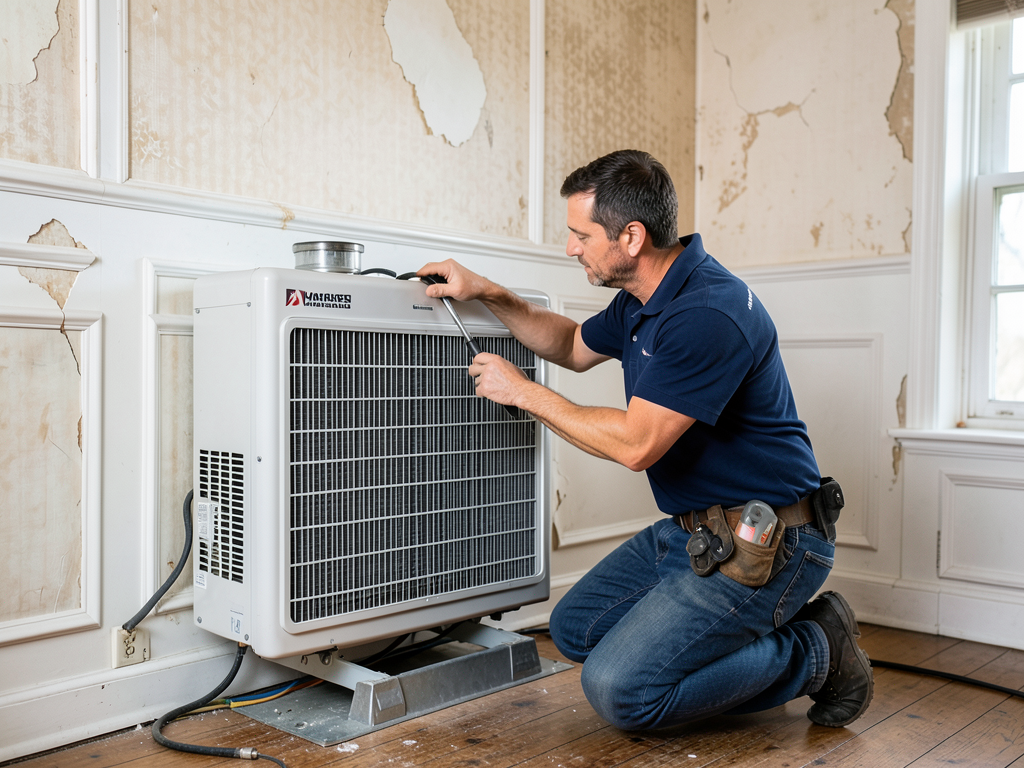
Haight-Ashbury’s signature Victorian homes built between 1860 and 1915 feature lath-and-plaster walls, narrow lot lines, and original gravity furnaces that make modern HVAC integration complex. These structures lack the wall cavities and attic spaces that accommodate conventional ductwork systems.
During retrofitting, technicians encounter solid wood framing every 16 inches, plaster that crumbles when drilled, and original knob-and-tube wiring that requires careful navigation. The narrow 25-foot-wide lots common in the area mean outdoor condenser placement must comply with San Francisco’s 3-foot side yard setback requirements under Planning Code Section 132.. Read more about Is Central Air Possible in Your San Francisco Home (And What it Costs).
Navigating San Francisco Building Permits and Title 24
San Francisco Department of Building Inspection requires mechanical permits for any HVAC replacement exceeding 10% of the system capacity. For multi-unit buildings, this means separate permits for each unit or a comprehensive building permit covering the entire property.. Read more about Navigating San Francisco HVAC Permits and Building Codes for Your Home Remodel.
Title 24 compliance becomes critical when upgrading systems in 94117. The California Energy Commission mandates minimum SEER2 ratings of 14.3 for split-system air conditioners and 8.8 HSPF2 for heat pumps. Older buildings often require electrical panel upgrades from 60-amp to 200-amp service to support modern heat pump systems. California Title 24 Energy Standards.
Building inspectors verify proper seismic anchoring of outdoor units per California Building Code Section 1909.10. This requires concrete pads with minimum 4-inch thickness and anchor bolts extending 7 inches into the foundation.
Energy Efficiency Solutions for SF Microclimates
The Haight-Ashbury area experiences San Francisco’s characteristic fog pattern, with average July temperatures of 60°F and winter lows rarely dropping below 45°F. This moderate climate makes heat pumps the most efficient choice, operating at 300-400% efficiency compared to 95% for gas furnaces. The Best Way to Install Heat Pumps in Historic San Francisco Victorians.
High-velocity HVAC systems work exceptionally well in Victorian homes because they use 2-inch flexible mini-ducts that thread through existing wall cavities without demolition. These systems deliver 400 CFM per ton of cooling capacity through small, unobtrusive outlets.
Ductless mini-split systems provide zone control for multi-unit buildings, allowing individual temperature settings per unit. Modern units operate at 19 SEER2 efficiency with inverter-driven compressors that modulate output based on demand rather than cycling on and off. Short Cycling.
Noise Ordinance Compliance in High-Density Areas
San Francisco Municipal Code Section 2500 prohibits HVAC noise levels exceeding 50 decibels at the property line between 10 PM and 7 AM. In Haight-Ashbury’s dense residential blocks, this requires sound attenuation measures including compressor blankets, vibration isolation mounts, and strategic unit placement.
Technicians measure noise output using sound level meters during installation. Units must maintain 7-decibel separation from ambient noise levels, which often requires upgrading to variable-speed fans that operate more quietly than single-speed models.
Electrical Infrastructure for Modern HVAC Systems
Many Haight-Ashbury buildings built before 1940 have electrical systems insufficient for heat pump operation. A typical 3-ton heat pump requires a dedicated 240-volt, 30-amp circuit. Older panels rated for 60-100 amps cannot support multiple heat pump installations.
Electrical upgrades involve replacing fuse boxes with circuit breaker panels, installing proper grounding systems, and ensuring GFCI protection for all outdoor receptacles. PG&E must inspect and approve service upgrades before final HVAC inspection.
Indoor Air Quality Solutions for Urban Environments
San Francisco’s urban environment creates specific indoor air quality challenges including vehicle exhaust infiltration, wildfire smoke penetration, and high humidity levels that promote mold growth. Modern HVAC systems address these through MERV 13 filtration, UV light sterilization, and dehumidification cycles.
High-efficiency particulate air (HEPA) filtration removes 99.97% of particles 0.3 microns or larger. This becomes critical during wildfire season when particulate matter levels can exceed 200 AQI in the Bay Area.
Ventilation systems with energy recovery ventilators (ERVs) exchange indoor stale air with filtered outdoor air while transferring heat and moisture between air streams. This maintains indoor air quality without sacrificing energy efficiency.
Cost Factors and ROI Considerations
Upgrading HVAC in historic multi-unit buildings involves several cost components beyond equipment. Permitting fees range from $500 to $2,500 depending on project scope. Electrical upgrades cost $3,000 to $8,000 per unit. Title 24 compliance verification adds $500 to $1,500.
Heat pump installations typically cost $12,000 to $18,000 per unit including equipment, labor, and permits. High-velocity systems run $15,000 to $22,000 per unit due to specialized equipment and installation complexity.
Energy savings provide ROI within 5-7 years through reduced utility costs. PG&E and BayREN rebates can offset 15-30% of installation costs for qualifying high-efficiency systems.
Installation Timeline and Process
Complete HVAC upgrades for multi-unit buildings typically require 3-5 days per unit. The process includes:
- Initial Assessment
Technicians evaluate existing systems, electrical capacity, and building structure to determine optimal equipment and installation approach.
- Permit Acquisition
Submit mechanical, electrical, and building permit applications to San Francisco DBI. Process takes 2-4 weeks.
- Electrical Upgrades
Install new panels, circuits, and grounding systems as required for heat pump operation.
- Equipment Installation
Mount indoor and outdoor units, run refrigerant lines, and connect electrical systems.
- Commissioning and Testing
Verify system performance, check for refrigerant leaks, and calibrate controls.
- Final Inspection
Schedule DBI and PG&E inspections to obtain final approval and permission to operate.
Maintenance Requirements for Long-Term Performance
Regular maintenance ensures HVAC systems operate at peak efficiency and prevents costly breakdowns. Multi-unit buildings benefit from quarterly maintenance contracts that include filter replacement, coil cleaning, and system diagnostics. Air Duct Cleaning.
Technicians check refrigerant levels, inspect electrical connections, and verify control system operation during maintenance visits. Early detection of issues like refrigerant leaks or failing capacitors prevents system failures during peak usage periods.
Why Haight-Ashbury Residents Trust Local Expertise
Successful HVAC upgrades in Haight-Ashbury require understanding the neighborhood’s unique characteristics. Local technicians know which condenser models perform best in the area’s fog conditions, which installation techniques minimize disruption to historic structures, and how to navigate the city’s complex permitting process.
Experience with similar Victorian buildings provides insight into common failure points and optimal solutions. This knowledge translates to more accurate estimates, smoother installations, and better long-term performance.
Local companies maintain relationships with city inspectors, understand neighborhood parking restrictions, and can coordinate work around tenant schedules in multi-unit buildings.
Frequently Asked Questions
How long do permits take in San Francisco?
Mechanical permits for HVAC replacement typically take 2-4 weeks for approval from San Francisco DBI. Complex projects involving electrical upgrades or structural modifications may require 6-8 weeks.
Can I keep my existing radiators with a new HVAC system?
Yes, hybrid systems combine heat pumps for cooling and high-efficiency boilers for heating. This preserves the aesthetic of original radiators while adding air conditioning capability. Who to Call for 24 Hour Emergency Heating Repair in San Francisco.
What rebates are available for heat pump installations?
BayREN offers rebates up to $1,000 per unit for heat pump installations. PG&E provides additional rebates based on system efficiency. TECH Clean California offers incentives for whole-home electrification projects.
How do I minimize noise from outdoor units?
Choose variable-speed units that operate more quietly than single-speed models. Install sound barriers or locate units away from bedroom windows. Use vibration isolation mounts to prevent structure-borne noise transmission.
What happens if my electrical panel needs upgrading?
Technicians will assess panel capacity during initial evaluation. If upgrades are needed, they’ll coordinate with licensed electricians to install new panels and obtain necessary permits before HVAC installation begins.

Ready to upgrade your Haight-Ashbury building’s HVAC system? Call (628) 201-6600 today to schedule your inspection. Our local experts understand the unique challenges of Victorian architecture and San Francisco building codes, ensuring your project meets all requirements while delivering optimal comfort and efficiency.. Read more about Expert Boiler Repair and Maintenance for Bernal Heights Property Owners.
Don’t wait until your current system fails. Contact us now at (628) 201-6600 to discuss your HVAC upgrade options and receive a detailed proposal tailored to your building’s specific needs.
You may also find this helpful. Keep Your Marina District Condo Cool with These Low Profile AC Units.
{
“@context”: “https://schema.org”,
“@type”: “BlogPosting”,
“headline”: “Upgrading the HVAC System in Your Haight Ashbury Multi Unit Building”,
“description”: “Expert HVAC installation for Haight-Ashbury’s historic multi-unit buildings. Navigate San Francisco permits, Title 24 compliance, and energy-efficient upgrades with local specialists.”,
“wordCount”: 1338,
“datePublished”: “2026-02-25T12:40:00.000Z”,
“dateModified”: “2026-02-25T12:40:00.000Z”,
“inLanguage”: “en-US”,
“mainEntityOfPage”: {
“@type”: “WebPage”,
“@id”: “https://atlashvacsanfrancisco.com”
},
“publisher”: {
“@type”: “LocalBusiness”,
“name”: “Atlas HVAC San Francisco”,
“url”: “https://atlashvacsanfrancisco.com”
},
“author”: {
“@type”: “Organization”,
“name”: “Atlas HVAC San Francisco”,
“url”: “https://atlashvacsanfrancisco.com”
},
“image”: {
“@type”: “ImageObject”,
“url”: “https://atlashvacsanfrancisco.com/wp-content/uploads/2026/03/upgrading-the-hvac-system-in-your-haight-ashbury-m-1.png”
}
}
{
“@context”: “https://schema.org”,
“@type”: “HVACBusiness”,
“name”: “Atlas HVAC San Francisco”,
“url”: “https://atlashvacsanfrancisco.com”,
“address”: {
“@type”: “PostalAddress”,
“addressLocality”: “San Francisco”
},
“areaServed”: {
“@type”: “City”,
“name”: “San Francisco”
}
}
{
“@context”: “https://schema.org”,
“@type”: “FAQPage”,
“mainEntity”: [
{
“@type”: “Question”,
“name”: “How long do permits take in San Francisco?”,
“acceptedAnswer”: {
“@type”: “Answer”,
“text”: “Mechanical permits for HVAC replacement typically take 2-4 weeks for approval from San Francisco DBI. Complex projects involving electrical upgrades or structural modifications may require 6-8 weeks.”
}
},
{
“@type”: “Question”,
“name”: “Can I keep my existing radiators with a new HVAC system?”,
“acceptedAnswer”: {
“@type”: “Answer”,
“text”: “Yes, hybrid systems combine heat pumps for cooling and high-efficiency boilers for heating. This preserves the aesthetic of original radiators while adding air conditioning capability. Who to Call for 24 Hour Emergency Heating Repair in San Francisco.”
}
},
{
“@type”: “Question”,
“name”: “What rebates are available for heat pump installations?”,
“acceptedAnswer”: {
“@type”: “Answer”,
“text”: “BayREN offers rebates up to $1,000 per unit for heat pump installations. PG&E provides additional rebates based on system efficiency. TECH Clean California offers incentives for whole-home electrification projects.”
}
},
{
“@type”: “Question”,
“name”: “How do I minimize noise from outdoor units?”,
“acceptedAnswer”: {
“@type”: “Answer”,
“text”: “Choose variable-speed units that operate more quietly than single-speed models. Install sound barriers or locate units away from bedroom windows. Use vibration isolation mounts to prevent structure-borne noise transmission.”
}
},
{
“@type”: “Question”,
“name”: “What happens if my electrical panel needs upgrading?”,
“acceptedAnswer”: {
“@type”: “Answer”,
“text”: “Technicians will assess panel capacity during initial evaluation. If upgrades are needed, they’ll coordinate with licensed electricians to install new panels and obtain necessary permits before HVAC installation begins.”
}
}
]
}
{
“@context”: “https://schema.org”,
“@type”: “HowTo”,
“name”: “HVAC Installation Process”,
“step”: [
{
“@type”: “HowToStep”,
“position”: 1,
“name”: “Initial Assessment”,
“text”: “Technicians evaluate existing systems, electrical capacity, and building structure to determine optimal equipment and installation approach.”
},
{
“@type”: “HowToStep”,
“position”: 2,
“name”: “Permit Acquisition”,
“text”: “Submit mechanical, electrical, and building permit applications to San Francisco DBI. Process takes 2-4 weeks.”
},
{
“@type”: “HowToStep”,
“position”: 3,
“name”: “Electrical Upgrades”,
“text”: “Install new panels, circuits, and grounding systems as required for heat pump operation.”
},
{
“@type”: “HowToStep”,
“position”: 4,
“name”: “Equipment Installation”,
“text”: “Mount indoor and outdoor units, run refrigerant lines, and connect electrical systems.”
},
{
“@type”: “HowToStep”,
“position”: 5,
“name”: “Commissioning and Testing”,
“text”: “Verify system performance, check for refrigerant leaks, and calibrate controls.”
},
{
“@type”: “HowToStep”,
“position”: 6,
“name”: “Final Inspection”,
“text”: “Schedule DBI and PG&E inspections to obtain final approval and permission to operate.”
}
],
“image”: “https://atlashvacsanfrancisco.com/wp-content/uploads/2026/03/upgrading-the-hvac-system-in-your-haight-ashbury-m-1.png”
}
{
“@context”: “https://schema.org”,
“@type”: “BreadcrumbList”,
“itemListElement”: [
{
“@type”: “ListItem”,
“position”: 1,
“name”: “Home”,
“item”: “https://atlashvacsanfrancisco.com”
},
{
“@type”: “ListItem”,
“position”: 2,
“name”: “Blog”,
“item”: “https://atlashvacsanfrancisco.com/blog”
},
{
“@type”: “ListItem”,
“position”: 3,
“name”: “Upgrading the HVAC System in Your Haight Ashbury Multi Unit Building”
}
]
}
{
“@context”: “https://schema.org”,
“@type”: “Service”,
“serviceType”: “HVAC”,
“provider”: {
“@type”: “LocalBusiness”,
“name”: “Atlas HVAC San Francisco”,
“url”: “https://atlashvacsanfrancisco.com”
},
“areaServed”: {
“@type”: “City”,
“name”: “San Francisco”
},
“description”: “Expert HVAC installation for Haight-Ashbury’s historic multi-unit buildings. Navigate San Francisco permits, Title 24 compliance, and energy-efficient upgrades with local specialists.”
}