
Solving Temperature Imbalances in Multi-Level Potrero Hill Homes
Multi-level homes in Potrero Hill face a unique challenge: heat rises while cool air settles, creating uncomfortable temperature differences between floors. This problem intensifies in San Francisco’s varied microclimates, where coastal fog can make upper levels feel like refrigerators while lower floors remain warm. The solution isn’t cranking up your HVAC system—it’s installing a properly designed zoning system that delivers the right temperature to each level when and where you need it. CA Title 24 energy standards.
Temperature imbalances waste energy and money while leaving you uncomfortable. Hot air naturally accumulates on upper floors during summer, forcing your AC to work overtime. In winter, lower levels stay cold while heat rises to unused upper spaces. A zoned HVAC system solves this by dividing your home into independent temperature zones, each controlled by its own thermostat. This approach can reduce energy consumption by 20-30% while eliminating hot and cold spots that plague multi-story homes.. Read more about Simple Ways to Lower Heating Bills for Large Family Homes in West Portal.
Potrero Hill’s distinctive architecture—from Victorian-era homes to modern hillside constructions—creates additional challenges for consistent comfort. Steep grades affect airflow patterns, while older homes often have undersized ductwork that struggles to distribute air evenly. Before investing in expensive equipment replacements, consider whether your existing system just needs proper zoning to work efficiently in your specific home layout. Quiet and Efficient Furnace Replacement Options for Pacific Heights Residents.
How Zoning Systems Work in San Francisco Homes
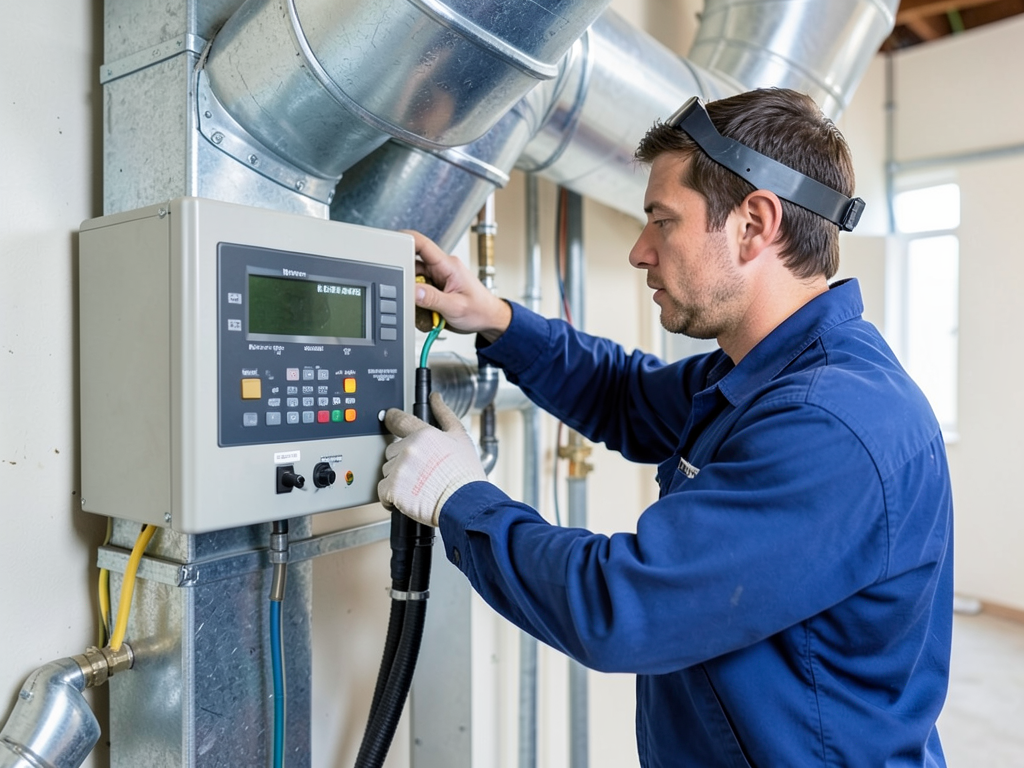
A zoning system transforms a single HVAC system into multiple independent climate zones. The heart of the system consists of motorized dampers installed inside your existing ductwork. These dampers open and close based on signals from individual thermostats in each zone, directing conditioned air only where needed. When your upstairs bedroom needs cooling but your living room is comfortable, the system automatically adjusts airflow to match demand. The Best Way to Install Heat Pumps in Historic San Francisco Victorians.
The control system uses a central panel that communicates with all zone thermostats and damper motors. This panel processes temperature requests and determines how to distribute air efficiently. Modern zoning controls can integrate with smart home systems, allowing you to adjust temperatures from your phone or set automated schedules for different times of day.
Variable-speed air handlers work exceptionally well with zoning systems because they can adjust airflow volume based on how many zones are calling for conditioning. Instead of cycling on and off at full blast, these systems run longer at lower speeds, maintaining consistent temperatures while using less energy. This is particularly beneficial in Potrero Hill homes where steep grades and varying sun exposure create different heating and cooling needs on different floors. Who to Call for 24 Hour Emergency Heating Repair in San Francisco.
Benefits of Zoning for Potrero Hill Multi-Level Homes
Energy efficiency represents the most immediate benefit of zoning. By heating or cooling only occupied areas, you avoid wasting energy on empty rooms. A typical three-story Potrero Hill home can save 25-35% on heating costs by not overheating upper floors during the day when bedrooms are unoccupied. These savings often offset the installation cost within 2-3 years.. Read more about Space-Saving Cooling Options for Newer Condos in Mission Bay and the Dogpatch.
Comfort improvement goes beyond simple temperature control. Zoning eliminates the constant thermostat battles that occur in multi-level homes. Your home office can stay cool during the day while bedrooms remain warm for nighttime use. The system automatically balances airflow to compensate for Potrero Hill’s unique hillside exposures—south-facing rooms that bake in afternoon sun get extra cooling while shaded north-facing areas maintain warmth.
Equipment longevity increases significantly with zoning. Traditional systems cycle on and off frequently as they try to satisfy all areas at once, causing wear on compressors and motors. Zoning systems run more consistently at optimal speeds, reducing mechanical stress. This translates to fewer repairs and longer replacement intervals for your HVAC equipment. Fast and Affordable AC Repair Services in Daly City and South San Francisco.
Zoning Solutions for Different Home Types
Victorian and Edwardian homes in Potrero Hill present unique zoning challenges due to their historic construction. These homes often have plaster walls that make running new ductwork difficult, and their original heating systems may not support modern zoning controls. For these situations, ductless mini-split systems offer an excellent alternative. Each indoor unit operates as an independent zone, eliminating the need for extensive ductwork modifications.. Read more about Heating Upgrades That Preserve the Character of Alamo Square Edwardians.
Modern hillside constructions typically have better duct systems but may require additional dampers and controls to create effective zones. These homes often benefit from smart thermostats that learn your schedule and automatically adjust temperatures based on occupancy patterns. Integration with heat pump systems provides both heating and cooling efficiency while maintaining zone control.
Older homes with existing forced-air systems can usually be retrofitted with zoning dampers at a lower cost than complete system replacement. The key is proper duct sizing and damper selection to ensure adequate airflow to all zones. Our technicians use specialized testing equipment to measure static pressure and airflow before recommending specific zoning solutions for your home’s unique layout.
The Installation Process and Local Requirements
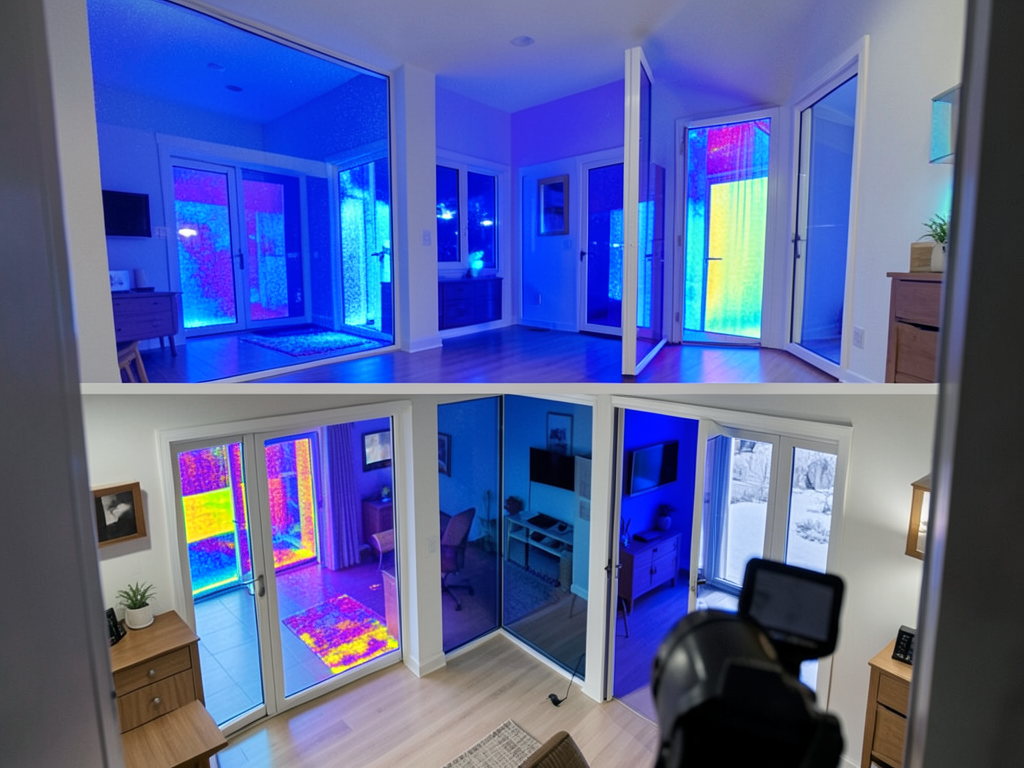
Professional zoning installation begins with a comprehensive home assessment. Our technicians evaluate your existing HVAC system, ductwork layout, and thermal characteristics of each level. We use thermal imaging cameras to identify heat loss patterns and airflow issues that affect comfort. This diagnostic phase typically takes 2-3 hours and includes pressure testing to identify duct leaks. Professional Commercial HVAC Maintenance for SOMA Office Buildings.
San Francisco requires permits for zoning system installations under Section 103A of the San Francisco Building Code. The process involves submitting detailed plans showing damper locations, control wiring, and electrical modifications. Most residential zoning projects receive approval within 7-10 business days. Our team handles all permitting requirements and coordinates inspections to ensure compliance with local regulations. San Francisco Building Code.
CA Title 24 energy standards influence zoning system design. These regulations require minimum efficiency levels and specific control features for new installations. Modern zoning systems must include programmable thermostats, setback capabilities, and energy monitoring functions. We design systems that not only meet but exceed these requirements, ensuring your installation qualifies for available rebates and incentives.
Maintaining Your Zoning System
Regular maintenance keeps zoning systems operating efficiently. Annual service includes damper motor testing, thermostat calibration, and control panel diagnostics. We recommend seasonal check-ups before peak heating and cooling seasons to ensure all zones respond correctly. Filter changes become even more critical with zoning systems, as restricted airflow can cause certain zones to underperform.
Common issues include stuck dampers, which prevent proper airflow distribution, and thermostat battery failures that can disable entire zones. Most problems are easily diagnosed using the system’s built-in error codes. Our maintenance service includes cleaning damper blades, lubricating motors, and verifying control signal integrity throughout your home.
Smart zoning systems provide diagnostic information through mobile apps, alerting you to potential issues before they become major problems. You can monitor zone temperatures, energy usage, and system performance from anywhere. This connectivity also allows us to perform remote diagnostics and sometimes resolve issues without requiring an on-site visit.
Frequently Asked Questions
Is zoning worth it for a small multi-level home?
Yes, even small homes benefit from zoning. The investment typically pays for itself through energy savings within 2-3 years. Small homes often have the most severe temperature imbalances due to limited ductwork and single thermostat locations.
Can I install zoning myself?
Zoning systems require professional installation due to electrical work, permit requirements, and the need for precise airflow balancing. DIY installation can void warranties and create safety hazards. Professional installation ensures proper system performance and code compliance.
How long does installation take?
Most residential zoning installations complete in 1-2 days. The first day involves system assessment, damper installation, and wiring. The second day includes control programming, testing, and final adjustments. Complex retrofits may require additional time.
Will zoning work with my existing HVAC system?
Most forced-air systems can be retrofitted with zoning controls. The key factors are system capacity, ductwork condition, and control compatibility. Our assessment determines whether your existing equipment can support zoning or if upgrades are needed.
What about maintenance costs?
Annual maintenance for zoned systems costs slightly more than standard HVAC service due to the additional components. However, this cost is offset by improved efficiency and fewer major repairs over the system’s lifetime.
Take Control of Your Home’s Comfort Today
Stop suffering through temperature imbalances that waste energy and money. A properly designed zoning system transforms your multi-level Potrero Hill home into a consistently comfortable environment while reducing utility bills. Our experienced technicians understand the unique challenges of San Francisco’s architecture and microclimates, ensuring your system performs optimally year-round.
Ready to eliminate hot and cold spots in your home? Call (628) 201-6600 today to schedule your free zoning assessment. Our team will evaluate your current system, explain your options, and provide a detailed proposal with transparent pricing. Don’t wait another season dealing with uncomfortable temperature swings—take the first step toward balanced comfort now.
Pick up the phone and call (628) 201-6600 before the next heat wave or cold snap hits. Your perfect home temperature is just one call away.
You may also find this helpful. Everything You Need to Know About Radiant Floor Heating Repair in Diamond Heights.
{
“@context”: “https://schema.org”,
“@type”: “BlogPosting”,
“headline”: “Solving Temperature Imbalances in Multi-Level Potrero Hill Homes”,
“description”: “Fix uneven heating and cooling in your Potrero Hill multi-level home. Learn how zoning systems, dampers, and smart thermostats create balanced comfort in San Francisco’s unique microclimates.”,
“wordCount”: 1513,
“datePublished”: “2026-03-08T12:39:00.000Z”,
“dateModified”: “2026-03-08T12:39:00.000Z”,
“inLanguage”: “en-US”,
“mainEntityOfPage”: {
“@type”: “WebPage”,
“@id”: “https://atlashvacsanfrancisco.com”
},
“publisher”: {
“@type”: “LocalBusiness”,
“name”: “Atlas HVAC San Francisco”,
“url”: “https://atlashvacsanfrancisco.com”
},
“author”: {
“@type”: “Organization”,
“name”: “Atlas HVAC San Francisco”,
“url”: “https://atlashvacsanfrancisco.com”
},
“image”: {
“@type”: “ImageObject”,
“url”: “https://atlashvacsanfrancisco.com/wp-content/uploads/2026/03/solving-temperature-imbalances-in-multi-level-potr-1.png”
}
}
{
“@context”: “https://schema.org”,
“@type”: “HVACBusiness”,
“name”: “Atlas HVAC San Francisco”,
“url”: “https://atlashvacsanfrancisco.com”,
“address”: {
“@type”: “PostalAddress”,
“addressLocality”: “San Francisco”
},
“areaServed”: {
“@type”: “City”,
“name”: “San Francisco”
}
}
{
“@context”: “https://schema.org”,
“@type”: “FAQPage”,
“mainEntity”: [
{
“@type”: “Question”,
“name”: “Is zoning worth it for a small multi-level home?”,
“acceptedAnswer”: {
“@type”: “Answer”,
“text”: “Yes, even small homes benefit from zoning. The investment typically pays for itself through energy savings within 2-3 years. Small homes often have the most severe temperature imbalances due to limited ductwork and single thermostat locations.”
}
},
{
“@type”: “Question”,
“name”: “Can I install zoning myself?”,
“acceptedAnswer”: {
“@type”: “Answer”,
“text”: “Zoning systems require professional installation due to electrical work, permit requirements, and the need for precise airflow balancing. DIY installation can void warranties and create safety hazards. Professional installation ensures proper system performance and code compliance.”
}
},
{
“@type”: “Question”,
“name”: “How long does installation take?”,
“acceptedAnswer”: {
“@type”: “Answer”,
“text”: “Most residential zoning installations complete in 1-2 days. The first day involves system assessment, damper installation, and wiring. The second day includes control programming, testing, and final adjustments. Complex retrofits may require additional time.”
}
},
{
“@type”: “Question”,
“name”: “Will zoning work with my existing HVAC system?”,
“acceptedAnswer”: {
“@type”: “Answer”,
“text”: “Most forced-air systems can be retrofitted with zoning controls. The key factors are system capacity, ductwork condition, and control compatibility. Our assessment determines whether your existing equipment can support zoning or if upgrades are needed.”
}
},
{
“@type”: “Question”,
“name”: “What about maintenance costs?”,
“acceptedAnswer”: {
“@type”: “Answer”,
“text”: “Annual maintenance for zoned systems costs slightly more than standard HVAC service due to the additional components. However, this cost is offset by improved efficiency and fewer major repairs over the system’s lifetime.”
}
}
]
}
{
“@context”: “https://schema.org”,
“@type”: “BreadcrumbList”,
“itemListElement”: [
{
“@type”: “ListItem”,
“position”: 1,
“name”: “Home”,
“item”: “https://atlashvacsanfrancisco.com”
},
{
“@type”: “ListItem”,
“position”: 2,
“name”: “Blog”,
“item”: “https://atlashvacsanfrancisco.com/blog”
},
{
“@type”: “ListItem”,
“position”: 3,
“name”: “Solving Temperature Imbalances in Multi-Level Potrero Hill Homes”
}
]
}
{
“@context”: “https://schema.org”,
“@type”: “Service”,
“serviceType”: “HVAC”,
“provider”: {
“@type”: “LocalBusiness”,
“name”: “Atlas HVAC San Francisco”,
“url”: “https://atlashvacsanfrancisco.com”
},
“areaServed”: {
“@type”: “City”,
“name”: “San Francisco”
},
“description”: “Fix uneven heating and cooling in your Potrero Hill multi-level home. Learn how zoning systems, dampers, and smart thermostats create balanced comfort in San Francisco’s unique microclimates.”
}