
Why Your Russian Hill Furnace is Making Rattling Noises and How to Fix It
If your furnace is making rattling noises, you’re not alone. Many Russian Hill homeowners experience this common issue, especially in the area’s historic Victorian and Edwardian homes. A rattling furnace can signal anything from a loose panel to a serious safety hazard like a cracked heat exchanger. The good news is that most rattling sounds have clear causes and solutions. In this guide, we’ll walk you through the most common reasons for furnace rattling, how to identify the problem, and when to call a professional. Your safety is our top priority, so we’ll also cover the warning signs that require immediate attention. Professional Commercial HVAC Maintenance for SOMA Office Buildings.
Common Causes of Furnace Rattling in Russian Hill Homes
Understanding what’s causing your furnace to rattle is the first step toward fixing it. Here are the most frequent culprits we see in San Francisco’s Russian Hill neighborhood:. Read more about Knowing Your Rights When Your San Francisco Apartment Heating Fails.
Loose Access Panels or Screws
Over time, the metal panels on your furnace can loosen due to vibration. This is especially common in older homes where the furnace may have been jostled during maintenance or moved slightly over the years. Loose screws or panels will rattle whenever the blower motor starts up.. Read more about Troubleshooting a Furnace That Blows Cold Air Before Calling a Professional.
Worn or Failing Blower Motor Bearings
The blower motor keeps air moving through your system. When its bearings wear out, the motor can wobble or vibrate excessively, creating a loud rattling or humming noise. This is a common issue in furnaces over 10 years old, particularly in San Francisco’s damp climate where moisture can accelerate bearing wear.. Read more about Keeping Your Furnace Pilot Light from Blowing Out in Windy Twin Peaks Homes.
Cracked Heat Exchanger
A cracked heat exchanger is a serious safety issue. It can cause a rattling sound as the metal expands and contracts with heat. More importantly, it can leak carbon monoxide into your home. If you hear a rattling noise along with a yellow or flickering burner flame, turn off your furnace immediately and call a professional.
Loose or Damaged Ductwork
San Francisco’s older homes often have aging ductwork that can become loose or develop gaps. When the furnace runs, air moving through the ducts can cause them to rattle against floor joists or walls. You might hear this more at night when the house is quiet. Quiet and Efficient Furnace Replacement Options for Pacific Heights Residents.
Faulty Inducer Motor or Fan
The inducer motor helps vent combustion gases out of your furnace. If its fan or motor mounts are loose, it can create a rattling or clicking noise. This is more common in high-efficiency furnaces installed in the last 15 years. The Best Way to Install Heat Pumps in Historic San Francisco Victorians.
Is a Rattling Furnace Dangerous? Red Flags to Watch For
Not all rattling noises are emergencies, but some require immediate action. Here’s how to tell the difference:
Immediate Shutdown Required
If you notice any of these signs, turn off your furnace and call for emergency service: Who to Call for 24 Hour Emergency Heating Repair in San Francisco.
- A loud, sudden rattling that started without warning
- Smell of gas or burning plastic
- Yellow or flickering burner flame (should be blue)
- Visible cracks in the furnace cabinet
- Carbon monoxide detector alarm sounding
These symptoms could indicate a cracked heat exchanger or gas leak, both of which pose serious health risks.
DIY Safe to Monitor
These issues are usually not immediately dangerous but should be addressed soon:
- Minor rattling that’s been gradual
- Rattling only when the furnace starts up
- No unusual smells or flame changes
Even if the noise seems minor, don’t ignore it. Small problems can become expensive repairs if left unchecked. EPA Carbon Monoxide Safety Guide.
DIY Troubleshooting Steps for Russian Hill Homeowners
Before calling a professional, you can perform these basic checks to identify the problem:
- Check and Replace the Air Filter
A dirty filter can cause the blower motor to work harder, leading to vibration. Replace your filter if it’s clogged or hasn’t been changed in over 3 months.
- Inspect External Panels
Turn off power to the furnace at the breaker. Check all access panels and tighten any loose screws with a screwdriver. Be careful not to overtighten.
- Listen for the Source
With the furnace running (after power is restored), carefully listen to pinpoint where the rattle is coming from. Is it the blower compartment, the burner area, or the ductwork?
- Check Thermostat Settings
Sometimes a malfunctioning thermostat can cause the furnace to cycle erratically, leading to vibration. Try setting it to a constant temperature to see if the rattling changes.
If these steps don’t resolve the issue, it’s time to call a licensed HVAC technician. Continuing to run a malfunctioning furnace can cause further damage and increase your energy bills.
Costs of Furnace Repair in the Bay Area
Repair costs in San Francisco vary based on the specific issue and your furnace’s age. Here’s what you might expect to pay for common repairs: Fast and Affordable AC Repair Services in Daly City and South San Francisco.
| Repair Type | Typical Cost Range (2026) | Urgency Level |
|---|---|---|
| Loose panel tightening | $75 – $150 | Low |
| Blower motor bearing replacement | $300 – $600 | Medium |
| Inducer motor replacement | $400 – $800 | High |
| Heat exchanger inspection/replacement | $500 – $2,000 | Emergency |
| Ductwork repair/resealing | $200 – $1,000 | Medium |
Note: These are Bay Area market rates for 2026. Prices may vary based on your specific furnace model and the complexity of the repair.
Why Russian Hill Homes Experience Unique Furnace Issues
Russian Hill’s distinctive architecture and climate create specific challenges for furnace maintenance. Here’s what makes our neighborhood different:
Historic Home Construction
Many Russian Hill homes were built before 1940, featuring lath-and-plaster walls and limited space for modern HVAC equipment. This can make furnace access difficult and repairs more time-consuming. The original gravity furnaces in some older homes have been replaced with forced-air systems that may not have been perfectly integrated into the existing structure.
San Francisco’s Coastal Climate
The combination of fog, salt air, and temperature fluctuations near the bay can accelerate metal corrosion in furnace components. The inducer motor and heat exchanger are particularly vulnerable to this environmental stress, which is why we recommend annual inspections for Russian Hill residents.
Building Code Compliance
San Francisco’s strict building codes, including Title 24 energy efficiency requirements, mean that any furnace replacement or major repair must meet current standards. This can affect everything from the type of equipment used to the permitting process required for the work.. Read more about Why Every San Francisco Homeowner Needs a Carbon Monoxide Detector Near Their Furnace.
Annual Maintenance Checklist for Russian Hill Residents
Preventing furnace problems is always better than fixing them. Here’s a seasonal maintenance checklist to keep your system running smoothly:
Fall Preparation (Before Heating Season)
- Replace air filter
- Check thermostat operation
- Inspect visible ductwork for damage
- Test carbon monoxide detectors
- Schedule professional inspection if needed
Winter Operation Tips
- Keep area around furnace clear of stored items
- Monitor for new noises or smells
- Check that vents aren’t blocked by furniture
- Watch for uneven heating in different rooms
Spring Maintenance
- Professional cleaning and inspection
- Check for rust or corrosion
- Test safety controls
- Evaluate efficiency and recommend upgrades if needed
Carbon Monoxide Safety: The Critical Warning
A rattling furnace can sometimes indicate a cracked heat exchanger, which poses a serious carbon monoxide risk. Carbon monoxide is odorless and colorless, making it particularly dangerous.
California law requires carbon monoxide detectors in all homes with gas appliances. If your detector sounds, evacuate immediately and call 911. Never ignore a carbon monoxide alarm. California Title 24 Energy Standards.
Warning signs of potential carbon monoxide issues include:. Read more about Common Signs Your Old SF Apartment Building Needs a Major HVAC Overhaul.
- Headache, dizziness, or nausea when the furnace runs
- Condensation on windows near the furnace
- Dark soot stains around furnace openings
- Excessive humidity in the home
Annual professional inspections can detect heat exchanger cracks before they become dangerous. This is especially important in Russian Hill’s older homes where furnaces may be nearing the end of their lifespan.
When to Replace vs. Repair Your Furnace
Sometimes the most cost-effective solution is replacement rather than repair. Consider these factors:
| Factor | Repair Recommended | Replacement Recommended |
|---|---|---|
| Furnace Age | Under 10 years | Over 15 years |
| Repair Cost | Under $500 | Over $800 |
| Energy Efficiency | 80% or higher AFUE | Below 80% AFUE |
| Safety Issues | Minor concerns | Cracked heat exchanger |
Modern high-efficiency furnaces can reduce your energy bills by 15-30% compared to older models. Many Russian Hill residents find that replacement pays for itself within 5-7 years through energy savings and fewer repair calls.
Choosing a Local HVAC Professional
When you need professional help, look for these qualifications:
- NATE certification (North American Technician Excellence)
- California contractor’s license
- Experience with historic San Francisco homes
- Knowledge of local building codes and permitting
- 24/7 emergency service availability
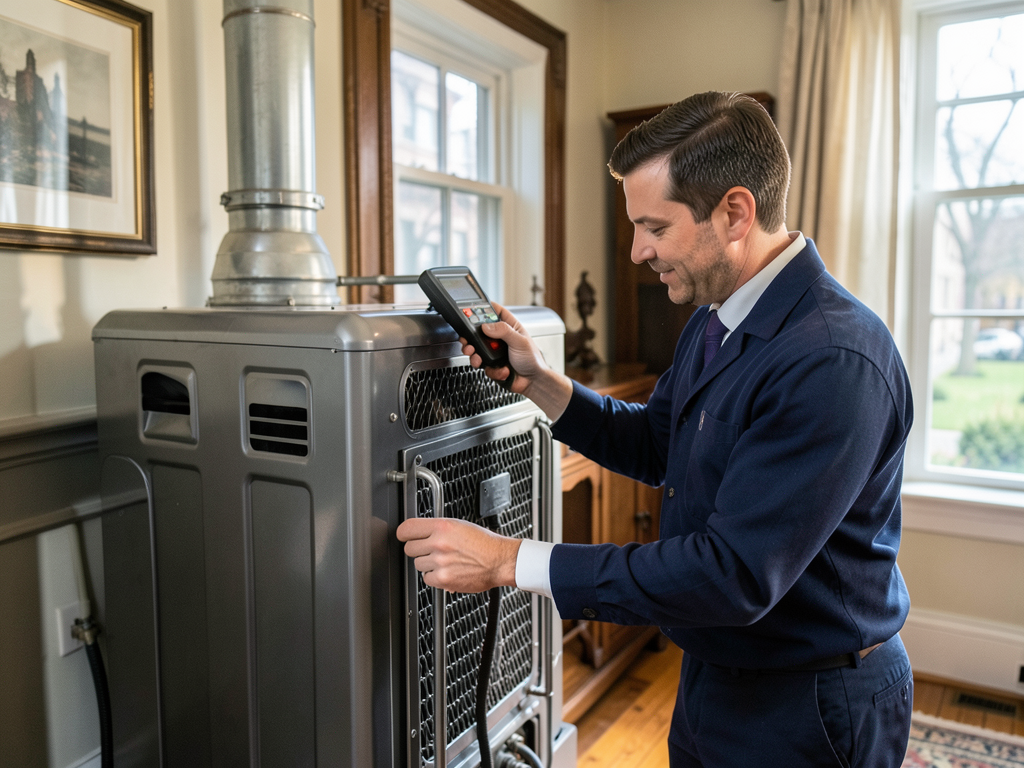
A qualified technician will use diagnostic tools like combustion analyzers and carbon monoxide detectors to properly assess your furnace’s condition. They should provide a written estimate before beginning any repair work.
Frequently Asked Questions
Why does my furnace rattle only when it starts up?
Startup rattling often indicates loose components that vibrate when the system powers on. This could be loose panels, a failing blower motor, or ductwork that shifts when air pressure changes. If the noise stops after a few minutes, it’s usually not an emergency but should be inspected soon.
Can I keep using my furnace if it’s rattling?
It depends on the cause. Minor rattling from loose panels is usually safe to operate temporarily, but you should schedule a repair soon. If you notice any warning signs like gas smells, yellow flames, or carbon monoxide detector alerts, turn off the furnace immediately and call for emergency service.
How long do furnaces typically last in San Francisco?
In San Francisco’s climate, furnaces typically last 15-20 years with proper maintenance. The combination of coastal moisture and occasional heavy use during cold snaps can accelerate wear on components. Annual maintenance can help maximize your furnace’s lifespan.
What’s the difference between rattling and banging noises?
Rattling usually indicates loose or worn components vibrating, while banging often suggests delayed ignition or expanding/contracting metal. Banging noises are more likely to indicate serious issues and should be investigated immediately, especially if accompanied by other warning signs.
Should I repair my old furnace or replace it?
If your furnace is over 15 years old and needs expensive repairs, replacement is often more cost-effective. New high-efficiency models can significantly reduce energy costs and come with better safety features. A professional assessment can help you weigh repair vs. replacement costs for your specific situation.
Don’t let a rattling furnace leave you in the cold. Whether you need a quick fix or a complete system replacement, the right solution starts with proper diagnosis. If you’re hearing unusual noises from your heating system, call (628) 201-6600 today to schedule your inspection. Our NATE-certified technicians understand the unique needs of Russian Hill homes and provide fast, reliable service to keep your family safe and comfortable all winter long.
Remember: when it comes to furnace safety, it’s always better to be proactive. A small rattle today could prevent a major breakdown tomorrow. Contact us now at (628) 201-6600 before the next cold snap hits San Francisco.
You may also find this helpful. Water Leaking Near Your Furnace? It Might Be a Clogged Condensate Line.
{
“@context”: “https://schema.org”,
“@type”: “BlogPosting”,
“headline”: “Why Your Russian Hill Furnace is Making Rattling Noises and How to Fix It”,
“description”: “Is your Russian Hill furnace making rattling noises? Learn the common causes, safety risks, and local repair solutions for San Francisco’s historic homes. Call (628) 201-6600 for expert diagnosis.”,
“wordCount”: 1849,
“datePublished”: “2026-03-27T15:09:00.000Z”,
“dateModified”: “2026-03-27T15:09:00.000Z”,
“inLanguage”: “en-US”,
“mainEntityOfPage”: {
“@type”: “WebPage”,
“@id”: “https://atlashvacsanfrancisco.com”
},
“publisher”: {
“@type”: “LocalBusiness”,
“name”: “Atlas HVAC San Francisco”,
“url”: “https://atlashvacsanfrancisco.com”
},
“author”: {
“@type”: “Organization”,
“name”: “Atlas HVAC San Francisco”,
“url”: “https://atlashvacsanfrancisco.com”
},
“image”: {
“@type”: “ImageObject”,
“url”: “https://atlashvacsanfrancisco.com/wp-content/uploads/2026/03/why-your-russian-hill-furnace-is-making-rattling-n-1.png”
}
}
{
“@context”: “https://schema.org”,
“@type”: “HVACBusiness”,
“name”: “Atlas HVAC San Francisco”,
“url”: “https://atlashvacsanfrancisco.com”,
“address”: {
“@type”: “PostalAddress”,
“addressLocality”: “San Francisco”
},
“areaServed”: {
“@type”: “City”,
“name”: “San Francisco”
}
}
{
“@context”: “https://schema.org”,
“@type”: “FAQPage”,
“mainEntity”: [
{
“@type”: “Question”,
“name”: “Why does my furnace rattle only when it starts up?”,
“acceptedAnswer”: {
“@type”: “Answer”,
“text”: “Startup rattling often indicates loose components that vibrate when the system powers on. This could be loose panels, a failing blower motor, or ductwork that shifts when air pressure changes. If the noise stops after a few minutes, it’s usually not an emergency but should be inspected soon.”
}
},
{
“@type”: “Question”,
“name”: “Can I keep using my furnace if it’s rattling?”,
“acceptedAnswer”: {
“@type”: “Answer”,
“text”: “It depends on the cause. Minor rattling from loose panels is usually safe to operate temporarily, but you should schedule a repair soon. If you notice any warning signs like gas smells, yellow flames, or carbon monoxide detector alerts, turn off the furnace immediately and call for emergency service.”
}
},
{
“@type”: “Question”,
“name”: “How long do furnaces typically last in San Francisco?”,
“acceptedAnswer”: {
“@type”: “Answer”,
“text”: “In San Francisco’s climate, furnaces typically last 15-20 years with proper maintenance. The combination of coastal moisture and occasional heavy use during cold snaps can accelerate wear on components. Annual maintenance can help maximize your furnace’s lifespan.”
}
},
{
“@type”: “Question”,
“name”: “What’s the difference between rattling and banging noises?”,
“acceptedAnswer”: {
“@type”: “Answer”,
“text”: “Rattling usually indicates loose or worn components vibrating, while banging often suggests delayed ignition or expanding/contracting metal. Banging noises are more likely to indicate serious issues and should be investigated immediately, especially if accompanied by other warning signs.”
}
},
{
“@type”: “Question”,
“name”: “Should I repair my old furnace or replace it?”,
“acceptedAnswer”: {
“@type”: “Answer”,
“text”: “If your furnace is over 15 years old and needs expensive repairs, replacement is often more cost-effective. New high-efficiency models can significantly reduce energy costs and come with better safety features. A professional assessment can help you weigh repair vs. replacement costs for your specific situation.”
}
}
]
}
{
“@context”: “https://schema.org”,
“@type”: “HowTo”,
“name”: “How to Troubleshoot a Rattling Furnace”,
“step”: [
{
“@type”: “HowToStep”,
“position”: 1,
“name”: “Check and Replace the Air Filter”,
“text”: “A dirty filter can cause the blower motor to work harder, leading to vibration. Replace your filter if it’s clogged or hasn’t been changed in over 3 months.”
},
{
“@type”: “HowToStep”,
“position”: 2,
“name”: “Inspect External Panels”,
“text”: “Turn off power to the furnace at the breaker. Check all access panels and tighten any loose screws with a screwdriver. Be careful not to overtighten.”
},
{
“@type”: “HowToStep”,
“position”: 3,
“name”: “Listen for the Source”,
“text”: “With the furnace running (after power is restored), carefully listen to pinpoint where the rattle is coming from. Is it the blower compartment, the burner area, or the ductwork?”
},
{
“@type”: “HowToStep”,
“position”: 4,
“name”: “Check Thermostat Settings”,
“text”: “Sometimes a malfunctioning thermostat can cause the furnace to cycle erratically, leading to vibration. Try setting it to a constant temperature to see if the rattling changes.”
}
],
“image”: “https://atlashvacsanfrancisco.com/wp-content/uploads/2026/03/why-your-russian-hill-furnace-is-making-rattling-n-1.png”
}
{
“@context”: “https://schema.org”,
“@type”: “BreadcrumbList”,
“itemListElement”: [
{
“@type”: “ListItem”,
“position”: 1,
“name”: “Home”,
“item”: “https://atlashvacsanfrancisco.com”
},
{
“@type”: “ListItem”,
“position”: 2,
“name”: “Blog”,
“item”: “https://atlashvacsanfrancisco.com/blog”
},
{
“@type”: “ListItem”,
“position”: 3,
“name”: “Why Your Russian Hill Furnace is Making Rattling Noises and How to Fix It”
}
]
}
{
“@context”: “https://schema.org”,
“@type”: “Service”,
“serviceType”: “HVAC”,
“provider”: {
“@type”: “LocalBusiness”,
“name”: “Atlas HVAC San Francisco”,
“url”: “https://atlashvacsanfrancisco.com”
},
“areaServed”: {
“@type”: “City”,
“name”: “San Francisco”
},
“description”: “Is your Russian Hill furnace making rattling noises? Learn the common causes, safety risks, and local repair solutions for San Francisco’s historic homes. Call (628) 201-6600 for expert diagnosis.”
}