
Preventing Mold Growth in Your Inner Sunset Home with Better HVAC Ventilation
Living in the Inner Sunset means dealing with San Francisco’s famous fog and high humidity levels. These conditions create the perfect environment for mold to grow inside your home’s HVAC system. Mold spores thrive in damp, dark spaces where air circulates, and your heating and cooling system can become a breeding ground if not properly maintained. Who to Call for 24 Hour Emergency Heating Repair in San Francisco.
San Francisco’s marine layer keeps relative humidity often above 70% in the Sunset District, especially during summer mornings when fog rolls in from the Pacific. This persistent moisture, combined with the age of many Inner Sunset homes built before 1940, creates unique challenges for preventing mold growth in HVAC systems.. Read more about Improving Air Quality in Glen Park Homes Surrounded by Dense Trees and Pollen.
The good news is that with proper ventilation strategies and regular maintenance, you can keep your HVAC system mold-free and your indoor air healthy. This guide covers everything Inner Sunset homeowners need to know about preventing mold growth through better HVAC ventilation.. Read more about Better Air Circulation Tips for High Rise Residents in the Transbay District.
Why Inner Sunset Homes Are Vulnerable to HVAC Mold
The Inner Sunset’s location just west of Golden Gate Park puts it directly in the path of moisture-laden marine air. Homes in this area experience higher average humidity levels than other parts of San Francisco, with relative humidity often staying above 65% even on sunny days.
Many Inner Sunset homes feature older HVAC systems with original ductwork installed decades ago. These aging systems often have poor insulation, leaks in duct seams, and inadequate drainage systems that allow moisture to accumulate. The combination of persistent humidity and system vulnerabilities creates ideal conditions for mold growth. The Best Way to Install Heat Pumps in Historic San Francisco Victorians.
Victorian and Edwardian homes common in the Inner Sunset were built before modern HVAC standards existed. These structures often have irregular duct layouts, insufficient return air pathways, and poor sealing around vents. When warm, moist air meets cold duct surfaces, condensation forms, providing the moisture mold needs to grow.. Read more about How to Install Modern Air Filtration Without Ruining Your Lake Street Heritage Home.
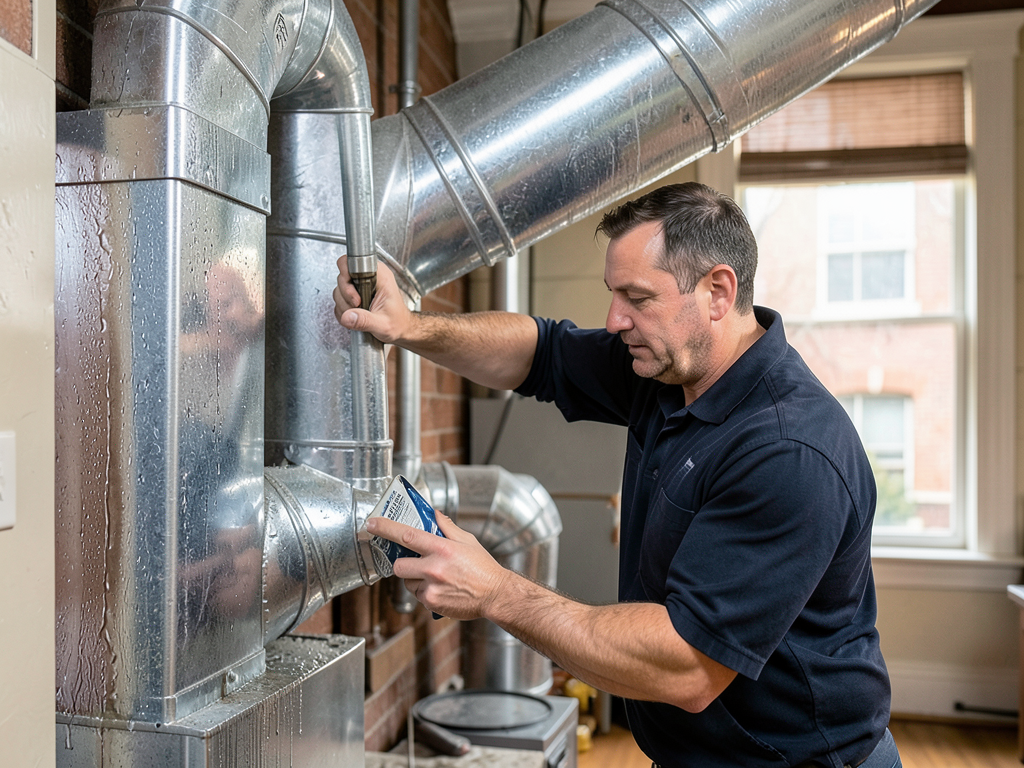
Photo showing condensation on HVAC ducts in a typical Inner Sunset basement
Signs Your HVAC System Has Mold Growth
Detecting mold early can prevent costly damage and health issues. Here are the most common signs of mold growth in your HVAC system:
- Musty odors when your system runs, especially noticeable during humid weather
- Visible mold around air vents, registers, or on duct surfaces
- Excessive condensation on windows or cold surfaces when the AC runs
- Increased allergy symptoms or respiratory issues when indoors
- Black or green spots on air filters when you replace them
- Water stains around vents or on ceilings below ductwork
If you notice any of these signs, your HVAC system likely has mold growth that needs immediate attention. The longer mold grows, the more it spreads through your ductwork and the more difficult it becomes to eliminate.
5 Proven Strategies for Mold-Free HVAC Ventilation
Preventing mold growth requires a comprehensive approach to HVAC ventilation. These five strategies work together to create an environment where mold cannot thrive.
1. Install UV Germicidal Lights in Your Air Handler
UV-C light technology has proven highly effective at killing mold spores and bacteria in HVAC systems. These lights are installed inside your air handler unit where they continuously expose circulating air to ultraviolet radiation.. Read more about Using UV Germicidal Lights to Kill Bacteria and Viruses in Your Home Air.
The UV-C light disrupts the DNA of mold spores, preventing them from reproducing. This technology is particularly valuable in the Inner Sunset where constant humidity makes mold prevention challenging. Professional installation ensures the lights are positioned correctly for maximum effectiveness. Professional Commercial HVAC Maintenance for SOMA Office Buildings.
UV lights typically cost between $400-$800 installed and pay for themselves through improved air quality and reduced maintenance needs. They work continuously, providing 24/7 protection against mold growth in your HVAC system.
2. Upgrade to MERV 13 or Higher Air Filters
Standard HVAC filters trap dust but allow microscopic mold spores to pass through. MERV 13 filters capture particles as small as 0.3 microns, including most mold spores, pollen, and bacteria.
The higher filtration efficiency means your system traps more contaminants before they can circulate through your home or accumulate in your ductwork. However, MERV 13 filters create more resistance to airflow, so professional assessment is necessary to ensure your system can handle the upgrade.
Replace these filters every 60-90 days, or more frequently during peak usage seasons. The Inner Sunset’s high humidity means filters may need more frequent replacement to maintain optimal performance.
3. Maintain Proper Condensate Drain Line Function
Your air conditioner’s condensate drain line removes moisture that accumulates on evaporator coils. When this line becomes clogged or damaged, water backs up and creates standing moisture where mold thrives.
Regular maintenance includes cleaning the drain line with a vinegar solution every 3-4 months and checking for proper drainage during each service visit. Look for signs of algae growth or mineral buildup that can restrict water flow.
Install a condensate safety switch that automatically shuts off your system if the drain line becomes blocked. This prevents water damage and mold growth from overflowing condensate pans.
4. Control Indoor Humidity Levels
Keeping indoor relative humidity between 30-50% makes it difficult for mold to grow. In the Inner Sunset, where outdoor humidity often exceeds 70%, active dehumidification may be necessary.
Whole-house dehumidifiers integrate with your HVAC system to remove excess moisture from the air. These units can extract 70-100 pints of water per day, significantly reducing the moisture available for mold growth.
For homes without central air, portable dehumidifiers placed near problem areas can help. Focus on basements, crawl spaces, and rooms with poor ventilation where moisture tends to accumulate.
5. Schedule Professional HVAC Cleaning and Inspection
Annual professional cleaning removes accumulated dust, debris, and early-stage mold growth before they become problems. A thorough cleaning includes evaporator coil cleaning, blower motor inspection, and ductwork assessment.
Professional technicians use specialized equipment to clean areas you cannot access safely. They also check for system issues that contribute to moisture problems, such as refrigerant leaks or failing condensate pumps.
Schedule cleaning in early spring before cooling season begins. This timing ensures your system is clean and efficient when you need it most during summer fog and humidity. Quiet and Efficient Furnace Replacement Options for Pacific Heights Residents.
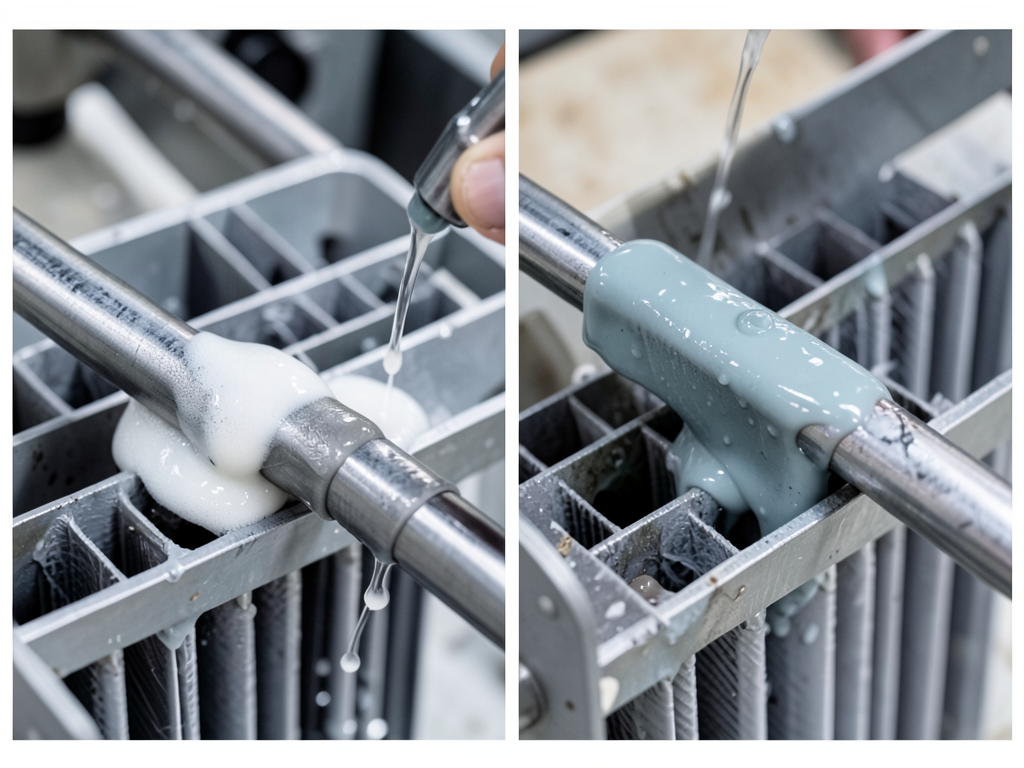
Technician cleaning evaporator coils with specialized antimicrobial solution
The San Francisco Factor: Local Climate Challenges
San Francisco’s unique geography creates specific challenges for HVAC mold prevention. The city’s location between the Pacific Ocean and San Francisco Bay means constant exposure to marine air masses carrying high moisture content.
The Inner Sunset experiences some of the highest average humidity levels in the city due to its western exposure and proximity to the ocean. Morning fog can keep outdoor humidity above 90% for hours, and even when the sun burns off the fog, relative humidity often remains elevated.
California Title 24 energy standards, which apply to all San Francisco buildings, require specific ventilation rates and insulation levels. However, many Inner Sunset homes predate these requirements, creating gaps between modern standards and existing conditions.
The age of housing stock in the Inner Sunset adds another layer of complexity. Homes built before 1940 often have plaster walls, single-pane windows, and minimal insulation. These features allow more moisture transfer between indoor and outdoor environments, increasing the challenge of maintaining optimal indoor humidity levels.
According to the California Energy Commission, proper ventilation in San Francisco homes should achieve at least 0.35 air changes per hour to maintain healthy indoor air quality while preventing moisture buildup. Many older Inner Sunset homes fall below this standard without supplemental ventilation.
Technical Deep Dive: How Mold Grows in HVAC Systems
Understanding the biology and conditions that allow mold to grow helps you prevent it more effectively. Mold requires four elements to thrive: moisture, food source, appropriate temperature, and oxygen.
Your HVAC system provides all four elements. Dust and organic particles in the air serve as food. The temperature range inside most HVAC systems (40-90°F) falls within mold’s optimal growth range. Oxygen is abundant, and moisture comes from condensation on cold surfaces.
The psychrometric chart shows that when warm, humid air contacts surfaces below the dew point temperature, condensation forms. In HVAC systems, this commonly occurs on evaporator coils, ductwork, and drain pans. The moisture then creates the damp environment mold needs.
Different mold species have varying moisture requirements. Some species can grow with relative humidity as low as 65%, while others need 80% or higher. The Inner Sunset’s consistently high humidity means even minor condensation provides sufficient moisture for many mold types.
ASHRAE Standard 62.1 recommends maintaining indoor relative humidity below 60% to prevent mold growth. However, achieving this in the Inner Sunset often requires active dehumidification due to the persistent outdoor moisture levels.
The Role of Condensate Drain Lines and Evaporator Coils
The condensate drain line is your first line of defense against moisture-related mold growth. When your AC runs, warm air passes over cold evaporator coils, causing water vapor to condense. This water collects in a drain pan and flows through the condensate line to the outside.
Problems occur when the drain line becomes clogged with algae, mold, or debris. Water backs up in the drain pan, creating standing water that breeds more mold and bacteria. The backed-up water can also overflow, causing water damage and creating additional moisture problems.
Evaporator coils themselves can become coated with biofilm a slimy layer of microorganisms that includes mold, bacteria, and algae. This coating reduces system efficiency and provides an ideal surface for mold growth. Regular coil cleaning removes this buildup before it becomes problematic.
Proper slope of drain lines is critical. They should slope downward at least 1/4 inch per foot to ensure complete drainage. Many older Inner Sunset homes have drain lines with insufficient slope, leading to standing water and mold growth.
Professional vs. DIY Mold Prevention: When to Call an Expert
While many mold prevention steps are DIY-friendly, some situations require professional expertise. Knowing the difference can save you time, money, and potential health risks.
DIY Tasks You Can Handle:
- Replacing air filters monthly
- Cleaning accessible vent covers
- Using portable dehumidifiers in problem areas
- Running bathroom exhaust fans during and after showers
- Keeping HVAC registers unblocked by furniture
Professional Services Required:
- UV light installation
- Coil cleaning with specialized equipment
- Duct inspection and sealing
- Whole-house dehumidifier installation
- Condensate drain line modification or replacement
San Francisco building codes require permits for certain HVAC modifications, including major system upgrades and new equipment installations. Professional contractors handle permitting and ensure work meets local code requirements.
The California Department of Public Health recommends professional assessment if you discover mold covering more than 10 square feet or if anyone in your household has health conditions that could be aggravated by mold exposure.
Professional mold remediation follows specific protocols established by the IICRC (Institute of Inspection, Cleaning and Restoration Certification). These standards ensure safe, effective removal without spreading contamination to other areas of your home.
Cost Considerations for Mold Prevention in Inner Sunset Homes
Investing in mold prevention saves money compared to remediation costs. Here’s what you can expect to invest in various prevention strategies:
| Prevention Strategy | Typical Cost Range | Frequency | Expected ROI |
|---|---|---|---|
| UV Germicidal Lights | $400 – $800 | One-time installation | 5-7 years |
| MERV 13 Filters | $15 – $30 each | Every 2-3 months | Immediate air quality improvement |
| Professional Cleaning | $200 – $400 | Annually | Improved efficiency, fewer repairs |
| Whole-House Dehumidifier | $1,200 – $2,500 | One-time installation | 3-5 years |
| Condensate Safety Switch | $150 – $250 | One-time installation | Prevents costly water damage |
While the upfront costs may seem significant, consider the alternative. Professional mold remediation in a typical Inner Sunset home can cost $3,000-$6,000 or more, depending on the extent of contamination and necessary repairs. Fast and Affordable AC Repair Services in Daly City and South San Francisco.
Energy savings from improved system efficiency often offset part of the prevention costs. Clean coils and proper airflow can reduce energy consumption by 5-15%, providing ongoing savings that help justify the initial investment.
Creating Your Mold Prevention Maintenance Schedule
Consistency is key to preventing mold growth. Create a maintenance schedule that addresses seasonal changes in the Inner Sunset’s climate.
- Monthly Tasks
Replace air filters, check for visible mold around vents, run bathroom exhaust fans during showers.
- Quarterly Tasks
Clean condensate drain line with vinegar solution, check portable dehumidifier buckets, inspect weatherstripping around windows.
- Bi-Annual Tasks
Schedule professional HVAC cleaning and inspection, check duct insulation, test condensate safety switch.
- Annual Tasks
Evaluate need for system upgrades, assess indoor humidity levels, consider UV light installation if not already present.
Adjust this schedule based on your specific home’s needs. Homes with basements or crawl spaces may need more frequent dehumidification checks, while homes with recent system upgrades might extend filter replacement intervals slightly.
Keep a maintenance log to track when services were performed and any issues discovered. This record helps identify patterns and ensures you don’t miss critical maintenance steps.
Frequently Asked Questions
Can I use bleach to clean mold in my HVAC system?
No. Bleach is not recommended for HVAC mold cleaning because it can damage system components and create harmful fumes when circulated through your home. Professional antimicrobial cleaners are specifically formulated for HVAC use and are safer and more effective.
How often should I replace my HVAC air filter in the Inner Sunset?
Replace standard 1-inch filters every 30-60 days. If you use high-efficiency MERV 13 filters, you can extend replacement to 60-90 days. Homes with pets, allergies, or recent renovations may need more frequent replacement. The high humidity in the Inner Sunset can cause filters to become damp and less effective more quickly.
Will a UV light eliminate all mold in my HVAC system?
UV lights are highly effective at preventing mold growth but work best as part of a comprehensive prevention strategy. They kill mold spores in the air and on surfaces they directly expose, but cannot reach mold growing in areas shielded from the light. Combine UV lights with proper filtration, humidity control, and regular cleaning for best results.
How do I know if my condensate drain line is clogged?
Signs of a clogged drain line include water pooling around your indoor unit, the system shutting off unexpectedly (if equipped with a safety switch), musty odors when the AC runs, or visible algae growth around drain openings. You can test the line by pouring a cup of water into the drain pan and watching if it drains properly within a few minutes.
Is mold in my HVAC system dangerous to my health?
Yes, HVAC mold can cause health issues, especially for people with allergies, asthma, or compromised immune systems. Mold spores circulated through your home can trigger respiratory symptoms, headaches, fatigue, and other health problems. Children, elderly individuals, and those with respiratory conditions are particularly vulnerable.
Take Action Against HVAC Mold Today
Mold growth in your HVAC system is not just an inconvenience it’s a health hazard that can affect your entire family. The unique climate conditions in the Inner Sunset make proactive prevention essential for maintaining healthy indoor air quality.
Don’t wait until you notice musty odors or see visible mold growth. By then, the problem has likely spread throughout your ductwork and become more expensive to resolve. A professional HVAC inspection can identify potential issues before they become serious problems.
Call (628) 201-6600 today to schedule your comprehensive HVAC mold prevention assessment. Our experienced technicians understand the specific challenges Inner Sunset homes face and can recommend the most effective solutions for your situation.
During your assessment, we’ll check for signs of moisture problems, evaluate your current ventilation effectiveness, and provide a customized prevention plan. We serve the entire Inner Sunset area, from 9th Avenue to the beach, and understand the unique needs of homes in this foggy microclimate.
Protect your family’s health and your home’s value with professional HVAC mold prevention. Call (628) 201-6600 now before the next foggy season arrives. Your lungs will thank you, and you’ll enjoy cleaner, fresher air throughout your home.
Before and after comparison showing clean vs. mold-contaminated HVAC components
Additional Resources
For more information about indoor air quality and mold prevention, visit these authoritative sources:
- EPA Mold Resources – Comprehensive information about mold prevention and remediation
- Indoor Air Quality Association – Professional resources for maintaining healthy indoor environments
- ASHRAE Standard 62.1 – Ventilation and indoor air quality standards
Remember, preventing mold growth is much easier and less expensive than removing established mold colonies. Take action today to protect your Inner Sunset home and your family’s health.
{
“@context”: “https://schema.org”,
“@type”: “BlogPosting”,
“headline”: “Preventing Mold Growth in Your Inner Sunset Home with Better HVAC Ventilation”,
“description”: “Stop mold growth in your Inner Sunset home with expert HVAC ventilation tips. Learn how San Francisco’s fog and humidity create unique mold risks and what to do about it.”,
“wordCount”: 2750,
“datePublished”: “2026-03-31T11:16:00.000Z”,
“dateModified”: “2026-03-31T11:16:00.000Z”,
“inLanguage”: “en-US”,
“mainEntityOfPage”: {
“@type”: “WebPage”,
“@id”: “https://atlashvacsanfrancisco.com”
},
“publisher”: {
“@type”: “LocalBusiness”,
“name”: “Atlas HVAC San Francisco”,
“url”: “https://atlashvacsanfrancisco.com”
},
“author”: {
“@type”: “Organization”,
“name”: “Atlas HVAC San Francisco”,
“url”: “https://atlashvacsanfrancisco.com”
},
“image”: {
“@type”: “ImageObject”,
“url”: “https://atlashvacsanfrancisco.com/wp-content/uploads/2026/03/preventing-mold-growth-in-your-inner-sunset-home-w-1.png”
}
}
{
“@context”: “https://schema.org”,
“@type”: “HVACBusiness”,
“name”: “Atlas HVAC San Francisco”,
“url”: “https://atlashvacsanfrancisco.com”,
“address”: {
“@type”: “PostalAddress”,
“addressLocality”: “San Francisco”
},
“areaServed”: {
“@type”: “City”,
“name”: “San Francisco”
}
}
{
“@context”: “https://schema.org”,
“@type”: “FAQPage”,
“mainEntity”: [
{
“@type”: “Question”,
“name”: “Can I use bleach to clean mold in my HVAC system?”,
“acceptedAnswer”: {
“@type”: “Answer”,
“text”: “No. Bleach is not recommended for HVAC mold cleaning because it can damage system components and create harmful fumes when circulated through your home. Professional antimicrobial cleaners are specifically formulated for HVAC use and are safer and more effective.”
}
},
{
“@type”: “Question”,
“name”: “How often should I replace my HVAC air filter in the Inner Sunset?”,
“acceptedAnswer”: {
“@type”: “Answer”,
“text”: “Replace standard 1-inch filters every 30-60 days. If you use high-efficiency MERV 13 filters, you can extend replacement to 60-90 days. Homes with pets, allergies, or recent renovations may need more frequent replacement. The high humidity in the Inner Sunset can cause filters to become damp and less effective more quickly.”
}
},
{
“@type”: “Question”,
“name”: “Will a UV light eliminate all mold in my HVAC system?”,
“acceptedAnswer”: {
“@type”: “Answer”,
“text”: “UV lights are highly effective at preventing mold growth but work best as part of a comprehensive prevention strategy. They kill mold spores in the air and on surfaces they directly expose, but cannot reach mold growing in areas shielded from the light. Combine UV lights with proper filtration, humidity control, and regular cleaning for best results.”
}
},
{
“@type”: “Question”,
“name”: “How do I know if my condensate drain line is clogged?”,
“acceptedAnswer”: {
“@type”: “Answer”,
“text”: “Signs of a clogged drain line include water pooling around your indoor unit, the system shutting off unexpectedly (if equipped with a safety switch), musty odors when the AC runs, or visible algae growth around drain openings. You can test the line by pouring a cup of water into the drain pan and watching if it drains properly within a few minutes.”
}
},
{
“@type”: “Question”,
“name”: “Is mold in my HVAC system dangerous to my health?”,
“acceptedAnswer”: {
“@type”: “Answer”,
“text”: “Yes, HVAC mold can cause health issues, especially for people with allergies, asthma, or compromised immune systems. Mold spores circulated through your home can trigger respiratory symptoms, headaches, fatigue, and other health problems. Children, elderly individuals, and those with respiratory conditions are particularly vulnerable.”
}
}
]
}
{
“@context”: “https://schema.org”,
“@type”: “HowTo”,
“name”: “HVAC Mold Prevention Maintenance Schedule”,
“step”: [
{
“@type”: “HowToStep”,
“position”: 1,
“name”: “Monthly Tasks”,
“text”: “Replace air filters, check for visible mold around vents, run bathroom exhaust fans during showers.”
},
{
“@type”: “HowToStep”,
“position”: 2,
“name”: “Quarterly Tasks”,
“text”: “Clean condensate drain line with vinegar solution, check portable dehumidifier buckets, inspect weatherstripping around windows.”
},
{
“@type”: “HowToStep”,
“position”: 3,
“name”: “Bi-Annual Tasks”,
“text”: “Schedule professional HVAC cleaning and inspection, check duct insulation, test condensate safety switch.”
},
{
“@type”: “HowToStep”,
“position”: 4,
“name”: “Annual Tasks”,
“text”: “Evaluate need for system upgrades, assess indoor humidity levels, consider UV light installation if not already present.”
}
],
“image”: “https://atlashvacsanfrancisco.com/wp-content/uploads/2026/03/preventing-mold-growth-in-your-inner-sunset-home-w-1.png”
}
{
“@context”: “https://schema.org”,
“@type”: “BreadcrumbList”,
“itemListElement”: [
{
“@type”: “ListItem”,
“position”: 1,
“name”: “Home”,
“item”: “https://atlashvacsanfrancisco.com”
},
{
“@type”: “ListItem”,
“position”: 2,
“name”: “Blog”,
“item”: “https://atlashvacsanfrancisco.com/blog”
},
{
“@type”: “ListItem”,
“position”: 3,
“name”: “Preventing Mold Growth in Your Inner Sunset Home with Better HVAC Ventilation”
}
]
}
{
“@context”: “https://schema.org”,
“@type”: “Service”,
“serviceType”: “HVAC”,
“provider”: {
“@type”: “LocalBusiness”,
“name”: “Atlas HVAC San Francisco”,
“url”: “https://atlashvacsanfrancisco.com”
},
“areaServed”: {
“@type”: “City”,
“name”: “San Francisco”
},
“description”: “Stop mold growth in your Inner Sunset home with expert HVAC ventilation tips. Learn how San Francisco’s fog and humidity create unique mold risks and what to do about it.”
}