
Heating and Cooling Solutions for San Francisco Garden Suites and In Law Units
San Francisco’s thousands of accessory dwelling units (ADUs) and in-law units face unique climate control challenges. From foggy Sunset District garden suites to sunny Mission District conversions, these compact living spaces need efficient, code-compliant heating and cooling systems that fit tight footprints and meet strict California energy standards. California Title 24 Energy Code.
Why Garden Suites and In Law Units Need Specialized HVAC
Garden suites and in-law units in San Francisco typically range from 300 to 600 square feet and often occupy converted garages, basements, or detached structures. These spaces face distinct challenges: poor insulation in older buildings, limited wall space for equipment, and San Francisco’s microclimates that can swing from coastal fog to inland heat within miles.. Read more about San Francisco Landlord Guide to Meeting Legal Heating Requirements in Rental Units.
California’s Title 24 energy code requires all new ADUs to meet strict efficiency standards. This means traditional window units often won’t cut it, and landlords must consider both tenant comfort and energy costs when selecting systems.. Read more about Why a Standard Size AC Might Not Work for Your Unique San Francisco Home Layout.
Top Heating and Cooling Options for SF ADUs
Choosing the right system depends on your unit’s size, location, and existing infrastructure. Here’s how the most popular options compare for San Francisco’s unique conditions.. Read more about How High Velocity HVAC Fits Into San Francisco Homes with No Duct Space.
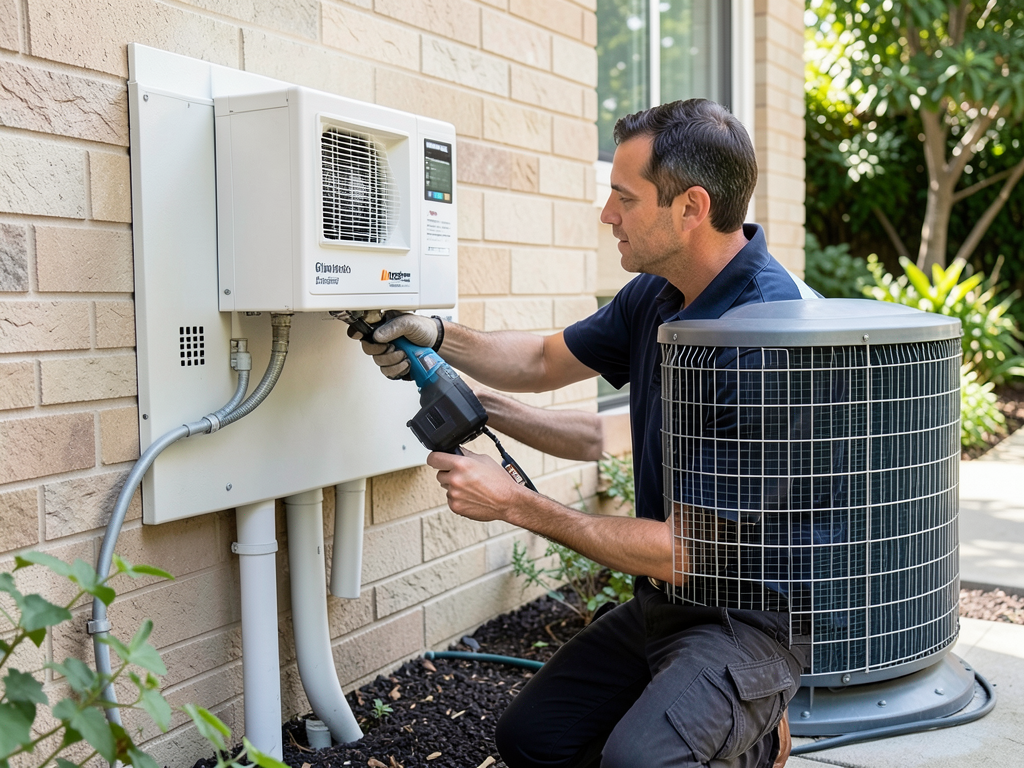
Diagram comparing ductless mini-split, electric baseboard, and radiant floor heating systems for small spaces.
Ductless Mini-Split Heat Pumps
Ductless mini-splits dominate the ADU market for good reason. These wall-mounted units connect to an outdoor compressor and provide both heating and cooling through a single system. In San Francisco’s moderate climate, a high-SEER mini-split can handle both winter warmth and summer cooling without breaking the bank. Who to Call for 24 Hour Emergency Heating Repair in San Francisco.
The installation process typically takes one day and requires only a small hole for refrigerant lines. This makes them ideal for converted garages where running ductwork would be cost-prohibitive. Modern mini-splits operate at whisper-quiet levels, crucial for maintaining good tenant relations in dense neighborhoods. The Best Way to Install Heat Pumps in Historic San Francisco Victorians.
Electric Baseboard Heaters
Electric baseboard heaters offer the simplest installation for heating-only needs. They mount along exterior walls and provide steady, silent heat through convection. While not as efficient as heat pumps, they work well in small spaces where cooling isn’t necessary. Quiet and Efficient Furnace Replacement Options for Pacific Heights Residents.
Baseboard heaters excel in historic San Francisco homes where preserving original architecture matters. They don’t require any exterior modifications, making them perfect for buildings in historic districts where permits for outdoor units face scrutiny.. Read more about Why San Francisco Homeowners are Pairing Heat Pump HVAC with Heat Pump Water Heaters.
Radiant Floor Heating
Radiant floor heating provides luxurious, even warmth perfect for San Francisco’s damp mornings. Electric radiant mats install beneath tile or engineered wood flooring, creating invisible heating that doesn’t take up wall or window space.
While radiant heating costs more upfront than other options, it eliminates cold spots and operates silently. This makes it ideal for luxury ADUs or units where tenants expect premium comfort. However, radiant systems only provide heating, so you’ll need separate cooling solutions for summer months.. Read more about The Best Quiet Cooling Options for Lower Nob Hill Studio Apartments.
Heat Pump Water Heaters with Space Heating
Hybrid systems that combine water heating with space heating are gaining popularity in San Francisco’s all-electric building push. These units extract heat from the surrounding air to warm water while simultaneously providing space heating through hydronic coils.
This approach maximizes efficiency in small spaces by serving dual purposes. The units work best in unconditioned spaces like garages where they can draw heat from the ambient air without competing with occupied living areas.
San Francisco Building Code Requirements for ADU HVAC
California Title 24 mandates specific efficiency levels for all new HVAC installations. For ADUs, this typically means a minimum 14 SEER rating for cooling and proper insulation of all ductwork. San Francisco’s Department of Building Inspection adds local requirements that affect system selection.. Read more about How We Handle Difficult HVAC Installations for Steep Telegraph Hill Properties.
Outdoor condenser units must comply with San Francisco’s noise ordinances, which limit operation to 70 decibels at the property line. This restriction often eliminates cheaper, louder models and pushes property owners toward high-quality, quiet-operating equipment.
The city also requires permits for any system that modifies the building envelope or electrical service. This includes most mini-split installations, which need electrical upgrades in older buildings with 60-amp services.
Cost Considerations for SF ADU Climate Control
Installation costs in San Francisco run higher than national averages due to labor rates and permit fees. A basic ductless mini-split system for a 400-square-foot ADU typically costs between $3,500 and $5,500 installed, including permits and electrical work.
Electric baseboard heating runs $800 to $1,500 for materials, with installation adding another $500 to $1,000. Radiant floor heating costs $10 to $20 per square foot for materials alone, with installation pushing total costs to $15,000 to $25,000 for an average ADU.
While heat pumps cost more upfront, they typically pay for themselves within 3-5 years through energy savings. In San Francisco’s mild climate, a high-efficiency heat pump can reduce heating costs by 30-50% compared to electric resistance heating.
Local Rebates and Incentives
San Francisco property owners can access several rebate programs that offset HVAC costs. BayREN (Bay Area Regional Energy Network) offers rebates up to $1,000 for high-efficiency heat pump installations in existing buildings. TECH Clean California provides additional incentives for heat pump conversions. BayREN Rebate Programs.
Pacific Gas and Electric offers rebates for smart thermostats and high-efficiency equipment. These programs change annually, so checking current offerings before purchasing equipment can save hundreds of dollars.
San Francisco’s electrification goals mean these incentives will likely increase over the next few years as the city pushes to eliminate natural gas in new construction.
Climate Considerations by Neighborhood
San Francisco’s microclimates significantly impact HVAC needs. Coastal areas like the Sunset and Richmond Districts stay cool year-round but experience high humidity and fog. These areas benefit most from dehumidification features in modern heat pumps.
Warmer inland neighborhoods like the Mission and Noe Valley occasionally need substantial cooling during summer heat waves. Here, systems with higher cooling capacity and better humidity control prove valuable.
Garden suites in wind-prone areas need wind-rated outdoor units. San Francisco’s coastal winds can damage standard equipment, so selecting models with reinforced cabinets prevents premature failure.
Installation Best Practices for Small Spaces
Successful ADU HVAC installation requires careful planning. The outdoor unit’s location affects both system efficiency and neighbor relations. Units should sit on vibration-absorbing pads and maintain proper clearance from property lines.
Indoor units need strategic placement for optimal air distribution. Wall-mounted mini-splits work best when installed on exterior walls with good air circulation. Avoid placing units where furniture will block airflow or where condensate lines might damage finishes.
Electrical capacity often limits system choices in older buildings. Many San Francisco homes built before 1980 have 60-amp services that can’t support modern HVAC equipment. Upgrading to 100-amp or 200-amp service might be necessary, adding $1,500 to $3,000 to project costs.
Maintenance Requirements for ADU Systems
ADUs see less frequent use than primary residences, which affects maintenance schedules. Systems in rental units need annual professional service to maintain efficiency and prevent costly repairs. Filters should be checked every three months, more frequently if the unit is near street-level pollution. Professional Commercial HVAC Maintenance for SOMA Office Buildings.
Coastal units require additional attention due to salt air corrosion. Outdoor coils need quarterly cleaning with fresh water to prevent mineral buildup. Units within five miles of the ocean should have corrosion-resistant coatings on all metal components.
Smart thermostats help optimize energy use in ADUs where occupancy varies. These devices learn usage patterns and adjust temperatures automatically, reducing energy waste when units sit empty between tenants.
Common Installation Mistakes to Avoid
Undersizing systems is the most frequent error in ADU installations. Small spaces still need adequate capacity to handle San Francisco’s temperature swings. A 400-square-foot unit might need 9,000 BTUs for heating and 8,000 BTUs for cooling, not the 5,000 BTUs many assume.
Poor drainage planning causes expensive water damage. Condensate lines must slope properly and terminate at least five feet from the foundation. In San Francisco’s rainy season, backup condensate pumps prevent overflow during heavy storms.
Ignoring local noise ordinances leads to neighbor complaints and potential fines. Always verify decibel ratings and maintain required setbacks from property lines when positioning outdoor units.
Future-Proofing Your ADU HVAC Investment
San Francisco’s building electrification requirements will only get stricter. Installing heat pump systems now prepares your property for future regulations while qualifying for current rebates. Heat pumps also increase property values by appealing to environmentally conscious buyers and renters.
Consider smart home integration when selecting equipment. Modern heat pumps work with most smart thermostats and can integrate with home automation systems. This feature appeals to tech-savvy tenants and allows remote monitoring for landlords.
Finally, document all permits and inspections. This paperwork proves compliance if you sell the property and helps future owners understand the system’s specifications.
Getting Professional Help in San Francisco
ADU HVAC installation requires contractors familiar with San Francisco’s specific requirements. Look for professionals who understand Title 24 compliance, local permit processes, and the unique challenges of small-space installations in historic buildings.. Read more about How to Find a Mitsubishi Diamond Contractor for Your San Francisco Home.
Ask potential contractors about their experience with ADU projects specifically. The best professionals will discuss permit requirements upfront and provide detailed proposals that account for San Francisco’s high labor costs and strict building codes.
Request references from other ADU owners and verify that contractors carry proper insurance for work in San Francisco. The city’s high property values make adequate insurance coverage essential for protecting your investment.
Frequently Asked Questions
What’s the most cost-effective heating and cooling system for a San Francisco in-law unit?
Ductless mini-split heat pumps offer the best balance of upfront cost, operating efficiency, and year-round comfort for most San Francisco ADUs. They qualify for rebates, meet Title 24 requirements, and handle both heating and cooling in one system.
Do I need permits to install HVAC in my San Francisco ADU?
Yes, most HVAC installations require permits from the San Francisco Department of Building Inspection. This includes mini-splits, which need electrical permits, and any system that modifies the building envelope or electrical service.
How long does ADU HVAC installation typically take?
Most ductless mini-split installations in San Francisco ADUs take one to two days for the physical installation, plus one to four weeks for permit approval and inspections. Electric baseboard heating can often be installed in a single day.
Can I install HVAC in my ADU myself to save money?
DIY HVAC installation is illegal in San Francisco without proper licensing and permits. Beyond legal issues, improper installation can cause efficiency problems, void warranties, and create safety hazards. Professional installation ensures code compliance and protects your investment.
What size HVAC system do I need for a 400-square-foot ADU?
A 400-square-foot ADU typically needs a 9,000 BTU heating and 8,000 BTU cooling capacity, but factors like insulation quality, ceiling height, and local climate affect sizing. Professional load calculations ensure proper system selection.
Are there any energy rebates available for ADU HVAC in San Francisco?
Yes, BayREN offers rebates up to $1,000 for high-efficiency heat pump installations, and TECH Clean California provides additional incentives. PG&E also offers rebates for smart thermostats and efficient equipment. Check current programs before purchasing.
How do I maintain my ADU HVAC system?
Change filters every three months, clean outdoor coils quarterly if near the coast, and schedule annual professional maintenance. Coastal units need extra attention to prevent salt corrosion. Smart thermostats help optimize energy use between tenant occupancies.
What’s the difference between Title 24 and local San Francisco HVAC requirements?
Title 24 sets state-wide efficiency standards, while San Francisco adds local requirements like noise ordinances for outdoor units and specific permit processes. Local contractors understand both sets of requirements and ensure full compliance.
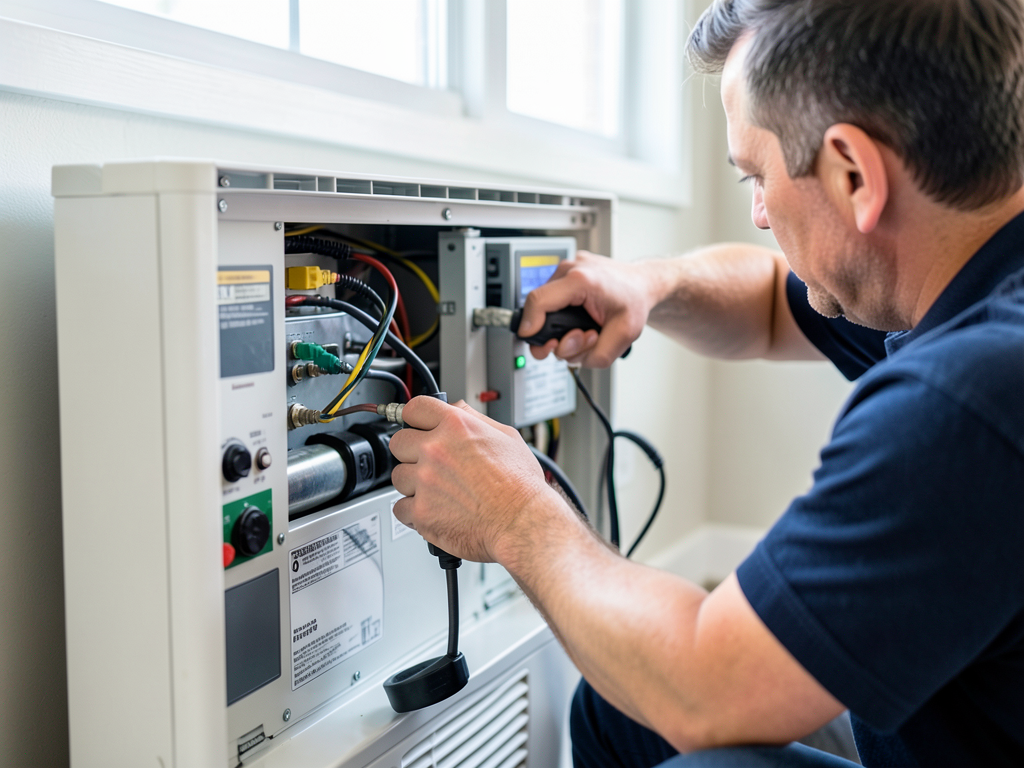
Technician performing a refrigerant pressure test on a mini-split system in a San Francisco ADU.
Outdoor condenser unit mounted on a vibration-absorbing pad with proper clearance from property lines.
Ready to Upgrade Your ADU’s Comfort?
Don’t let your garden suite or in-law unit suffer through another foggy summer or damp winter. Call (628) 201-6600 today to schedule your free ADU comfort assessment. Our San Francisco HVAC experts will evaluate your space, discuss your options, and provide a detailed proposal that meets all local requirements while maximizing your comfort and energy savings.
Pick up the phone and call (628) 201-6600 before the next heat wave hits. Your tenants will thank you, and your energy bills will show the difference.
You may also find this helpful. Affordable Ways to Cool Down an Overheating Inner Mission Flat.
You may also find this helpful. Comparing Daikin and Fujitsu Heat Pumps for the San Francisco Climate.
{
“@context”: “https://schema.org”,
“@type”: “BlogPosting”,
“headline”: “Heating and Cooling Solutions for San Francisco Garden Suites and In Law Units”,
“description”: “Discover the best heating and cooling options for SF garden suites and in-law units. Learn about Title 24 compliance, local rebates, and space-saving systems for your ADU.”,
“wordCount”: 2063,
“datePublished”: “2026-04-14T12:28:00.000Z”,
“dateModified”: “2026-04-14T12:28:00.000Z”,
“inLanguage”: “en-US”,
“mainEntityOfPage”: {
“@type”: “WebPage”,
“@id”: “https://atlashvacsanfrancisco.com”
},
“publisher”: {
“@type”: “LocalBusiness”,
“name”: “Atlas HVAC San Francisco”,
“url”: “https://atlashvacsanfrancisco.com”
},
“author”: {
“@type”: “Organization”,
“name”: “Atlas HVAC San Francisco”,
“url”: “https://atlashvacsanfrancisco.com”
},
“image”: {
“@type”: “ImageObject”,
“url”: “https://atlashvacsanfrancisco.com/wp-content/uploads/2026/03/heating-and-cooling-solutions-for-san-francisco-ga-1.png”
}
}
{
“@context”: “https://schema.org”,
“@type”: “HVACBusiness”,
“name”: “Atlas HVAC San Francisco”,
“url”: “https://atlashvacsanfrancisco.com”,
“address”: {
“@type”: “PostalAddress”,
“addressLocality”: “San Francisco”
},
“areaServed”: {
“@type”: “City”,
“name”: “San Francisco”
}
}
{
“@context”: “https://schema.org”,
“@type”: “FAQPage”,
“mainEntity”: [
{
“@type”: “Question”,
“name”: “What’s the most cost-effective heating and cooling system for a San Francisco in-law unit?”,
“acceptedAnswer”: {
“@type”: “Answer”,
“text”: “Ductless mini-split heat pumps offer the best balance of upfront cost, operating efficiency, and year-round comfort for most San Francisco ADUs. They qualify for rebates, meet Title 24 requirements, and handle both heating and cooling in one system.”
}
},
{
“@type”: “Question”,
“name”: “Do I need permits to install HVAC in my San Francisco ADU?”,
“acceptedAnswer”: {
“@type”: “Answer”,
“text”: “Yes, most HVAC installations require permits from the San Francisco Department of Building Inspection. This includes mini-splits, which need electrical permits, and any system that modifies the building envelope or electrical service.”
}
},
{
“@type”: “Question”,
“name”: “How long does ADU HVAC installation typically take?”,
“acceptedAnswer”: {
“@type”: “Answer”,
“text”: “Most ductless mini-split installations in San Francisco ADUs take one to two days for the physical installation, plus one to four weeks for permit approval and inspections. Electric baseboard heating can often be installed in a single day.”
}
},
{
“@type”: “Question”,
“name”: “Can I install HVAC in my ADU myself to save money?”,
“acceptedAnswer”: {
“@type”: “Answer”,
“text”: “DIY HVAC installation is illegal in San Francisco without proper licensing and permits. Beyond legal issues, improper installation can cause efficiency problems, void warranties, and create safety hazards. Professional installation ensures code compliance and protects your investment.”
}
},
{
“@type”: “Question”,
“name”: “What size HVAC system do I need for a 400-square-foot ADU?”,
“acceptedAnswer”: {
“@type”: “Answer”,
“text”: “A 400-square-foot ADU typically needs a 9,000 BTU heating and 8,000 BTU cooling capacity, but factors like insulation quality, ceiling height, and local climate affect sizing. Professional load calculations ensure proper system selection.”
}
},
{
“@type”: “Question”,
“name”: “Are there any energy rebates available for ADU HVAC in San Francisco?”,
“acceptedAnswer”: {
“@type”: “Answer”,
“text”: “Yes, BayREN offers rebates up to $1,000 for high-efficiency heat pump installations, and TECH Clean California provides additional incentives. PG&E also offers rebates for smart thermostats and efficient equipment. Check current programs before purchasing.”
}
},
{
“@type”: “Question”,
“name”: “How do I maintain my ADU HVAC system?”,
“acceptedAnswer”: {
“@type”: “Answer”,
“text”: “Change filters every three months, clean outdoor coils quarterly if near the coast, and schedule annual professional maintenance. Coastal units need extra attention to prevent salt corrosion. Smart thermostats help optimize energy use between tenant occupancies.”
}
},
{
“@type”: “Question”,
“name”: “What’s the difference between Title 24 and local San Francisco HVAC requirements?”,
“acceptedAnswer”: {
“@type”: “Answer”,
“text”: “Title 24 sets state-wide efficiency standards, while San Francisco adds local requirements like noise ordinances for outdoor units and specific permit processes. Local contractors understand both sets of requirements and ensure full compliance.”
}
},
{
“@type”: “Question”,
“name”: “Ready to Upgrade Your ADU’s Comfort?”,
“acceptedAnswer”: {
“@type”: “Answer”,
“text”: “Don’t let your garden suite or in-law unit suffer through another foggy summer or damp winter. Call (628) 201-6600 today to schedule your free ADU comfort assessment. Our San Francisco HVAC experts will evaluate your space, discuss your options, and provide a detailed proposal that meets all local requirements while maximizing your comfort and energy savings.”
}
}
]
}
{
“@context”: “https://schema.org”,
“@type”: “BreadcrumbList”,
“itemListElement”: [
{
“@type”: “ListItem”,
“position”: 1,
“name”: “Home”,
“item”: “https://atlashvacsanfrancisco.com”
},
{
“@type”: “ListItem”,
“position”: 2,
“name”: “Blog”,
“item”: “https://atlashvacsanfrancisco.com/blog”
},
{
“@type”: “ListItem”,
“position”: 3,
“name”: “Heating and Cooling Solutions for San Francisco Garden Suites and In Law Units”
}
]
}
{
“@context”: “https://schema.org”,
“@type”: “Service”,
“serviceType”: “HVAC”,
“provider”: {
“@type”: “LocalBusiness”,
“name”: “Atlas HVAC San Francisco”,
“url”: “https://atlashvacsanfrancisco.com”
},
“areaServed”: {
“@type”: “City”,
“name”: “San Francisco”
},
“description”: “Discover the best heating and cooling options for SF garden suites and in-law units. Learn about Title 24 compliance, local rebates, and space-saving systems for your ADU.”
}