
How to Tell if Your Hidden Air Ducts are Leaking and Wasting Energy
Leaky air ducts can quietly drain your wallet while making your home uncomfortable. In San Francisco homes where ducts often run through attics, crawl spaces, or inside walls, small leaks can waste 20-30% of the air your HVAC system produces. You might notice rising energy bills, rooms that never quite reach the right temperature, or dust that seems to appear out of nowhere. These are your home’s way of telling you something is wrong with your ductwork. The good news is that you can spot many of these problems yourself before calling in a professional for testing. Professional Commercial HVAC Maintenance for SOMA Office Buildings.
Why Duct Leaks are Common in Bay Area Homes
San Francisco’s unique building environment creates specific challenges for duct systems. Many homes in neighborhoods like the Sunset District and Richmond were built between the 1920s and 1940s with minimal insulation and aging duct materials. The combination of salty coastal air, temperature swings between the foggy mornings and sunny afternoons, and the region’s occasional seismic activity can stress duct joints and seals over time. In older Victorians and Edwardian homes throughout Noe Valley and Pacific Heights, duct systems often run through unconditioned spaces where temperature extremes and moisture can accelerate deterioration of tape seals and connections.. Read more about Why Large Sea Cliff Homes Struggle with Uneven Heating and High Bills.
California Title 24 energy efficiency standards require duct testing for new installations, but many existing homes never had their ducts properly sealed or tested. This means thousands of Bay Area homes are operating with duct systems that waste energy every single day. California Title 24 duct testing requirements.
The Core Symptoms of Duct Failure
Unexplained Spikes in PG&E Bills
When your HVAC system has to work harder to compensate for lost air, your energy consumption increases. If you notice your PG&E bills climbing without a corresponding change in usage patterns or rates, leaky ducts could be the culprit. The system runs longer cycles trying to reach the thermostat setting, consuming more electricity or gas in the process.
Excessive Dust Regardless of Cleaning Frequency
Duct leaks in unconditioned spaces like attics or crawl spaces can pull in dust, insulation particles, and other debris. This contaminated air gets distributed throughout your home every time the system runs. If you find yourself dusting more often than usual or noticing dust buildup near vents, your ducts might be drawing in unwanted particles from hidden areas.
Hot and Cold Spots (Uneven Temperature Distribution)
Rooms that feel significantly warmer or cooler than others often indicate duct problems. A leak in one section means that room isn’t getting its proper share of conditioned air. In San Francisco’s varied microclimates, this becomes especially noticeable when coastal fog rolls in or during unexpected heat waves. You might find the living room comfortable while the bedroom remains chilly, even with the thermostat set correctly.. Read more about The Surprising Reason Your San Francisco Home is Dustier Than It Should Be.
Musty Odors or Poor Indoor Air Quality
Ducts running through damp crawl spaces or attics can develop moisture problems that lead to mold growth. When the system operates, it can distribute these musty odors throughout your home. You might also notice increased allergy symptoms or respiratory irritation, particularly during high pollen seasons or when wildfire smoke affects the region.
Rattling or Whistling Noises from Vents
Unusual sounds when your HVAC system runs often indicate duct issues. A whistling noise suggests air rushing through a small opening, while rattling might mean loose duct connections or debris in the system. These sounds tend to be more noticeable in the quiet evening hours when your home is otherwise silent. Quiet and Efficient Furnace Replacement Options for Pacific Heights Residents.
The ‘Visual’ Test: How to Spot Leaks Yourself
While most duct leaks hide behind walls or in attics, you can perform a simple visual inspection in accessible areas. Start by examining any exposed duct runs in your basement, attic, or crawl space if you have access. Look for these warning signs:
- Disconnected joints where two duct sections meet
- Deteriorated duct tape that has lost its adhesion
- Visible gaps around duct connections to vents or registers
- Damaged insulation around duct runs
- Rust or corrosion on metal ducts, especially near the coast
A simple smoke test can help identify leaks in accessible areas. Light an incense stick or use a smoke pencil near duct connections while the system runs. If the smoke gets pulled into or pushed away from a connection, you’ve found a leak. This test works best for supply duct leaks where air pressure pushes smoke away from the connection.
Check your air filter monthly. If it gets dirty faster than normal or appears damaged, your system might be pulling in unfiltered air through duct leaks. Also examine your vent registers for excessive dust buildup, which can indicate air being pulled in through leaks rather than properly flowing through the system.
Professional Diagnostic Methods
When DIY checks suggest problems but you need confirmation, professional duct testing provides accurate results. HVAC technicians use specialized equipment to measure exactly how much air your system is losing.
Blower Door Testing
This test measures your home’s overall air leakage by creating a pressure difference between inside and outside. While primarily used for building envelope testing, it can help identify if your duct system is contributing significantly to air loss. The technician uses a powerful fan mounted in an exterior door to depressurize your home, then measures air flow to calculate leakage rates.
Duct Blaster Test (Mentioning CFM Leakage Rates)
The duct blaster test specifically evaluates your duct system’s integrity. Technicians seal all vents and registers, then use a calibrated fan to pressurize the duct system. They measure the airflow required to maintain pressure, calculating cubic feet per minute (CFM) of leakage. California Title 24 standards require new duct systems to leak no more than 6% of total airflow, but many older systems leak 20% or more.
Thermal Imaging/Infrared Camera Results
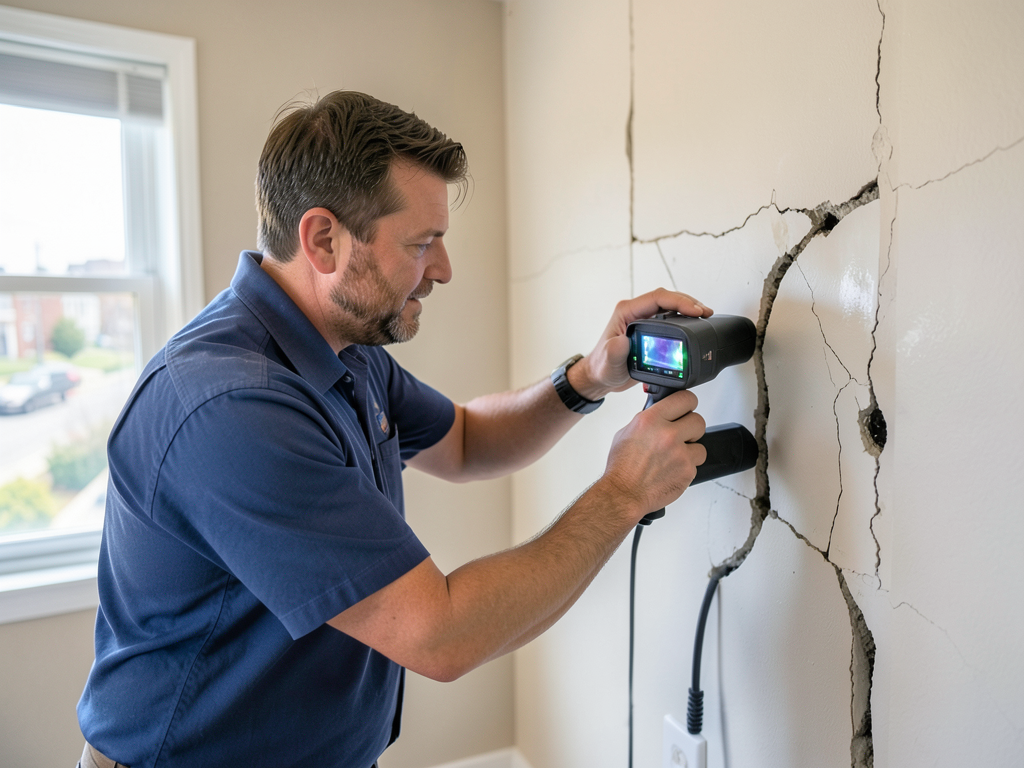
Infrared cameras can reveal temperature differences that indicate duct leaks. When your system runs, escaping air creates visible temperature patterns on walls, ceilings, or floors near duct runs. These thermal signatures show exactly where conditioned air is escaping, even through drywall or other building materials. This technology is particularly useful for finding leaks in inaccessible areas without destructive testing.
Solving the Issue: Aeroseal vs. Traditional Sealing
Once you’ve identified duct leaks, you have several repair options depending on the severity and location of the problems. Traditional sealing methods work well for accessible leaks, while newer technologies can address hidden issues without major demolition. Fast and Affordable AC Repair Services in Daly City and South San Francisco.
Traditional sealing involves manually applying mastic sealant or metal tape to accessible leaks. This approach works well for visible gaps and disconnected joints in attics or basements. However, it becomes impractical when leaks hide behind walls or under floors, as accessing them would require extensive demolition.
Aeroseal technology offers a revolutionary approach to duct sealing. The process involves injecting a water-based sealant into your pressurized duct system. As air escapes through leaks, the sealant particles are carried to the openings where they accumulate and create an airtight seal. This method can seal leaks throughout your entire duct system, including those hidden behind walls, without any demolition. The process typically takes 4-6 hours and can reduce duct leakage by 90% or more.
The choice between methods depends on your specific situation. If you have accessible ducts with obvious disconnections, traditional sealing might suffice. For whole-house duct systems with hidden leaks, Aeroseal often provides the most comprehensive and cost-effective solution. Both methods can qualify for energy efficiency rebates through programs like BayREN, potentially offsetting a significant portion of the repair costs.
Energy Savings and ROI
Sealing duct leaks typically pays for itself within 2-3 years through energy savings. A home with 25% duct leakage might see utility bills drop by 15-25% after professional sealing. Beyond direct energy savings, you’ll benefit from improved comfort, better indoor air quality, and reduced strain on your HVAC equipment, potentially extending its lifespan.
Many San Francisco homeowners qualify for energy efficiency rebates that can cover 30-50% of duct sealing costs. PG&E and BayREN offer programs specifically for duct improvement, making this upgrade more affordable than ever. The investment also increases your home’s value and appeal to future buyers who prioritize energy efficiency.
Frequently Asked Questions
How do I know if my ducts are leaking?
Look for signs like high energy bills, uneven room temperatures, excessive dust, musty odors, or whistling sounds from vents. You can also perform a visual inspection of accessible ducts for disconnected joints or deteriorated tape.
Can I seal duct leaks myself?
You can seal accessible leaks using mastic sealant or metal tape, but hidden leaks require professional equipment. DIY sealing of visible connections can help, but comprehensive testing and sealing typically needs specialized tools.
How much does professional duct sealing cost?
Professional duct sealing costs vary based on home size and leak severity, typically ranging from $500 to $2,500. Aeroseal technology may cost more upfront but often provides better results for whole-house systems.
Will duct sealing reduce my energy bills?
Yes, sealing duct leaks typically reduces energy bills by 15-25% by preventing conditioned air from escaping. The exact savings depend on your initial leakage rate and HVAC usage patterns.
How long does duct sealing last?
Quality duct sealing can last 10-15 years or more. Traditional mastic seals may need occasional touch-ups, while Aeroseal applications typically provide longer-lasting results since they seal the entire duct system uniformly.
- Visual Inspection
Examine accessible ducts for disconnected joints, deteriorated tape, or visible gaps around connections.
- Airflow Testing
Check if some rooms get less airflow than others by feeling vent output with your hand while the system runs.
- Filter Examination
Inspect your air filter for excessive dirt or damage that might indicate unfiltered air entering through leaks.
- Professional Assessment
Schedule duct testing if you notice multiple warning signs or want definitive leakage measurements.
Take Action Before Winter Hits
San Francisco’s mild climate can make duct problems seem less urgent, but leaky ducts waste energy year-round and can cause serious comfort issues when winter fog rolls in or summer heat waves arrive. The longer you wait, the more money you waste on energy that never reaches your living spaces.
Don’t let hidden duct leaks continue draining your wallet and compromising your comfort. A professional duct assessment can identify exactly where your system is losing efficiency and recommend the most cost-effective solutions. With available rebates and the potential for significant energy savings, there’s never been a better time to address duct problems.
Call (628) 201-6600 today to schedule your professional duct inspection. Our certified technicians use advanced diagnostic tools to find and fix duct leaks, helping you save money while improving your home’s comfort and air quality. Don’t wait until the next utility bill arrives with another unpleasant surprise.
Pick up the phone and call (628) 201-6600 before the next cold snap or heat wave hits. Your comfort and wallet will thank you. For more information, visit U.S. Department of Energy duct sealing guide.
{
“@context”: “https://schema.org”,
“@type”: “BlogPosting”,
“headline”: “How to Tell if Your Hidden Air Ducts are Leaking and Wasting Energy”,
“description”: “Discover the warning signs of leaking air ducts in your San Francisco home. Learn how to spot symptoms, understand energy waste, and when to call for professional duct testing.”,
“wordCount”: 1844,
“datePublished”: “2026-05-14T06:13:00.000Z”,
“dateModified”: “2026-05-14T06:13:00.000Z”,
“inLanguage”: “en-US”,
“mainEntityOfPage”: {
“@type”: “WebPage”,
“@id”: “https://atlashvacsanfrancisco.com”
},
“publisher”: {
“@type”: “LocalBusiness”,
“name”: “Atlas HVAC San Francisco”,
“url”: “https://atlashvacsanfrancisco.com”
},
“author”: {
“@type”: “Organization”,
“name”: “Atlas HVAC San Francisco”,
“url”: “https://atlashvacsanfrancisco.com”
},
“image”: {
“@type”: “ImageObject”,
“url”: “https://atlashvacsanfrancisco.com/wp-content/uploads/2026/03/how-to-tell-if-your-hidden-air-ducts-are-leaking-a-1.png”
}
}
{
“@context”: “https://schema.org”,
“@type”: “HVACBusiness”,
“name”: “Atlas HVAC San Francisco”,
“url”: “https://atlashvacsanfrancisco.com”,
“address”: {
“@type”: “PostalAddress”,
“addressLocality”: “San Francisco”
},
“areaServed”: {
“@type”: “City”,
“name”: “San Francisco”
}
}
{
“@context”: “https://schema.org”,
“@type”: “FAQPage”,
“mainEntity”: [
{
“@type”: “Question”,
“name”: “How do I know if my ducts are leaking?”,
“acceptedAnswer”: {
“@type”: “Answer”,
“text”: “Look for signs like high energy bills, uneven room temperatures, excessive dust, musty odors, or whistling sounds from vents. You can also perform a visual inspection of accessible ducts for disconnected joints or deteriorated tape.”
}
},
{
“@type”: “Question”,
“name”: “Can I seal duct leaks myself?”,
“acceptedAnswer”: {
“@type”: “Answer”,
“text”: “You can seal accessible leaks using mastic sealant or metal tape, but hidden leaks require professional equipment. DIY sealing of visible connections can help, but comprehensive testing and sealing typically needs specialized tools.”
}
},
{
“@type”: “Question”,
“name”: “How much does professional duct sealing cost?”,
“acceptedAnswer”: {
“@type”: “Answer”,
“text”: “Professional duct sealing costs vary based on home size and leak severity, typically ranging from $500 to $2,500. Aeroseal technology may cost more upfront but often provides better results for whole-house systems.”
}
},
{
“@type”: “Question”,
“name”: “Will duct sealing reduce my energy bills?”,
“acceptedAnswer”: {
“@type”: “Answer”,
“text”: “Yes, sealing duct leaks typically reduces energy bills by 15-25% by preventing conditioned air from escaping. The exact savings depend on your initial leakage rate and HVAC usage patterns.”
}
},
{
“@type”: “Question”,
“name”: “How long does duct sealing last?”,
“acceptedAnswer”: {
“@type”: “Answer”,
“text”: “Quality duct sealing can last 10-15 years or more. Traditional mastic seals may need occasional touch-ups, while Aeroseal applications typically provide longer-lasting results since they seal the entire duct system uniformly.”
}
}
]
}
{
“@context”: “https://schema.org”,
“@type”: “HowTo”,
“name”: “How to Check for Duct Leaks”,
“step”: [
{
“@type”: “HowToStep”,
“position”: 1,
“name”: “Visual Inspection”,
“text”: “Examine accessible ducts for disconnected joints, deteriorated tape, or visible gaps around connections.”
},
{
“@type”: “HowToStep”,
“position”: 2,
“name”: “Airflow Testing”,
“text”: “Check if some rooms get less airflow than others by feeling vent output with your hand while the system runs.”
},
{
“@type”: “HowToStep”,
“position”: 3,
“name”: “Filter Examination”,
“text”: “Inspect your air filter for excessive dirt or damage that might indicate unfiltered air entering through leaks.”
},
{
“@type”: “HowToStep”,
“position”: 4,
“name”: “Professional Assessment”,
“text”: “Schedule duct testing if you notice multiple warning signs or want definitive leakage measurements.”
}
],
“image”: “https://atlashvacsanfrancisco.com/wp-content/uploads/2026/03/how-to-tell-if-your-hidden-air-ducts-are-leaking-a-1.png”
}
{
“@context”: “https://schema.org”,
“@type”: “BreadcrumbList”,
“itemListElement”: [
{
“@type”: “ListItem”,
“position”: 1,
“name”: “Home”,
“item”: “https://atlashvacsanfrancisco.com”
},
{
“@type”: “ListItem”,
“position”: 2,
“name”: “Blog”,
“item”: “https://atlashvacsanfrancisco.com/blog”
},
{
“@type”: “ListItem”,
“position”: 3,
“name”: “How to Tell if Your Hidden Air Ducts are Leaking and Wasting Energy”
}
]
}
{
“@context”: “https://schema.org”,
“@type”: “Service”,
“serviceType”: “HVAC”,
“provider”: {
“@type”: “LocalBusiness”,
“name”: “Atlas HVAC San Francisco”,
“url”: “https://atlashvacsanfrancisco.com”
},
“areaServed”: {
“@type”: “City”,
“name”: “San Francisco”
},
“description”: “Discover the warning signs of leaking air ducts in your San Francisco home. Learn how to spot symptoms, understand energy waste, and when to call for professional duct testing.”
}