
San Francisco’s weather can shift from cool fog to warm sunshine in minutes. This rapid change creates unique challenges for your heating and cooling system. When temperatures swing by 20 degrees or more in a single day, your HVAC equipment works harder than in most other cities. Who to Call for 24 Hour Emergency Heating Repair in San Francisco.
The key to comfort in this climate is understanding how your system responds to these microclimates. Your equipment needs to handle both heating and cooling efficiently, often within the same day. The right approach depends on your specific neighborhood’s weather patterns and your home’s construction. Quiet and Efficient Furnace Replacement Options for Pacific Heights Residents.
Why San Francisco Microclimates Challenge Standard HVAC Systems
San Francisco’s geography creates distinct weather zones that change dramatically over short distances. The marine layer from the Pacific Ocean brings cool, moist air to the western neighborhoods while the eastern areas stay warmer and drier. This variation means a system that works perfectly in the Mission District might struggle in the Richmond.
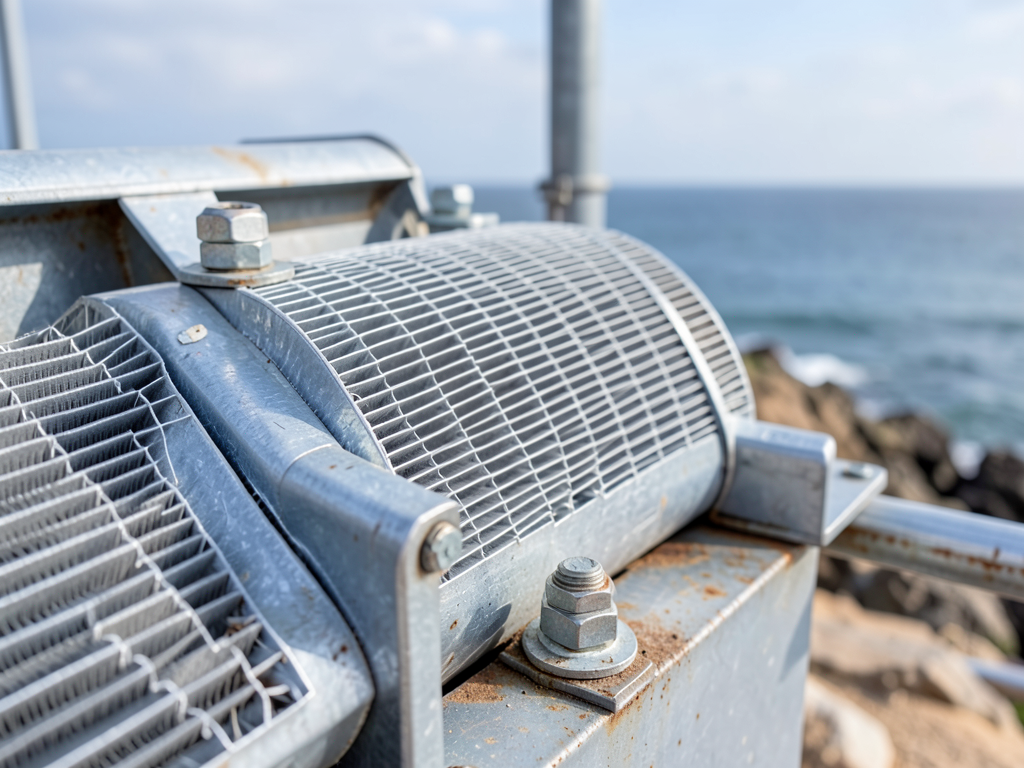
Coastal areas face salt air corrosion that can damage outdoor components within just a few years. The constant moisture accelerates metal oxidation and can cause electrical connections to fail prematurely. Inland valleys experience more temperature extremes, requiring different system sizing and controls.. Read more about Fighting Rust and Corrosion on Outdoor HVAC Units in Windy Neighborhoods Like Twin Peaks.
Historic Victorian and Edwardian homes add another layer of complexity. Many were built before air conditioning existed, with poor insulation and single-pane windows that allow heat transfer. These buildings need specialized solutions that preserve their character while providing modern comfort.. Read more about Why Large Sea Cliff Homes Struggle with Uneven Heating and High Bills.
The Coastal Fog Zone (Sunset/Richmond): Humidity and Corrosion Issues
The Sunset and Richmond Districts experience some of the highest humidity levels in the city, often exceeding 80% during summer mornings. This moisture creates several HVAC challenges. First, it reduces the effectiveness of cooling systems because humid air holds more heat energy. Second, the constant dampness can cause condensation on ductwork and equipment, leading to mold growth and reduced efficiency.
Salt air exposure is particularly severe in these neighborhoods. Within two miles of the ocean, standard outdoor units can experience corrosion rates 300% higher than inland units. The salt particles in the air settle on coils and electrical components, creating a conductive film that causes short circuits and reduces heat transfer efficiency.. Read more about Creating Custom Comfort Zones for Multi Generational Families in Visitacion Valley.
Many homes in these areas use older systems that weren’t designed for high humidity. These units struggle to remove moisture from the air, leaving indoor spaces feeling clammy even when temperatures are comfortable. Upgrading to systems with enhanced dehumidification capabilities can solve this problem while reducing energy consumption.
The Sheltered Valleys (Mission/Noe Valley): Heat Loads and Ventilation
The Mission and Noe Valley areas sit in sheltered valleys that trap heat during summer afternoons. Temperatures here can be 10-15 degrees warmer than the coastal neighborhoods, creating significant cooling demands. The urban heat island effect compounds this problem, with concrete and asphalt absorbing and radiating heat long after sunset.
These neighborhoods often have multi-story homes with large windows facing south or west. This design captures beautiful views but also creates solar heat gain that can overwhelm standard cooling systems. Without proper shading or high-efficiency windows, indoor temperatures can climb rapidly during heat waves.
Ventilation becomes critical in these areas. Natural breezes are limited by surrounding hills, so mechanical ventilation systems help maintain air quality and prevent heat buildup. Energy recovery ventilators can exchange indoor and outdoor air while recovering cooling energy, reducing the load on your air conditioning system.
Best HVAC Systems for SF Microclimates
Heat pumps and mini-split systems offer the best performance for San Francisco’s variable weather. These systems can switch between heating and cooling automatically, responding to rapid temperature changes without manual intervention. Modern variable-speed compressors adjust their output to match the exact heating or cooling demand, improving efficiency and comfort. The Best Way to Install Heat Pumps in Historic San Francisco Victorians.
Heat pumps work particularly well in this climate because they operate efficiently even when outdoor temperatures drop into the 40s. Unlike traditional furnaces that burn fuel, heat pumps move heat from one place to another, using 50-70% less energy for heating. This efficiency translates to lower utility bills and reduced carbon emissions.
Mini-split systems provide zone control, allowing different rooms to maintain different temperatures. This feature is valuable in multi-story homes where upstairs bedrooms need cooling while downstairs living areas stay comfortable with just ventilation. Each indoor unit can be controlled independently, eliminating the energy waste of heating or cooling unused spaces.
Why Heat Pumps and Mini-Splits Win in Variable Climates
Variable-speed heat pumps adjust their output in small increments rather than cycling on and off at full power. This continuous operation maintains more stable indoor temperatures and reduces the wear and tear on components. The systems also run more quietly because they rarely operate at maximum capacity.
Modern heat pumps include advanced defrost cycles that prevent ice buildup on outdoor coils during cold, damp mornings. This feature is essential in coastal areas where morning fog can leave surfaces wet and temperatures hover near freezing. Without proper defrost control, ice accumulation can shut down the system entirely.
Many heat pump systems now include smart controls that learn your schedule and preferences. They can anticipate weather changes based on forecasts and adjust operation accordingly. Some models even integrate with home automation systems, allowing control through smartphone apps or voice commands.
Combatting ‘Salt Air’ and Moisture: Maintenance Tips for Coastal Homes
Coastal homeowners need to implement specific maintenance routines to protect their HVAC equipment. The first step is installing corrosion-resistant components, including aluminum fins on coils and stainless steel fasteners. These materials cost more initially but can extend equipment life by 5-10 years in harsh coastal environments.
Regular cleaning is essential. Salt deposits should be rinsed from outdoor units monthly during summer months when ocean breezes are strongest. Use fresh water and avoid high-pressure sprays that can damage coil fins. Pay special attention to the area around electrical connections where salt accumulation can cause the most damage.
Indoor units also need attention in humid areas. Drain pans should be cleaned and treated with antimicrobial solutions to prevent mold growth. Condensate lines need to be flushed regularly to prevent clogs that can cause water damage. In particularly damp areas, consider installing UV light systems that kill mold and bacteria on cooling coils.
Case Study: Optimizing Indoor Air Quality during ‘Fogust’
‘Fogust’ refers to August when San Francisco experiences its heaviest fog and highest humidity. During this period, indoor air quality becomes a significant concern as moisture promotes mold growth and allergens become trapped indoors. A recent project in the Sunset District demonstrated how proper system design can address these issues.
The home had a 15-year-old system that struggled with humidity control. The solution involved installing a high-efficiency heat pump with enhanced dehumidification capabilities and a whole-house air cleaner with HEPA filtration. The new system maintained indoor humidity between 45-55%, eliminating the damp feeling while improving air quality. EPA Indoor Air Quality Guidelines.
Additional improvements included sealing and insulating ductwork to prevent condensation and installing programmable controls that adjusted operation based on outdoor humidity levels. The result was a 30% reduction in energy consumption and significantly improved comfort during the foggy summer months.
Energy Efficiency and Cost Considerations
High-efficiency HVAC systems cost more upfront but provide significant savings in San Francisco’s climate. Modern heat pumps with SEER2 ratings above 18 can reduce cooling costs by 30-40% compared to older units. The savings are even more dramatic for heating, where heat pumps use 50-70% less energy than gas furnaces.
Many utility companies offer rebates for high-efficiency equipment installation. PG&E and Bay Area regional programs provide incentives that can offset 10-20% of the installation cost. These rebates, combined with lower monthly utility bills, can reduce the payback period to 3-5 years for most homeowners.
Proper system sizing is crucial for efficiency. Oversized units cycle on and off frequently, reducing efficiency and shortening equipment life. Undersized units run continuously, struggling to maintain comfort. Professional load calculations that account for your home’s specific characteristics ensure optimal performance and efficiency. Professional Commercial HVAC Maintenance for SOMA Office Buildings.
Smart Technology Integration
Smart thermostats and zoning systems can dramatically improve HVAC performance in San Francisco’s variable climate. These devices learn your patterns and adjust automatically, optimizing comfort while minimizing energy use. Many can integrate with weather forecasts to pre-cool or pre-heat your home before temperature extremes arrive.
Zoning systems divide your home into separate temperature control areas. This capability is particularly valuable in multi-story homes where different floors have different heating and cooling needs. Each zone can be controlled independently, eliminating the energy waste of conditioning unused spaces.
Advanced air quality sensors can monitor indoor conditions and adjust ventilation rates automatically. These systems can detect when outdoor air quality improves during afternoon breezes and increase fresh air intake, then reduce ventilation when fog rolls in and outdoor air becomes more polluted.
Emergency Preparedness and System Reliability
San Francisco’s power grid can be vulnerable to outages during winter storms or summer heat waves. Backup power solutions like generators or battery systems ensure your HVAC continues operating during emergencies. Even a small battery backup can maintain critical systems for 24-48 hours.
Regular maintenance prevents most emergency breakdowns. Annual professional inspections should include checking electrical connections, testing safety controls, cleaning coils, and verifying refrigerant levels. These preventive measures can identify potential problems before they cause system failures during extreme weather events.. Read more about That Burning Smell From Your Vents (Is It Normal or an Emergency?).
Many homeowners benefit from maintenance agreements that include priority service and discounted repairs. These programs ensure your system receives regular attention and provides peace of mind during the busiest times of the year when HVAC companies are handling emergency calls. Fast and Affordable AC Repair Services in Daly City and South San Francisco.
Permitting and Building Code Requirements
San Francisco has specific requirements for HVAC installations that protect both residents and the environment. The San Francisco Department of Building Inspection requires permits for most system replacements and modifications. These permits ensure installations meet current energy efficiency standards and safety requirements.
California Title 24 energy efficiency standards mandate minimum SEER2 ratings and specific installation practices. These requirements help reduce the city’s overall energy consumption and greenhouse gas emissions. Compliance also ensures your system qualifies for utility rebates and maintains warranty coverage. California Title 24 Energy Efficiency Standards.
Noise ordinances in many neighborhoods restrict the sound levels of outdoor equipment. Units must be installed with proper vibration isolation and sound barriers to prevent disturbance to neighbors. Some historic districts have additional requirements that protect the visual character of buildings while allowing modern system installations.
Choosing the Right HVAC Contractor
Selecting a qualified contractor is crucial for system performance and longevity. Look for NATE certification, which indicates technicians have passed rigorous testing on HVAC systems and installation practices. Experience with San Francisco’s specific challenges, including historic home retrofits and coastal installations, is also important.
Request detailed proposals that include load calculations, equipment specifications, and warranty information. Avoid contractors who provide quotes without inspecting your home or evaluating your existing system. The cheapest option often costs more in the long run due to poor installation or inappropriate equipment selection.
Check references and online reviews, paying attention to how contractors handle problems and warranty claims. A company’s response to issues is often more telling than their marketing materials. Look for businesses with established local reputations and physical addresses in the Bay Area.
Future Trends and Electrification
California’s push toward electrification is changing the HVAC landscape. New building codes increasingly require all-electric systems, and many cities offer incentives for replacing gas furnaces with heat pumps. This trend aligns with San Francisco’s climate goals and can provide long-term cost savings as electricity becomes cleaner and more efficient.
Emerging technologies like geothermal heat pumps and advanced thermal storage systems offer even greater efficiency potential. While these systems have higher upfront costs, they can reduce energy consumption by 50-70% compared to conventional HVAC equipment. As technology improves and costs decrease, these options will become more accessible to homeowners.
Integration with renewable energy systems is another growing trend. Solar panels can power heat pumps during peak cooling season, while battery storage systems provide backup power and help manage time-of-use electricity rates. These integrated solutions offer the greatest potential for reducing both energy costs and environmental impact.
Frequently Asked Questions
How often should I replace my HVAC filters in San Francisco?
Most San Francisco homes need filter replacement every 60-90 days due to the high humidity and occasional smoke from wildfires. Homes near the coast or with pets may need monthly replacement. Use high-quality pleated filters with MERV ratings between 8-11 for optimal performance.
Can I install my own HVAC system to save money?
DIY HVAC installation is illegal in California and can be dangerous. Improper installation can cause carbon monoxide leaks, electrical fires, and system failures. Professional installation ensures compliance with building codes, maintains warranty coverage, and provides proper system performance and efficiency.
What size HVAC system do I need for a 2,000 square foot home?
Square footage alone doesn’t determine system size. Factors like insulation levels, window quality, ceiling height, and local climate all affect heating and cooling loads. A professional Manual J calculation is required to properly size your system for optimal efficiency and comfort.
How long do HVAC systems typically last in San Francisco?
With proper maintenance, modern heat pumps and air conditioners last 15-20 years in San Francisco’s climate. Coastal units may need replacement sooner due to salt air corrosion. Regular maintenance can extend equipment life and maintain efficiency throughout the system’s operational lifetime.
Are heat pumps effective in San Francisco’s cool climate?
Yes, heat pumps work very well in San Francisco. Modern cold-climate heat pumps operate efficiently even when outdoor temperatures drop into the 30s. They’re actually more efficient than gas furnaces in our mild climate, using 50-70% less energy for heating while providing excellent cooling during warm spells.
- Schedule Professional Maintenance
Have a qualified technician inspect your system annually, checking electrical connections, refrigerant levels, and overall performance. This prevents costly breakdowns and maintains efficiency.
- Replace Filters Regularly
Change air filters every 60-90 days, or more often if you have pets or live near the coast. Clean filters improve airflow and system efficiency.
- Keep Outdoor Units Clean
Rinse salt and debris from outdoor coils monthly, especially in coastal areas. Clear vegetation at least two feet from units to ensure proper airflow.
- Monitor System Performance
Watch for signs of trouble like unusual noises, reduced airflow, or inconsistent temperatures. Address small issues before they become major problems.

Take Control of Your Comfort Today
Your HVAC system is your home’s most important comfort system, especially in San Francisco’s unpredictable climate. Don’t wait for a breakdown to discover your system can’t handle our weather extremes. The right equipment, properly installed and maintained, can provide reliable comfort through every temperature swing the city throws at you.
Call (628) 201-6600 today to schedule your inspection. Our experienced technicians understand San Francisco’s unique HVAC challenges and can recommend solutions that work for your specific home and neighborhood. Whether you need a new system installation, maintenance on your existing equipment, or emergency repairs, we’re here to help you stay comfortable year-round.
Pick up the phone and call (628) 201-6600 before the next weather change catches you unprepared. Your comfort and peace of mind are worth it.
{
“@context”: “https://schema.org”,
“@type”: “BlogPosting”,
“headline”: “What to Do with Your HVAC When San Francisco Weather Changes Five Times a Day”,
“description”: “Learn how San Francisco’s microclimates affect your HVAC system and what you can do to keep your home comfortable through sudden temperature swings.”,
“wordCount”: 2560,
“datePublished”: “2026-05-22T06:19:00.000Z”,
“dateModified”: “2026-05-22T06:19:00.000Z”,
“inLanguage”: “en-US”,
“mainEntityOfPage”: {
“@type”: “WebPage”,
“@id”: “https://atlashvacsanfrancisco.com”
},
“publisher”: {
“@type”: “LocalBusiness”,
“name”: “Atlas HVAC San Francisco”,
“url”: “https://atlashvacsanfrancisco.com”
},
“author”: {
“@type”: “Organization”,
“name”: “Atlas HVAC San Francisco”,
“url”: “https://atlashvacsanfrancisco.com”
},
“image”: {
“@type”: “ImageObject”,
“url”: “https://atlashvacsanfrancisco.com/wp-content/uploads/2026/03/what-to-do-with-your-hvac-when-san-francisco-weath-1.png”
}
}
{
“@context”: “https://schema.org”,
“@type”: “HVACBusiness”,
“name”: “Atlas HVAC San Francisco”,
“url”: “https://atlashvacsanfrancisco.com”,
“address”: {
“@type”: “PostalAddress”,
“addressLocality”: “San Francisco”
},
“areaServed”: {
“@type”: “City”,
“name”: “San Francisco”
}
}
{
“@context”: “https://schema.org”,
“@type”: “FAQPage”,
“mainEntity”: [
{
“@type”: “Question”,
“name”: “How often should I replace my HVAC filters in San Francisco?”,
“acceptedAnswer”: {
“@type”: “Answer”,
“text”: “Most San Francisco homes need filter replacement every 60-90 days due to the high humidity and occasional smoke from wildfires. Homes near the coast or with pets may need monthly replacement. Use high-quality pleated filters with MERV ratings between 8-11 for optimal performance.”
}
},
{
“@type”: “Question”,
“name”: “Can I install my own HVAC system to save money?”,
“acceptedAnswer”: {
“@type”: “Answer”,
“text”: “DIY HVAC installation is illegal in California and can be dangerous. Improper installation can cause carbon monoxide leaks, electrical fires, and system failures. Professional installation ensures compliance with building codes, maintains warranty coverage, and provides proper system performance and efficiency.”
}
},
{
“@type”: “Question”,
“name”: “What size HVAC system do I need for a 2,000 square foot home?”,
“acceptedAnswer”: {
“@type”: “Answer”,
“text”: “Square footage alone doesn’t determine system size. Factors like insulation levels, window quality, ceiling height, and local climate all affect heating and cooling loads. A professional Manual J calculation is required to properly size your system for optimal efficiency and comfort.”
}
},
{
“@type”: “Question”,
“name”: “How long do HVAC systems typically last in San Francisco?”,
“acceptedAnswer”: {
“@type”: “Answer”,
“text”: “With proper maintenance, modern heat pumps and air conditioners last 15-20 years in San Francisco’s climate. Coastal units may need replacement sooner due to salt air corrosion. Regular maintenance can extend equipment life and maintain efficiency throughout the system’s operational lifetime.”
}
},
{
“@type”: “Question”,
“name”: “Are heat pumps effective in San Francisco’s cool climate?”,
“acceptedAnswer”: {
“@type”: “Answer”,
“text”: “Yes, heat pumps work very well in San Francisco. Modern cold-climate heat pumps operate efficiently even when outdoor temperatures drop into the 30s. They’re actually more efficient than gas furnaces in our mild climate, using 50-70% less energy for heating while providing excellent cooling during warm spells.”
}
}
]
}
{
“@context”: “https://schema.org”,
“@type”: “HowTo”,
“name”: “How to Maintain Your HVAC System”,
“step”: [
{
“@type”: “HowToStep”,
“position”: 1,
“name”: “Schedule Professional Maintenance”,
“text”: “Have a qualified technician inspect your system annually, checking electrical connections, refrigerant levels, and overall performance. This prevents costly breakdowns and maintains efficiency.”
},
{
“@type”: “HowToStep”,
“position”: 2,
“name”: “Replace Filters Regularly”,
“text”: “Change air filters every 60-90 days, or more often if you have pets or live near the coast. Clean filters improve airflow and system efficiency.”
},
{
“@type”: “HowToStep”,
“position”: 3,
“name”: “Keep Outdoor Units Clean”,
“text”: “Rinse salt and debris from outdoor coils monthly, especially in coastal areas. Clear vegetation at least two feet from units to ensure proper airflow.”
},
{
“@type”: “HowToStep”,
“position”: 4,
“name”: “Monitor System Performance”,
“text”: “Watch for signs of trouble like unusual noises, reduced airflow, or inconsistent temperatures. Address small issues before they become major problems.”
}
],
“image”: “https://atlashvacsanfrancisco.com/wp-content/uploads/2026/03/what-to-do-with-your-hvac-when-san-francisco-weath-1.png”
}
{
“@context”: “https://schema.org”,
“@type”: “BreadcrumbList”,
“itemListElement”: [
{
“@type”: “ListItem”,
“position”: 1,
“name”: “Home”,
“item”: “https://atlashvacsanfrancisco.com”
},
{
“@type”: “ListItem”,
“position”: 2,
“name”: “Blog”,
“item”: “https://atlashvacsanfrancisco.com/blog”
},
{
“@type”: “ListItem”,
“position”: 3,
“name”: “What to Do with Your HVAC When San Francisco Weather Changes Five Times a Day”
}
]
}
{
“@context”: “https://schema.org”,
“@type”: “Service”,
“serviceType”: “HVAC”,
“provider”: {
“@type”: “LocalBusiness”,
“name”: “Atlas HVAC San Francisco”,
“url”: “https://atlashvacsanfrancisco.com”
},
“areaServed”: {
“@type”: “City”,
“name”: “San Francisco”
},
“description”: “Learn how San Francisco’s microclimates affect your HVAC system and what you can do to keep your home comfortable through sudden temperature swings.”
}