
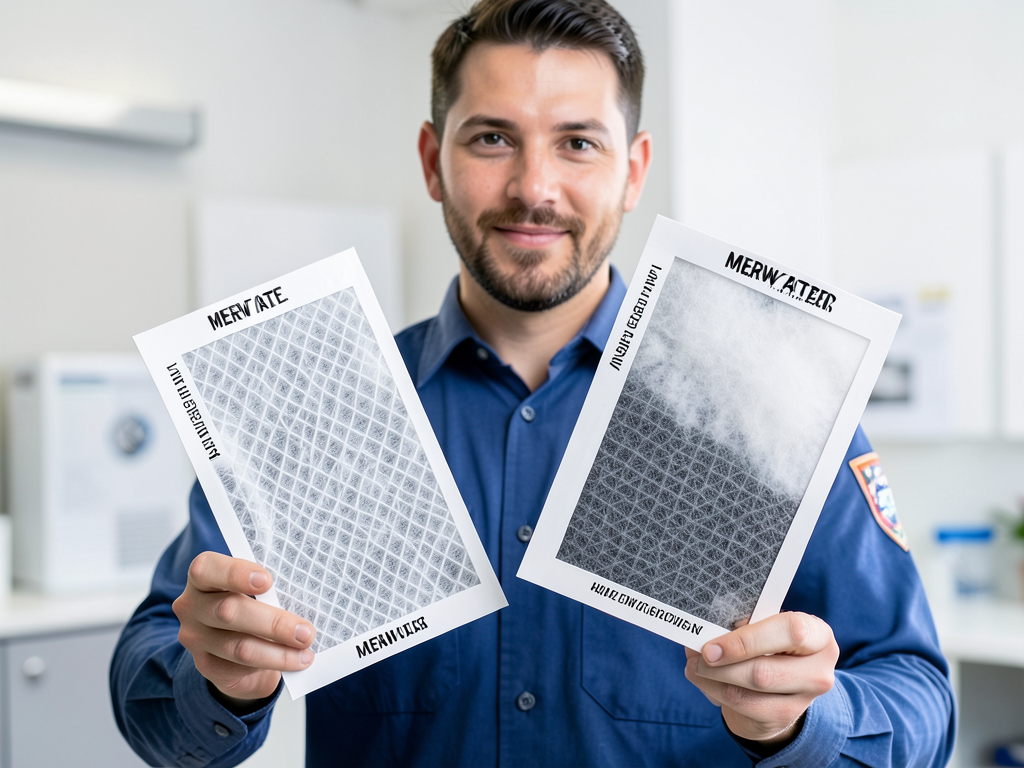
Choosing the Right MERV Rating for Your San Francisco Home Air Filter
The sweet spot for most San Francisco homes is MERV 8 to MERV 11. This range captures common allergens like dust, pollen, and pet dander while keeping your furnace’s airflow healthy. Higher MERV ratings might seem better, but they can strain your system and cause expensive damage.. Read more about Why Your San Francisco Furnace Keeps Turning On and Off Every Few Minutes.
Why MERV Rating Matters in San Francisco Homes
San Francisco’s unique climate creates specific air quality challenges. Coastal fog carries salt particles that can corrode HVAC components. Summer wildfire smoke brings PM2.5 particles that standard filters struggle to catch. Victorian and Edwardian homes built before modern building codes often have older HVAC systems that can’t handle high-efficiency filters.. Read more about Protecting Your HVAC System from Construction Dust in Growing Neighborhoods Like Mission Bay.
When choosing a filter, you’re balancing two things: particle capture and airflow resistance. A filter that’s too dense restricts air movement, making your furnace work harder. This can lead to overheating, cracked heat exchangers, and motor burnout. Who to Call for 24 Hour Emergency Heating Repair in San Francisco.
Understanding the MERV Scale
MERV stands for Minimum Efficiency Reporting Value. The scale runs from 1 to 20, with higher numbers catching smaller particles.
Here’s what each range actually does:
- MERV 1-4: Catches dust mites and carpet fibers
- MERV 5-8: Captures mold spores and pet dander
- MERV 9-12: Traps fine dust and legionella particles
- MERV 13-16: Filters bacteria, tobacco smoke, and sneeze particles
- MERV 17-20: HEPA level, used in hospitals and clean rooms
For San Francisco homes, MERV 13 is only necessary during heavy wildfire smoke events. Using it year-round can damage older systems.
The Static Pressure Warning
High-MERV filters create what HVAC technicians call “static pressure” – resistance to airflow. When pressure builds up, your furnace’s blower motor works harder, drawing more electricity and generating more heat.
During a recent inspection in the Sunset District, we found a cracked heat exchanger in a 15-year-old furnace. The homeowner had been using MERV 13 filters year-round. The restricted airflow caused the heat exchanger to overheat and crack – a dangerous condition that can release carbon monoxide.
ASHRAE Standard 52.2 governs MERV testing. It measures particle capture at different sizes, from 0.3 to 10 microns. A micron is one-millionth of a meter. For context, a human hair is about 70 microns wide. ASHRAE Standard 52.2.
Local Environmental Factors
San Francisco’s air quality varies dramatically by season and location. Coastal areas deal with salt-air corrosion, while inland neighborhoods face different challenges.
During wildfire season, PM2.5 levels can spike to dangerous levels. These particles are 2.5 microns or smaller – small enough to penetrate deep into lungs. MERV 13 filters capture 90% of these particles, while MERV 8 captures only about 20%.
However, running MERV 13 year-round in an older system is like running a marathon in a straitjacket. Your furnace will struggle, efficiency will drop, and components will wear out faster.
MERV Rating Comparison Table
| MERV Rating | Particle Size Captured | Airflow Resistance | Best For |
|---|---|---|---|
| MERV 8 | 3-10 microns | Low | Standard homes, minimal allergies |
| MERV 11 | 1-10 microns | Medium | Pets, moderate allergies, coastal areas |
| MERV 13 | 0.3-10 microns | High | Wildfire season, severe allergies, asthma |
Expert Recommendations by Scenario
If You Have Pets
Go with MERV 11. Pet dander ranges from 2.5 to 10 microns – right in the sweet spot for this rating. The slightly higher resistance won’t hurt most modern systems, and you’ll notice less pet hair circulating through your home.
If You Have Allergies or Asthma
Start with MERV 11. If symptoms persist during high pollen days, upgrade to MERV 13 temporarily. Keep MERV 8 on hand for the rest of the year to protect your system.. Read more about Reducing Pollen and Outdoor Irritants in Homes Near the Presidio.
If You Have an Older Furnace (Pre-2000)
Stick with MERV 8. Systems built before 2000 often have single-speed blowers that can’t handle the resistance of higher ratings. Using MERV 13 in these systems is asking for trouble.
If You Live Near the Coast
MERV 11 handles salt particles better than MERV 8. The slightly higher cost pays off in longer system life. Replace filters every 60 days instead of 90 due to salt-air exposure.
How to Test Your System’s Capacity
Professional HVAC technicians use a manometer to measure static pressure. This tool shows if your system is struggling with the current filter. Professional Commercial HVAC Maintenance for SOMA Office Buildings.
Here’s a simple test you can do: Remove your filter and turn the system on. If airflow improves dramatically, your filter is too restrictive. This doesn’t mean you should run without a filter – it means you need a lower MERV rating.
Another sign of filter restriction: your system runs constantly but never reaches the set temperature. This indicates the blower can’t move enough air to satisfy the thermostat.
Filter Replacement Schedule
Most homeowners change filters too infrequently or too often. Here’s what actually works:
- MERV 8: Replace every 90 days
- MERV 11: Replace every 60-90 days
- MERV 13: Replace every 30-60 days
During wildfire season, check MERV 13 filters monthly. They clog faster when air quality is poor.
Common Mistakes to Avoid
The biggest mistake is thinking “more filtration is always better.” This leads to using HEPA filters in residential systems, which almost always causes damage. EPA particulate matter information.
Another error: buying the wrong size. A filter that doesn’t fit properly lets unfiltered air bypass around the edges. Measure your filter slot before ordering.
Finally, don’t confuse HEPA room air purifiers with HVAC filters. Room purifiers use true HEPA filtration without stressing your furnace.
When to Call a Professional
If your system makes unusual noises after installing a new filter, call us. Whistling sounds often indicate restricted airflow. If your energy bills spike without explanation, your system might be working too hard to push air through a dense filter. The Best Way to Install Heat Pumps in Historic San Francisco Victorians.
Also call if you notice uneven heating or cooling. This can signal that your blower can’t distribute air properly due to filter restriction.
Making the Right Choice for Your Home
The best MERV rating depends on your specific situation: your HVAC system’s age, your health needs, and local air quality challenges.
For most San Francisco homes, MERV 8 to 11 provides the best balance of air quality and system protection. Save MERV 13 for wildfire season or if you have severe respiratory issues.
Remember: a filter that’s too good can be worse than one that’s not good enough. Protecting your HVAC system’s health protects your wallet and your comfort.
Frequently Asked Questions
Can I use a higher MERV rating if I change filters more often?
No. Even with frequent changes, high-MERV filters create too much resistance for most residential systems. The damage happens from restricted airflow, not just dirt buildup.
What’s the difference between MERV and HEPA?
MERV measures HVAC filter efficiency. HEPA is a higher standard (MERV 17-20) used in specialized applications. True HEPA filters are too dense for most residential HVAC systems.
How do I know if my filter is restricting airflow?
Signs include weak airflow from vents, longer heating/cooling cycles, unusual system noises, and higher energy bills. A professional can measure static pressure to confirm.. Read more about Understanding the Warning Signs of a Cracked Heat Exchanger in Your Furnace.
Should I use different filters in different seasons?
Yes, many homeowners use MERV 8-11 year-round and switch to MERV 13 during heavy wildfire smoke events. This protects your system while addressing seasonal air quality concerns.
Does filter thickness matter?
Thicker filters (4-5 inches) can hold more particles and often provide better airflow than thin filters of the same MERV rating. However, your system must be designed for thick filters.
Call (628) 201-6600 today to schedule your inspection. Our technicians can test your system’s capacity and recommend the perfect MERV rating for your specific home and needs.
{
“@context”: “https://schema.org”,
“@type”: “BlogPosting”,
“headline”: “Choosing the Right MERV Rating for Your San Francisco Home Air Filter”,
“description”: “Find the ideal MERV rating for your SF home’s HVAC system. Learn how to balance air quality with system protection and avoid costly damage.”,
“wordCount”: 1283,
“datePublished”: “2026-05-07T09:28:00.000Z”,
“dateModified”: “2026-05-07T09:28:00.000Z”,
“inLanguage”: “en-US”,
“mainEntityOfPage”: {
“@type”: “WebPage”,
“@id”: “https://atlashvacsanfrancisco.com”
},
“publisher”: {
“@type”: “LocalBusiness”,
“name”: “Atlas HVAC San Francisco”,
“url”: “https://atlashvacsanfrancisco.com”
},
“author”: {
“@type”: “Organization”,
“name”: “Atlas HVAC San Francisco”,
“url”: “https://atlashvacsanfrancisco.com”
},
“image”: {
“@type”: “ImageObject”,
“url”: “https://atlashvacsanfrancisco.com/wp-content/uploads/2026/03/choosing-the-right-merv-rating-for-your-san-franci-1.png”
}
}
{
“@context”: “https://schema.org”,
“@type”: “HVACBusiness”,
“name”: “Atlas HVAC San Francisco”,
“url”: “https://atlashvacsanfrancisco.com”,
“address”: {
“@type”: “PostalAddress”,
“addressLocality”: “San Francisco”
},
“areaServed”: {
“@type”: “City”,
“name”: “San Francisco”
}
}
{
“@context”: “https://schema.org”,
“@type”: “FAQPage”,
“mainEntity”: [
{
“@type”: “Question”,
“name”: “Can I use a higher MERV rating if I change filters more often?”,
“acceptedAnswer”: {
“@type”: “Answer”,
“text”: “No. Even with frequent changes, high-MERV filters create too much resistance for most residential systems. The damage happens from restricted airflow, not just dirt buildup.”
}
},
{
“@type”: “Question”,
“name”: “What’s the difference between MERV and HEPA?”,
“acceptedAnswer”: {
“@type”: “Answer”,
“text”: “MERV measures HVAC filter efficiency. HEPA is a higher standard (MERV 17-20) used in specialized applications. True HEPA filters are too dense for most residential HVAC systems.”
}
},
{
“@type”: “Question”,
“name”: “Should I use different filters in different seasons?”,
“acceptedAnswer”: {
“@type”: “Answer”,
“text”: “Yes, many homeowners use MERV 8-11 year-round and switch to MERV 13 during heavy wildfire smoke events. This protects your system while addressing seasonal air quality concerns.”
}
},
{
“@type”: “Question”,
“name”: “Does filter thickness matter?”,
“acceptedAnswer”: {
“@type”: “Answer”,
“text”: “Thicker filters (4-5 inches) can hold more particles and often provide better airflow than thin filters of the same MERV rating. However, your system must be designed for thick filters.”
}
}
]
}
{
“@context”: “https://schema.org”,
“@type”: “BreadcrumbList”,
“itemListElement”: [
{
“@type”: “ListItem”,
“position”: 1,
“name”: “Home”,
“item”: “https://atlashvacsanfrancisco.com”
},
{
“@type”: “ListItem”,
“position”: 2,
“name”: “Blog”,
“item”: “https://atlashvacsanfrancisco.com/blog”
},
{
“@type”: “ListItem”,
“position”: 3,
“name”: “Choosing the Right MERV Rating for Your San Francisco Home Air Filter”
}
]
}
{
“@context”: “https://schema.org”,
“@type”: “Service”,
“serviceType”: “HVAC”,
“provider”: {
“@type”: “LocalBusiness”,
“name”: “Atlas HVAC San Francisco”,
“url”: “https://atlashvacsanfrancisco.com”
},
“areaServed”: {
“@type”: “City”,
“name”: “San Francisco”
},
“description”: “Find the ideal MERV rating for your SF home’s HVAC system. Learn how to balance air quality with system protection and avoid costly damage.”
}